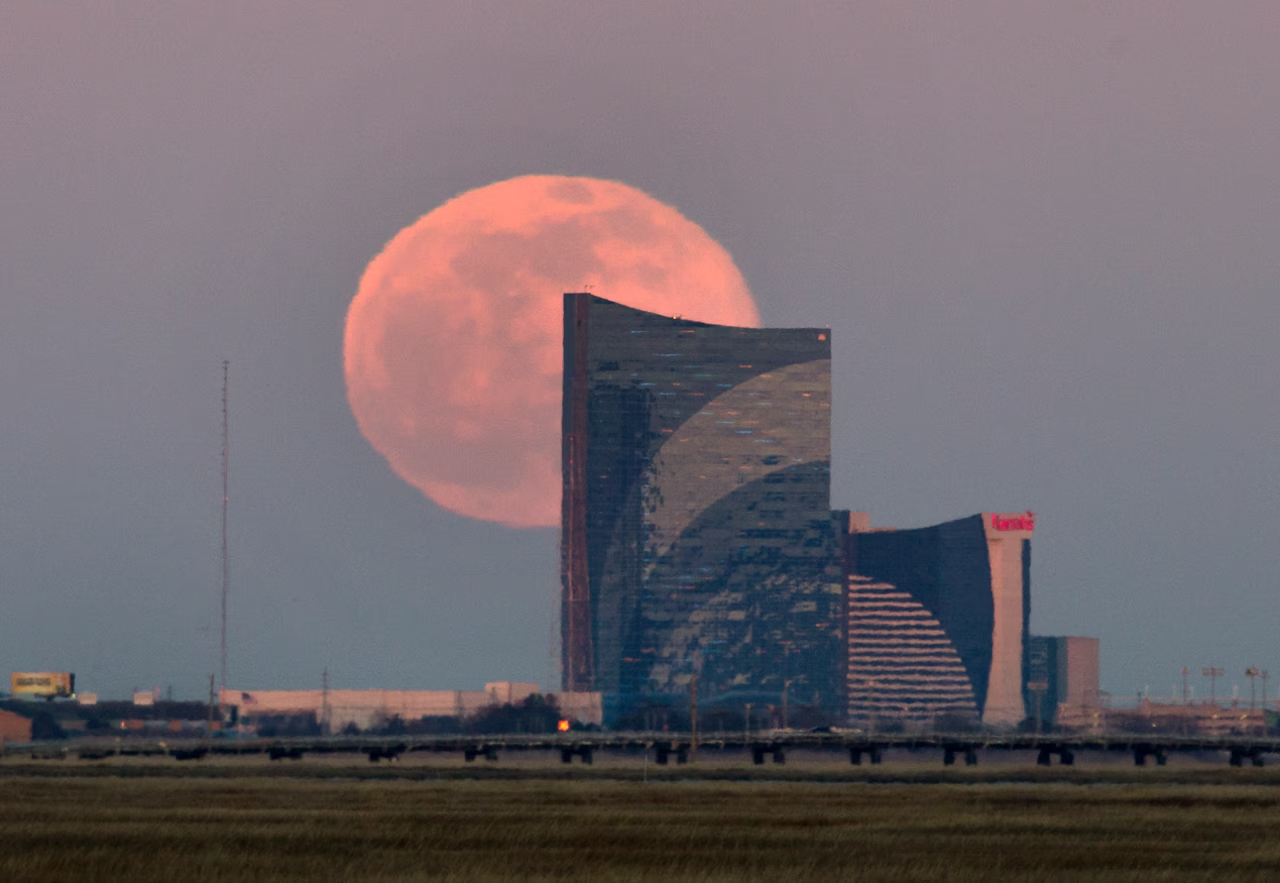
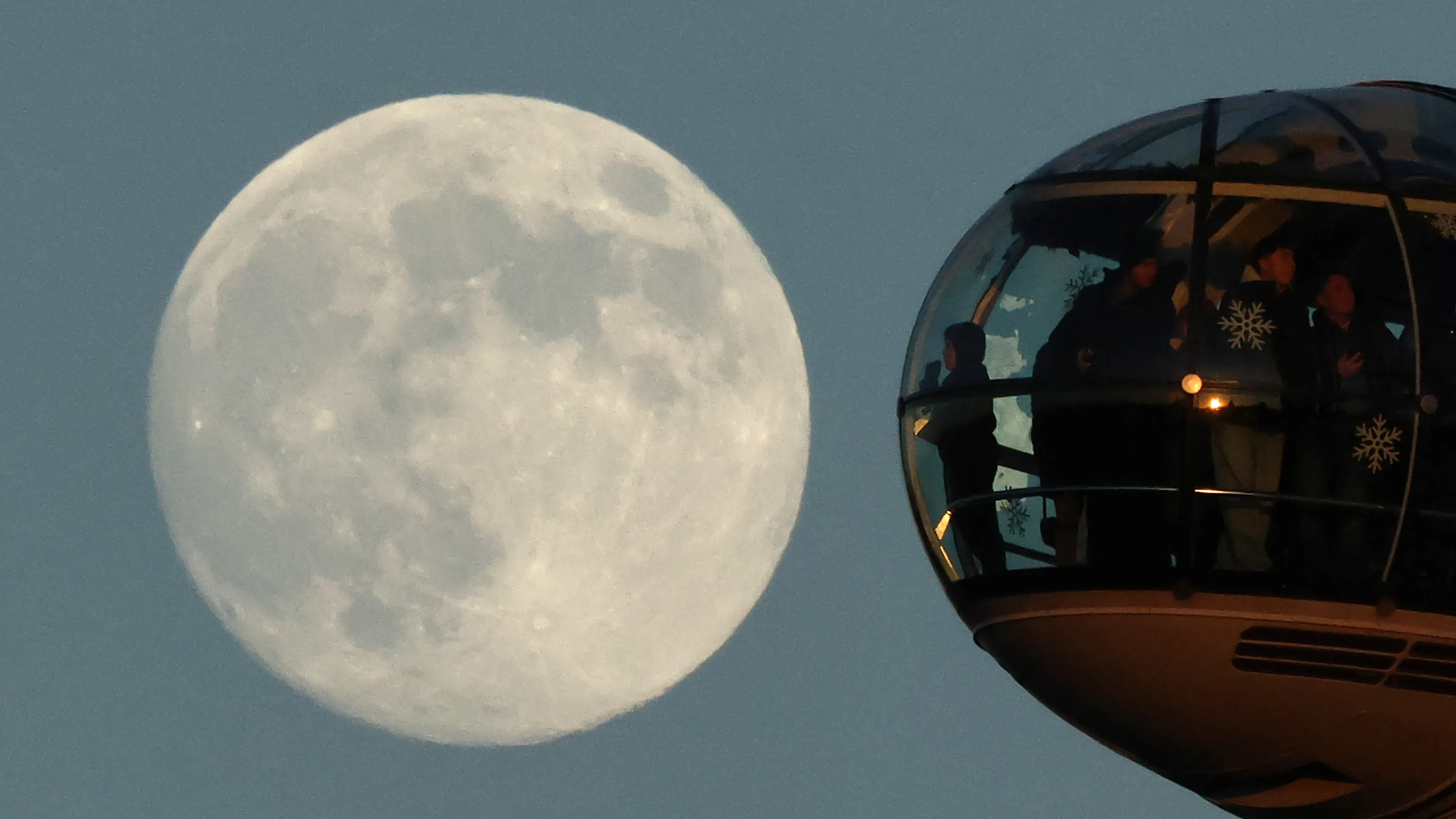
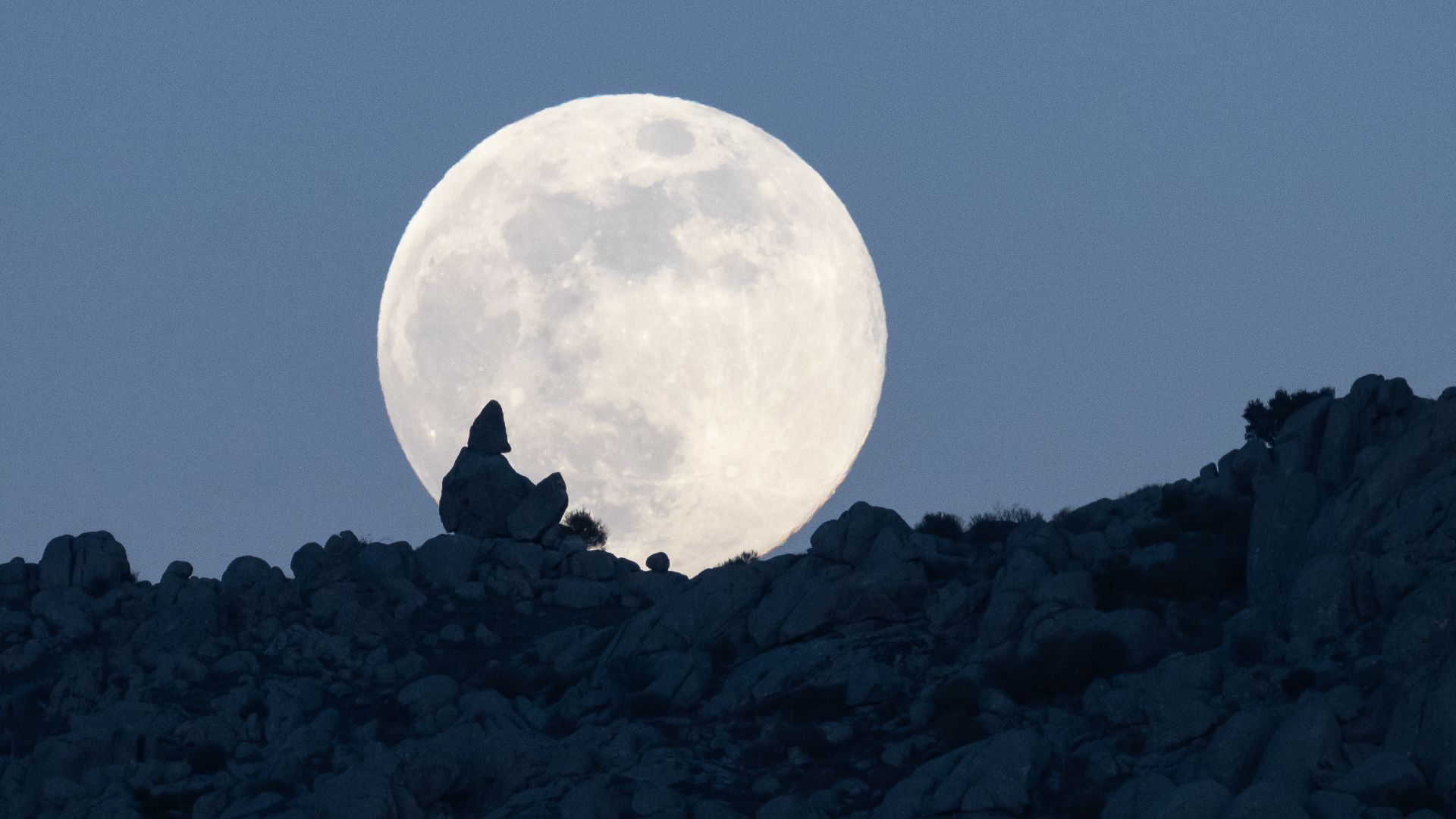
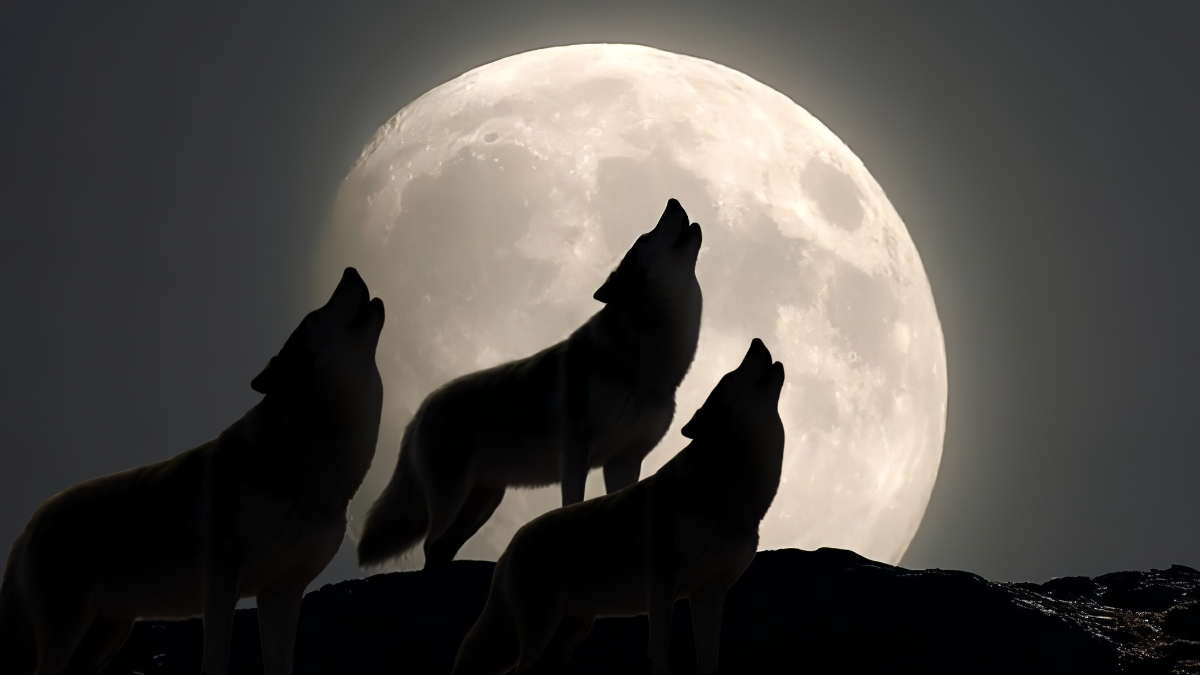
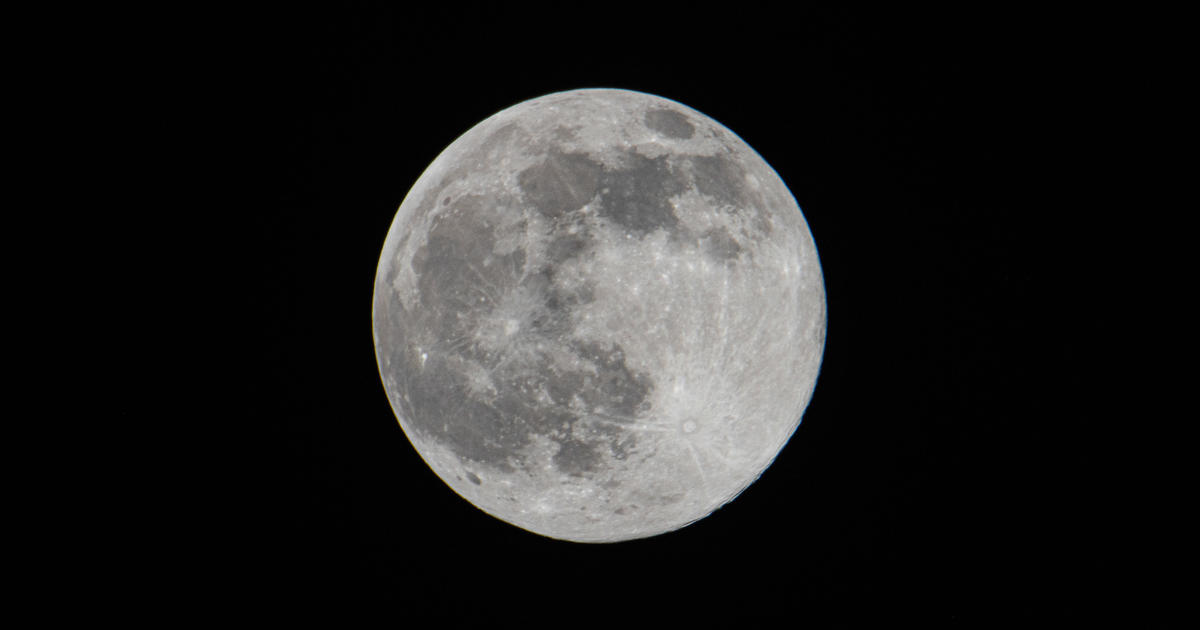
The first full moon of 2026, called the Wolf Moon, was visible on January 3, 2026, and was captured in stunning images from around the world, highlighting its cultural significance and celestial beauty.
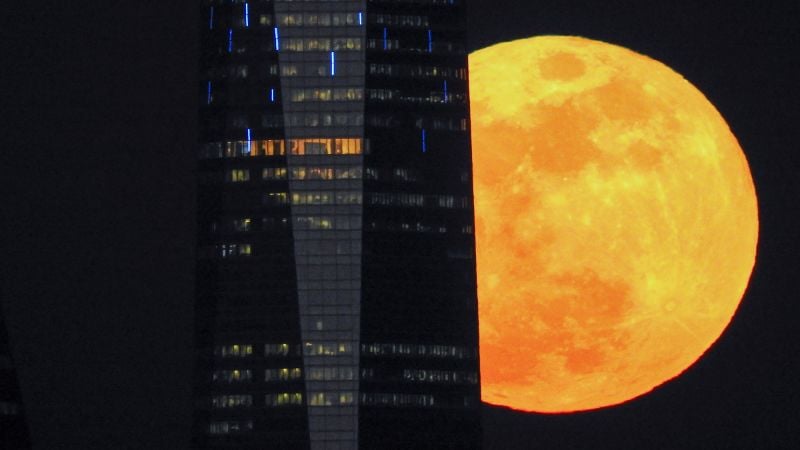
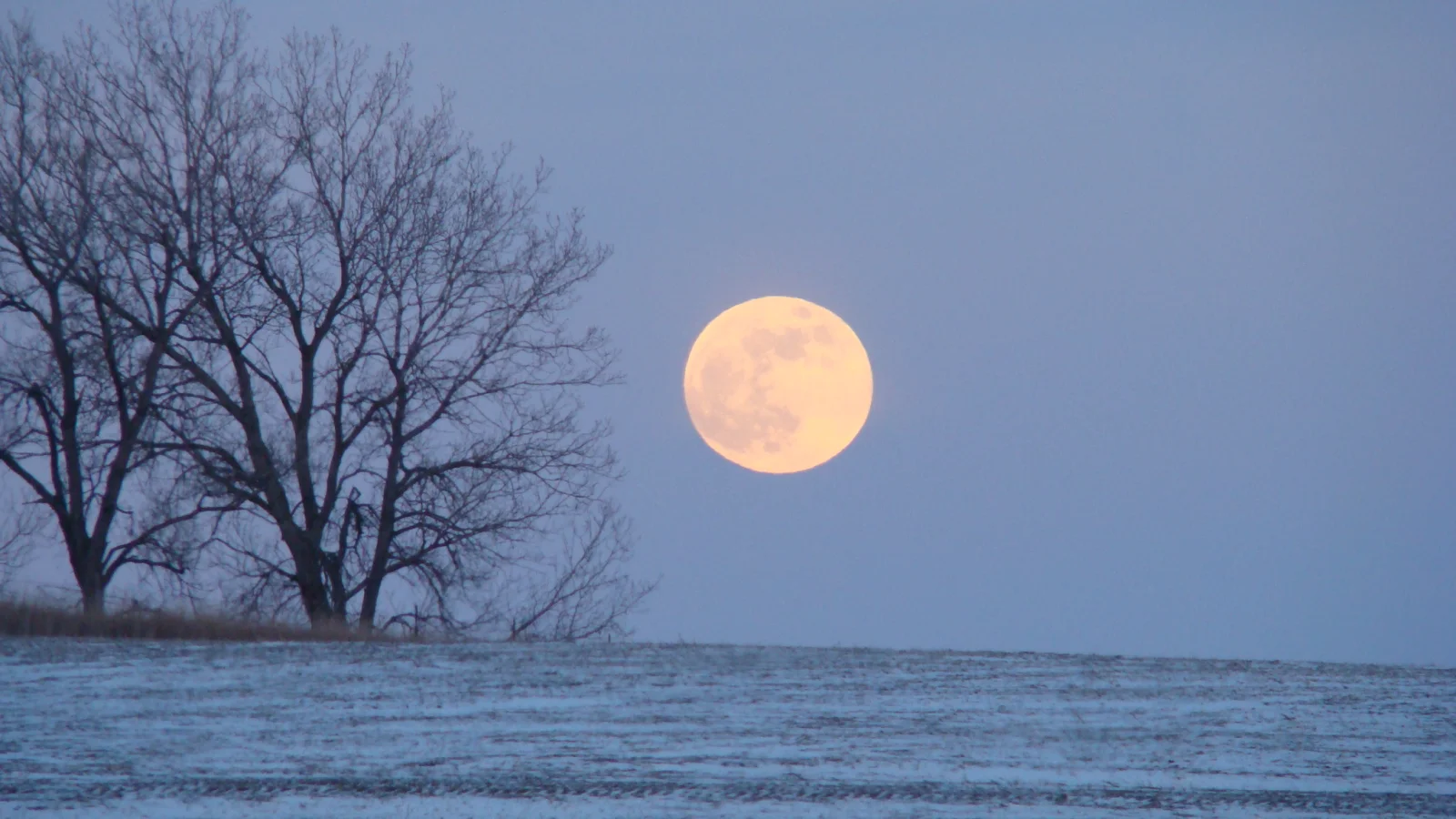
The January 2026 full moon, known as the 'Wolf Supermoon,' was a spectacular astronomical event, with stunning photos captured worldwide showing the moon's proximity to Earth and its striking appearance over various landscapes, inspiring skywatchers and photographers alike.
The first full moon of 2026, known as the wolf moon, is also a supermoon, making it appear larger and brighter due to its proximity to Earth. It can be best viewed around sunset on Sunday night from a dark spot, and no special equipment is needed. The event offers a spectacular skywatching opportunity, with additional celestial sights like Jupiter nearby, and the next supermoon will occur in November.
The article highlights stunning photos of the Wolf Supermoon, the first full moon of 2026, captured around the world on January 2, 2026, showcasing its appearance over various iconic locations and during different activities.
The January 2026 Wolf Moon, coinciding with the moon's closest approach to Earth, will be a spectacular supermoon visible on the night of January 2-3, offering a bright, large, and potentially orange-hued view, with optimal viewing times depending on your location.
This weekend on the UWS offers a variety of activities including Columbia Women's Basketball game against Cornell, a guided viewing of the supermoon with Urban Park Rangers, free tours of the research vessel R/V Robert Gray at Hudson River Park, and numerous movie and Broadway options, making it a vibrant cultural and recreational weekend.
The January 2026 Wolf Supermoon will be exceptionally bright due to its proximity to Earth, coinciding with Earth's perihelion, resulting in a rare triple brightness boost, making it an ideal opportunity for moon gazing in the Northern Hemisphere.
The first full moon of 2026, the wolf moon, will be a supermoon and coincide with the Quadrantid meteor shower, making for a spectacular but challenging viewing experience due to the moon's brightness. The event offers a great opportunity for sky watchers to observe Earth's closest celestial neighbor and get excited about upcoming NASA missions like Artemis II. The Quadrantids will peak on January 3-4, with other meteor showers and full moons scheduled throughout the year.
The Wolf Moon, a bright and large supermoon, will be visible on January 3, 2026, rising at dusk and positioned near Jupiter and a bright star, offering a spectacular night sky view, especially in the Northern Hemisphere.
January's full "wolf moon" will be visible through Friday evening, with various Native American tribes having different names for it. Other celestial events to look forward to in 2024 include supermoons, lunar and solar eclipses, and meteor showers. Notably, a total solar eclipse on April 8 will be visible in Mexico, the United States, and Canada, while a penumbral lunar eclipse will be visible across several continents between March 24 and 25. Additionally, several meteor showers are expected to peak throughout the year.
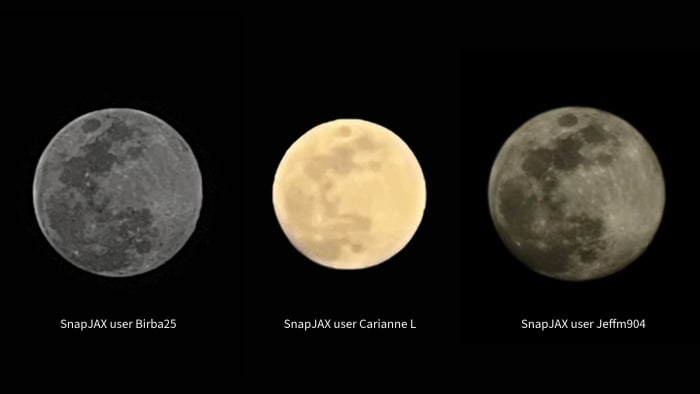
The first full moon of 2024, known as the "wolf moon," will light up the night sky on January 25. Sky-gazers are encouraged to share their photos and videos of the event on SnapJAX, with the best time for capturing moon photos being during the Golden Hour from 5:22 p.m. to 5:56 p.m. Clouds and scattered showers may affect viewing conditions, but a livestream is available for those unable to see the moon from their area. Tips for capturing the best moon photos are also provided, and users are invited to upload their content on SnapJAX for a chance to be featured on-air and online.
The first full moon of 2024, known as the Wolf Moon, is set to rise on Thursday evening in Northern Ireland. This moon, also called the Moon After Yule and the Ice Moon, is traditionally associated with increased wolf howling due to scarcity of food. Despite potential showers, there may be a brief window to observe the full moon on Thursday evening before heavy rain and winds move in, with another opportunity on Friday evening.
Today's horoscope highlights the tension between cats and dogs, urging individuals to answer the call of the wild. AQUARIUS should trust their instincts in a crowd, while PISCES will inspire others by believing in them. ARIES is advised to pursue practical action while holding onto their dreams, and TAURUS is encouraged to embrace challenges. LEO's emotional connections will have a positive impact, and VIRGO is reminded to find joy in the present moment. Alicia Keys and husband Swizz Beatz are sharing their art collection at the Brooklyn Museum, reflecting Aquarius' philanthropic nature.
The first full moon of 2024, known as the wolf moon, will brighten the skies on Thursday night, marking the start of the longest moon phase of the year. Sky watchers can expect to see Jupiter and Saturn in the sky as well. The wolf moon is named for the idea that wolves howl more in winter, and it will be followed by a total solar eclipse on April 8.
The first full moon of 2024, known as the Wolf Moon, will peak on Thursday, January 25th at 12:54 p.m. ET, and will be visible until around midnight on Friday. The Old Farmer's Almanac provides moonrise times for different ZIP codes in the United States, and NASA advises that no special tools are needed to see the full moon. The Wolf Moon gets its name from the howling of wolves often heard in January, and it also marks the middle of the cold season. Next month's full moon will be the Snow Moon, peaking on February 24th, followed by the Worm Moon on March 25th.