The Trump administration designated illicit fentanyl and its precursors as weapons of mass destruction, aiming to intensify criminalization and potentially enable military actions abroad, but this move raises legal, domestic, and international concerns about its effectiveness and implications.
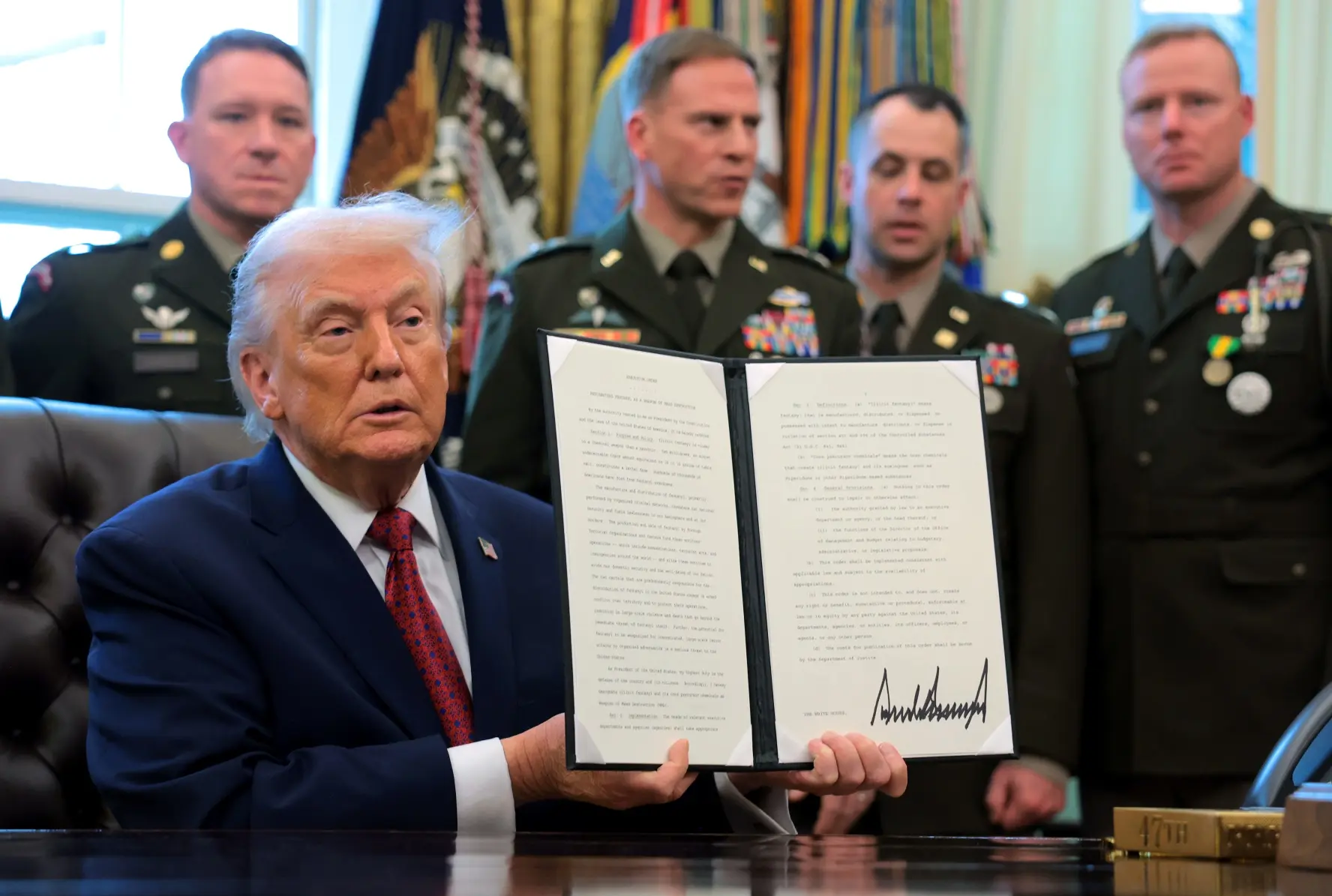
President Trump designated fentanyl as a Weapon of Mass Destruction, empowering the DEA with more tools to combat its flow into the U.S., especially targeting Mexican drug cartels, which are now considered terrorists due to their role in trafficking the drug, seen as a national security threat.
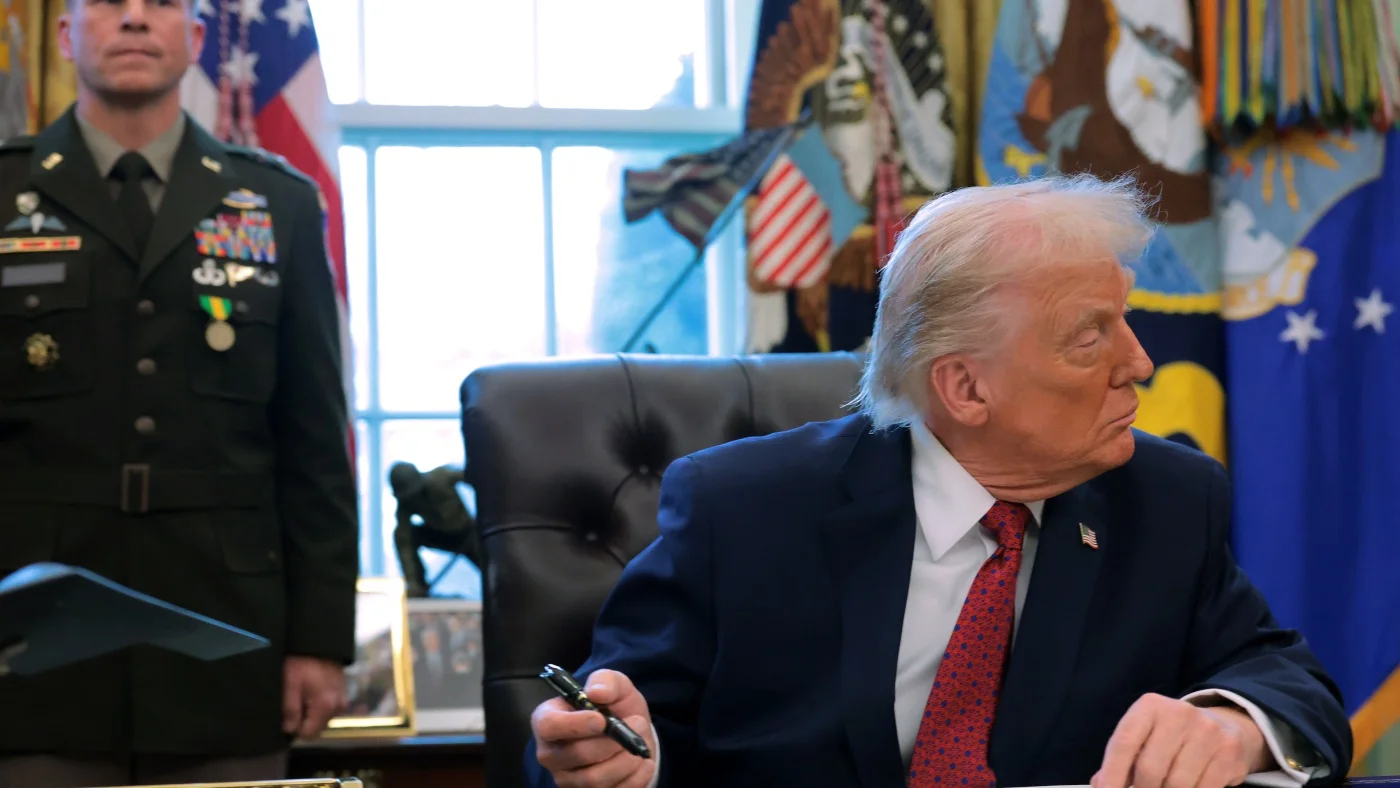
President Trump signed an executive order classifying fentanyl as a weapon of mass destruction, escalating the militarization of the US drug war, including military strikes on suspected drug vessels, though experts question the effectiveness of these measures and criticize the inflated claims about drug-related deaths and threats.
President Donald Trump designated illicit fentanyl as a weapon of mass destruction, aiming to strengthen federal efforts against drug trafficking, cartel violence, and potential weaponization, including criminal charges, asset freezes, and enhanced security measures.
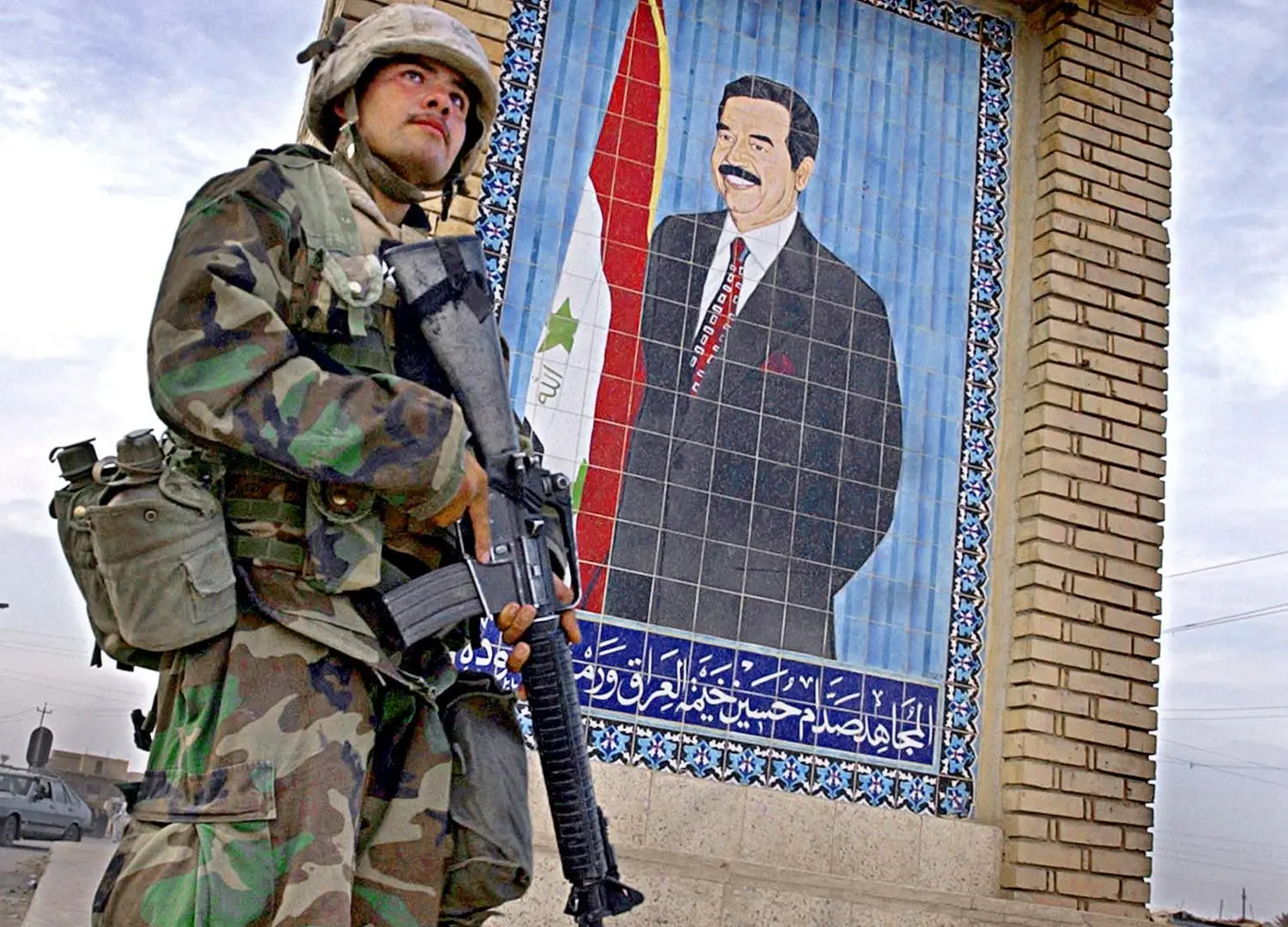
The US and UK justified the invasion of Iraq in 2003 based on three premises: that Saddam Hussein had weapons of mass destruction (WMD), that he was developing more of them to the potential advantage of “terrorist” groups, and that creating a “friendly and democratic” Iraq would set an example for the region. However, the Iraq war has cast a long shadow over the US’s foreign policies, with repercussions to this day. The decision to invade Iraq was a “huge violation of international law” and the real objective of the Bush administration was a broader transformational effect in the region.