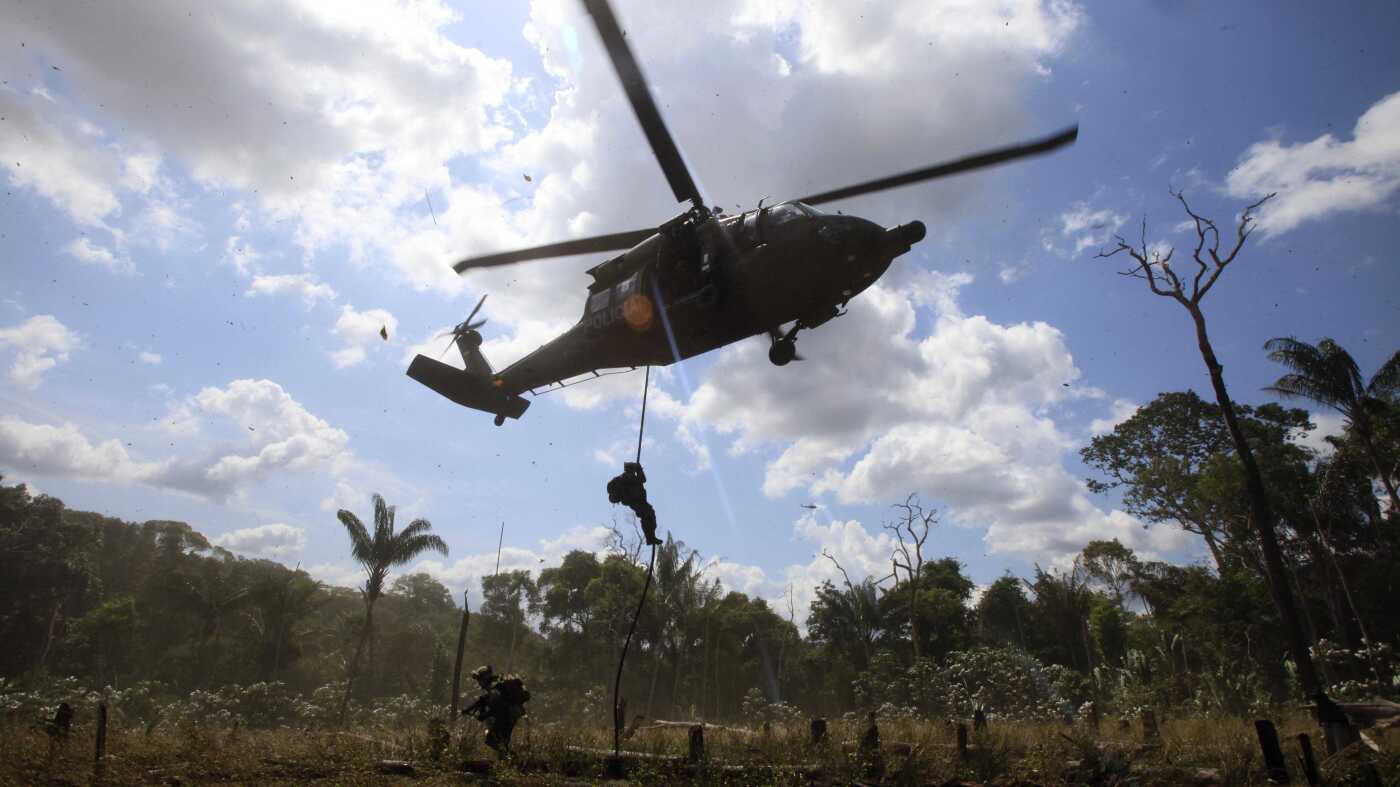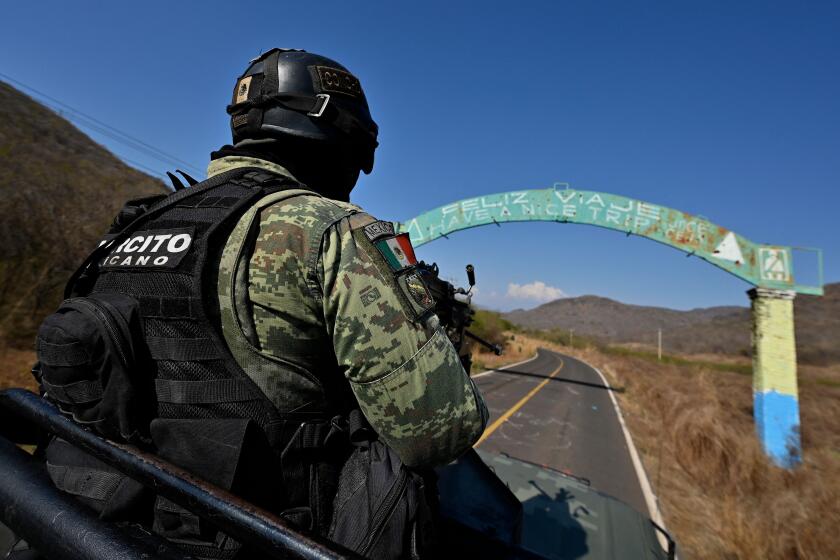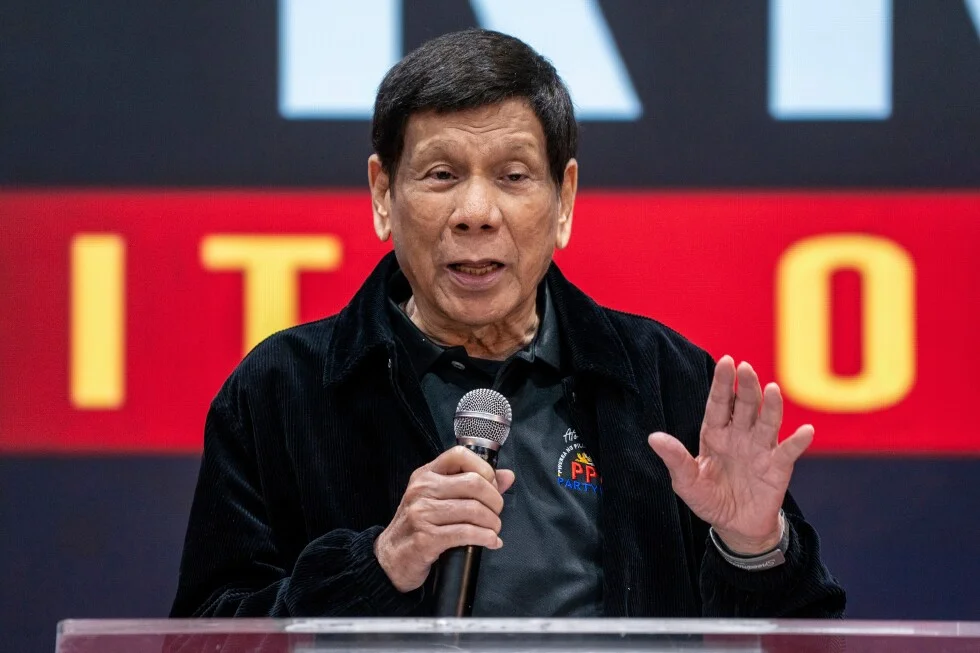
President Trump signed an executive order classifying fentanyl as a weapon of mass destruction, escalating the militarization of the US drug war, including military strikes on suspected drug vessels, though experts question the effectiveness of these measures and criticize the inflated claims about drug-related deaths and threats.
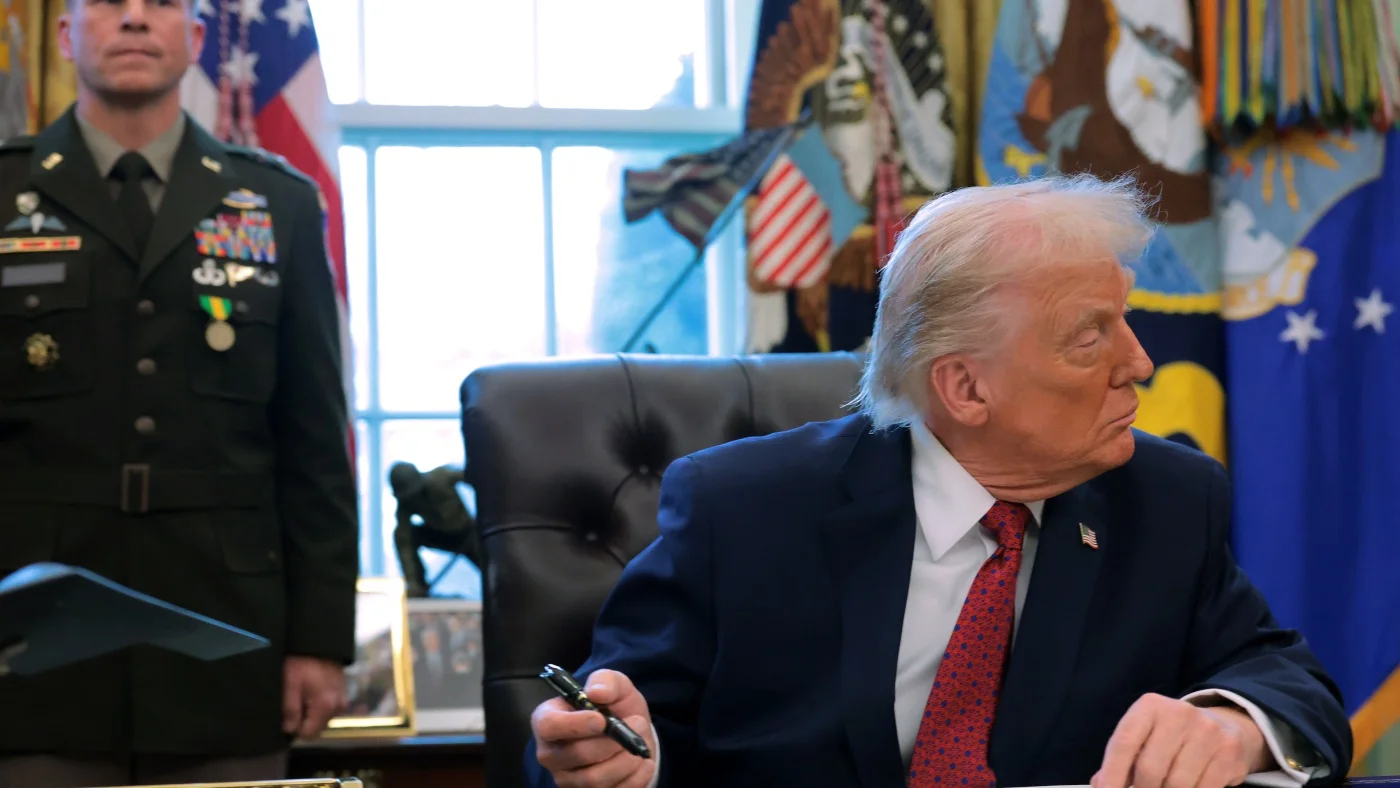
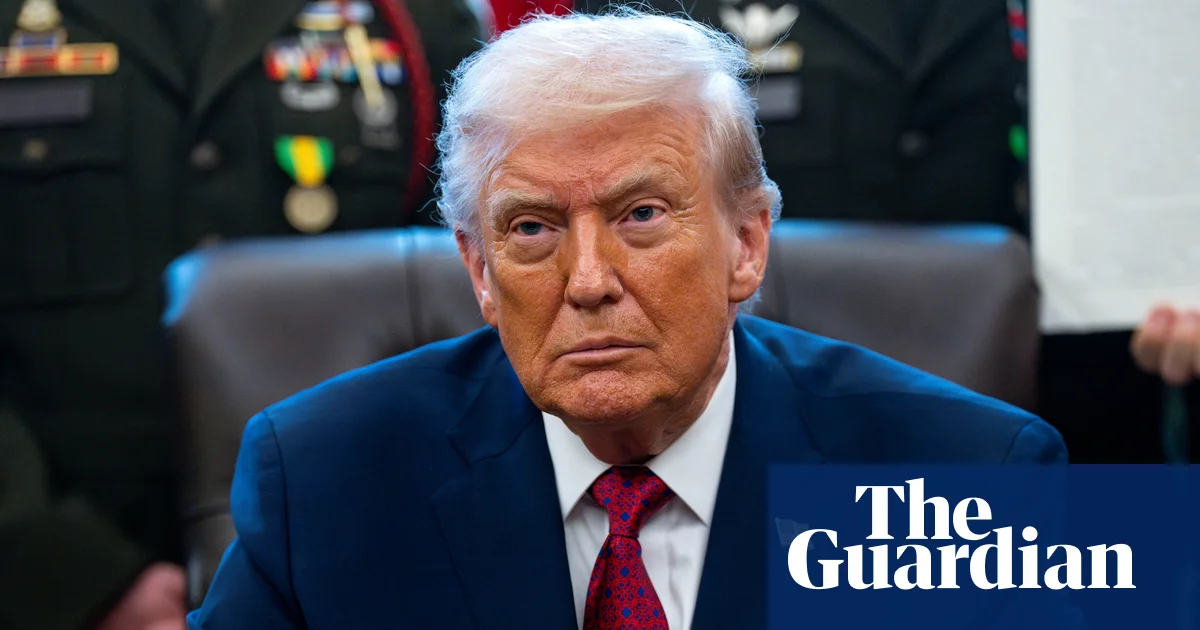
Donald Trump signed an executive order designating fentanyl as a 'weapon of mass destruction,' aiming to escalate efforts against drug cartels and trafficking, though experts question the threat of weaponization. The move includes directing military and justice agencies to combat production and distribution, amid ongoing tensions with drug cartels and concerns over public health and drug addiction in the US.
Trinidad and Tobago is aligning with US efforts against Venezuelan drug traffickers, supporting military strikes and facing regional tensions, while also seeking to benefit economically from US-Venezuela relations amid ongoing conflicts and energy disputes.
The article criticizes Trump's recent aggressive actions in Latin America, including bombings and covert operations, as part of a long history of U.S. intervention and dominance in the region, highlighting concerns about legality, morality, and the impact on democracy.
The U.S. military's recent Caribbean strikes against alleged drug traffickers have raised legal questions, leading the Trump administration to repatriate survivors rather than detain them, citing complex legal and political challenges surrounding military detention and international law.
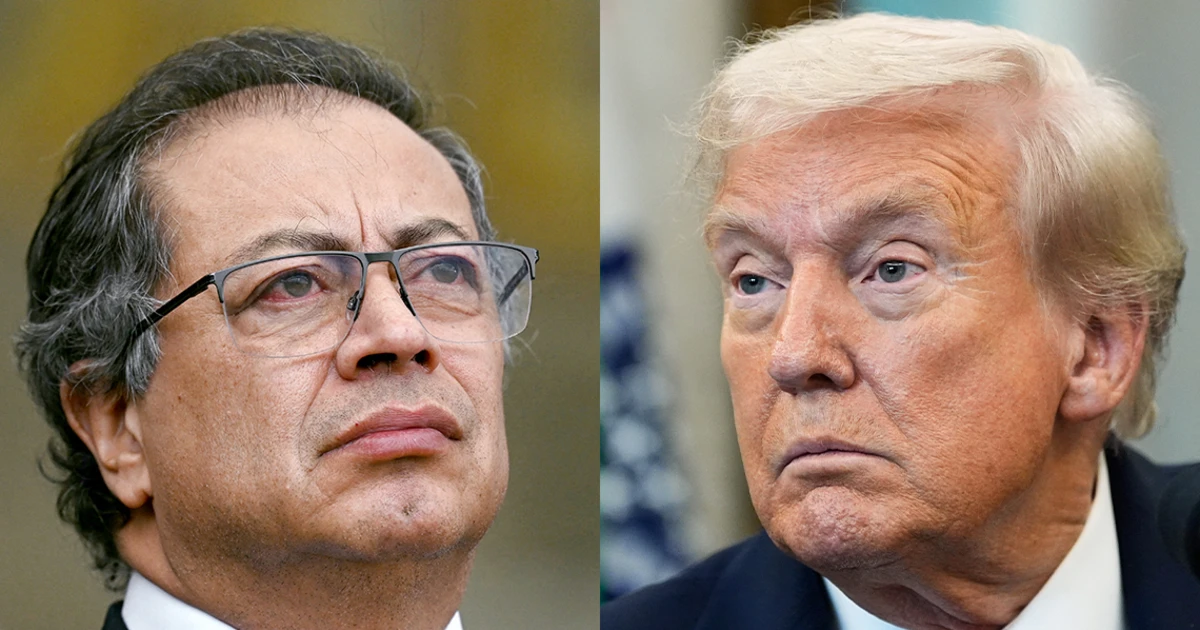
President Donald Trump announced the termination of U.S. aid to Colombia, accusing President Gustavo Petro of encouraging drug production and calling him an 'illegal drug dealer,' amid escalating tensions over U.S. military strikes and sovereignty issues related to drug trafficking and territorial disputes.
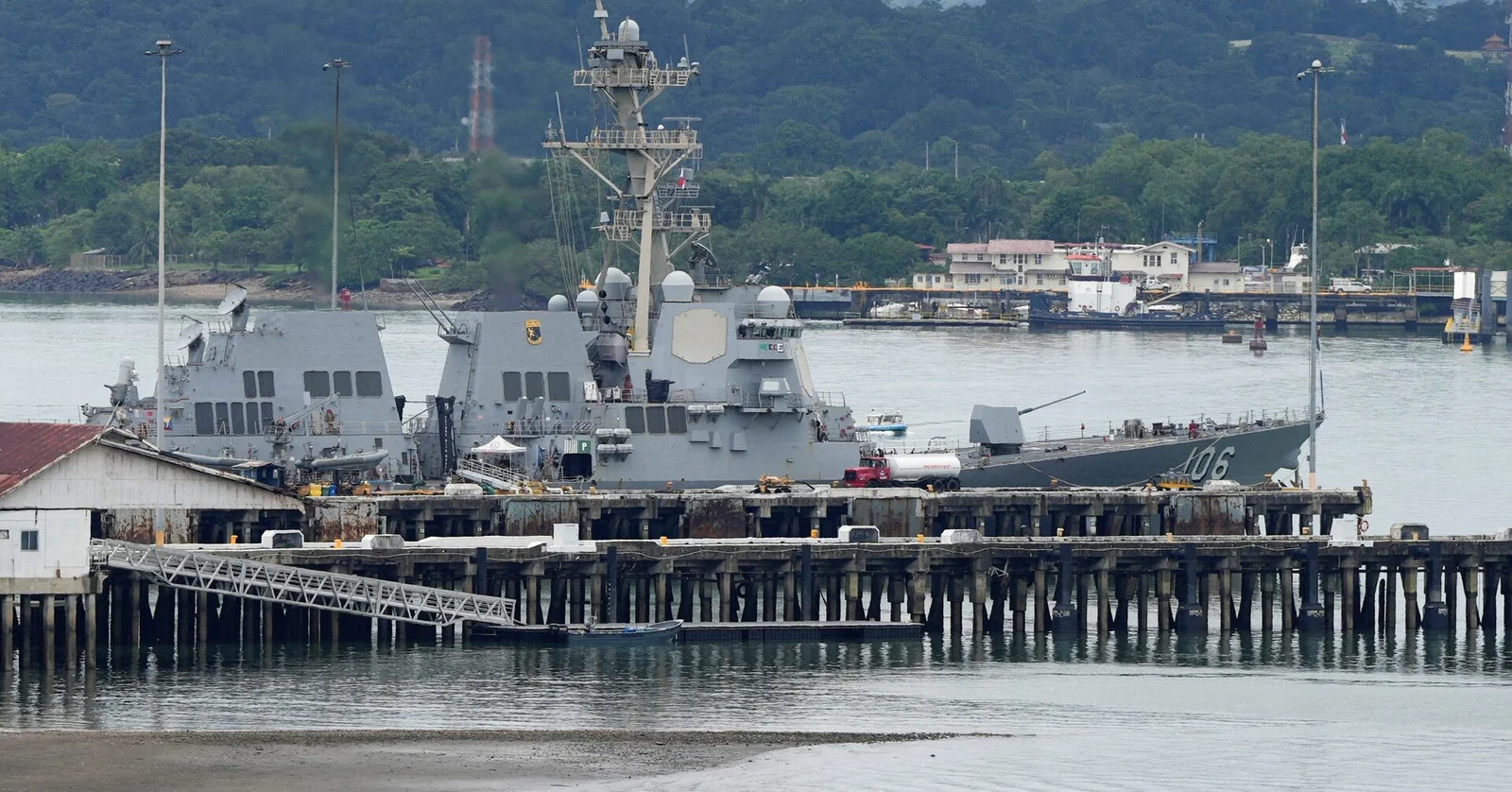
Under Trump, the US is expanding its military actions against Latin American drug cartels and possibly inside Venezuela, using legal justifications similar to those post-9/11, despite international law concerns and lack of congressional approval, raising diplomatic and legal questions.
Two Colombian musicians, B-King and DJ Regio Clown, were found dead outside Mexico City after going missing, with authorities suspecting criminal involvement linked to organized crime, amid broader concerns over the impact of the drug war.
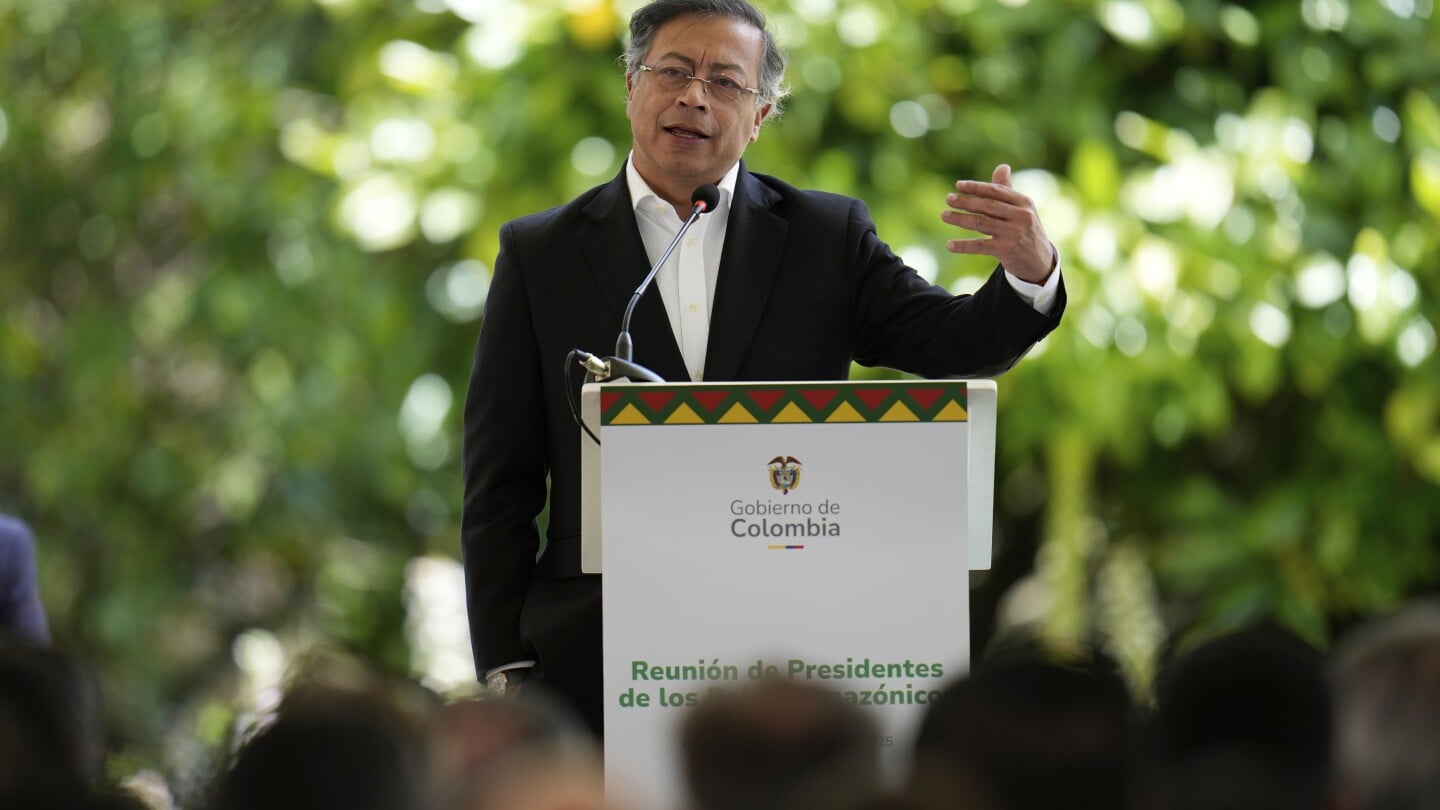
Colombian President Gustavo Petro criticized the US for adding Colombia to a list of countries failing to combat drug trafficking, accusing the US of interfering in Colombian politics. The US decertified Colombia's efforts in the drug war, citing increased cocaine production and lack of progress, but waived sanctions. Petro responded by asserting Colombia's sovereignty and criticizing US policies, amid rising tensions and a surge in coca cultivation.
The U.S. has decertified Colombia as a drug control partner for the first time since 1997 due to its failure to meet drug control obligations, amid rising cocaine production and strained relations between the two countries. Despite this, the U.S. stopped short of imposing sanctions, maintaining aid and security cooperation, but the move signals dissatisfaction and could impact regional stability and U.S.-Colombia relations.
Ismael 'El Mayo' Zambada, co-founder of the Sinaloa cartel, pleaded guilty to drug trafficking charges, admitting to a career spanning over 35 years involving violence and drug smuggling, and is set to be sentenced to life in prison with a $15 billion forfeiture.
Mexican drug cartels are increasingly using improvised land mines in their warfare, resulting in deaths and injuries to both soldiers and civilians in the Tierra Caliente region. The use of land mines, along with other sophisticated weaponry such as drones and grenade launchers, marks an alarming escalation of violence in Mexico. Experts attribute the rise of land mines to an influx of mercenary fighters from Colombia, who bring bomb-making technology to rural Mexico. The widespread use of land mines has turned the region into a literal minefield, causing fear and displacement among residents. The Mexican government and the U.S. have increased support to combat the use of explosives, but the conflict continues to pose a significant threat to the local population.
Another journalist, Nelson Matus, has been killed in Mexico, adding to the growing number of reporters who have lost their lives in the country's intensifying drug war. Matus, the director of a local news organization, had previously survived an assassination attempt in 2019. His death highlights the concerning increase in journalist murders in Mexico and the toll the drug war has taken on local newsrooms. Acapulco, once known for its beach resorts, has become a hub for narco violence. Mexico has been one of the deadliest places for journalists, with at least 52 killings documented in the past five years.
Nelson Matus, a Mexican journalist and director of local news organization Lo Real de Guerrero, was shot and killed near Acapulco, adding to the growing list of reporters who have lost their lives in Mexico's intensifying drug war. Matus had previously survived an assassination attempt in 2019. The increasing number of journalist killings highlights the crisis of deadly violence and impunity faced by the Mexican press, as they report on the escalating violence in the country. Acapulco, once known for its beach resorts, has become a hub for narco violence. Mexico has been one of the deadliest places for journalists, with at least 52 killings documented in the past five years.
The Colombian Senate has approved a bill to legalize marijuana in the country, bringing it one step closer to ending prohibition. The bill must now go through a final Senate floor vote on June 16 before being sent to the president. Advocates are concerned that unrelated governmental controversies could derail the effort this year as deadlines for action quickly approach. President Gustavo Petro has discussed the possible benefits of cannabis legalization, including reducing the influence of the illicit market and exploring the economic potential of a legal cannabis industry.