Sara Carter has been confirmed as the first woman to lead the U.S. Office of National Drug Control Policy, tasked with combating drug trafficking and addiction, bringing extensive experience as a cartel expert and investigative journalist.
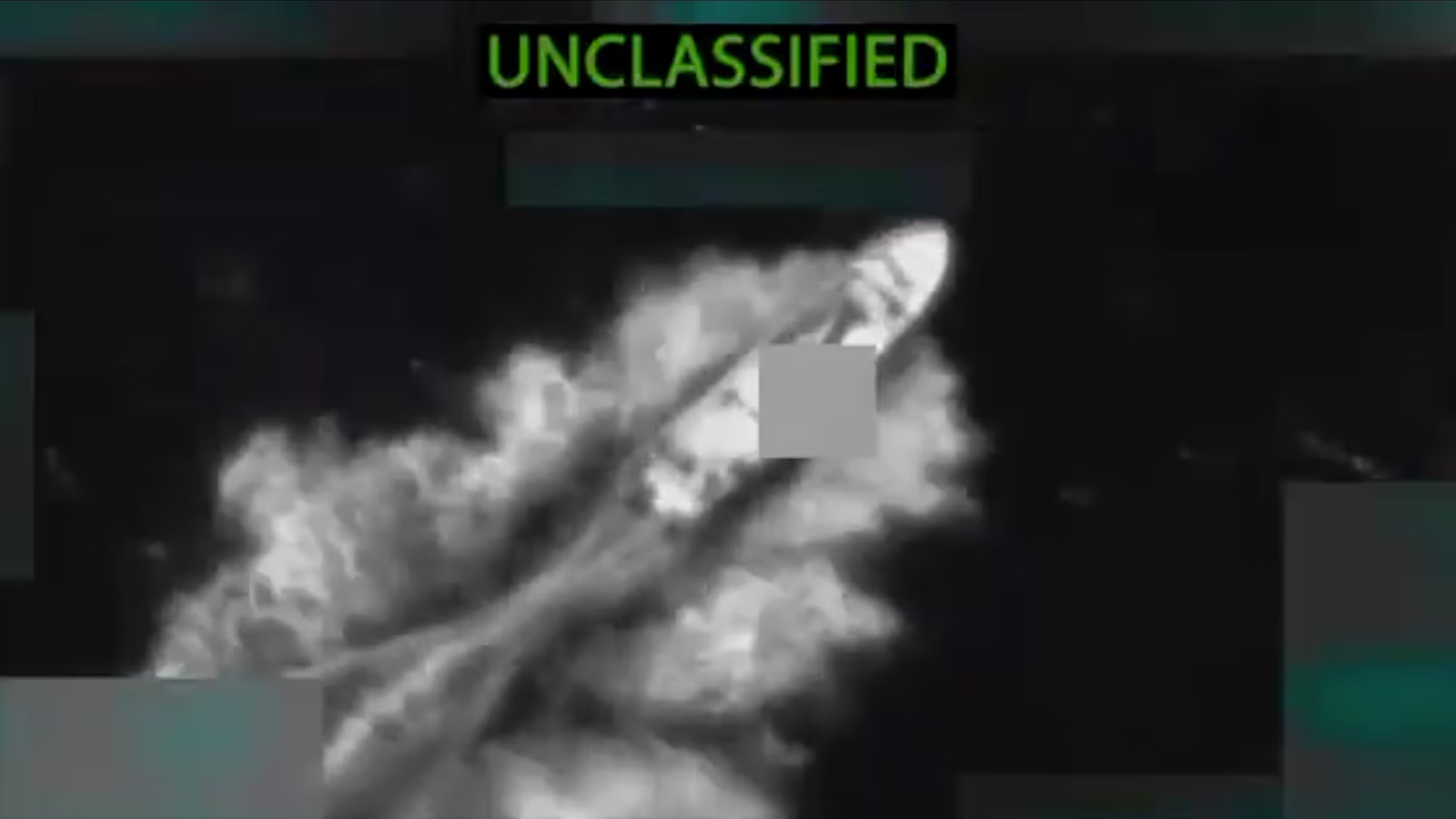
The US military conducted two strikes on boats suspected of drug smuggling in the eastern Pacific, killing five people, as part of an ongoing campaign against drug cartels, with a total of 28 boats targeted and at least 104 people killed since the campaign began.
President Trump designated fentanyl as a Weapon of Mass Destruction, empowering the DEA with more tools to combat its flow into the U.S., especially targeting Mexican drug cartels, which are now considered terrorists due to their role in trafficking the drug, seen as a national security threat.
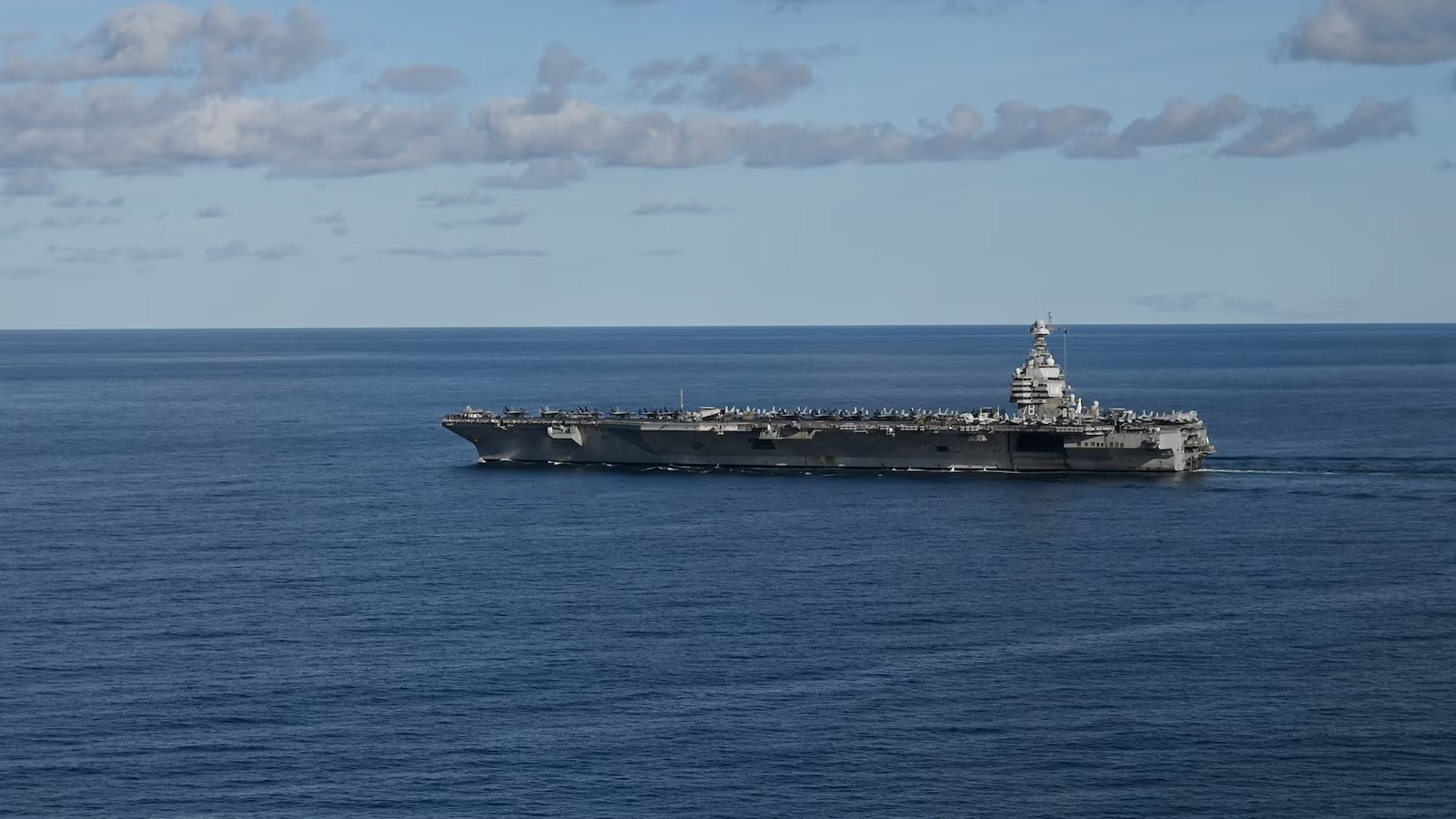
The USS Gerald R. Ford aircraft carrier strike group has arrived in the U.S. Southern Command area to support operations against Latin American drug cartels, deploying over 60 aircraft and additional naval forces to enhance efforts in disrupting narcotics trafficking, amid broader US military actions in the region.
President Trump is increasing briefings for Congress on his administration's anti-narcotics efforts in the Caribbean and Pacific, amid heightened military activity off Venezuela and concerns over extrajudicial killings, with plans for potential future strikes in Venezuela and Mexico, and ongoing bipartisan debates over transparency and legality.
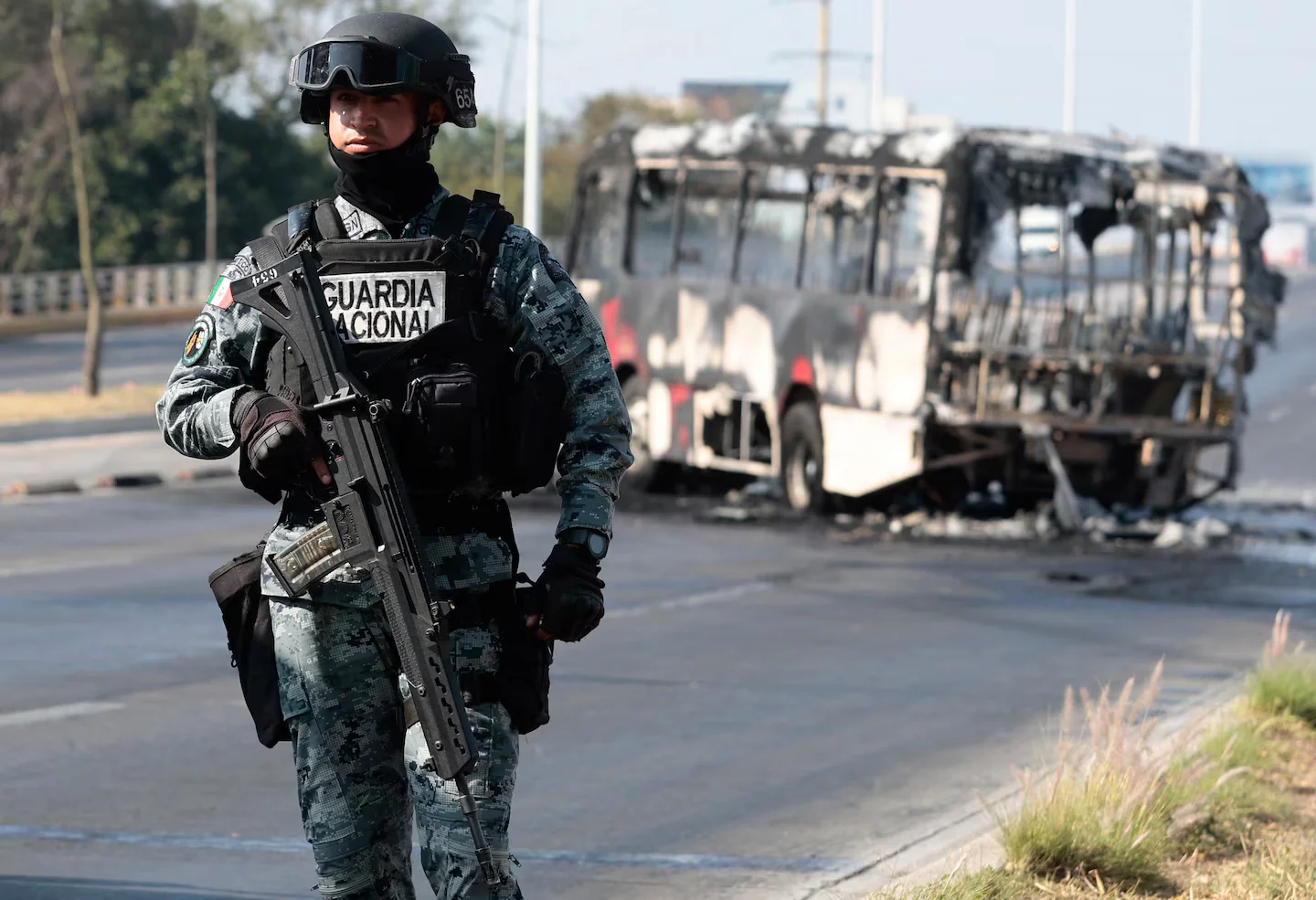
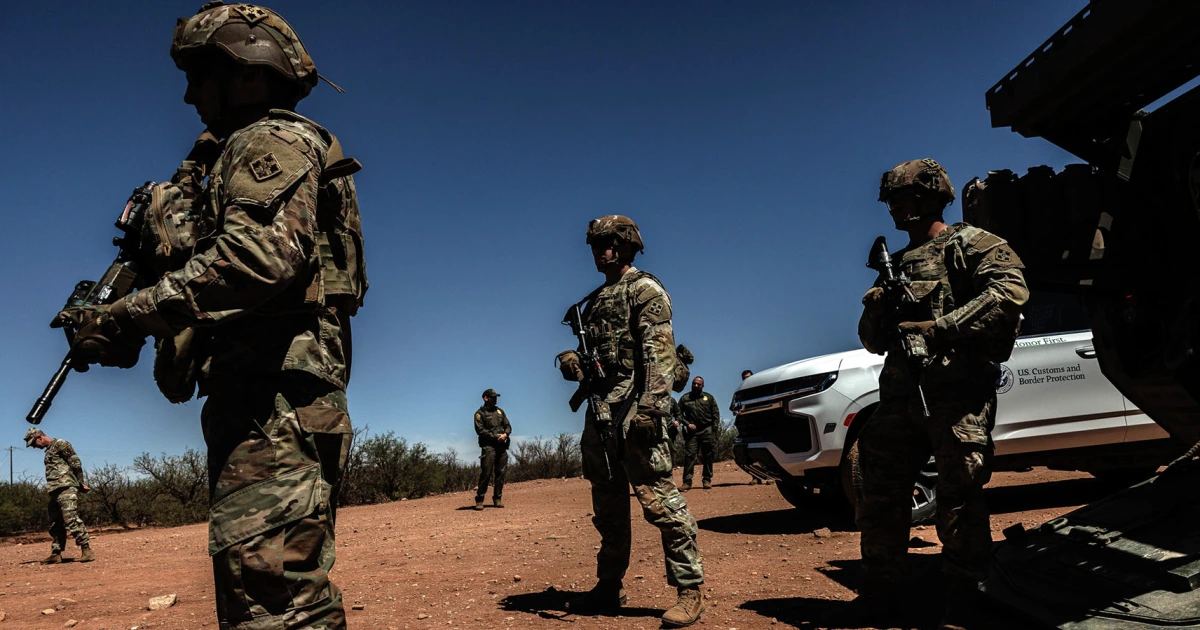
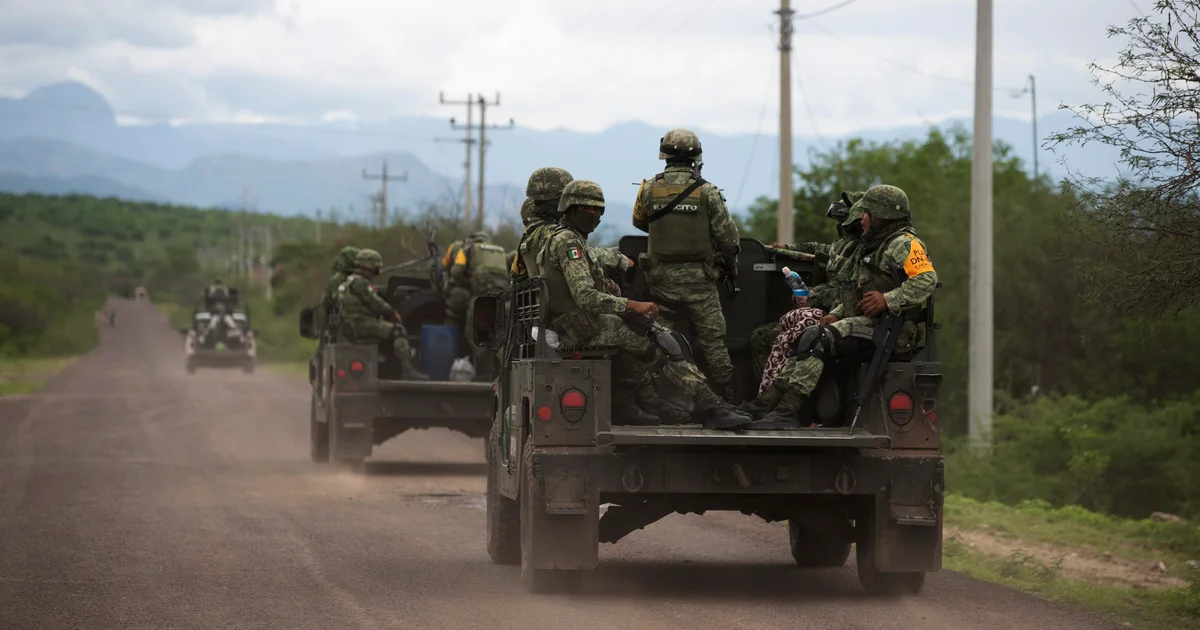
The Trump administration is planning a covert mission involving U.S. troops and intelligence to target drug cartels in Mexico, including potential drone strikes and ground operations, marking a significant escalation in U.S. efforts against drug trafficking in the region, though a final decision has not yet been made.
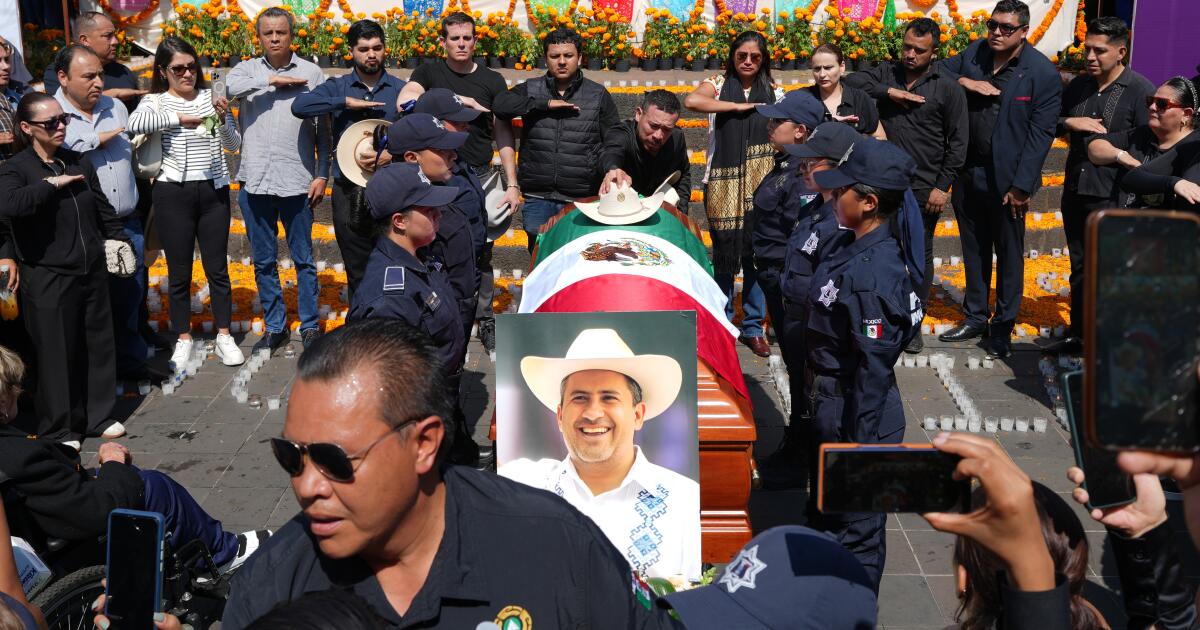
Carlos Manzo, a outspoken mayor in Mexico advocating for a tough stance against drug cartels, was murdered during a Day of the Dead celebration in Uruapan, Michoacán, highlighting ongoing violence and the challenges of confronting organized crime in the region.
The US military conducted three strikes against four alleged drug vessels in the Eastern Pacific, resulting in 14 deaths and at least one survivor, as part of ongoing efforts to combat drug cartels, raising legal questions and escalating regional military presence.
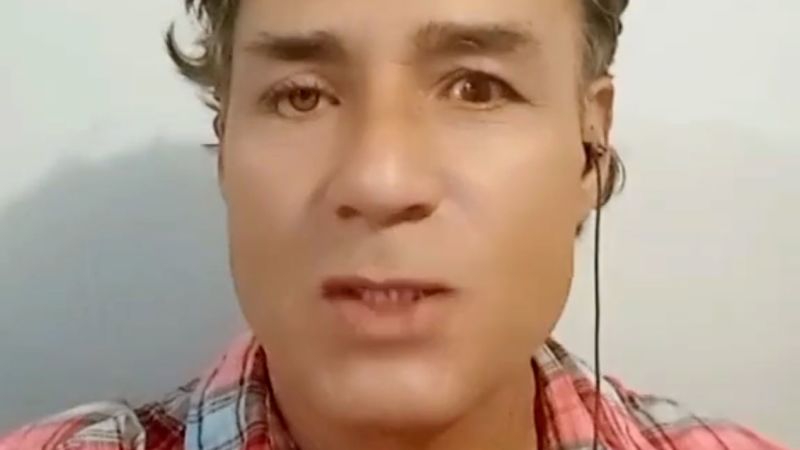
A Mexican journalist reporting on drug cartels was found dead on a highway with a note accusing him of spreading false accusations, highlighting the ongoing dangers faced by journalists in Mexico, which is considered one of the most dangerous countries for press freedom.
A Mexican journalist covering drug trafficking, Miguel Angel Beltran, was murdered, with a message left next to his body accusing him of spreading false accusations. His death highlights the ongoing violence and impunity faced by journalists in Mexico, especially those reporting on drug cartels.
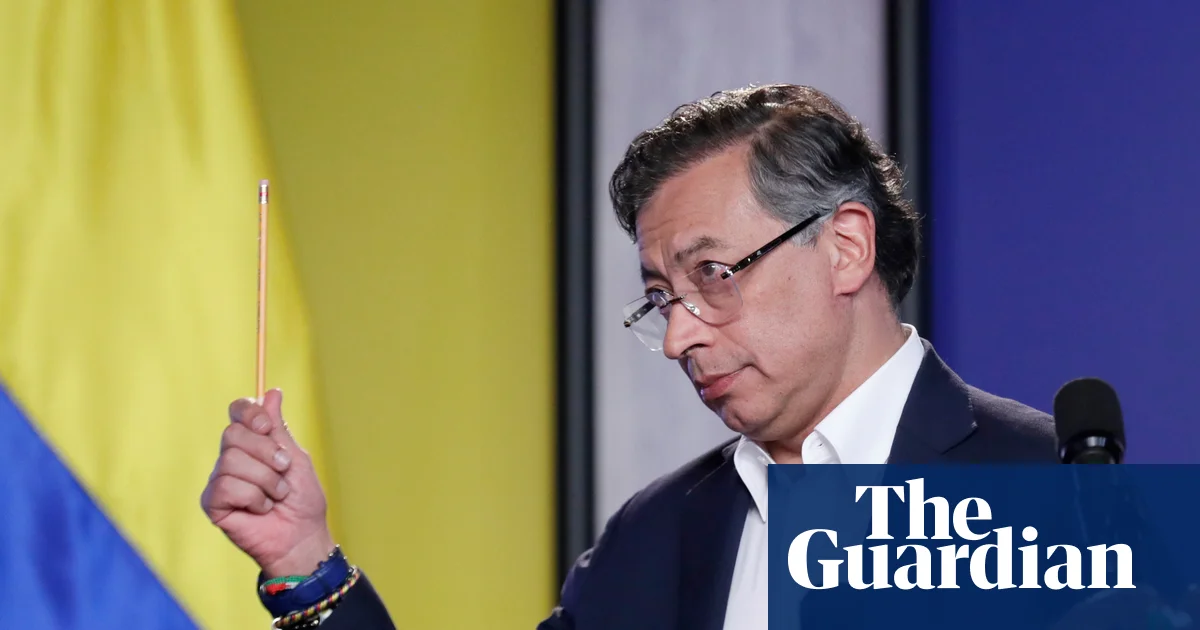
The US has imposed sanctions on Colombian President Gustavo Petro and his family, accusing him of allowing drug cartels to flourish, amidst his criticisms of US policies and actions in Colombia. Petro denies the allegations, citing efforts to reduce coca cultivation, and condemns US actions as arbitrary and illegal. The sanctions include asset freezes and travel bans, marking a rare move against a sitting head of state.
The US, under President Trump, sanctioned Colombian President Gustavo Petro after Petro accused the US of killing an innocent fisherman in a drone strike targeting drug boats, leading to suspension of aid to Colombia and adding Petro to a list of foreign leaders sanctioned by the US.
The US has imposed sanctions on Colombian President Petro and his family over drug cartel links, marking a rare move against a sitting leader and highlighting ongoing tensions related to Colombia's drug industry and Petro's criticisms of US military and foreign policies. Petro responded by condemning the sanctions and reaffirming his stance against drug trafficking and US interventions.
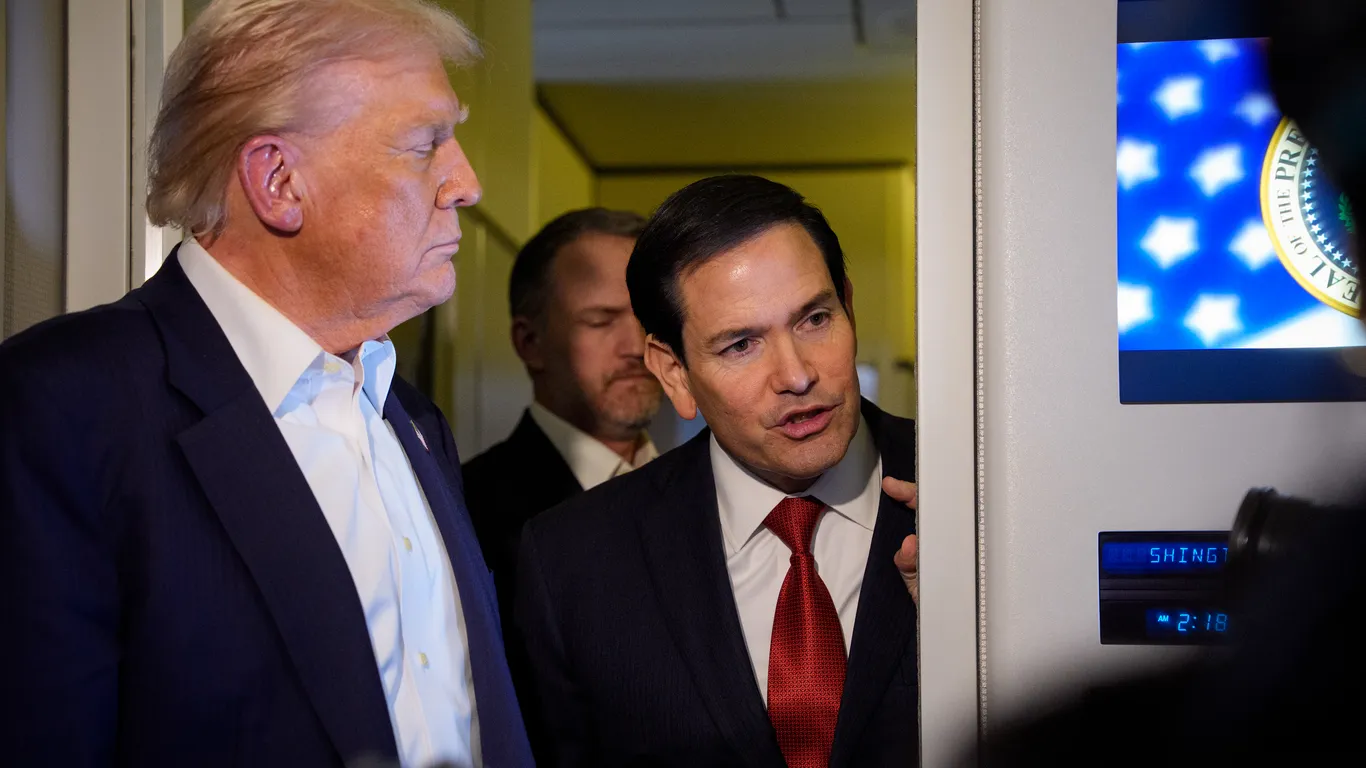
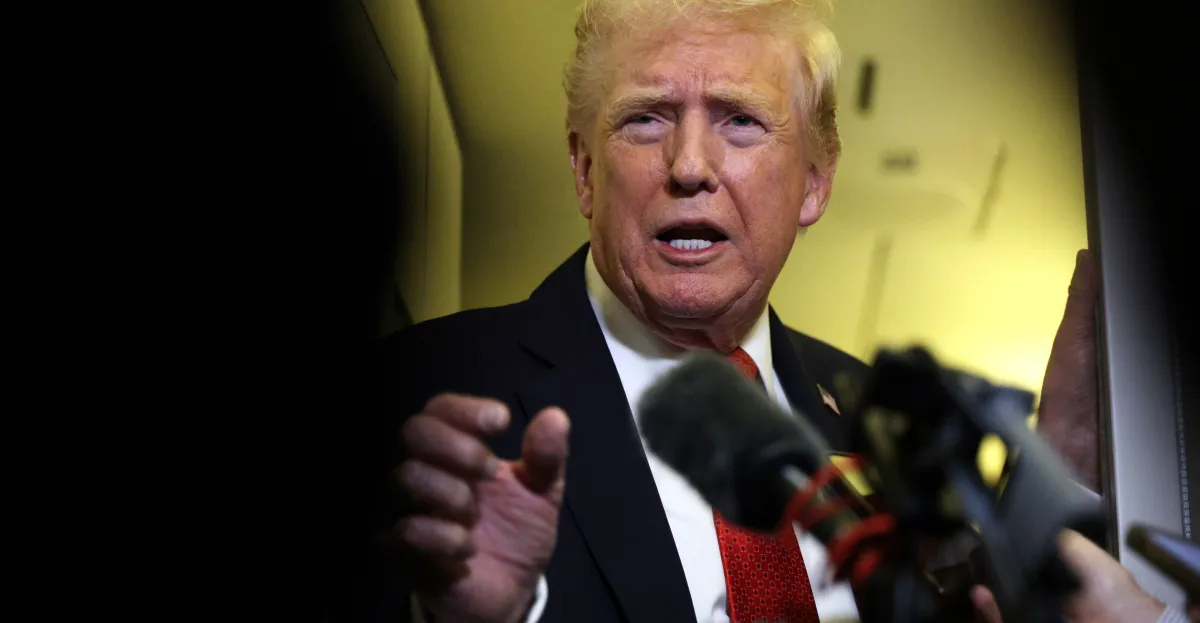
President Trump announced he will bypass Congress to carry out military strikes against drug cartels, expanding operations from sea to land, and emphasized killing traffickers rather than seeking a declaration of war.
President Donald Trump expressed a desire to target Venezuelan drug cartels with military strikes without seeking a formal declaration of war from Congress, stating he would 'kill them' and emphasizing operational secrecy amid legal and bipartisan concerns about the legality and oversight of such actions.