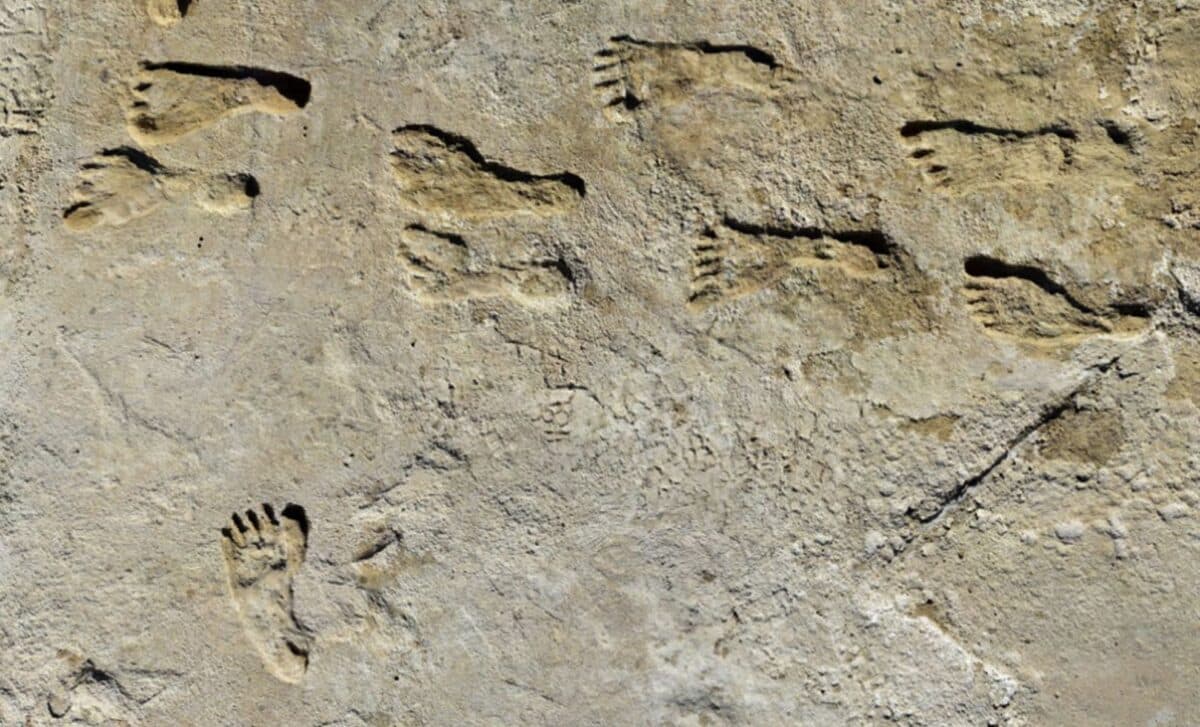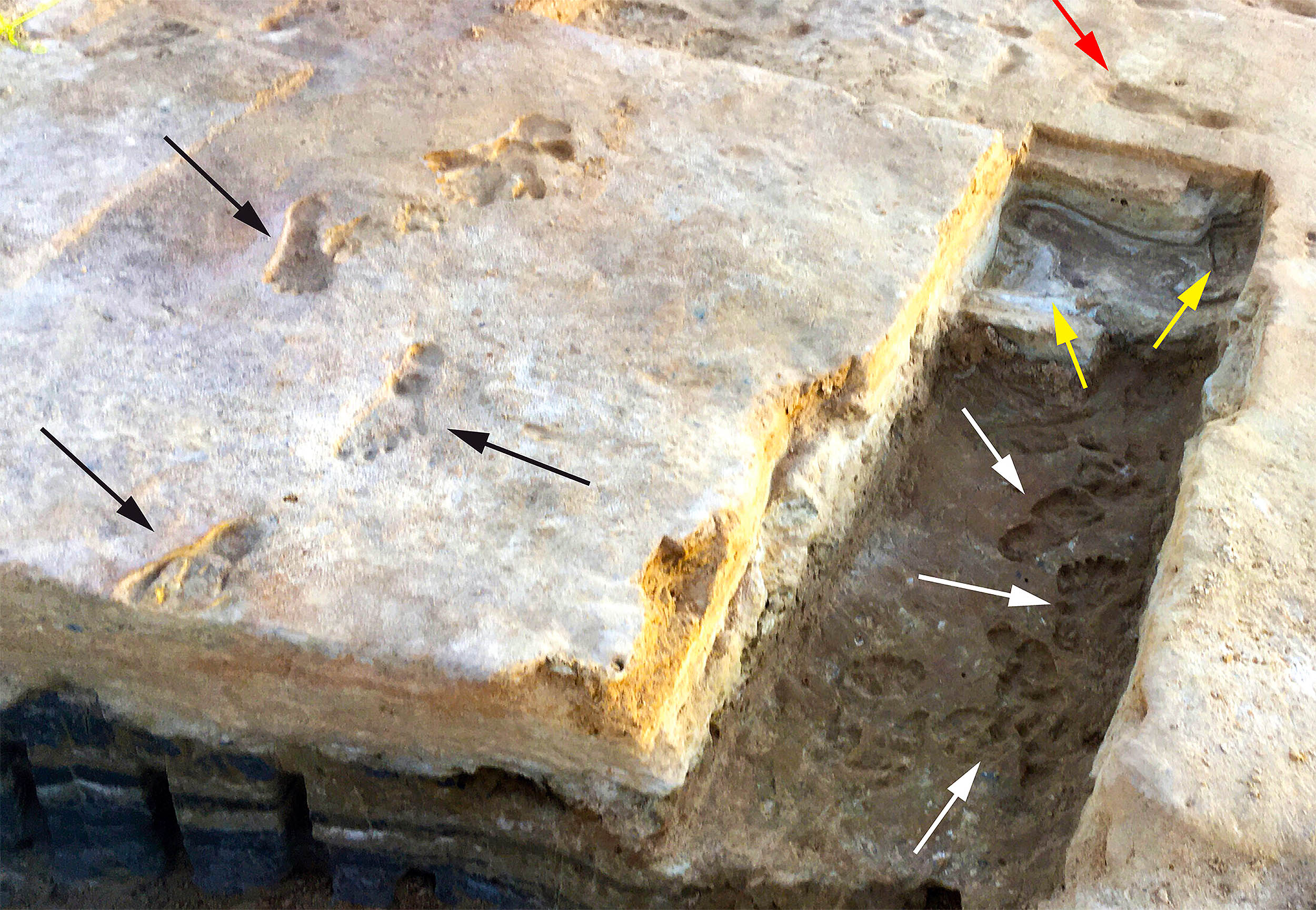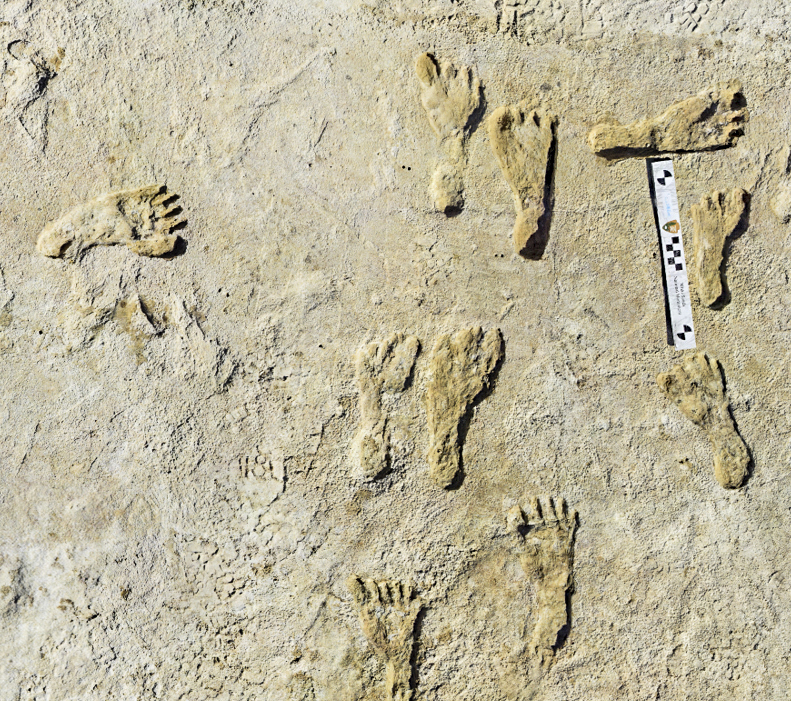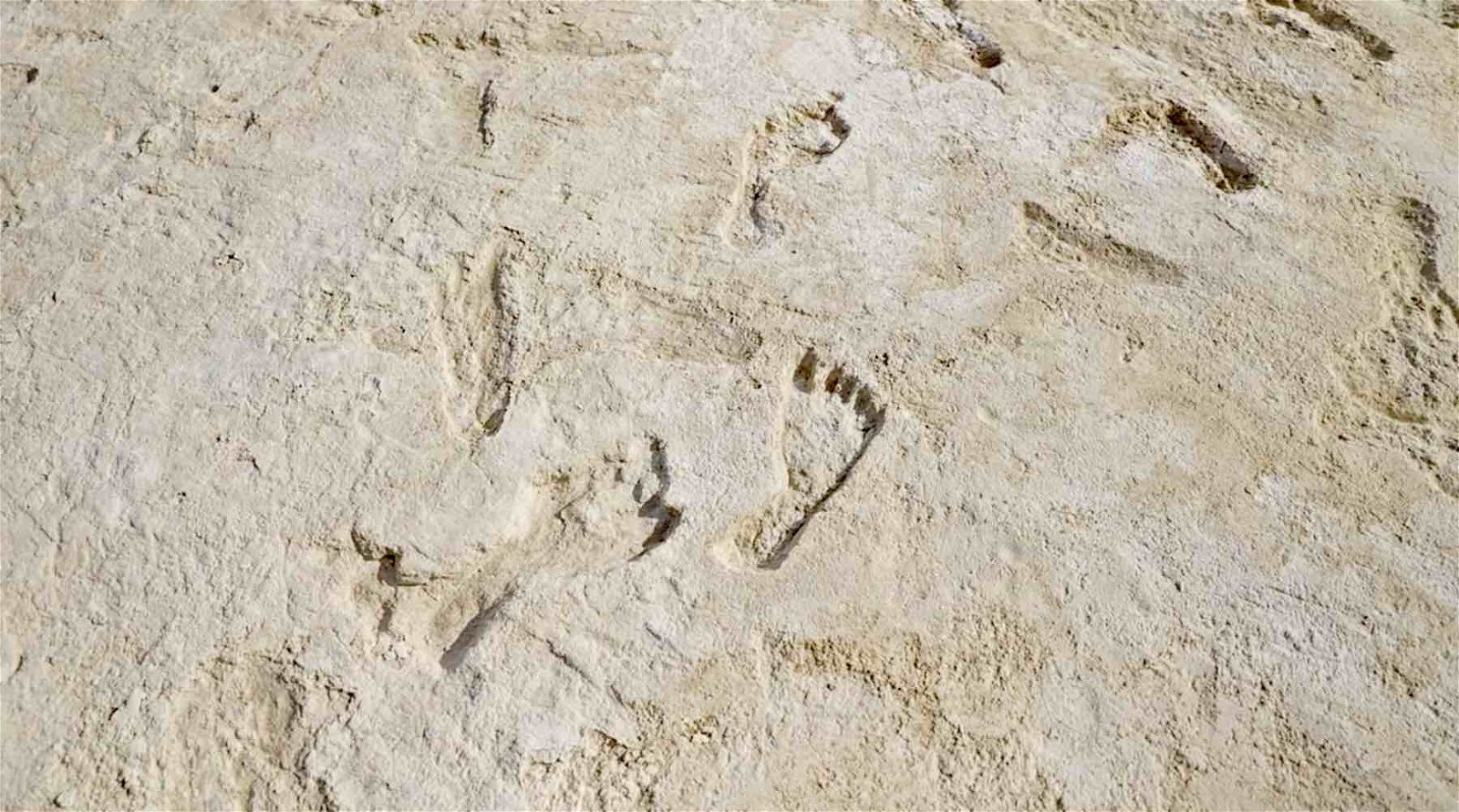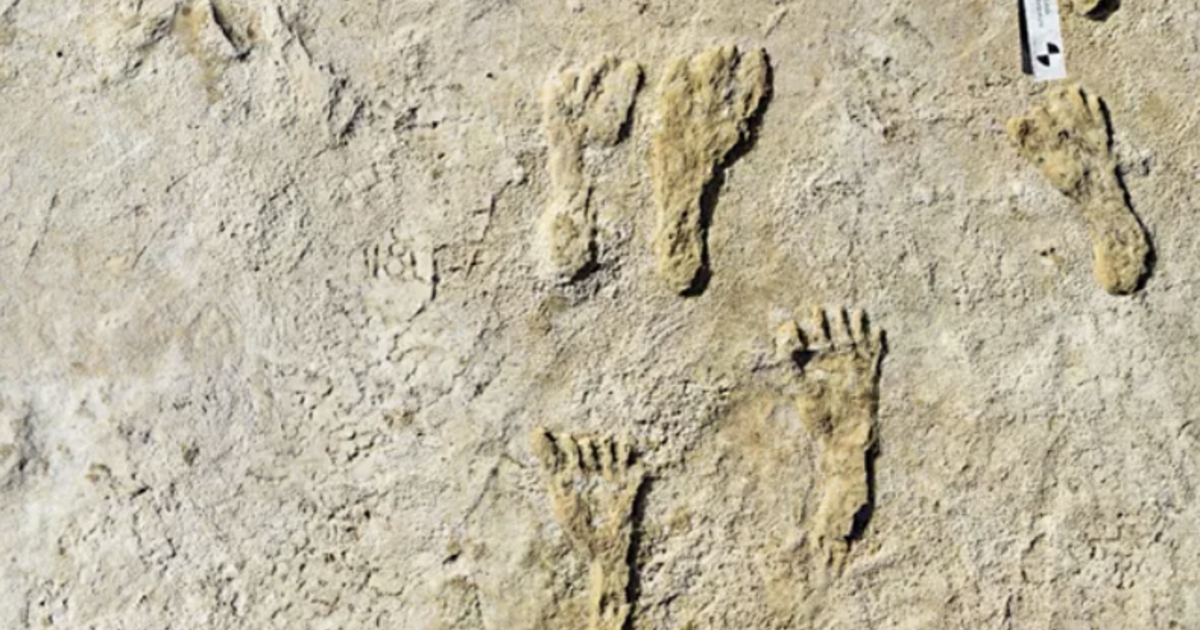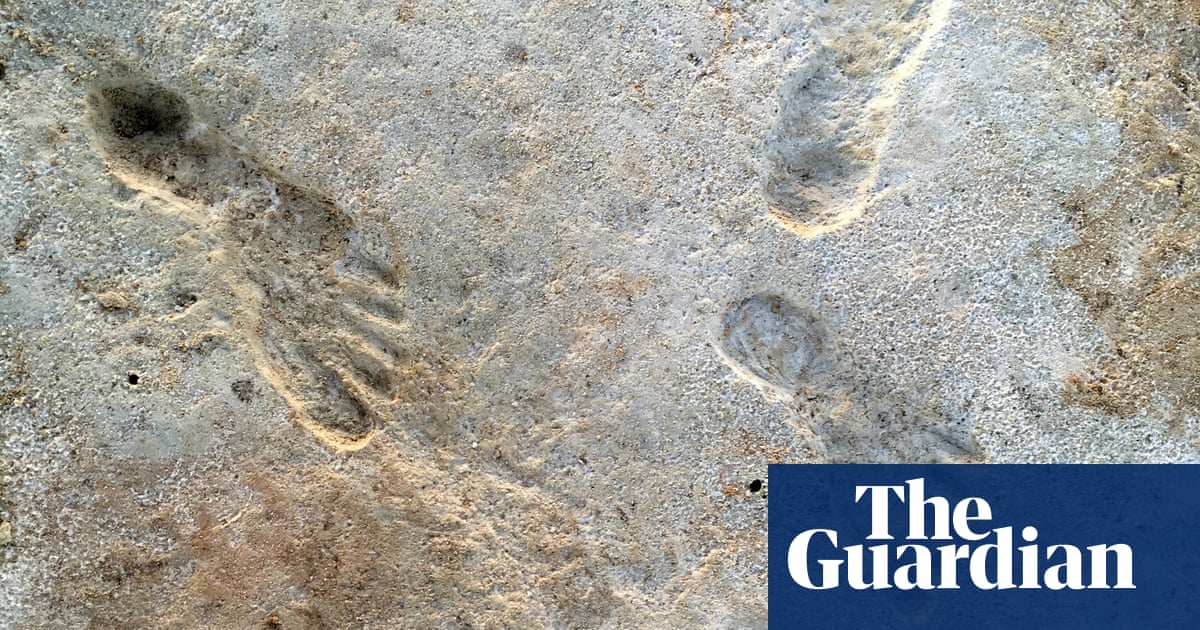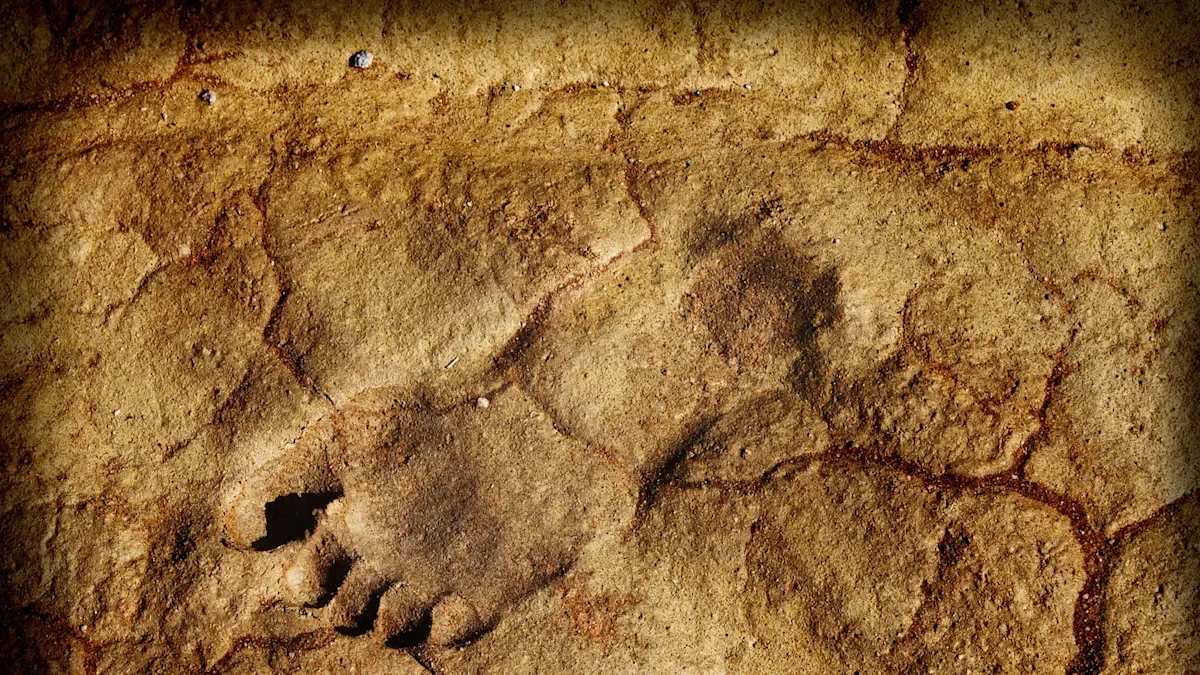
Scientists discovered the oldest known human footprints in North America at White Sands National Park, dating back 23,000 to 21,000 years, challenging previous timelines and suggesting early human presence during the Last Glacial Maximum. The footprints, mainly of teenagers and children, provide insights into daily life and are under threat from erosion.
Archaeologists have discovered 23,000-year-old human footprints at White Sands National Park in New Mexico, challenging previous timelines of human arrival in North America and revealing detailed scenes of early human life alongside megafauna during the Ice Age.
Analysis of tree pollen trapped in ancient sand at White Sands National Park in New Mexico by Bay Area scientists supports the claim that humans thrived in North America as early as 23,000 years ago, challenging the previous assumption that people arrived from Asia around 14,000 years ago. The pollen, found alongside ghostly human footprints, provides evidence that these early settlers behaved similarly to modern humans, carrying children, hunting for food, and slipping in mud. The study's findings were confirmed by a second technique called optically stimulated luminescence, further solidifying the evidence of early human presence in North America.
New research confirms that fossil human footprints found at White Sands National Park in New Mexico are between 21,000 and 23,000 years old, extending the timeline for the earliest human arrivals to North America. The findings challenge the previously accepted belief that humans arrived in the Americas around 13,000 years ago. The confirmation was achieved through two independent research approaches, including radiocarbon dating and optically stimulated luminescence dating. The footprints provide evidence of human presence during the Last Glacial Maximum and suggest that humans lived alongside North American megafauna species for thousands of years before their extinction.
Fossilized footprints found at White Sands National Park in New Mexico, initially dated using radiocarbon dating, have been confirmed to be 21,000 to 23,000 years old through multiple lines of evidence. Concerns about the accuracy of the original dating method were addressed by using radiocarbon dating of conifer pollen and optically stimulated luminescence. The results provide strong support for the presence of humans in North America during the Last Glacial Maximum and shed light on the environmental conditions of the time.
Scientists have confirmed that fossilized footprints found in New Mexico's White Sands National Park are between 21,000 and 23,000 years old, indicating that humans existed in North America much earlier than previously believed. The researchers used multiple lines of evidence, including radiocarbon dating of seeds and conifer pollen, as well as optically stimulated luminescence dating of quartz grains, to establish the age range. This discovery challenges the previous belief that humans arrived in North America around 13,500 to 16,000 years ago.
Fossil human footprints discovered in New Mexico's White Sands national park have been confirmed as the oldest direct evidence of human presence in the Americas, dating back between 21,000 and 23,000 years ago. The findings challenge the previous belief that humans arrived in the Americas only a few thousand years before rising sea levels covered the Bering land bridge. The study used multiple lines of evidence, including ancient conifer pollen and quartz grains, to support the older date range. The footprints provide a clear indication of human presence and offer valuable insights into the peopling of the Americas.