Tag

Last Glacial Maximum

All articles tagged with #last glacial maximum

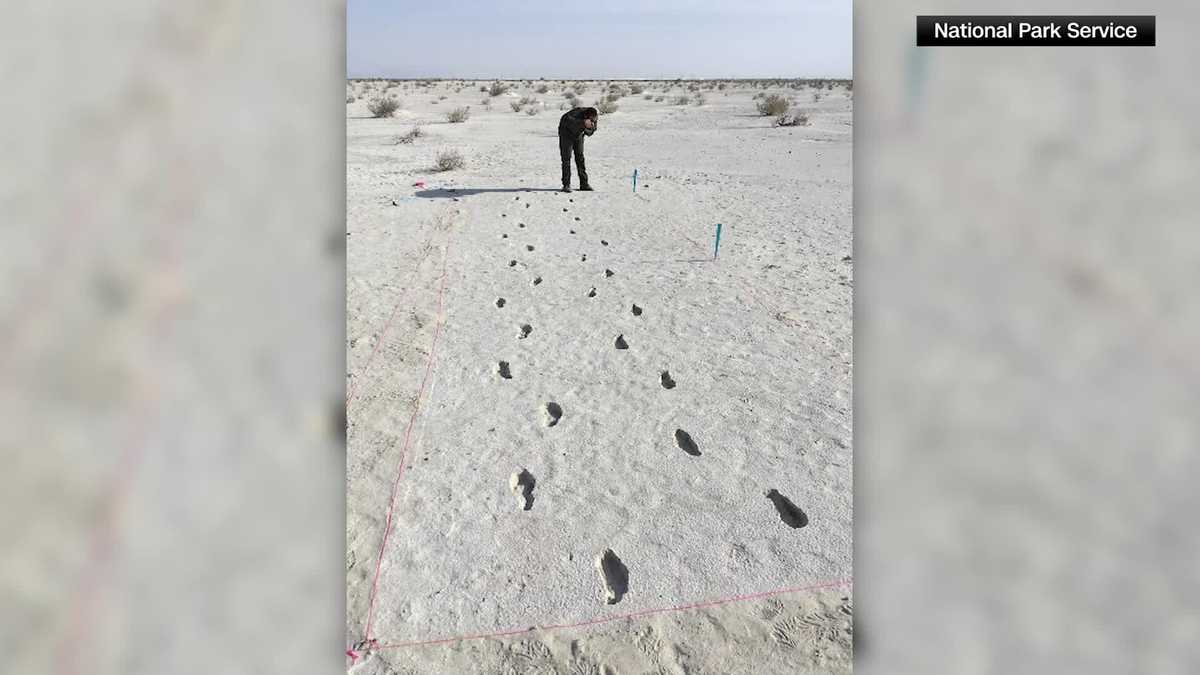
Scientists Uncover Oldest Human Footprints in New Mexico

Originally Published 11 days ago — by The Daily Galaxy

Featured image for Scientists Uncover Oldest Human Footprints in New Mexico
Source: The Daily Galaxy

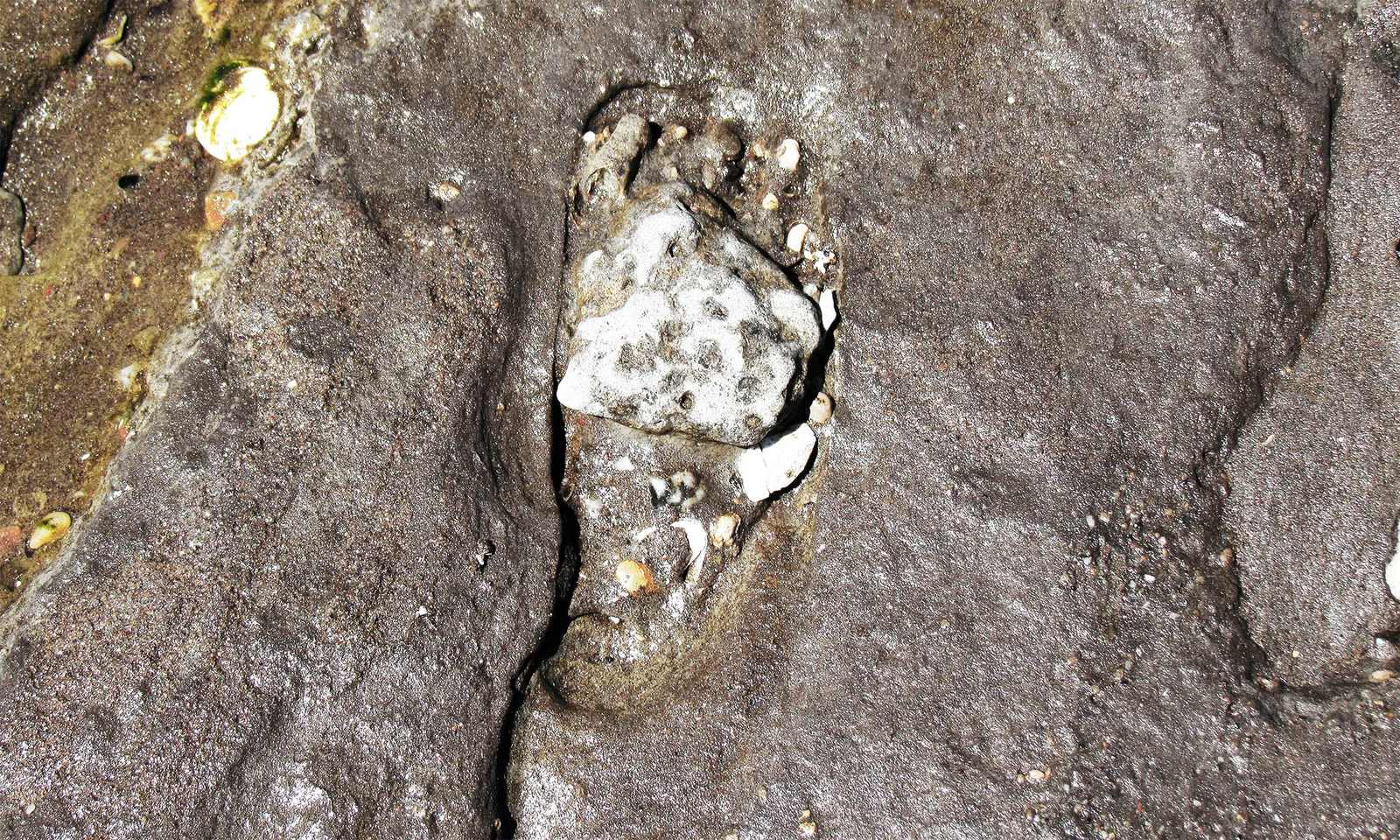
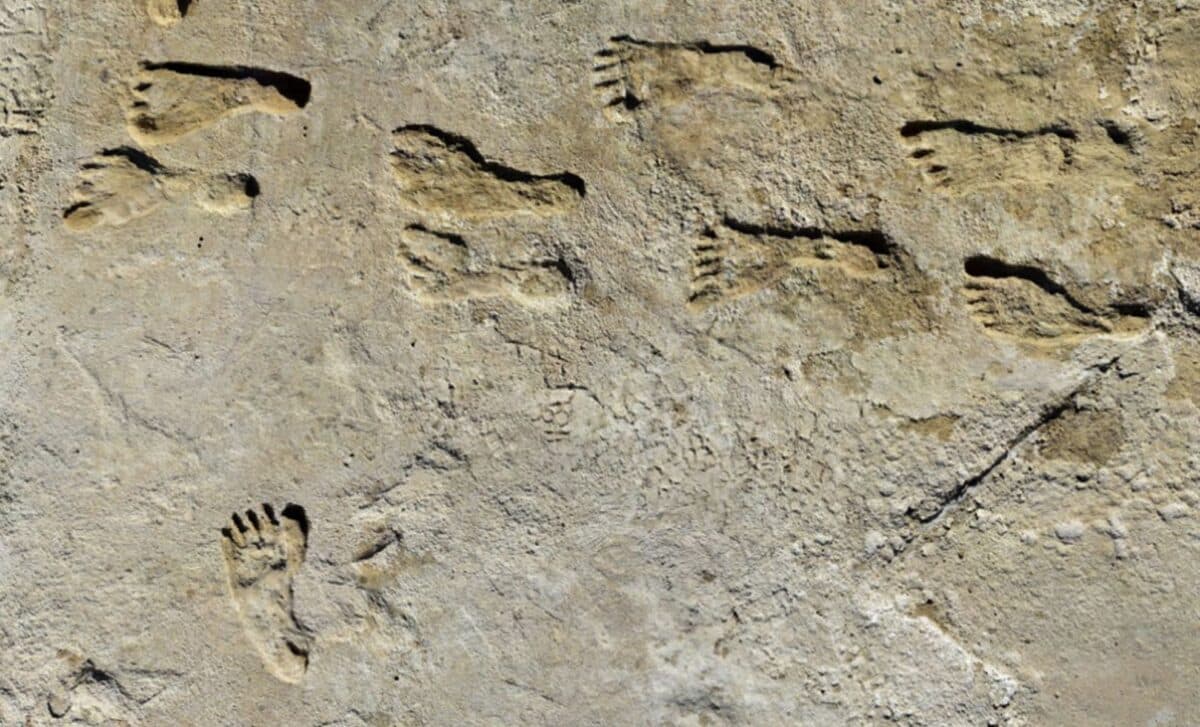
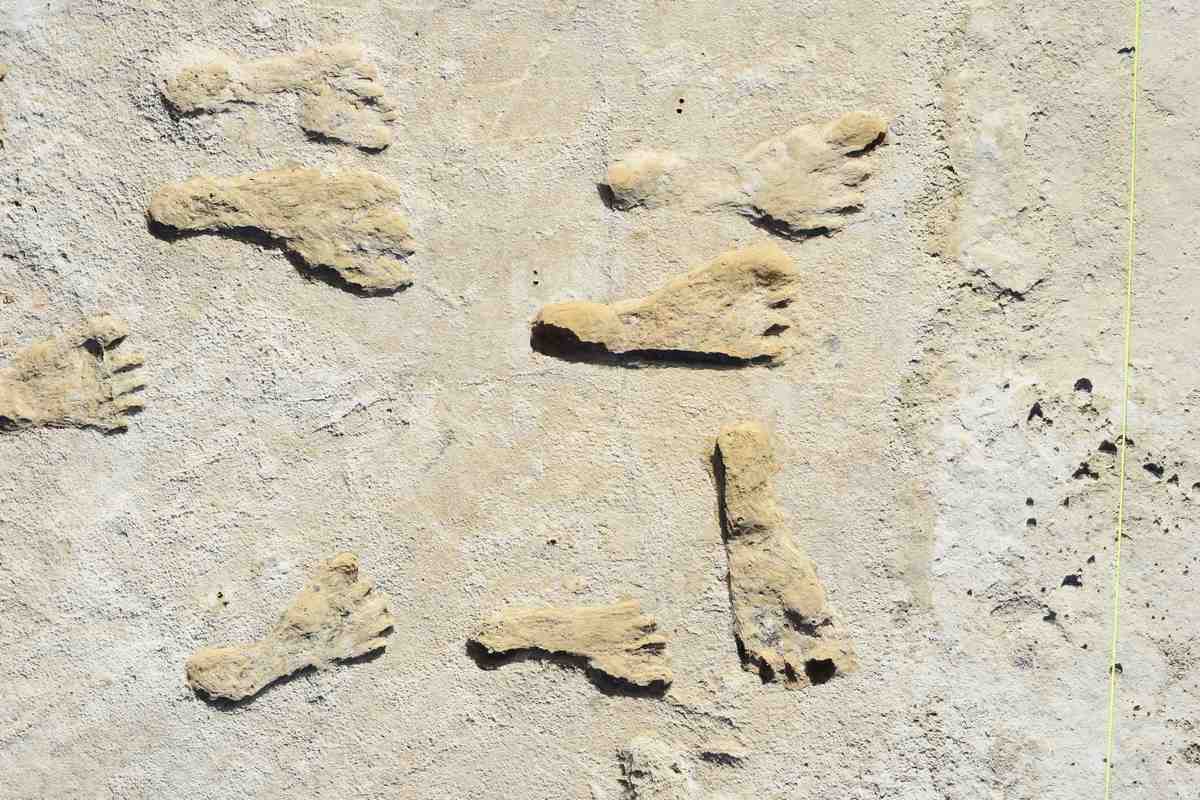
Scientists discovered the oldest known human footprints in North America at White Sands National Park, dating back 23,000 to 21,000 years, challenging previous timelines and suggesting early human presence during the Last Glacial Maximum. The footprints, mainly of teenagers and children, provide insights into daily life and are under threat from erosion.

Ice Age Humans Crafted Mammoth Bone Dwellings in Ukraine 18,000 Years Ago

Originally Published 19 days ago — by Live Science

Featured image for Ice Age Humans Crafted Mammoth Bone Dwellings in Ukraine 18,000 Years Ago
Source: Live Science

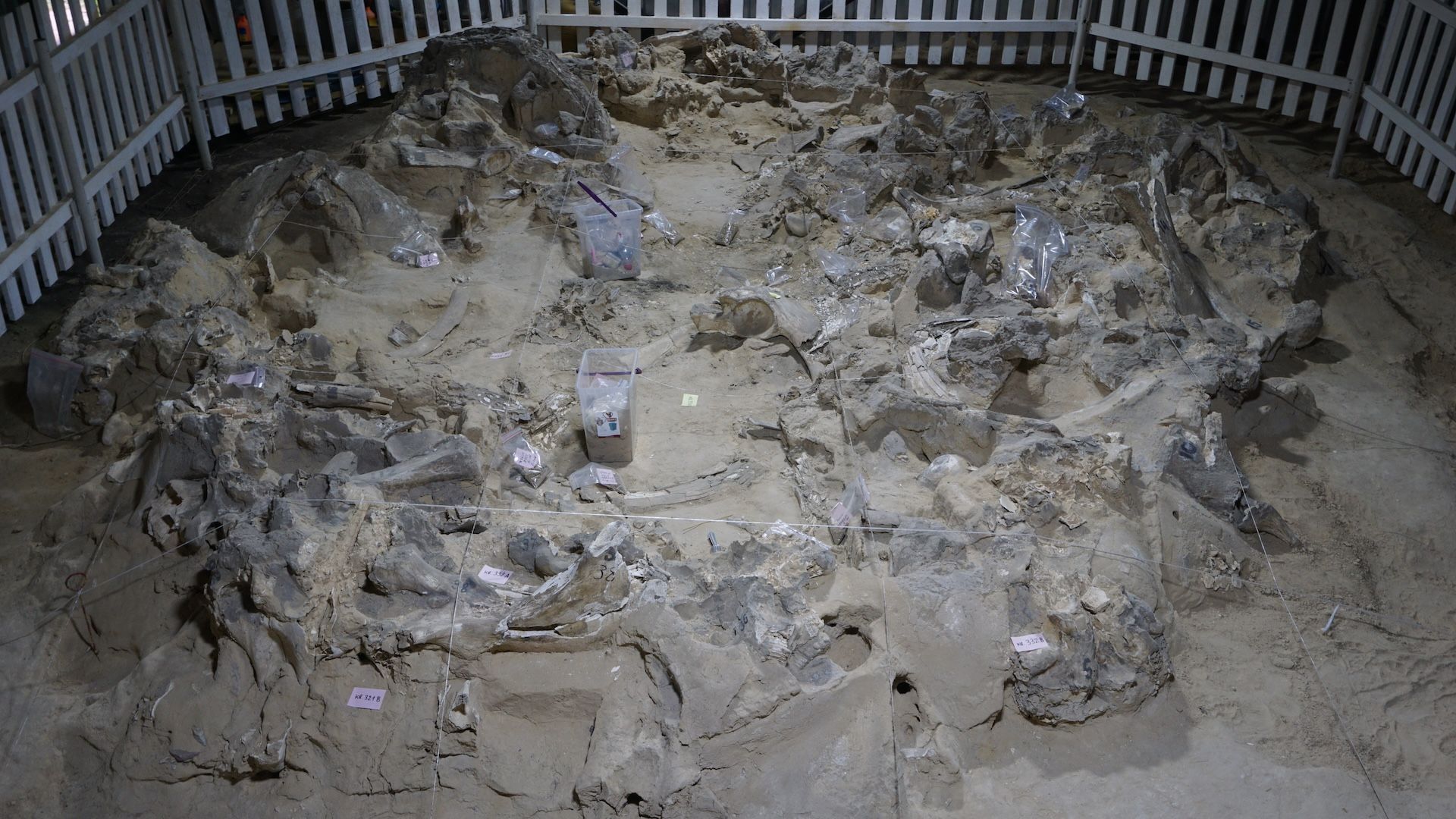
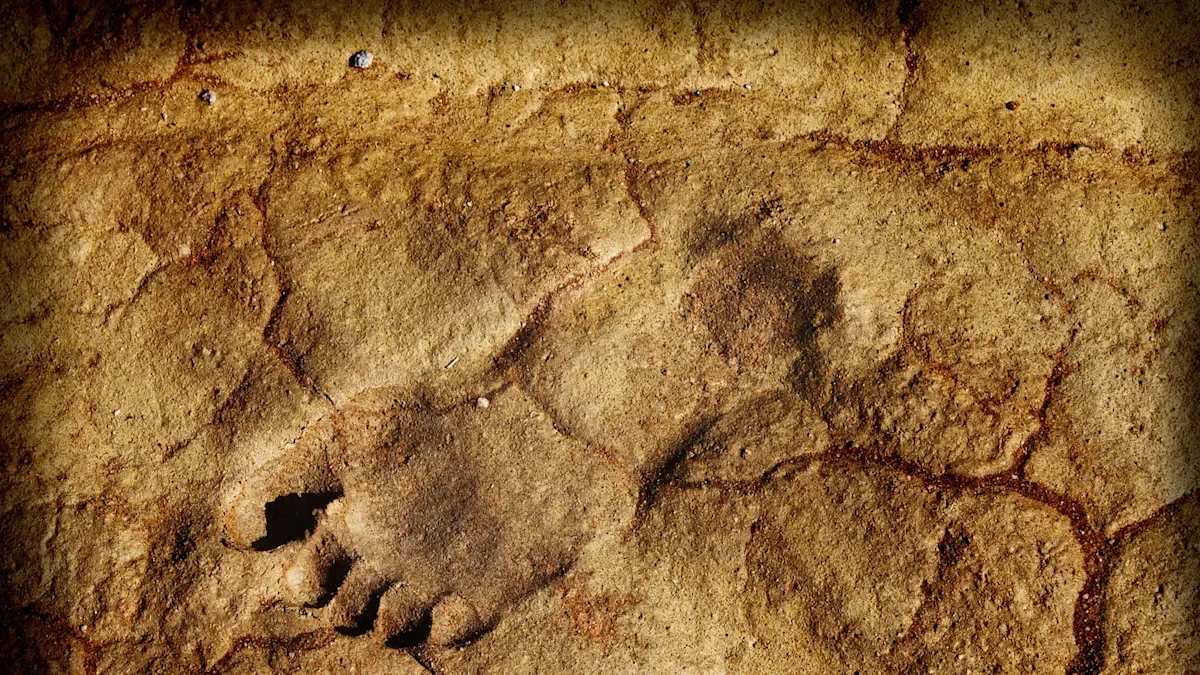
Around 18,000 years ago in Ukraine, ice age humans built shelters using mammoth bones, which served as practical survival structures during the harsh climate following the Last Glacial Maximum, with some structures possibly used for up to 429 years.

New Evidence Confirms Early Human Arrival in the Americas

Originally Published 2 years ago — by KSBW Monterey

Featured image for New Evidence Confirms Early Human Arrival in the Americas
Source: KSBW Monterey

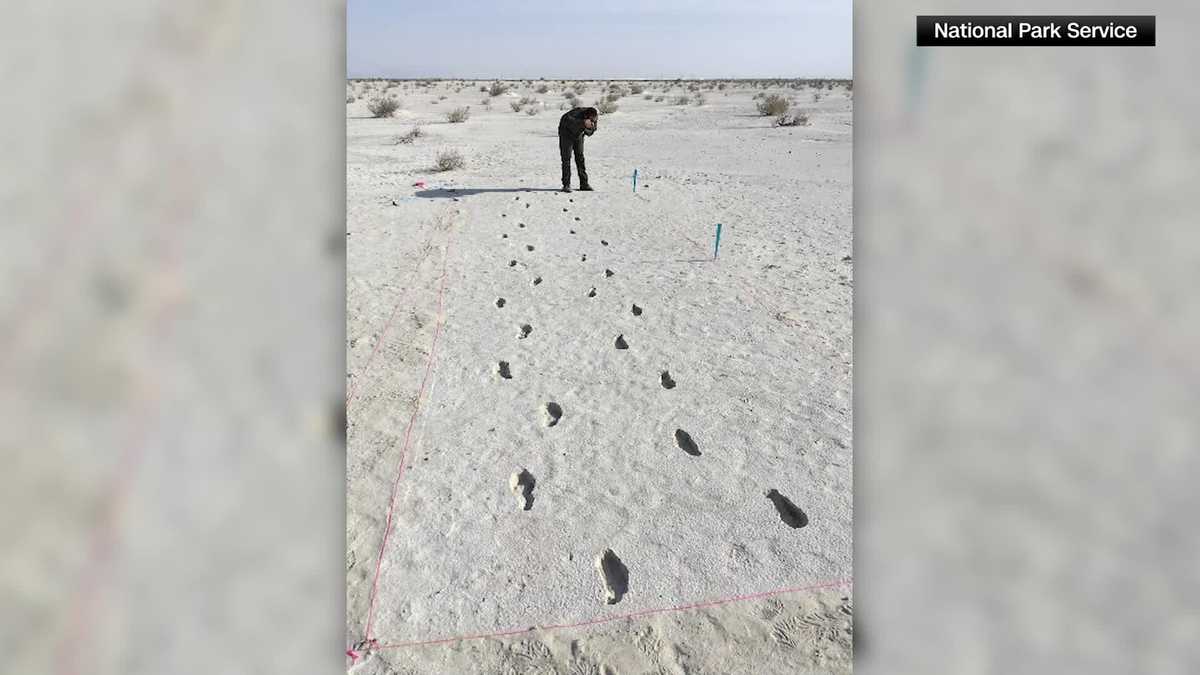
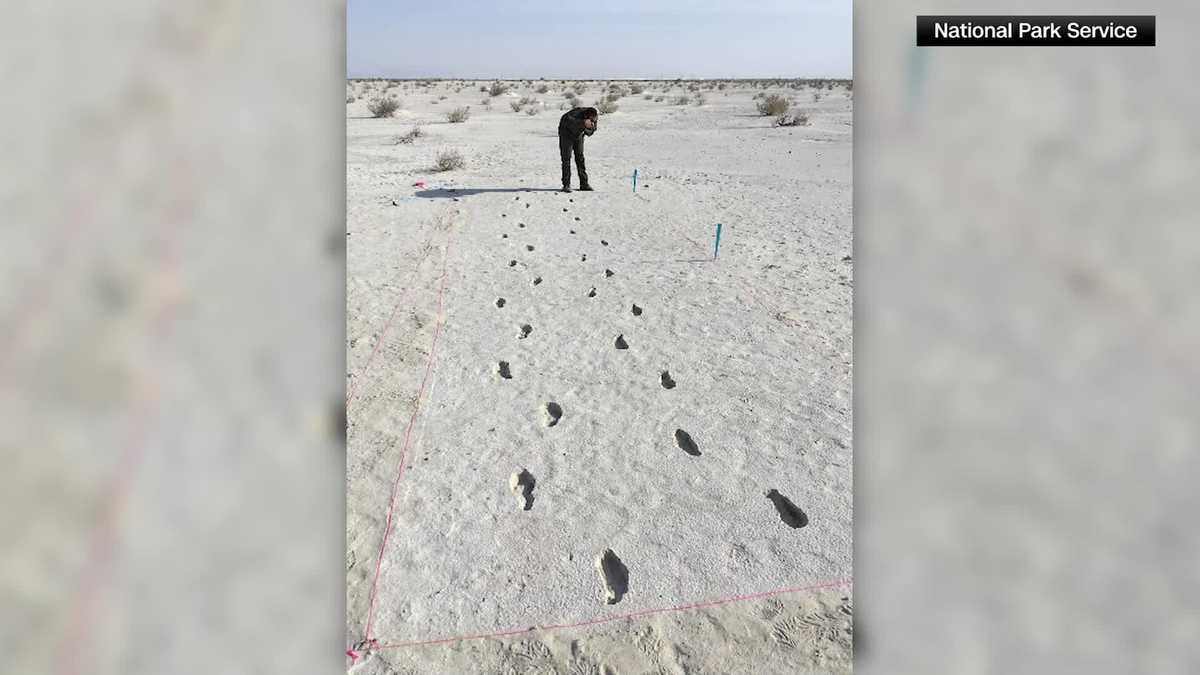
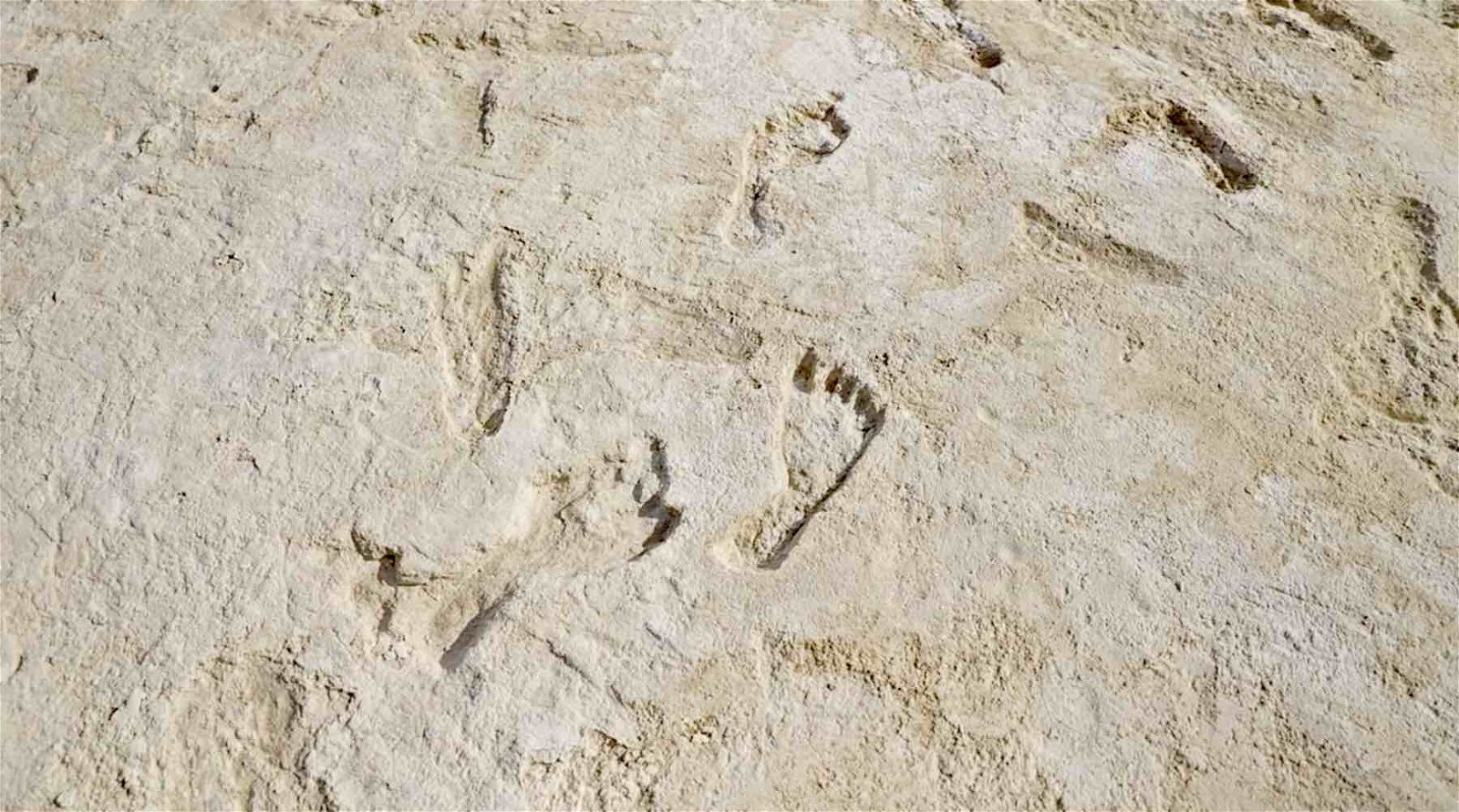
New research has provided further evidence that humans arrived in the Americas much earlier than previously thought. Fossilized footprints found in New Mexico, dating back 21,000 to 23,000 years ago, have been confirmed through radiocarbon dating of preserved seeds. The footprints challenge the belief that massive ice sheets prevented human passage into North America during that time. Skeptics had questioned the initial findings, but a follow-up study used multiple lines of evidence, including radiocarbon dating of conifer pollen and optically stimulated luminescence, to support the original dates. The study suggests a human presence in the Americas around the Last Glacial Maximum, between 19,000 and 26,000 years ago.

New Evidence Confirms Early Human Arrival in the Americas

Originally Published 2 years ago — by WGAL Susquehanna Valley Pa.

Featured image for New Evidence Confirms Early Human Arrival in the Americas
Source: WGAL Susquehanna Valley Pa.

New research provides further evidence that humans arrived in the Americas much earlier than previously thought. Fossilized footprints found in New Mexico, dating back 21,000 to 23,000 years ago, have been confirmed through radiocarbon dating of preserved seeds. The discovery pushes back the timeline of human history in the Americas and suggests that humans arrived in the region even earlier than previously believed. The study used multiple lines of evidence, including radiocarbon dating of conifer pollen and optically stimulated luminescence, to support the initial dates. The findings indicate a human presence in the Americas during the Last Glacial Maximum, a period when massive ice sheets covered North America. The exact migration route and the number of populations that made the journey remain unknown.

"Groundbreaking Discovery: Humans Reached the Americas Much Earlier Than Believed"

Originally Published 2 years ago — by WVTM13 Birmingham

Featured image for "Groundbreaking Discovery: Humans Reached the Americas Much Earlier Than Believed"
Source: WVTM13 Birmingham

New research has provided further evidence that humans arrived in the Americas much earlier than previously thought. Fossilized footprints found in New Mexico, dating back 21,000 to 23,000 years ago, have been confirmed through radiocarbon dating of preserved seeds. The footprints challenge the belief that massive ice sheets prevented human passage into North America during that time. Skeptics had questioned the initial findings, but a follow-up study using conifer pollen and optically stimulated luminescence dating techniques supports the original dates. The study suggests a human presence in the Americas around the Last Glacial Maximum, between 19,000 and 26,000 years ago.

New Evidence Confirms Early Human Arrival in the Americas

Originally Published 2 years ago — by 4029tv

Featured image for New Evidence Confirms Early Human Arrival in the Americas
Source: 4029tv

New research has provided further evidence that humans arrived in the Americas much earlier than previously thought. Fossilized footprints found in New Mexico, dating back 21,000 to 23,000 years ago, have been confirmed through radiocarbon dating of preserved seeds. The footprints challenge the belief that massive ice sheets prevented human passage into North America during that time. Skeptics had questioned the initial findings, but a follow-up study using conifer pollen and optically stimulated luminescence dating techniques supports the original dates. The study suggests a human presence in the Americas around the Last Glacial Maximum, between 19,000 and 26,000 years ago.

New Evidence Confirms Early Human Arrival in the Americas

Originally Published 2 years ago — by WESH 2 Orlando

Featured image for New Evidence Confirms Early Human Arrival in the Americas
Source: WESH 2 Orlando

New research has provided further evidence that humans arrived in the Americas much earlier than previously thought. Fossilized footprints found in New Mexico, dating back 21,000 to 23,000 years ago, have been confirmed through radiocarbon dating of preserved seeds. The footprints challenge the belief that massive ice sheets prevented human passage into North America during that time. Skeptics had questioned the initial findings, but a follow-up study used multiple lines of evidence, including radiocarbon dating of conifer pollen and optically stimulated luminescence, to support the original dates. The study suggests a human presence in the Americas around the Last Glacial Maximum, between 19,000 and 26,000 years ago.

Ancient Footprints Unearthed in North America, Dating Back 20,000+ Years

Originally Published 2 years ago — by Good News Network

Featured image for Ancient Footprints Unearthed in North America, Dating Back 20,000+ Years
Source: Good News Network

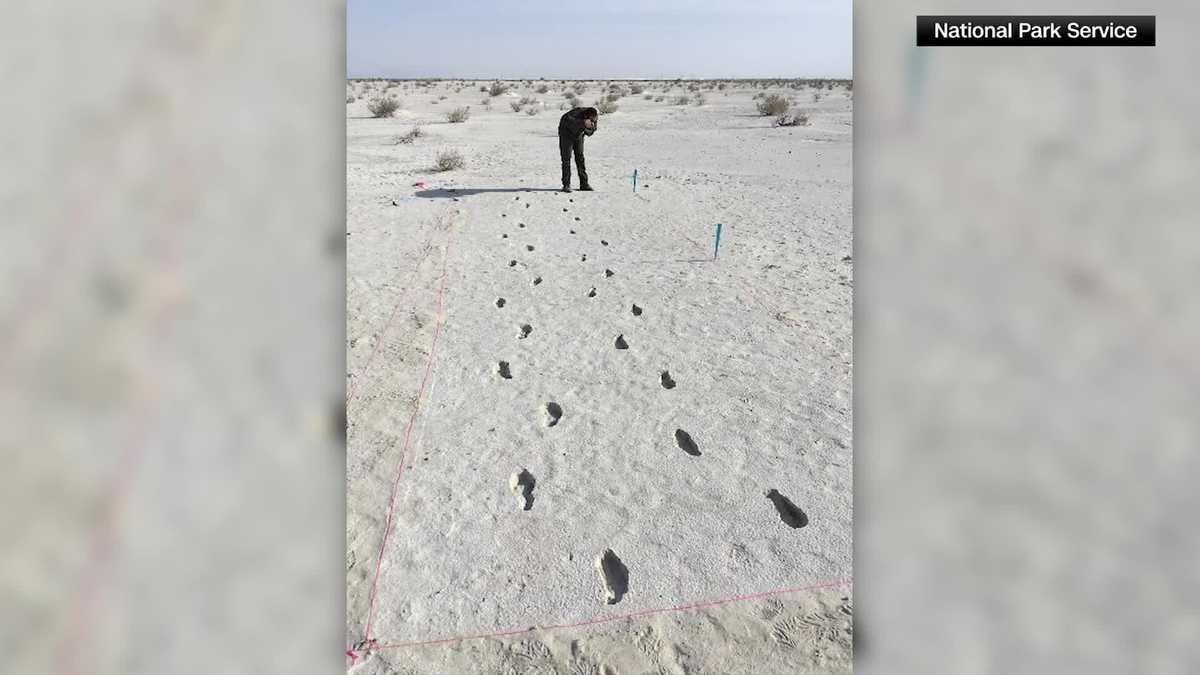
A new study using a different dating method has confirmed that fossilized human footprints found in White Sands, New Mexico are at least 21,000 years old, pushing back the timeline of human presence in North America during the Last Glacial Maximum. The study used radiocarbon dating of conifer pollen, which provided statistically identical ages to the original seed dating. Additionally, optically stimulated luminescence dating of quartz grains further supported the radiocarbon results. The footprints, which include those of a female and a toddler, suggest a division of labor among early humans, with teenagers and children responsible for "fetching and carrying" tasks.

Revised Timeline: Oldest Human Footprints in North America Rewrite History

Originally Published 2 years ago — by The Debrief

Featured image for Revised Timeline: Oldest Human Footprints in North America Rewrite History
Source: The Debrief

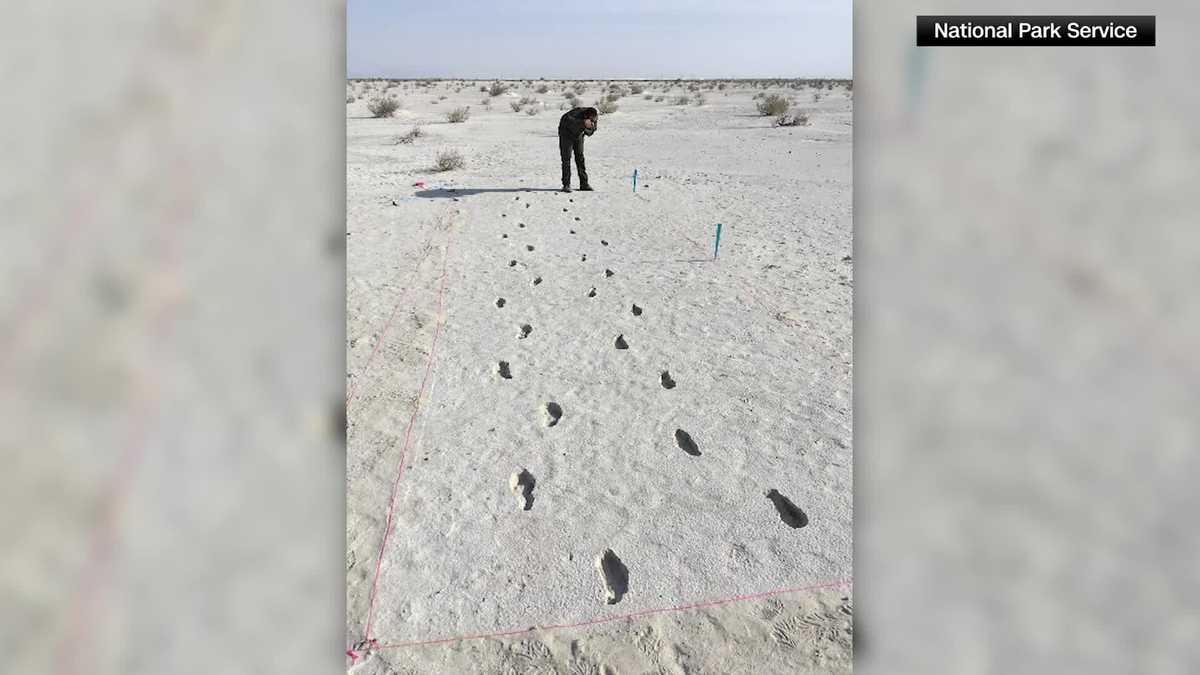
New research confirms that fossil human footprints found at White Sands National Park in New Mexico are between 21,000 and 23,000 years old, extending the timeline for the earliest human arrivals to North America. The findings challenge the previously accepted belief that humans arrived in the Americas around 13,000 years ago. The confirmation was achieved through two independent research approaches, including radiocarbon dating and optically stimulated luminescence dating. The footprints provide evidence of human presence during the Last Glacial Maximum and suggest that humans lived alongside North American megafauna species for thousands of years before their extinction.

"New Mexico's Ancient Footprints Rewrite Early Human History in North America"

Originally Published 2 years ago — by SciTechDaily

Featured image for "New Mexico's Ancient Footprints Rewrite Early Human History in North America"
Source: SciTechDaily

Fossilized footprints found at White Sands National Park in New Mexico, initially dated using radiocarbon dating, have been confirmed to be 21,000 to 23,000 years old through multiple lines of evidence. Concerns about the accuracy of the original dating method were addressed by using radiocarbon dating of conifer pollen and optically stimulated luminescence. The results provide strong support for the presence of humans in North America during the Last Glacial Maximum and shed light on the environmental conditions of the time.

"Breakthrough Discovery: Oldest Human Footprints in North America Date Back 21,500 Years"

Originally Published 2 years ago — by ScienceAlert

Featured image for "Breakthrough Discovery: Oldest Human Footprints in North America Date Back 21,500 Years"
Source: ScienceAlert

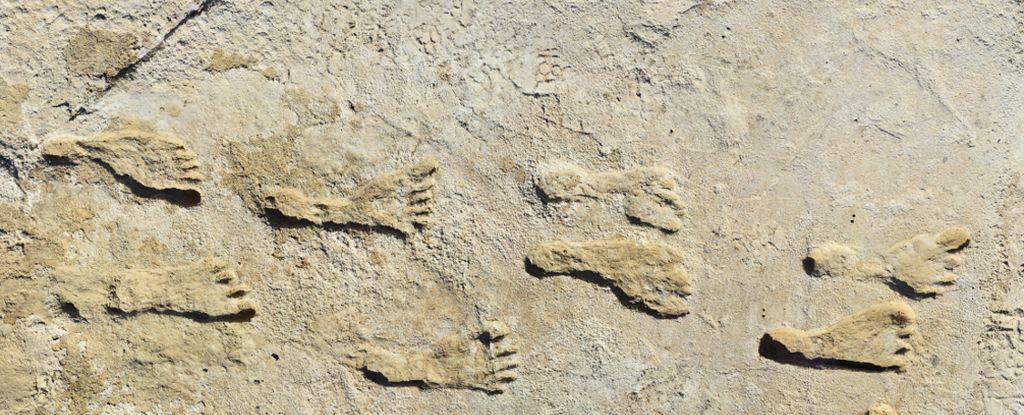
New research has confirmed that the oldest human footprints in North America, found in White Sands, New Mexico, are at least 21,500 years old. The dating was performed using radiocarbon dating of seeds and conifer pollen, as well as optically stimulated luminescence dating of quartz. The results provide strong evidence that humans were present in North America during the Last Glacial Maximum, shedding light on the history of human migration and habitation on the continent.