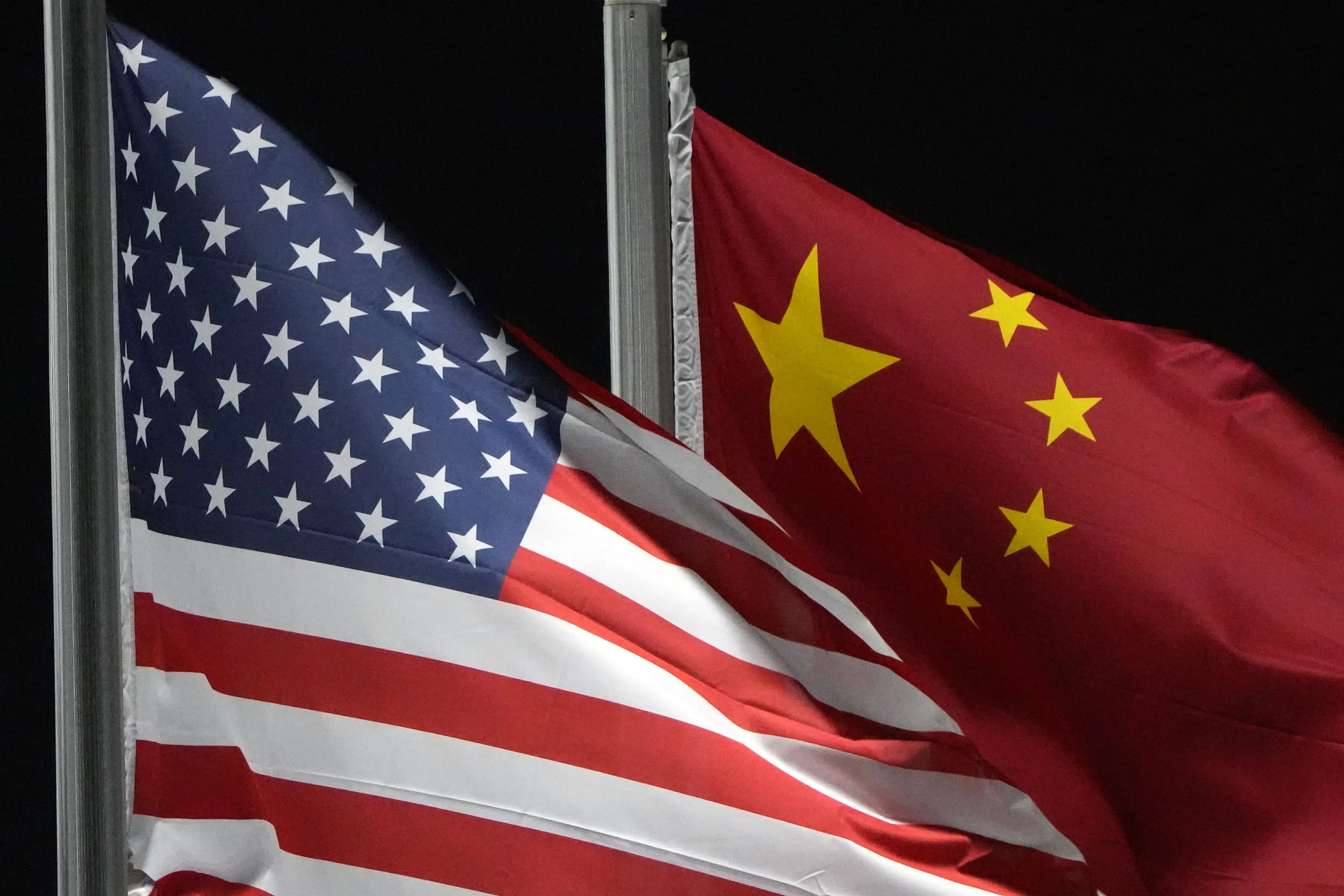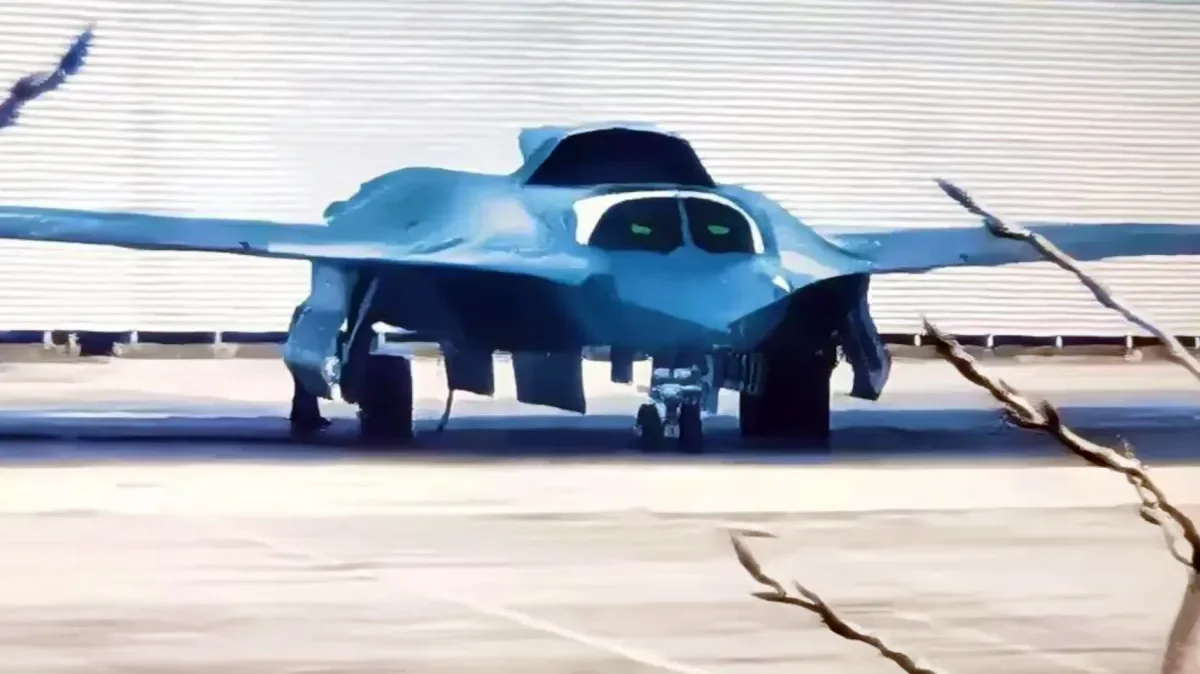
China has rapidly expanded its military capabilities, unveiling numerous new weapons and advanced systems, raising concerns about whether U.S. intelligence can effectively track and analyze these developments amidst the global strategic competition, with experts highlighting both the challenges and the capabilities of the U.S. intelligence community.
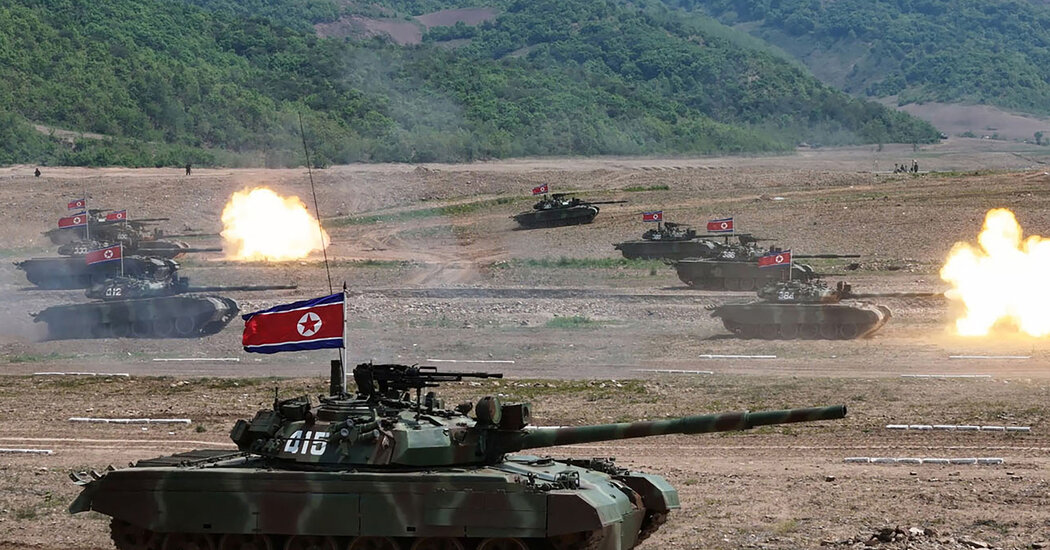
North Korea has significantly upgraded its military capabilities through increased cooperation with Russia, receiving advanced weapons, technology, and training, which could destabilize the regional balance of power.
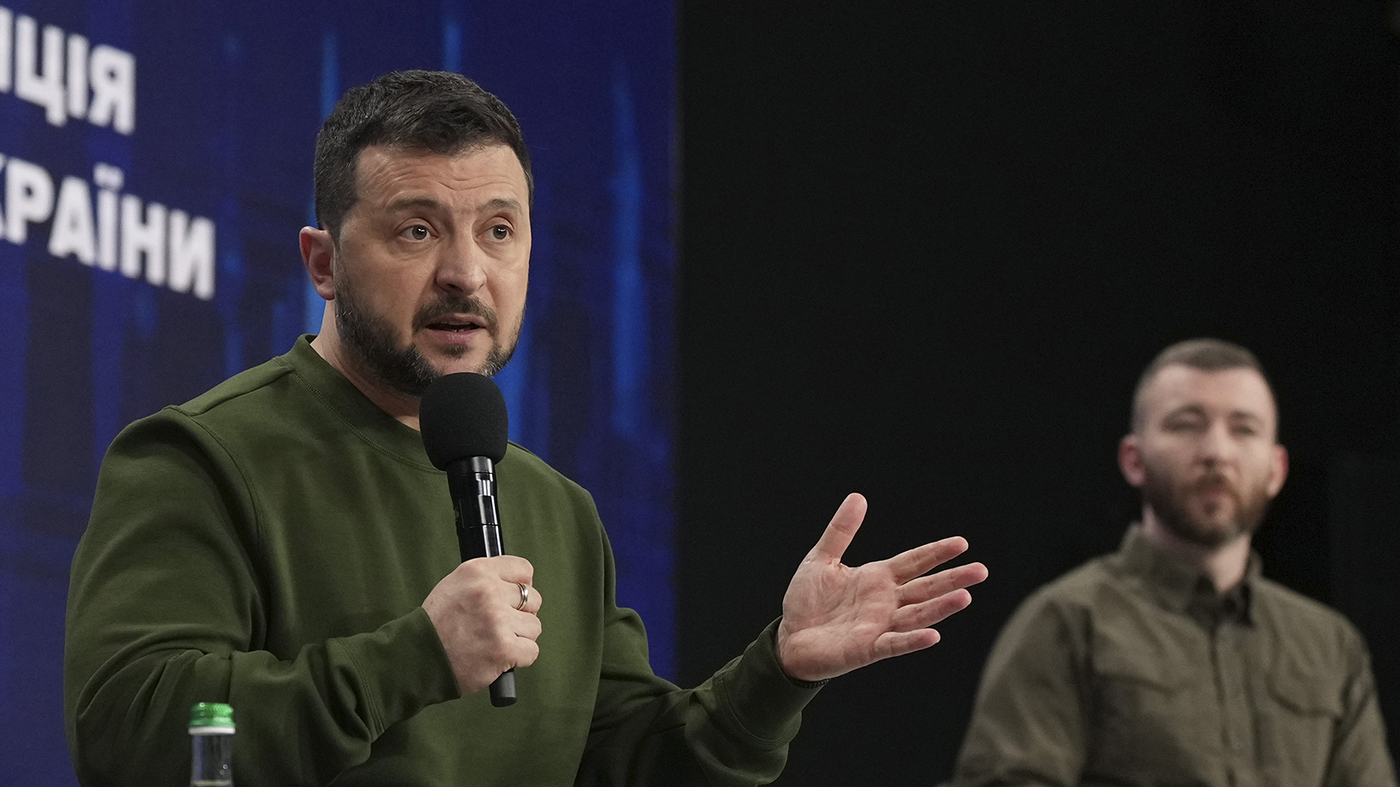
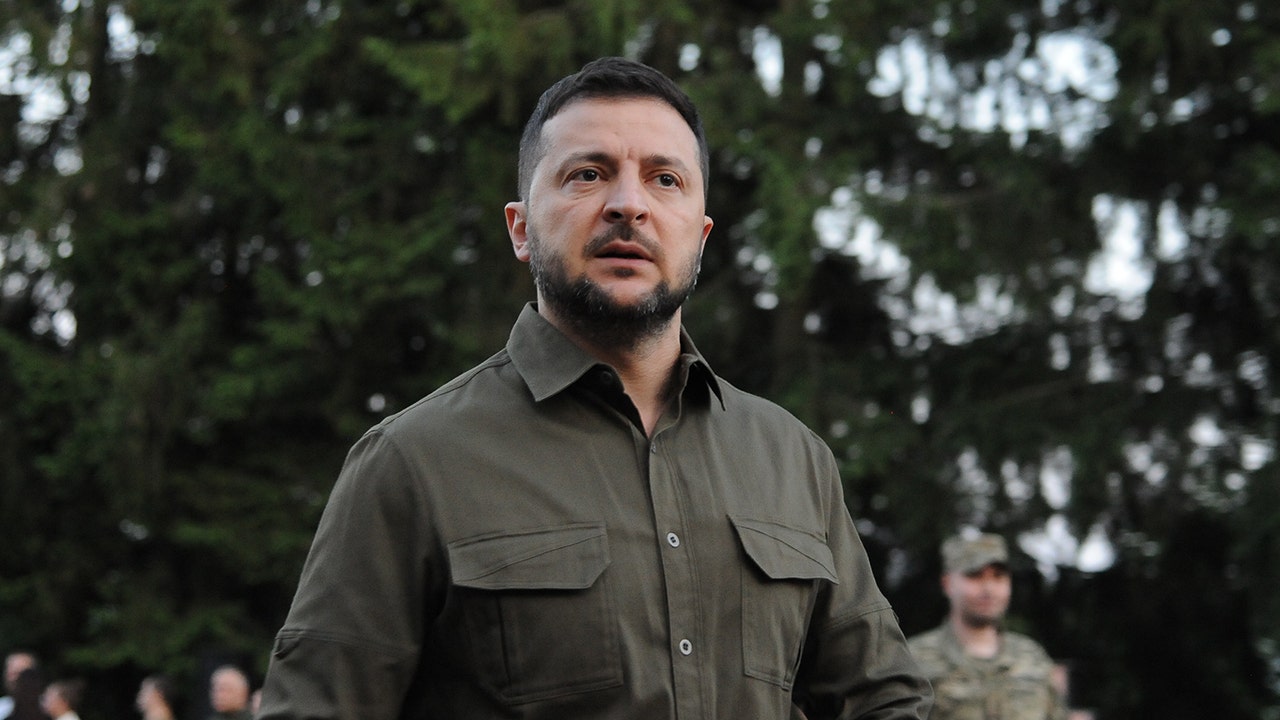
Ukrainian President Zelensky stated that Ukraine is relying on combined protection against Russian guided aerial bombs and is developing its own weapons to counter Russian aircraft. He emphasized the need to increase the number of long-range anti-aircraft defense systems and mentioned the impending arrival of F-16 fighter jets to improve the situation. However, he noted that their quantity will be insufficient for complete protection, prompting Ukraine to develop its own weaponry for this purpose.
Ukrainian President Zelenskyy revealed that at least 31,000 Ukrainian troops have been killed since Russia's invasion two years ago, emphasizing the urgent need for weapons and ammunition to defend against Russian forces. With concerns about delayed military aid and a $61 billion aid package held up by congressional Republicans, Ukraine is working to develop its own weapons industry and seeking support from NATO members and European leaders. Defense Minister Rustem Umerov highlighted the deadly consequences of delayed aid, while Minister of Strategic Industries Oleksandr Kamyshin discussed Ukraine's progress in developing weapons and drones despite limited funding.
Air Force and Space Force leaders announced significant changes including the reorientation of major commands, the creation of new commands and ranks, and a focus on combat readiness and weapons development. The changes aim to enhance readiness and gain a warfighting edge in the face of increasing great power competition with China. These changes include the establishment of new commands such as the Integrated Capabilities Command and the Space Force Futures Command, as well as the reorganization of operational wings and the creation of new combat squadrons. Additionally, the reorganization will involve the establishment of new offices to centralize oversight of capability development and a focus on preparing Airmen for a more expeditionary future.
The Israel Defense Forces (IDF) announced that they killed Moshen Abu Zina, the head of Hamas' Weapons and Industries, in an airstrike targeting terrorist tunnels beneath Gaza City. Israeli forces have surrounded Gaza City, where Hamas has built an extensive network of underground tunnels. Thousands of Palestinian civilians have fled the northern Gaza Strip, while others remain in Gaza City, including at the main Al Shifa hospital, which the IDF alleges is Hamas' main base of military operations. UN officials and G7 nations are calling for a humanitarian pause in the hostilities, as the civilian death toll rises and basic supplies run out. Israel's offensive is in response to a Hamas terror attack in southern Israel, and their stated intention is to wipe out Hamas.
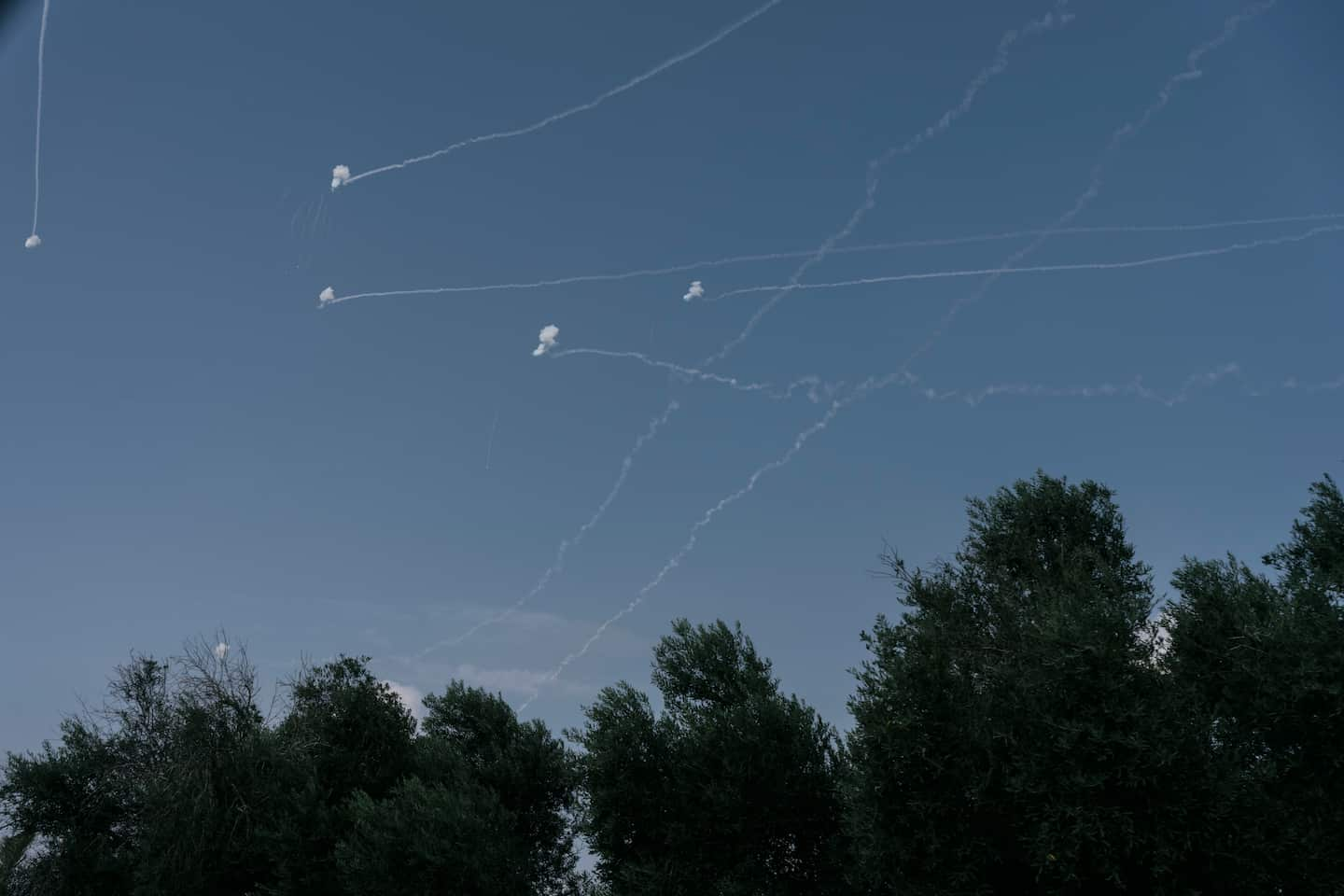
As the Gaza crisis escalates, experts are concerned that Hamas may unveil a deadly surprise, potentially including advanced weapons that they have been working on for years. Hamas has already used self-detonating drones based on the designs of a deceased aerospace engineer, and they are believed to possess more advanced weaponry in hidden arsenals. Analysts warn that Hamas may be waiting for an Israeli ground assault to deploy these weapons, potentially including undersea drones or large missiles with precision-guidance systems. Hamas's enhanced capabilities are largely attributed to support from Iran, which has provided training and technology to Palestinian groups. Israeli officials are taking action to counter the threat, but the recent attacks have exposed intelligence failures and the vulnerability of Israel's defensive systems.
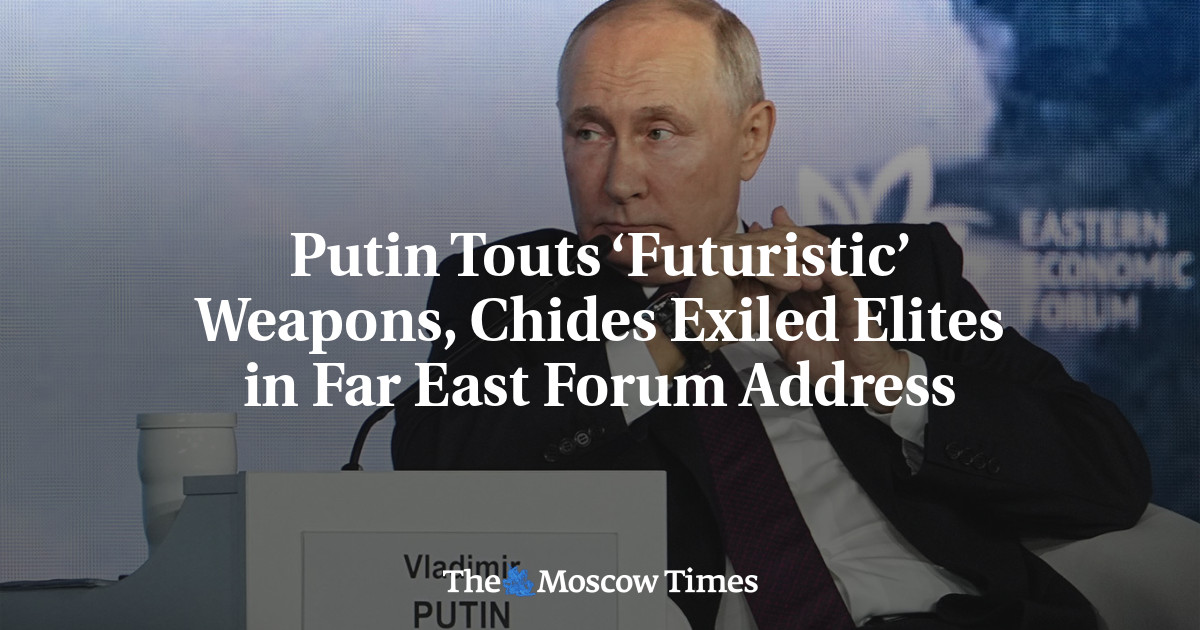
Russian President Vladimir Putin addressed a range of topics at the Eastern Economic Forum in Vladivostok, including Russia's development of "weapons based on new physical principles" and the ongoing conflict in Ukraine. Putin claimed that Ukrainian forces had suffered significant losses and blamed Ukraine for refusing to negotiate an end to the conflict. He also sought to alleviate concerns about expropriation of private enterprises and criticized exiled elites, including his former aide Anatoly Chubais and tech billionaire Arkady Volozh. Putin defended former US President Donald Trump and denied a rift in Russia's relations with Armenia.
Ukrainian President Volodymr Zelenskyy announced that Ukraine has developed weapons technology capable of striking targets up to 400 miles away, following a bombardment of strikes deep into Russian territory. The attacks on several regions in Russia, including an airport near the border with Estonia and Latvia, damaged military transport planes and destroyed a fuel depot and a microelectronics factory. Ukrainian officials have not taken credit for the attacks, but Ukraine's Minister of Digital Transformation has confirmed the production of drones capable of such strikes. The long-range warfare has given momentum to Ukraine's military strategy, which had previously struggled to make progress in reclaiming invaded territory.
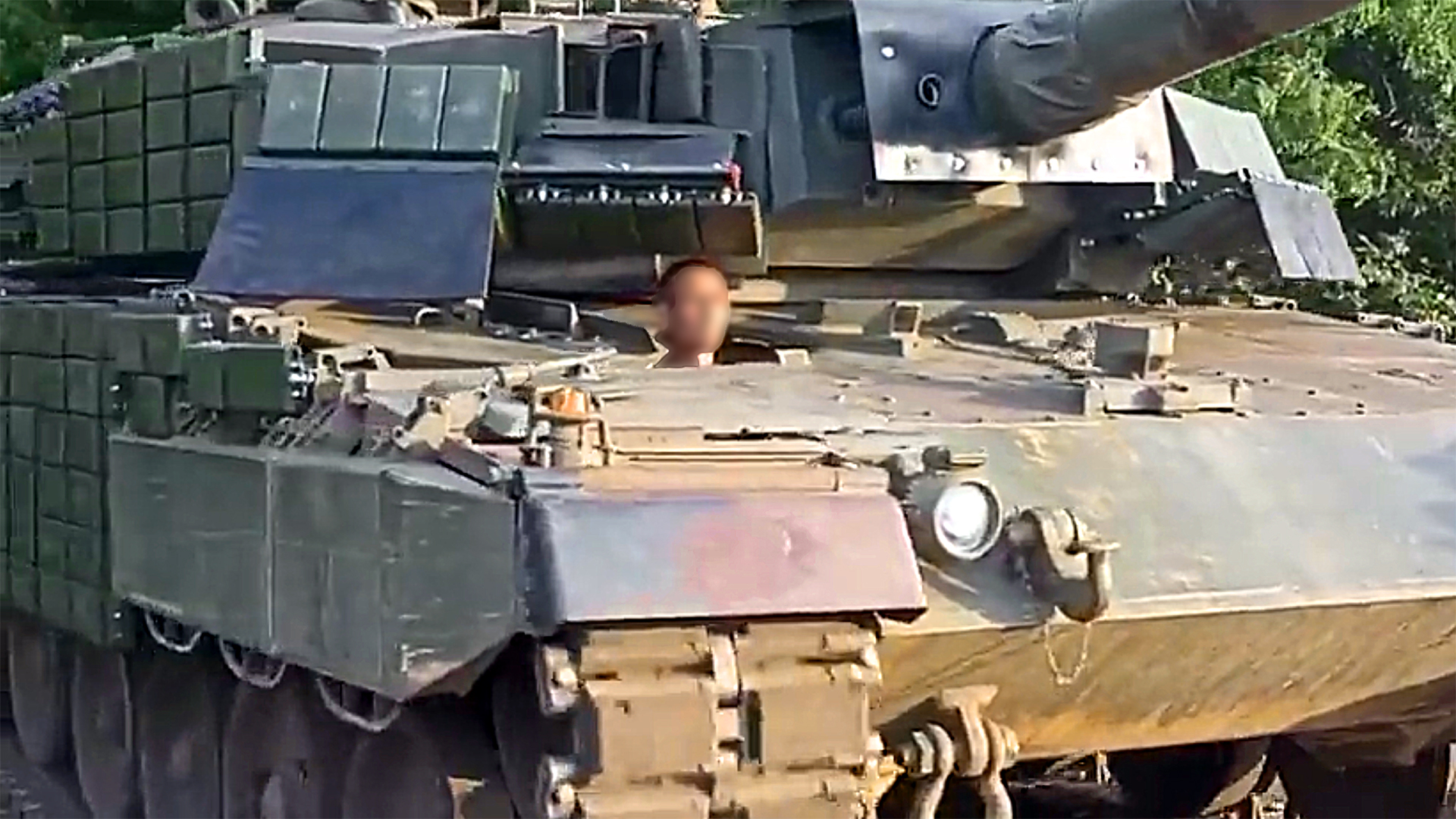
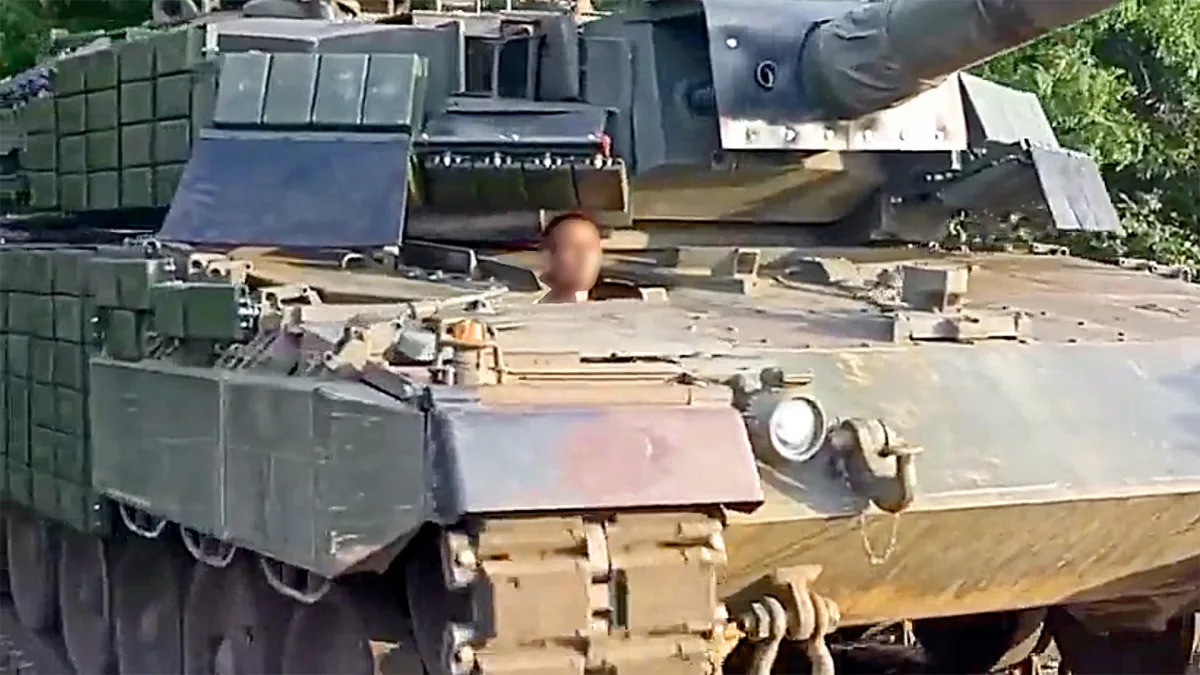
A Ukrainian Leopard 2 tank has been spotted in the field with explosive reactive armor (ERA) bricks, a modification that adds protection against anti-tank munitions. The ERA bricks, known as Kontakt-1, originated from the Soviet Union and are commonly used on both sides' armored vehicles in the ongoing conflict. This modification reflects Ukraine's rapid innovation and adaptation to the evolving battlefield. It remains to be seen if the use of ERA on Ukrainian Leopard 2 tanks will become standard as the country's counteroffensive continues.
A Ukrainian Leopard 2 tank has been spotted in the field with explosive reactive armor (ERA) bricks, a modification that traces its roots back to the Soviet Union. The tank, designated as the 2A4V, is part of Ukraine's rapid innovation in response to the ongoing conflict. The addition of ERA provides increased protection against anti-tank munitions and closer-range weapons. This modification highlights the evolving nature of warfare and the adaptation of advanced NATO equipment with capabilities designed by the foe it was intended to deter.
A Ukrainian Leopard 2 tank has been spotted in the field with explosive reactive armor (ERA) bricks, which provide additional protection against anti-tank munitions. The ERA bricks, known as Kontakt-1, trace their roots back to the Soviet Union. This particular tank is of Canadian origin, as Canada has sent eight tanks to support Ukraine's war effort. The addition of ERA to the Leopard tanks reflects Ukraine's rapid innovation and the lessons learned from the ongoing conflict. It remains to be seen if the use of ERA on Ukrainian Leopard 2s will become standard as Ukraine's counteroffensive continues.
China has criticized the US for imposing new sanctions on companies believed to be involved in training Chinese military pilots and aiding weapons development. The US government placed 43 "entities" on an export control list over national security and foreign policy concerns, including both Chinese and foreign companies. The companies are barred from receiving US exports for activities deemed contrary to US national interest.
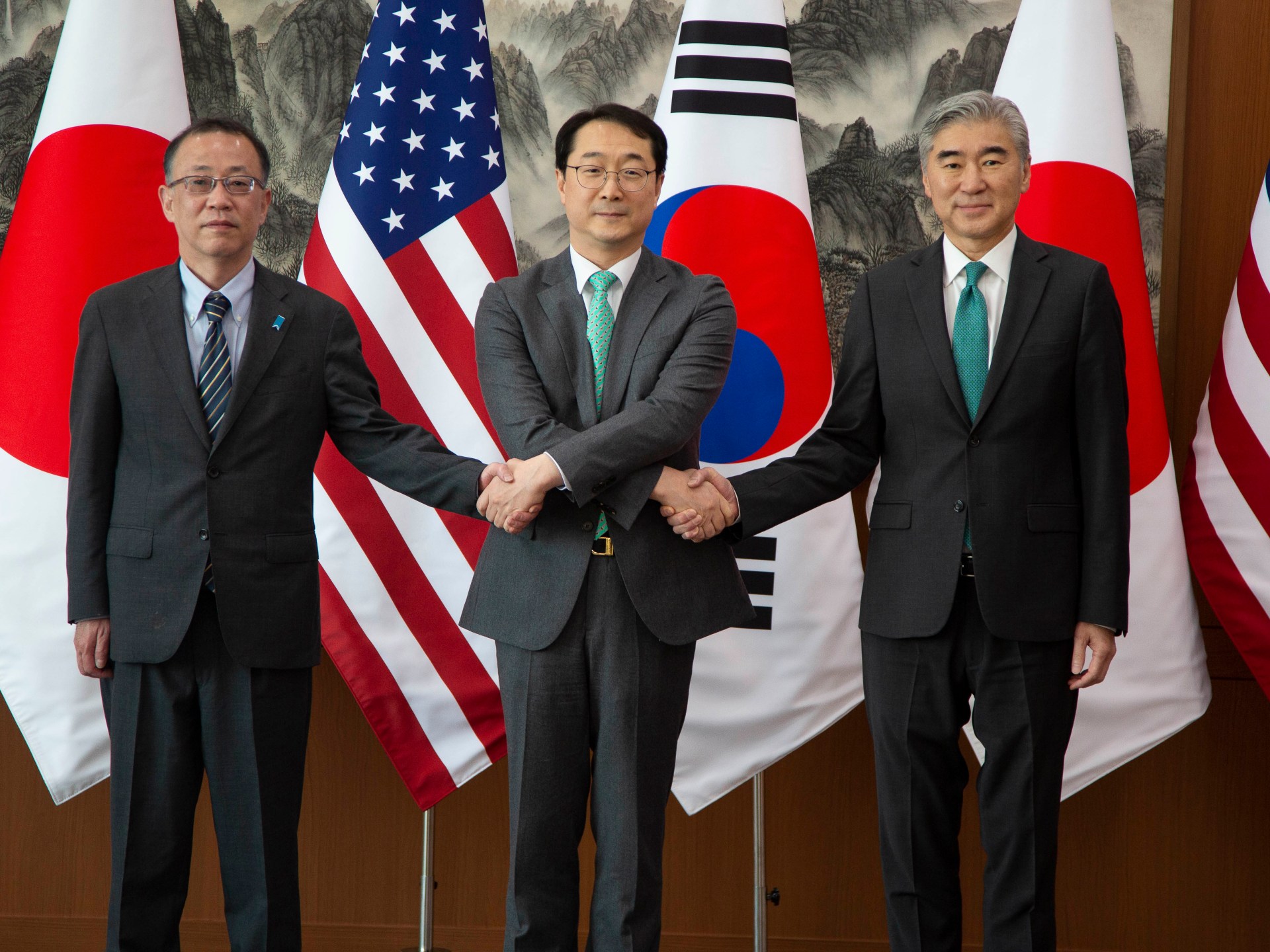
The US, South Korea, and Japan have expressed concern over North Korea's "malicious" cyber-activities in support of its banned weapons programmes. Cryptocurrency funds stolen by North Korean hackers have been a key source of funding for the country's weapons programmes, according to the United Nations. The three countries' envoys have condemned North Korea's continued weapons tests and its use of forged identities and nationalities to evade UN sanctions and raise funds for missile programmes. South Korean President Yoon Suk-yeol has also called for raising awareness over the continued human rights abuses in the country.