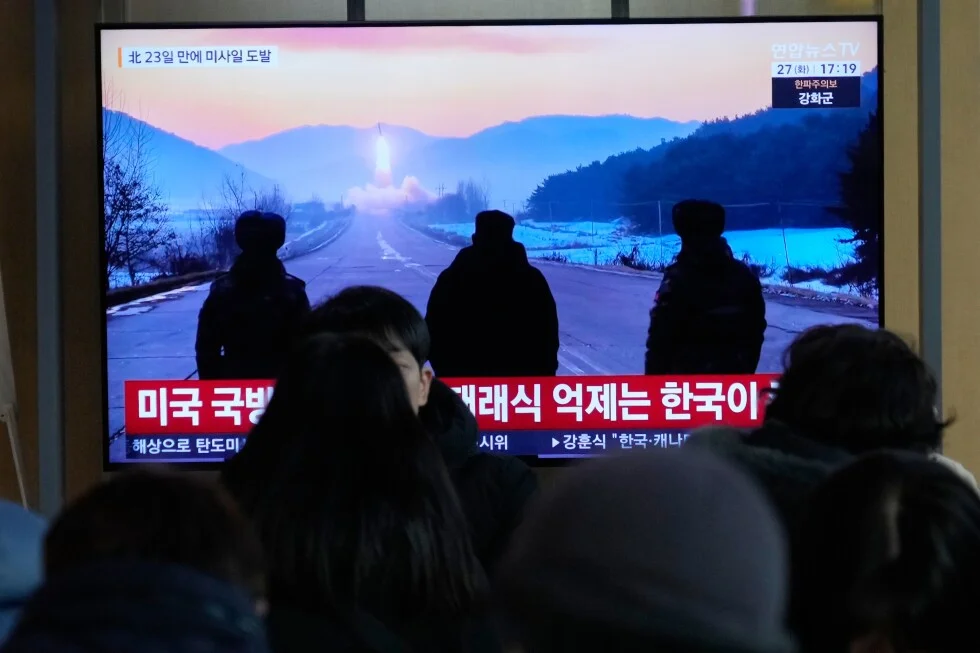
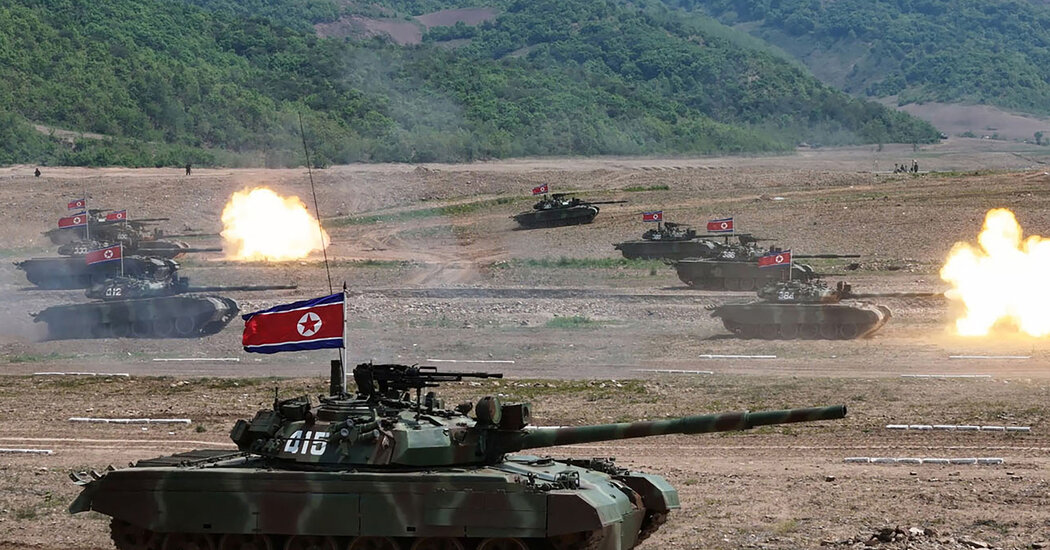
North Korea launched ballistic missiles toward the sea between the Korean Peninsula and Japan, a move that heightens regional security concerns as South Korea and other allies monitor the development.
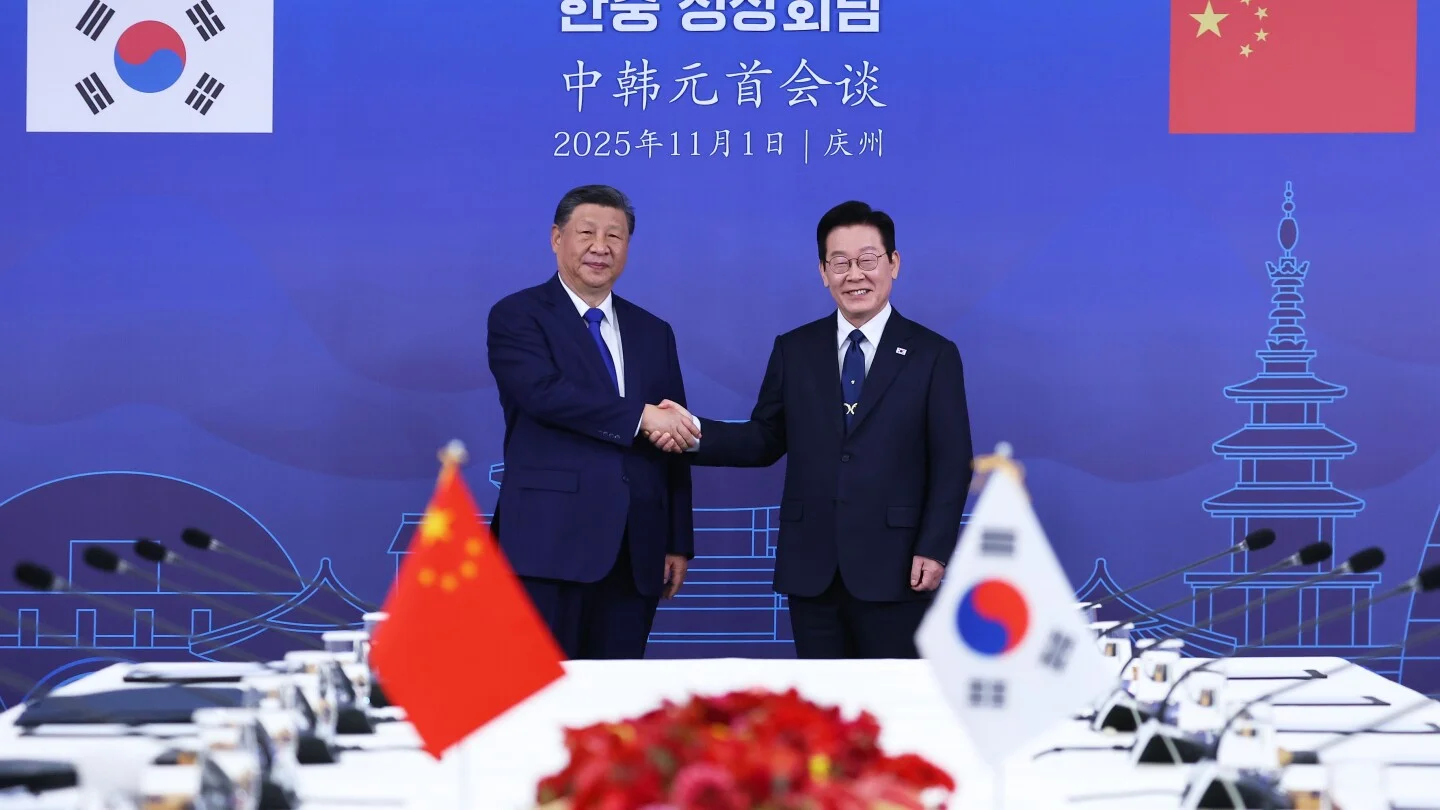
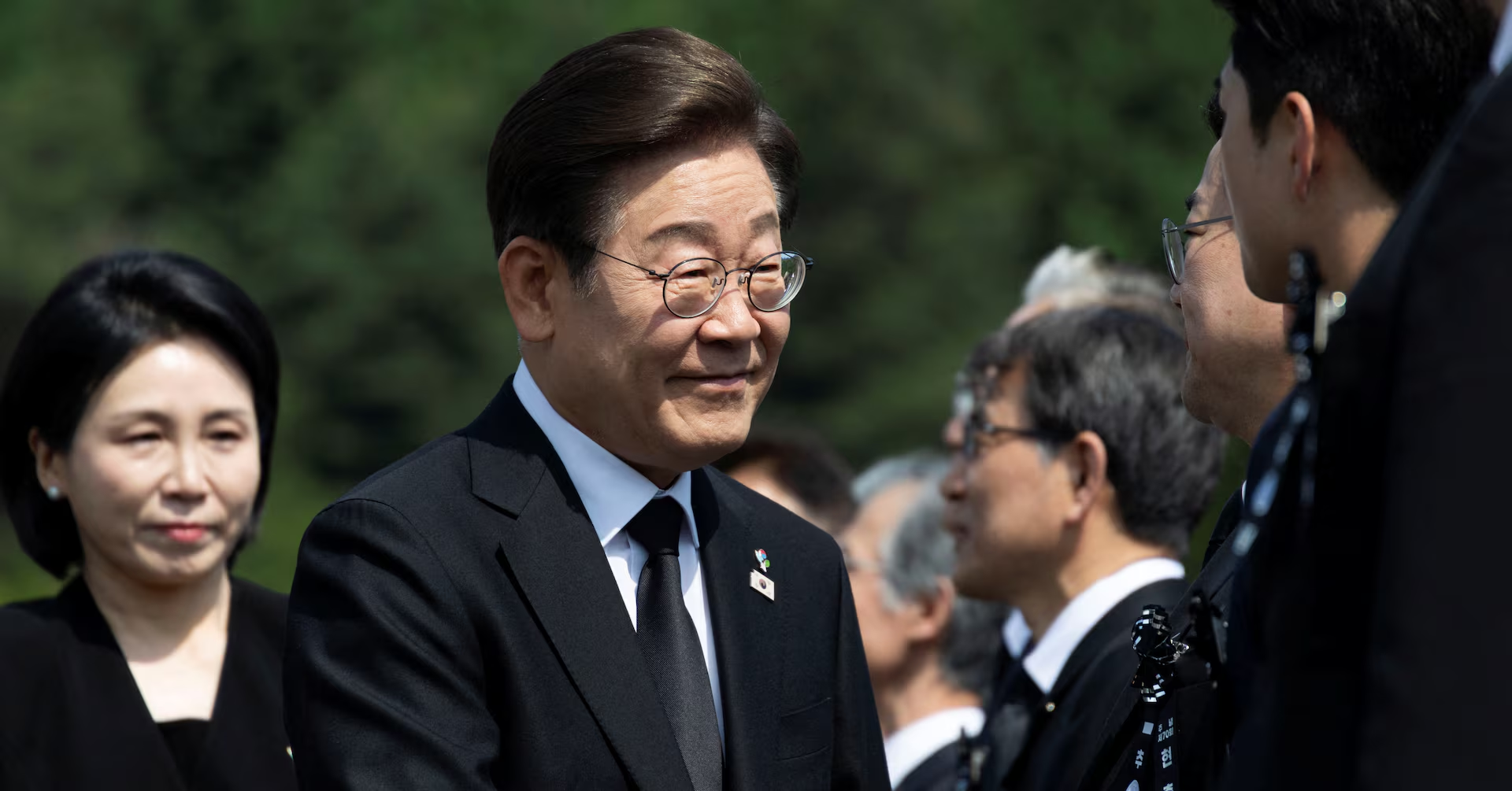
South Korean President Lee Jae Myung is visiting China to strengthen bilateral relations amid rising tensions between China and Japan over Taiwan, with discussions focusing on regional security, North Korea, and economic cooperation, including efforts to promote peace on the Korean Peninsula.
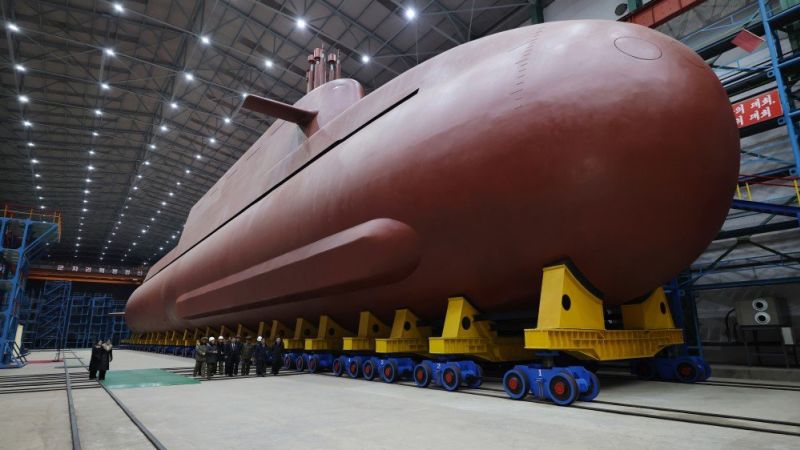
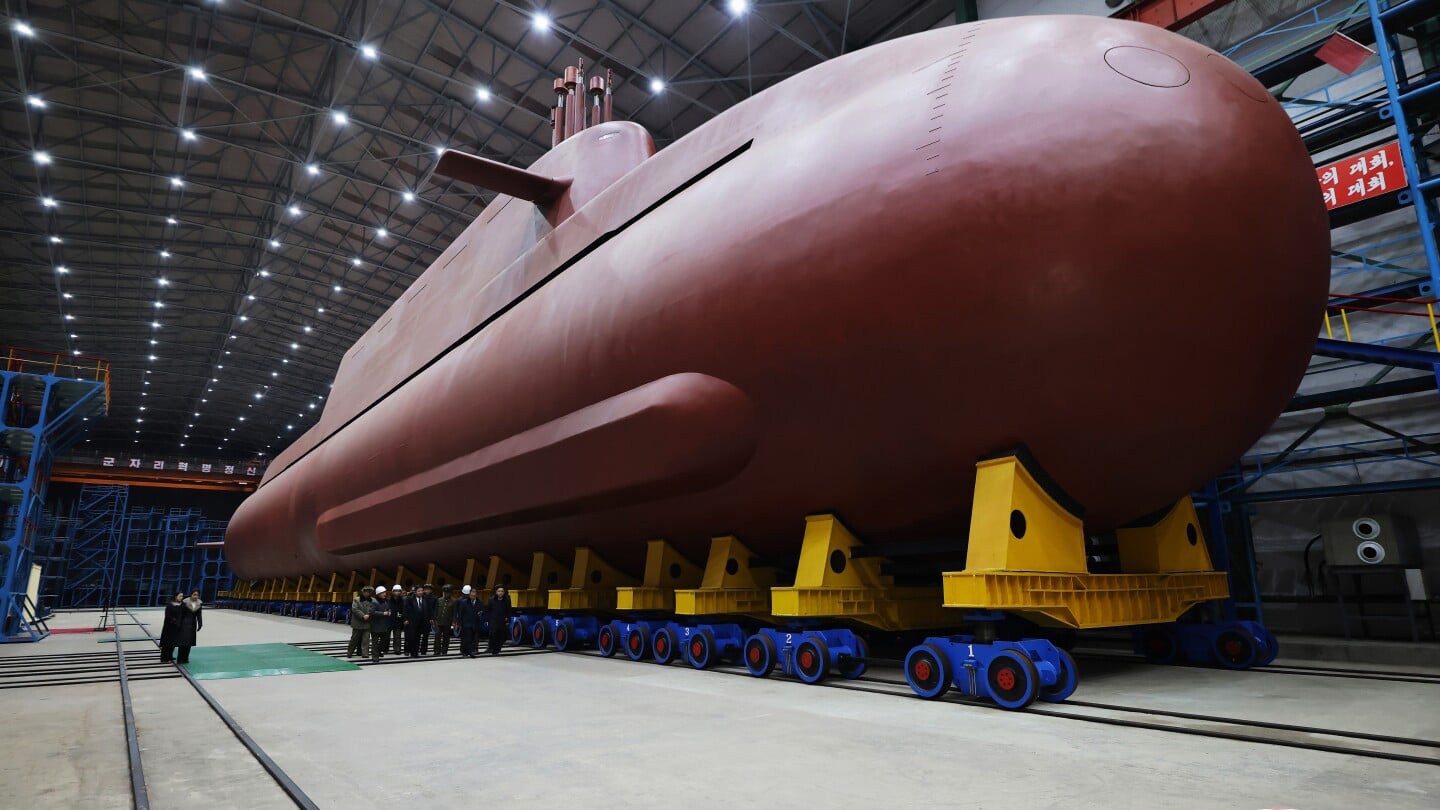
North Korea has released images of its first nuclear-powered submarine, highlighting its progress in military capabilities amid regional tensions, with Kim Jong Un emphasizing its strategic importance and potential threat to South Korea and the US.
North Korea has shown signs of progress in building a nuclear-powered submarine, with images revealing a largely completed hull, as leader Kim Jong Un emphasizes the importance of advancing its naval nuclear capabilities amidst regional tensions and South Korea's efforts to develop its own nuclear submarines.
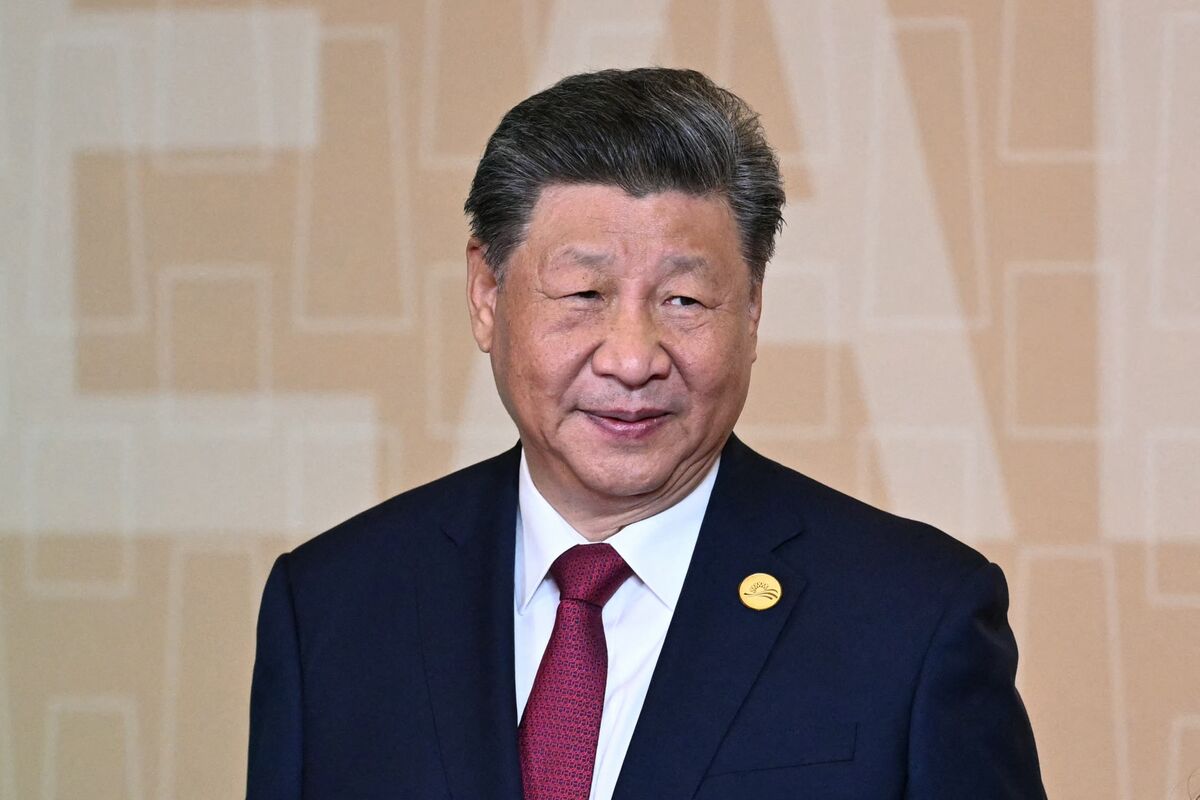
South Korean President Lee Jae-myung and Chinese President Xi Jinping pledged to enhance economic ties and work towards peace and security on the Korean peninsula during their first phone call since Lee took office, emphasizing mutual interests and regional stability.
South Korea's new President Lee Jae-myung, elected after a political vacuum, aims to improve relations with North Korea through pragmatic diplomacy, less hawkish policies, and economic cooperation, potentially fostering peace on the Korean Peninsula amid changing regional dynamics and the return of Trump to the US presidency.
North Korea has significantly upgraded its military capabilities through increased cooperation with Russia, receiving advanced weapons, technology, and training, which could destabilize the regional balance of power.
Chinese President Xi Jinping emphasized China's commitment to preventing conflict on the Korean Peninsula and protecting its strategic interests, in response to international calls for China to address North Korea's military cooperation with Russia. Xi conveyed this stance to US President Joe Biden during a meeting at the APEC summit in Lima, Peru.
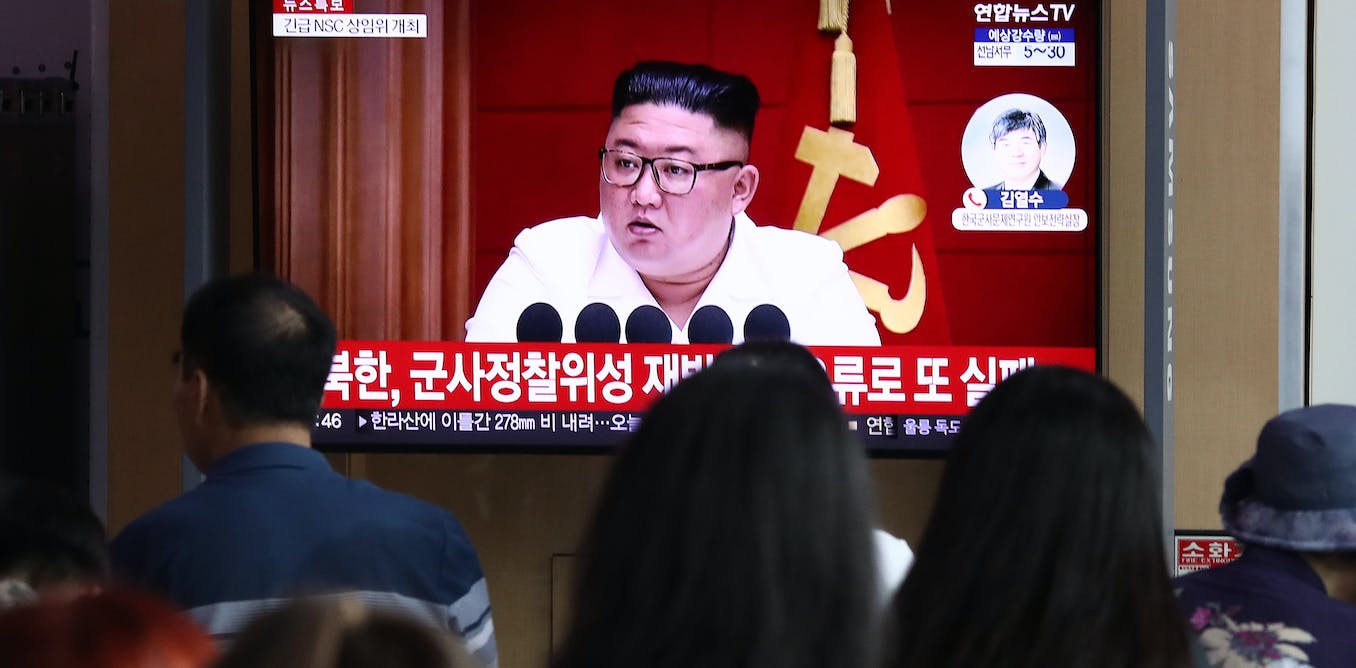
Kim Jong Un's recent aggressive actions, including missile tests and war threats against South Korea, are seen as attempts to deflect attention from domestic issues, such as a recent train accident that resulted in hundreds of deaths and ongoing food and energy shortages. Facing discontent and protest over government policies, Kim is using war rhetoric to create uncertainty and manipulate beliefs about external threats being greater than domestic problems. This strategy aims to influence international relations and political dynamics in both the U.S. and South Korea, ultimately serving to maintain Kim's grip on power.
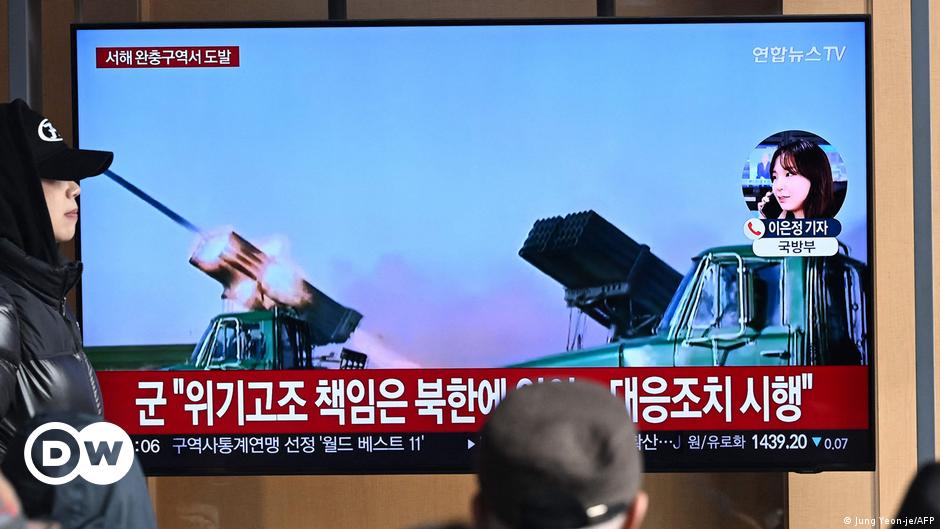
North Korea conducted a maritime artillery exercise, firing 200 rounds near the disputed western sea boundary with South Korea, breaching a 2018 military agreement aimed at reducing tensions. South Korea, citing this as a provocation, plans to respond with its own drills and has urged North Korea to cease such actions. The escalation comes amid predictions of increased weapons testing by North Korea, with tensions likely to rise ahead of South Korea's parliamentary elections and the U.S. presidential election. North Korean leader Kim Jong Un has emphasized the importance of military readiness and has ordered an increase in missile launcher vehicle production, signaling a potential ramp-up in military provocations.
North Korea fired over 60 artillery rounds near a disputed maritime border with South Korea, following a previous day's barrage of over 200 rounds into a buffer zone established in 2018. South Korean residents in the affected islands were ordered into shelters, and the South Korean military has pledged to take measures to safeguard the nation, responding to the initial fire with rounds into the sea. This escalation comes amid deteriorating relations and increased military activities by North Korea, including missile tests and the enshrinement of its nuclear status in its constitution.
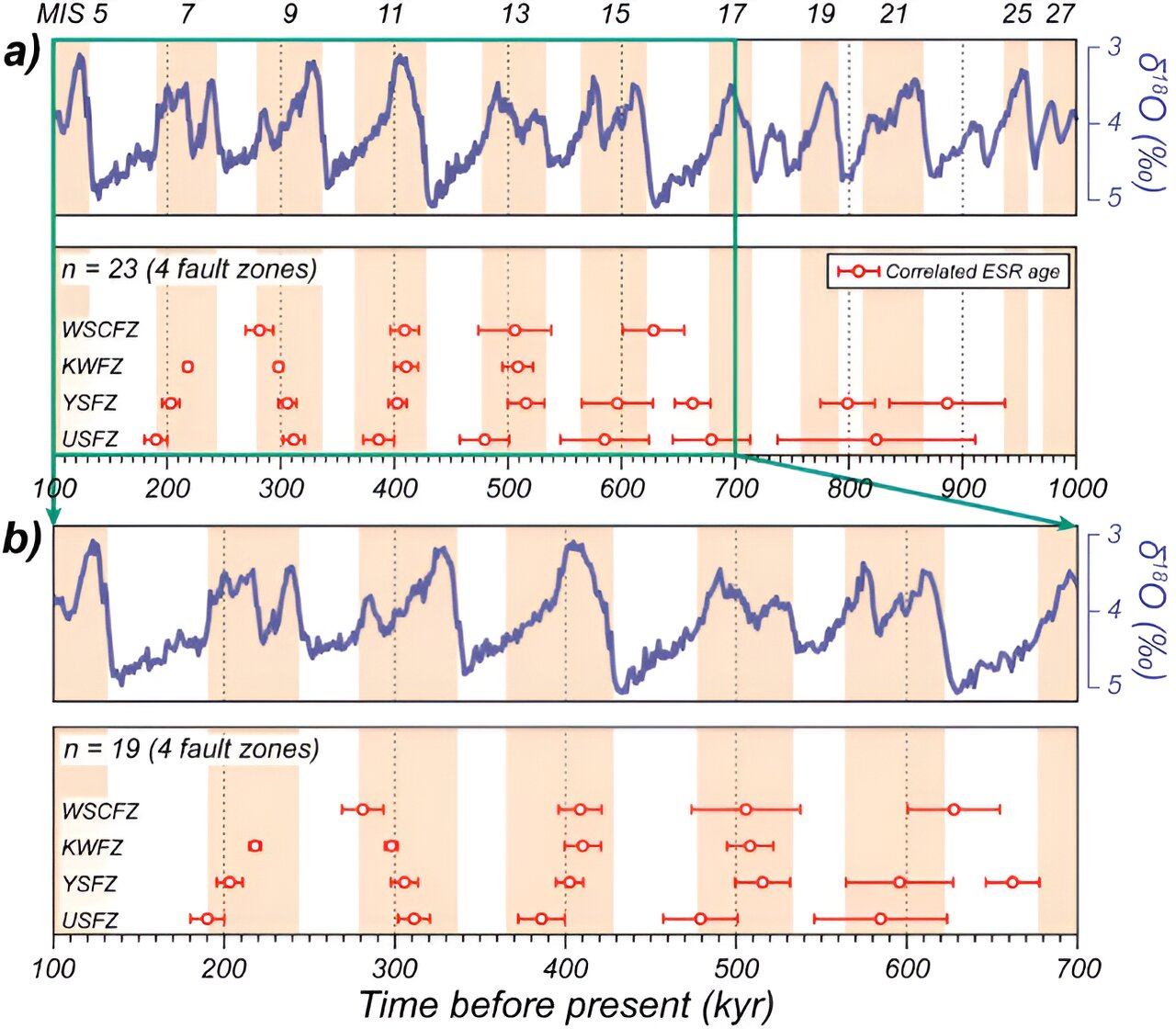
A new study published in Quaternary Science Reviews suggests that global-scale activity of Earth's glacial cycles, specifically rapid changes in sea levels due to melting ice sheets, may have played a significant role in triggering earthquakes in the Korean Peninsula. The researchers used electron spin resonance dating to analyze fault gouges and found that paleo-earthquakes coincided with interglacial periods over the last 650,000 years. As climate change exacerbates glacier melting and sea level rise, there is a potential for increased earthquake risk in the future, highlighting the need for seismic-prone areas to plan strategies to mitigate damage caused by earthquakes.
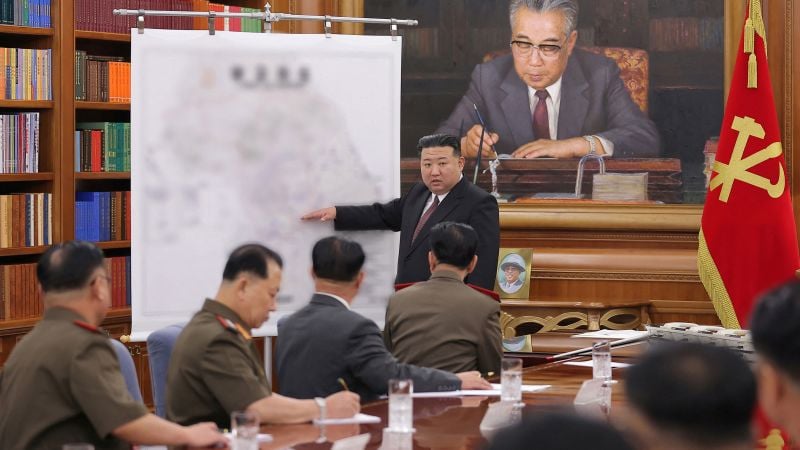
North Korean leader Kim Jong Un has fired his top general and ordered his military to "gird for war," according to state media. Gen. Pak Su Il was dismissed as chief of the General Staff and Vice Marshal Ri Yong Gil was appointed in his place. Other commanding officers were also dismissed, transferred, or appointed. The shake-up of military leadership comes as North Korea ramps up its military rhetoric and showcases its advances in ballistic missile technology. The move may be aimed at preventing anyone below Kim from becoming too powerful, and the report emphasized the need for the army to be prepared for war given the "grave political and military situation" on the Korean Peninsula.
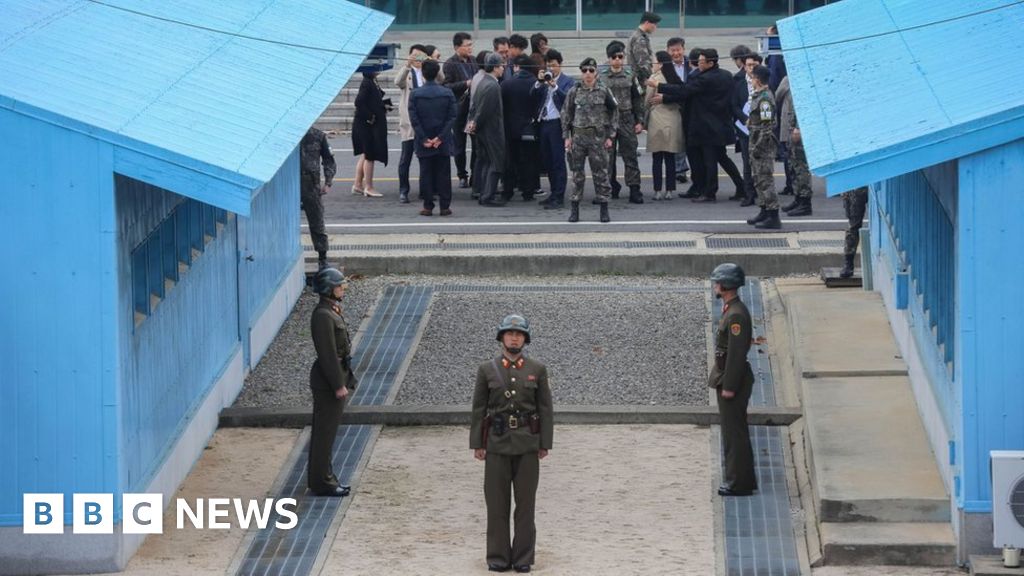
The Demilitarized Zone (DMZ) between North and South Korea has long been a popular tourist destination, attracting visitors who want to experience the historical significance and surreal atmosphere of this heavily fortified area. However, due to the Covid-19 pandemic, tourist numbers have decreased. Despite the strict rules and regulations imposed on DMZ tours, the allure of stepping foot into North Korea remains tempting for some. The DMZ serves as a reminder of the ongoing propaganda war between the two Koreas, with each side presenting their own version of the complex story.
Netflix's new action series, Black Knight, is a postapocalyptic story set 40 years after a comet collided with the Earth, turning the Korean peninsula into a desert. The story follows the couriers who deliver food and oxygen to people's homes, risking their lives for the good of society. The show presents a distinct take on our climate change-fueled future, with a mix of Mad Max and Death Stranding. While it gets off track at times, Black Knight is a blast to watch with great action and a strong cast of characters.