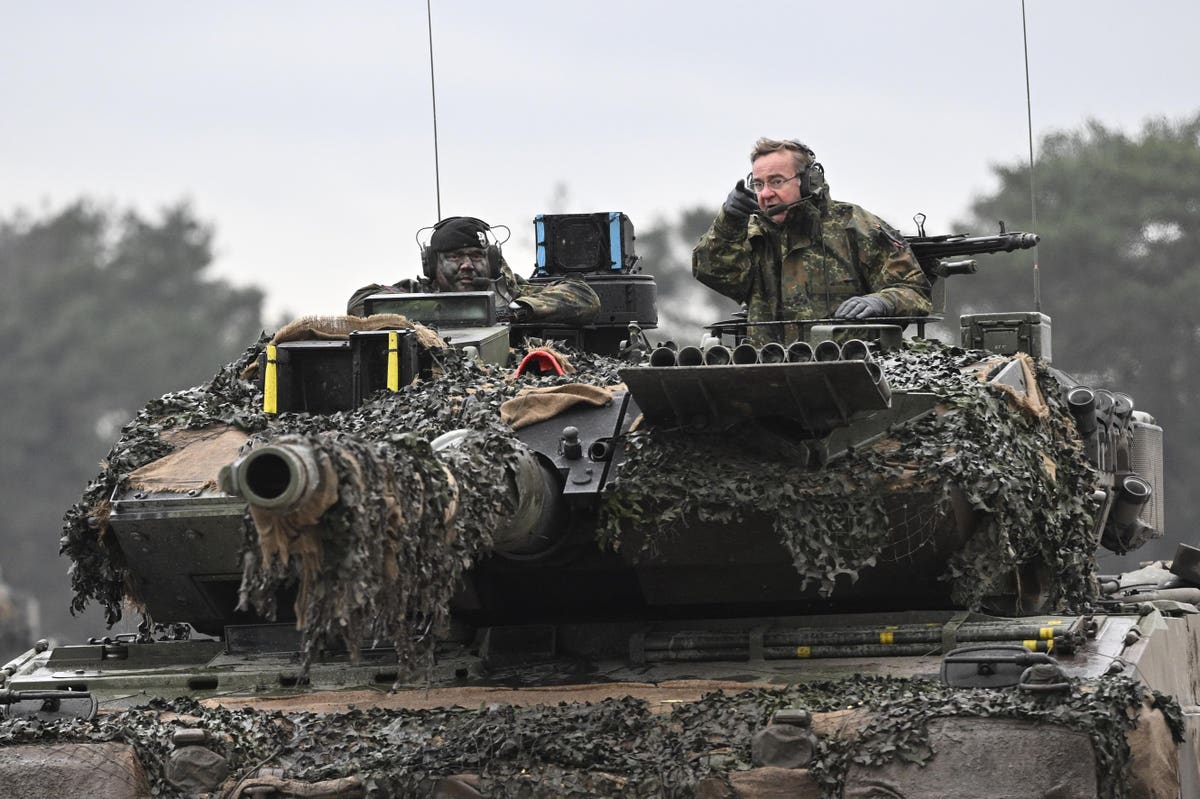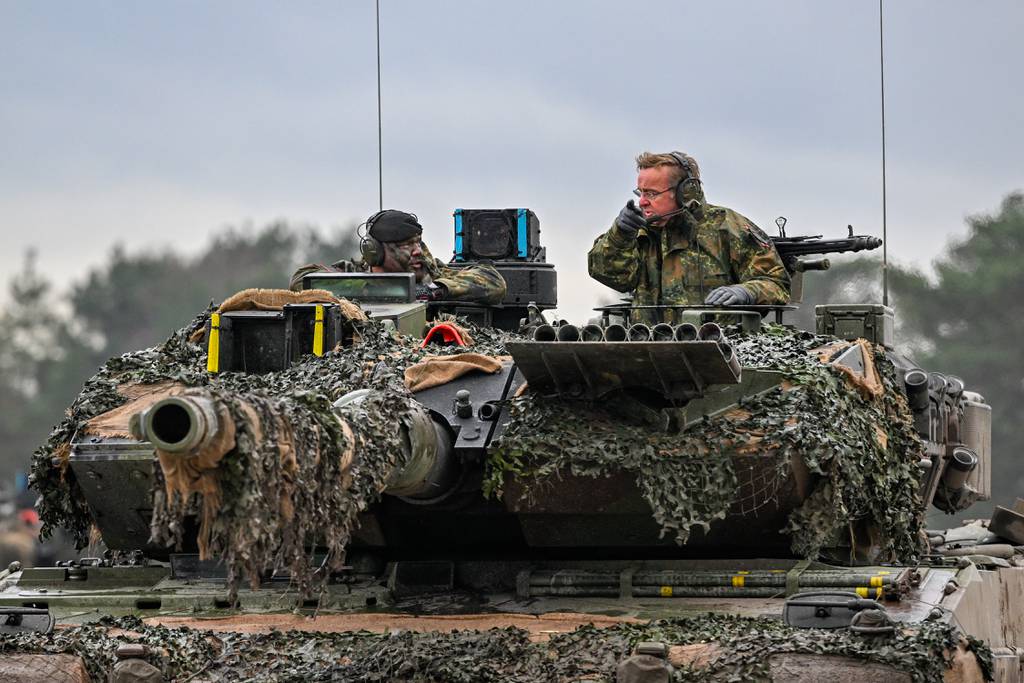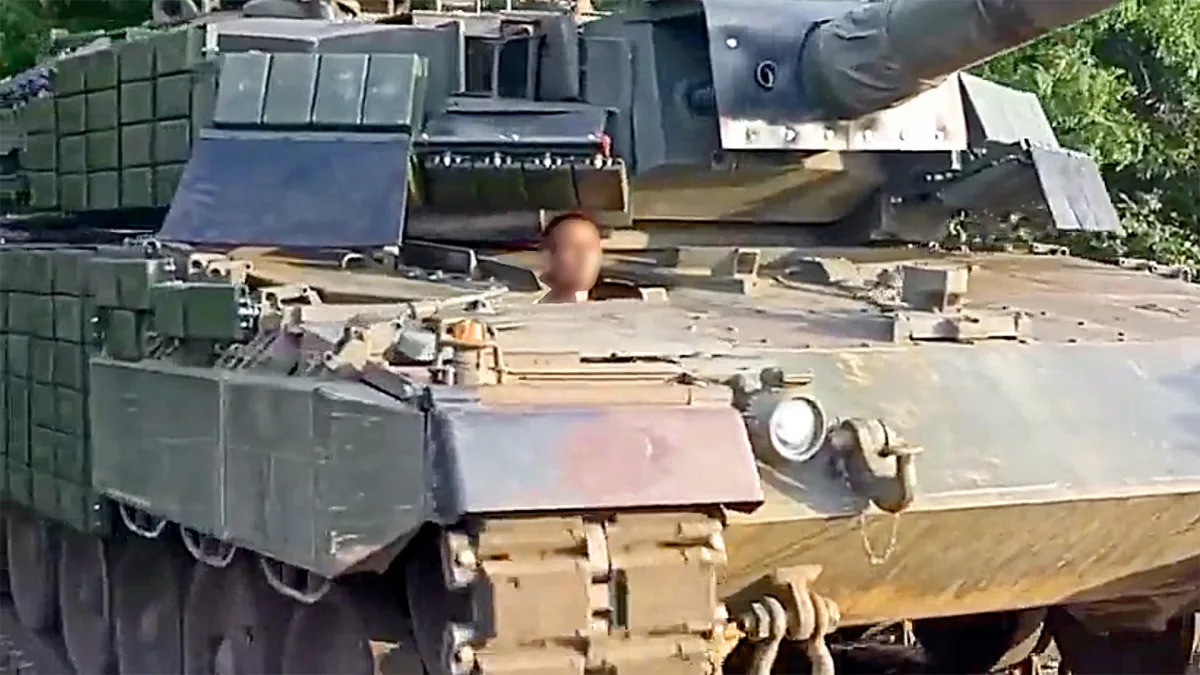
A Ukrainian Leopard 2 tank has been spotted in the field with explosive reactive armor (ERA) bricks, a modification that traces its roots back to the Soviet Union. The tank, designated as the 2A4V, is part of Ukraine's rapid innovation in response to the ongoing conflict. The addition of ERA provides increased protection against anti-tank munitions and closer-range weapons. This modification highlights the evolving nature of warfare and the adaptation of advanced NATO equipment with capabilities designed by the foe it was intended to deter.
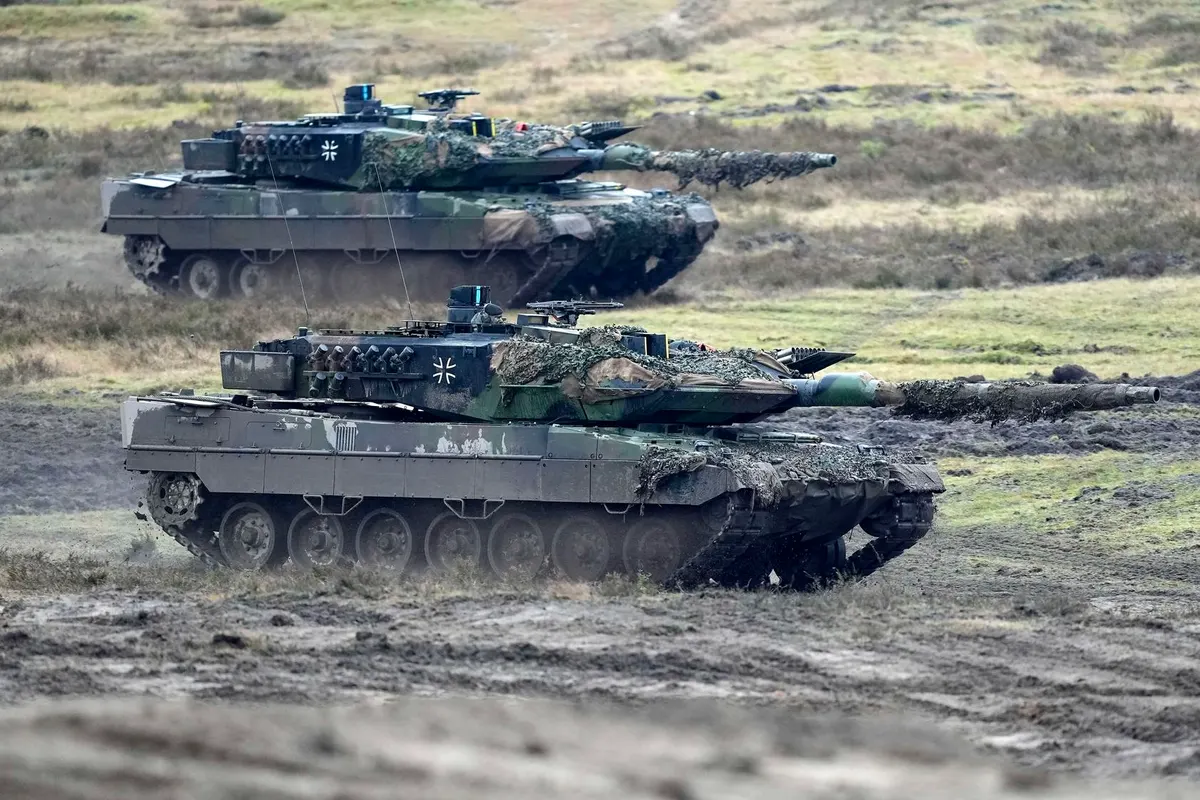
Social media pundits are tracking the losses of the Leopard 2 main battle tank in the ongoing conflict in Ukraine. The destruction of the first Leopard 2 was confirmed this week, along with other armored vehicles, during an unsuccessful attempt to breach Russian defenses. While some "armchair generals" suggest that the Western-made vehicles won't be the magic bullet Kyiv was hoping for, losses are to be expected in war. The Dutch-based open-source website Oryx has been tracking losses on both sides without much commentary.
Russia claimed to have destroyed eight German-made Leopard 2 main battle tanks in Ukraine, but a video released by Russian state media as evidence actually showed farm equipment being targeted. The claims have been dismissed as propaganda by Kyiv, and the video has been widely mocked on social media. Experts say the point of such misinformation campaigns is not necessarily to be factual, but to create a plausible narrative and muddy the waters of truth.
The Czech Ministry of Defence plans to purchase 70 copies of the Leopard 2A8 main battle tank from Krauss-Maffei Wegmann and Rheinmetall, following Germany's purchase of 18 Leopard 2A8 tanks to replace Berlin's donations to Ukraine. The Czech investment is expected to pave the way for the Army of the Czech Republic to acquire a top-of-the-line ground platform, which is also in use in a number of European armies and is compatible with other NATO armies. Other nations are invited to join the emerging program to achieve lower prices, higher production rates, and increased commonality on everything from training to sustainment.