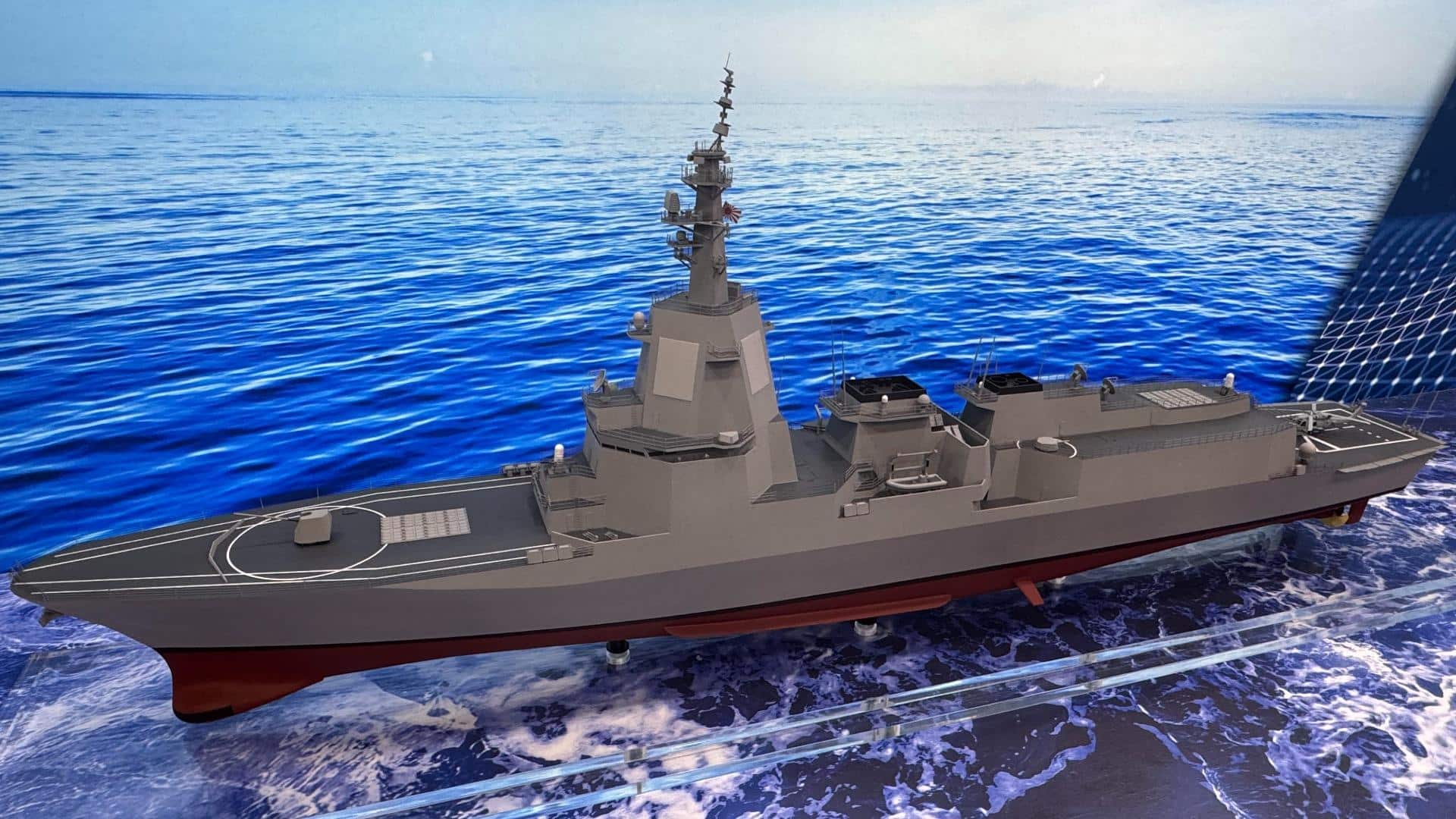
Japan's cabinet approved a record $58 billion defense budget for 2026, focusing on modernizing its military with new ships, submarines, UAVs, missile systems, and modifications to existing carriers, amid increasing threats from neighboring nuclear powers and U.S. support.
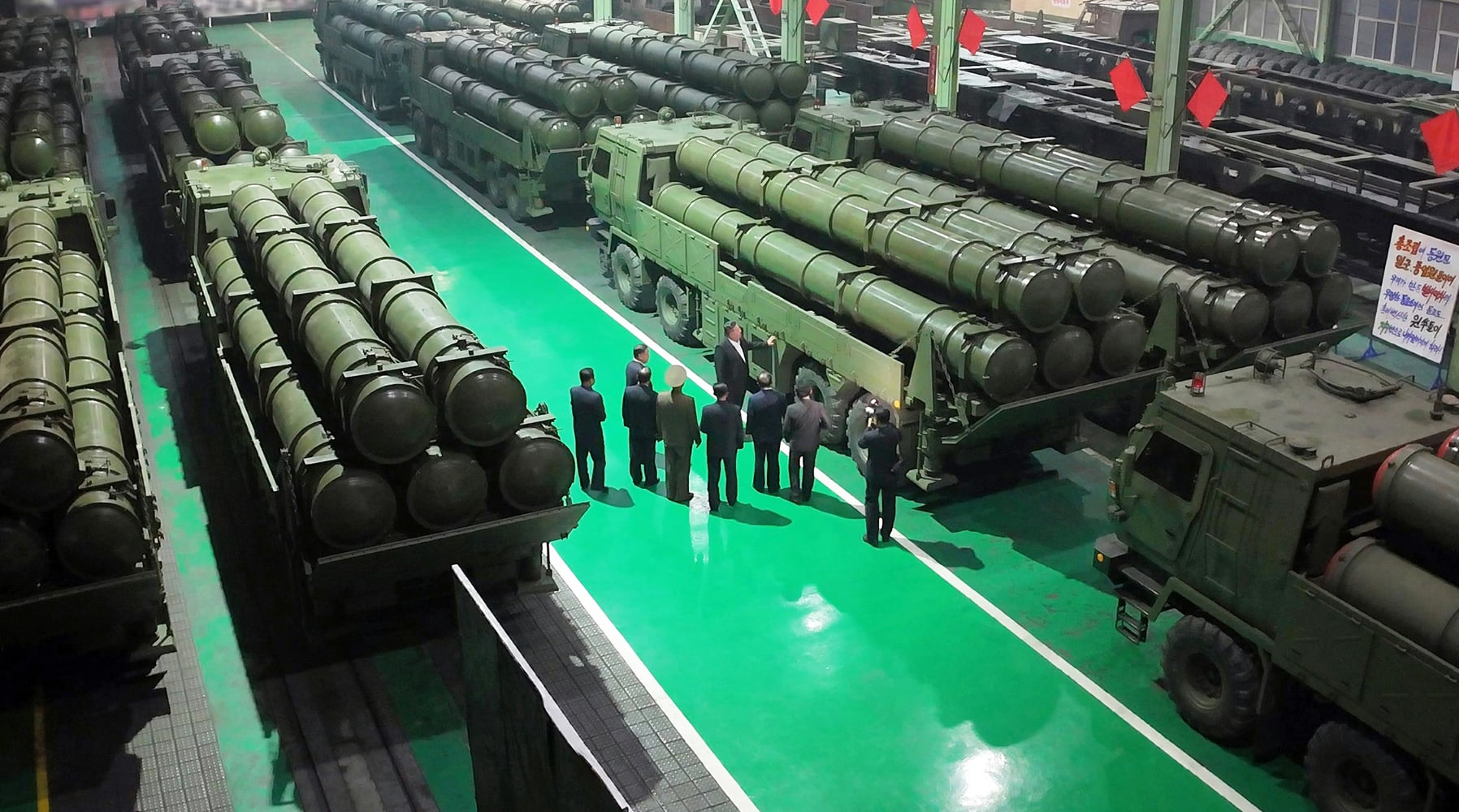
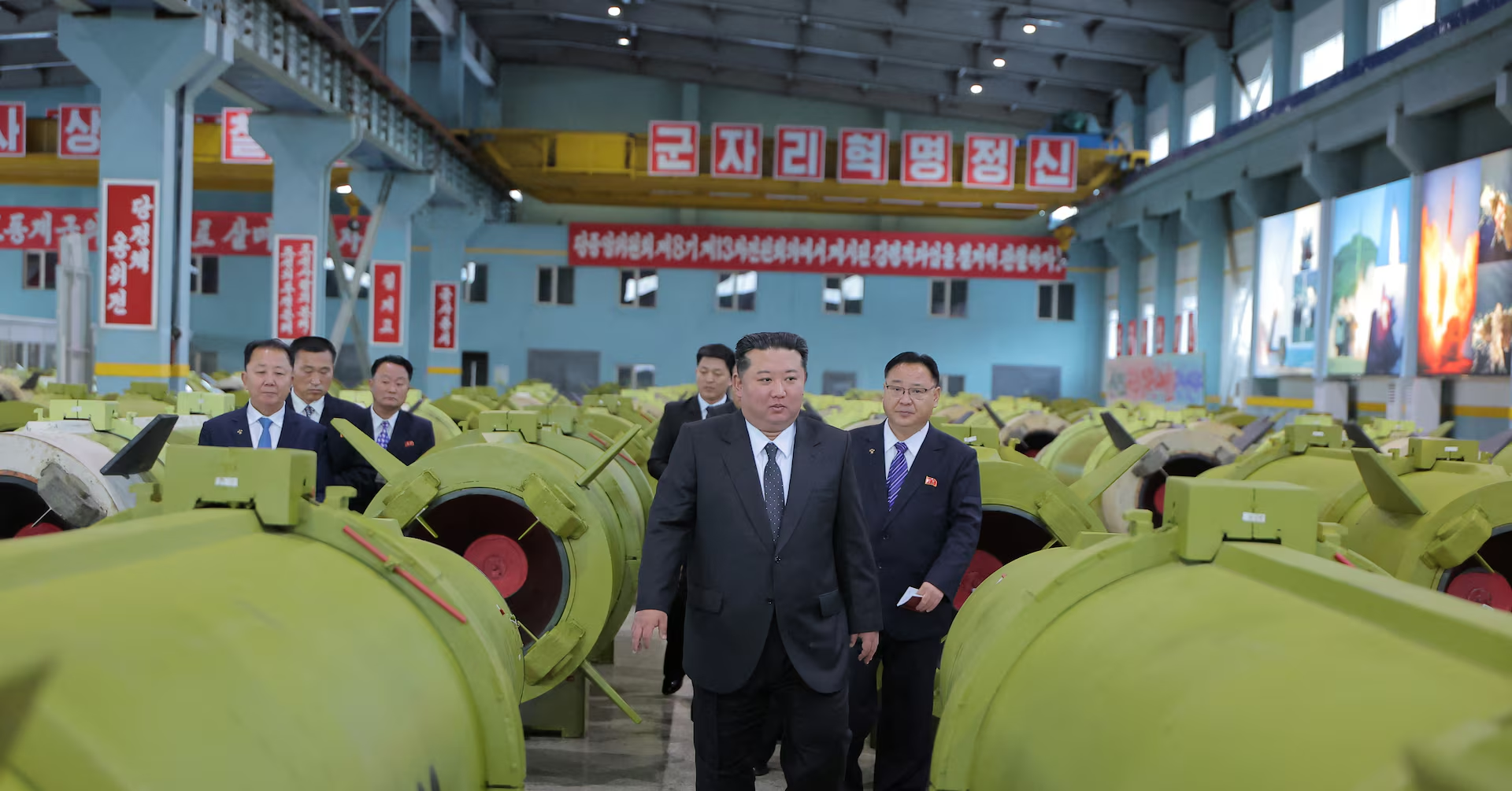
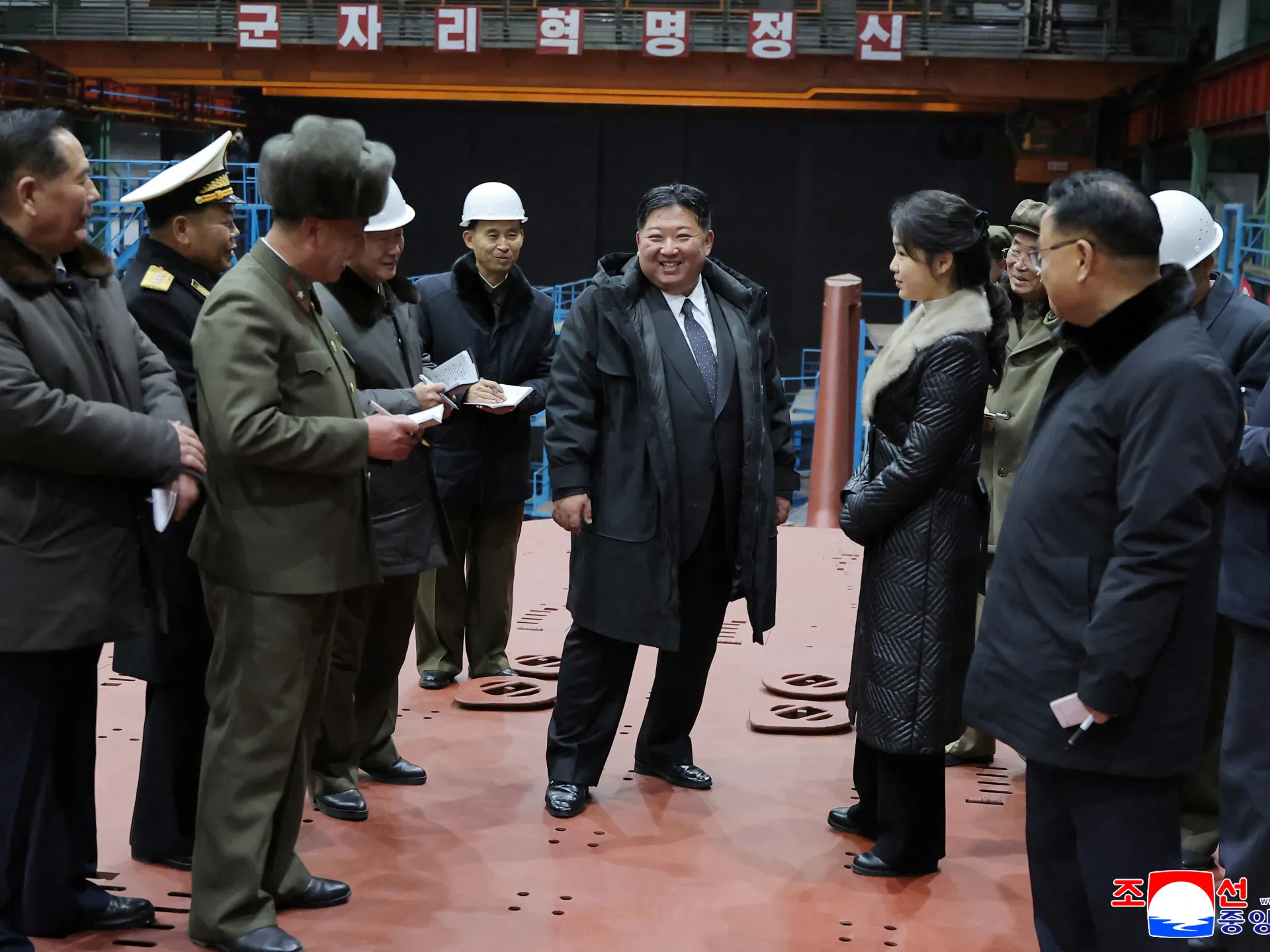
North Korean leader Kim Jong Un visited a factory to inspect a new 600mm MLRS launcher, aiming to make it the country's main strike weapon with both conventional and nuclear capabilities, potentially for strategic use against South Korea and for export purposes.
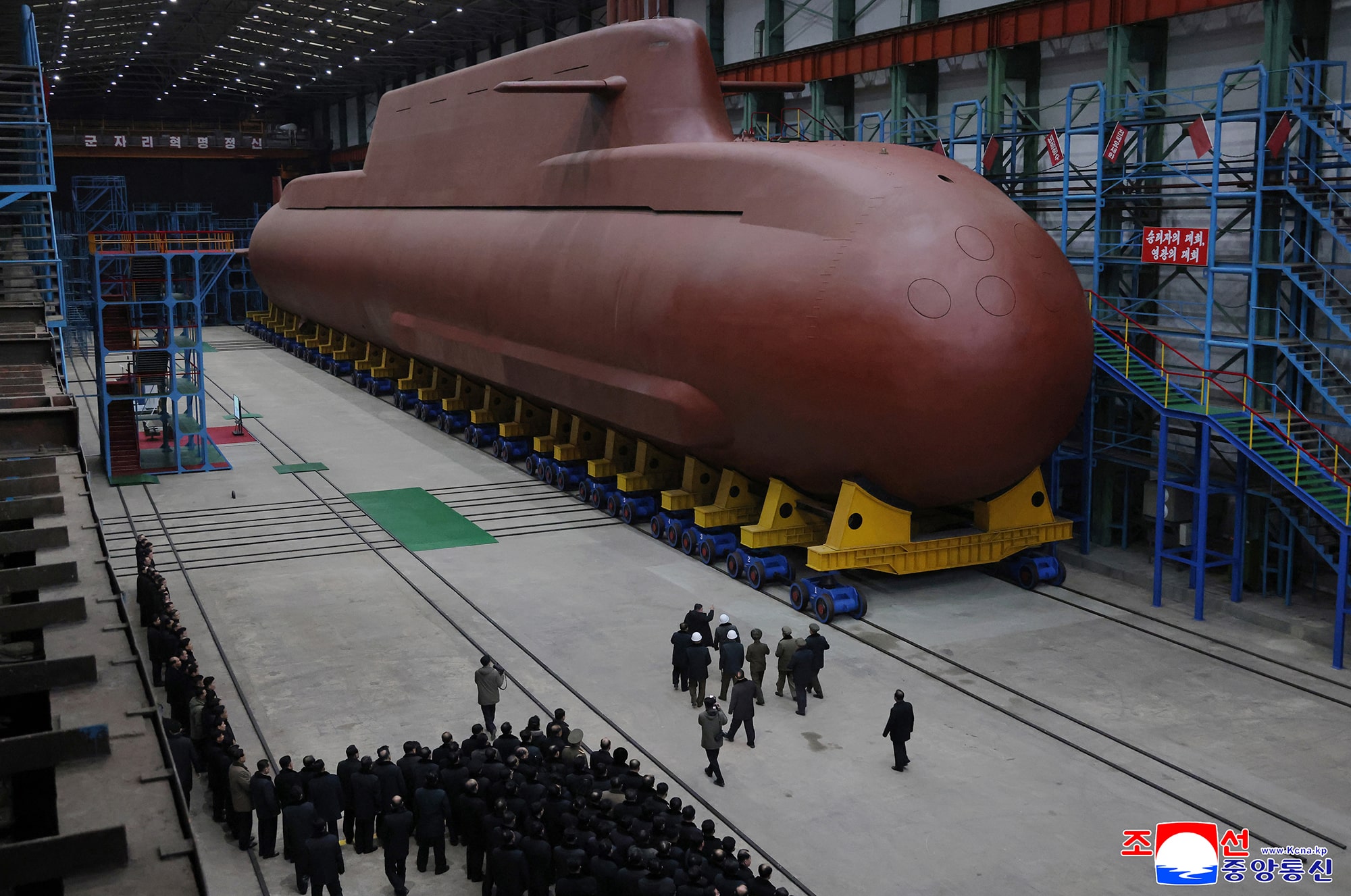
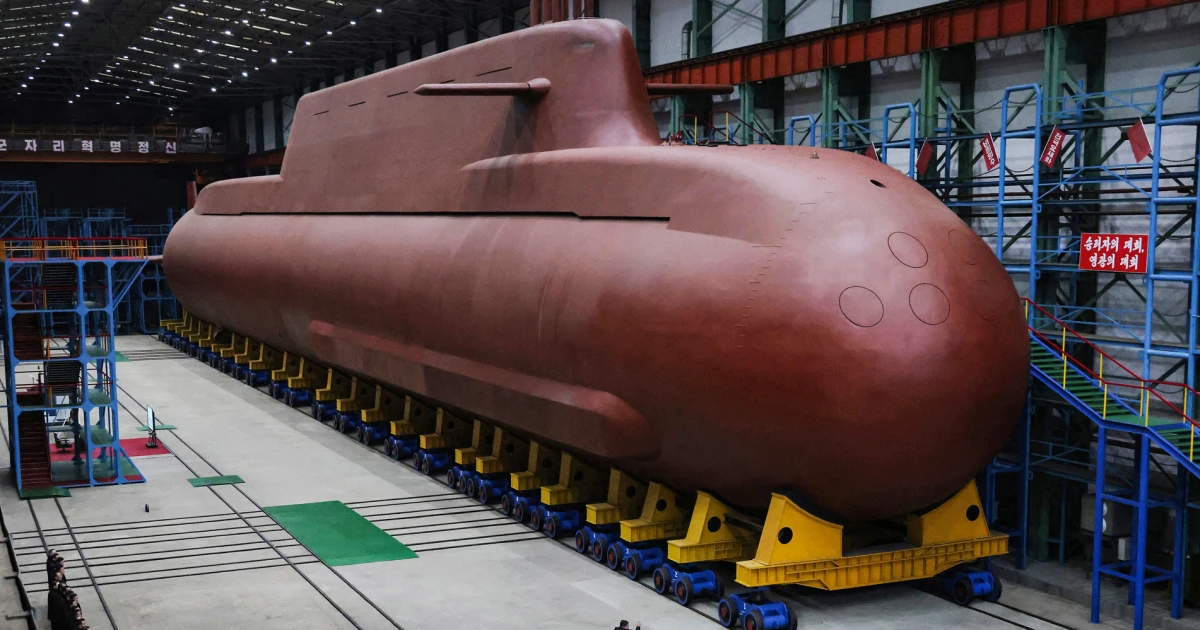
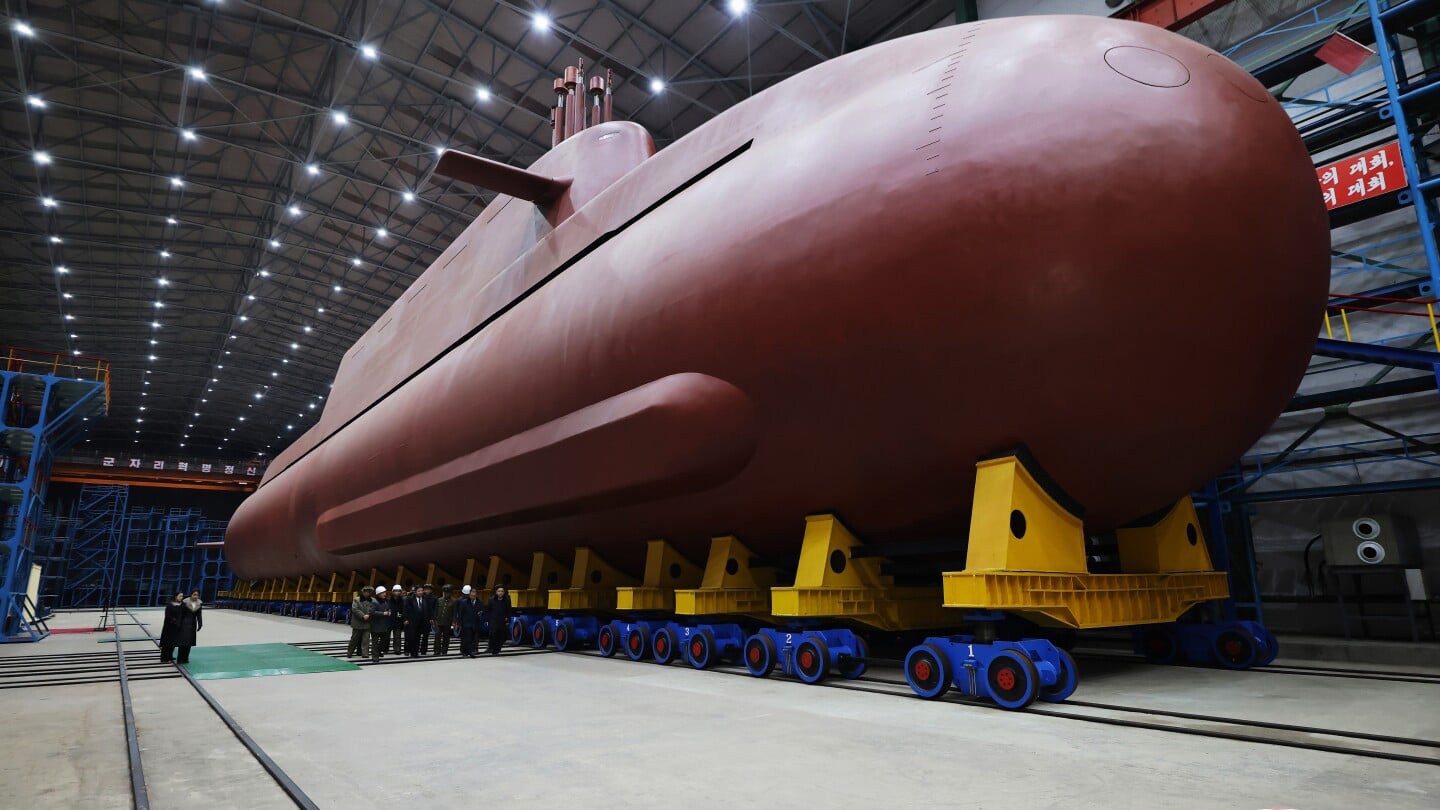
North Korea has unveiled its first nuclear-powered ballistic missile submarine (SSBN), a significant technological advancement that can carry multiple SLBMs, likely from the Pukguksong series, enhancing its nuclear second-strike capability amid ongoing naval modernization efforts.
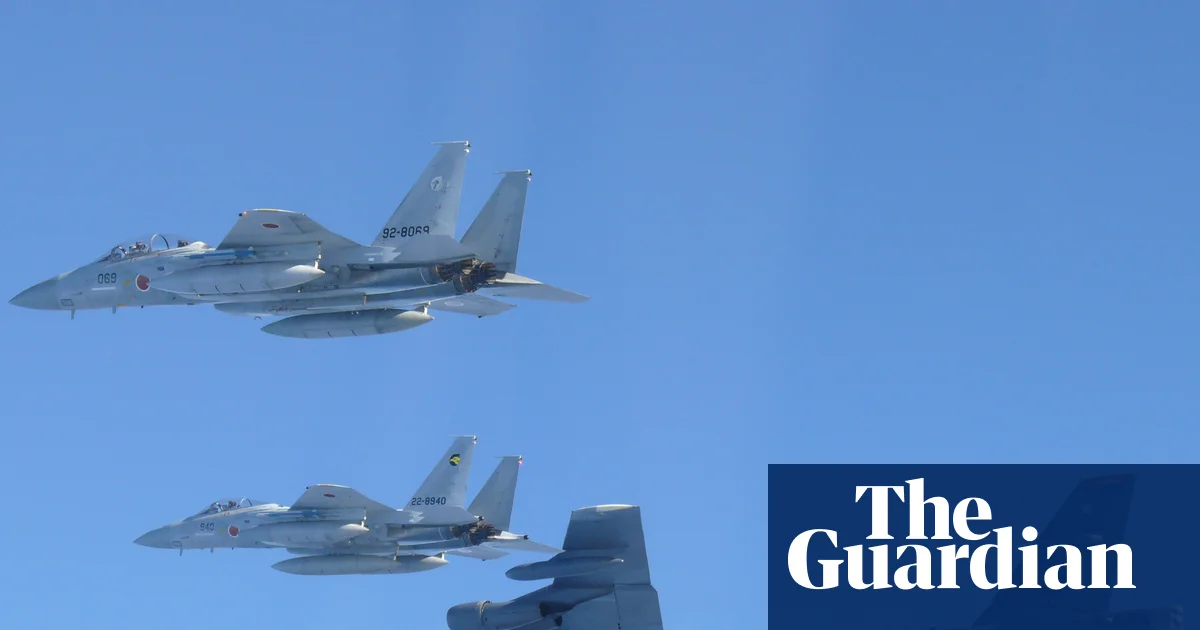
Japan's cabinet has approved a record ¥9tn ($58bn) defense budget to enhance strike-back capabilities and coastal defenses amid escalating tensions with China, which has criticized Japan's space and military developments. The budget increase is part of Japan's plan to double its arms spending to 2% of GDP, focusing on unmanned drones and missile systems, as tensions with China and the US over Taiwan continue to rise. China has condemned Japan's space technology advancements and military activities, accusing them of fueling an arms race, while Japan emphasizes its defensive posture within constitutional limits.
North Korean leader Kim Jong Un has indicated that the country will continue developing missiles over the next five years, emphasizing the importance of missile and shell production for national deterrence, and has ratified plans for modernizing major munitions enterprises ahead of a key party congress in early 2026.
North Korea has shown signs of progress in building a nuclear-powered submarine, with images revealing a largely completed hull, as leader Kim Jong Un condemns South Korea's efforts to acquire similar technology, viewing it as a threat and a justification for North Korea's military upgrades.
North Korean leader Kim Jong Un condemned the US-South Korea nuclear submarine deal as a threat to regional stability, while inspecting North Korea's nuclear submarine development and overseeing missile tests, amid ongoing military tensions and international support from Russia.
North Korea has shown signs of progress in building a nuclear-powered submarine, with images revealing a largely completed hull, as leader Kim Jong Un emphasizes the importance of advancing its naval nuclear capabilities amidst regional tensions and South Korea's efforts to develop its own nuclear submarines.
The Pentagon's 2025 report highlights China's significant military advancements, particularly by the PLA, aiming to challenge U.S. dominance through strategic buildup, technological innovation, and military options targeting Taiwan and regional stability, with a focus on achieving decisive victory by 2027.
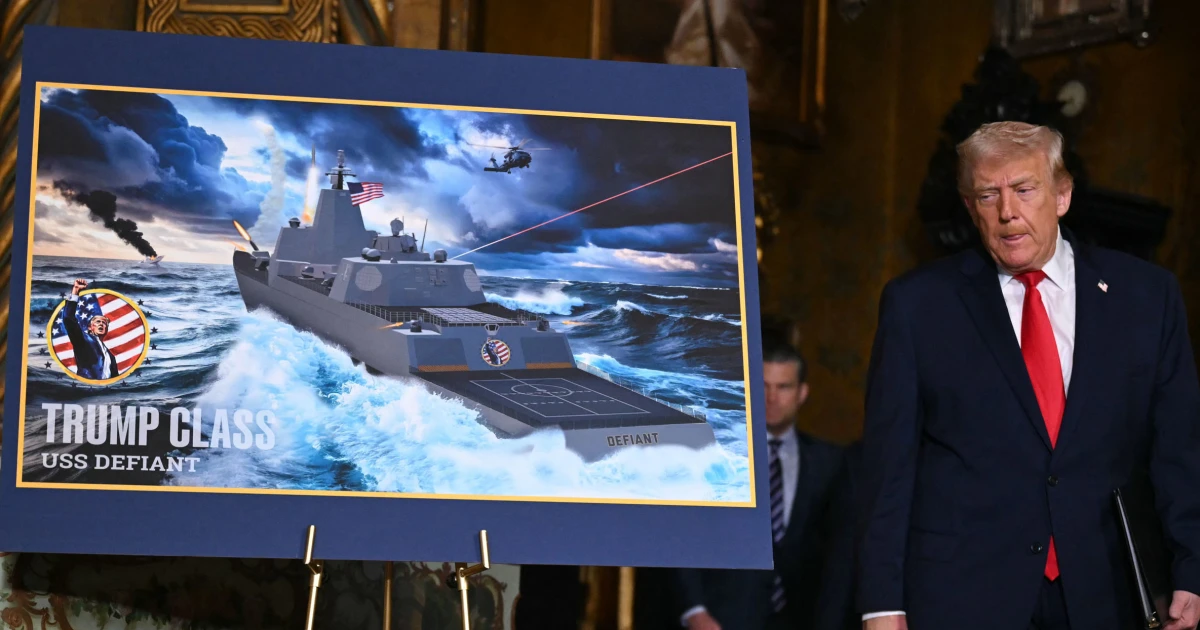
President Donald Trump announced a new class of U.S. battleships named after himself, featuring advanced weaponry including nuclear capabilities, hypersonic weapons, and lasers, with plans for 20-25 ships to enhance US military strength, though the ships are not intended as a deterrent against any specific country.
France plans to build a new, larger aircraft carrier, PANG, to replace the aging Charles de Gaulle, with operations expected by 2038, aiming to bolster national and European defense capabilities amid geopolitical tensions.
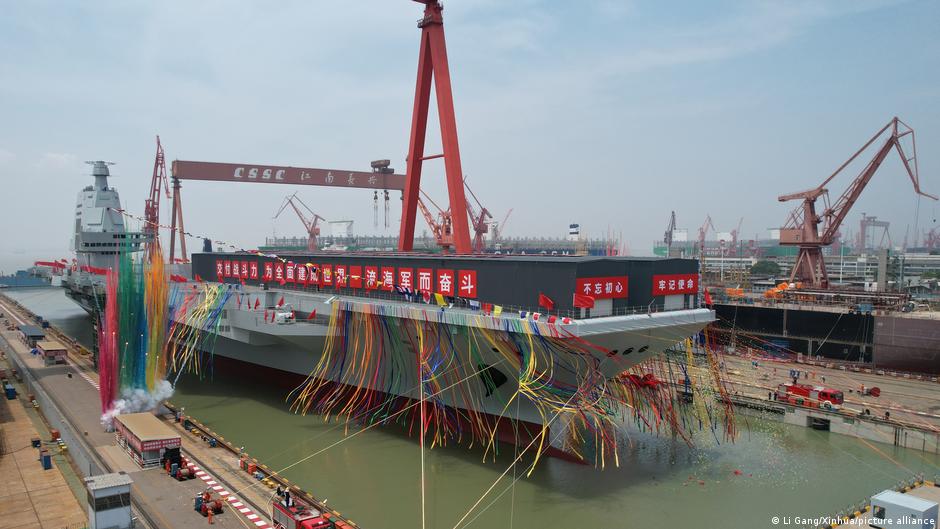
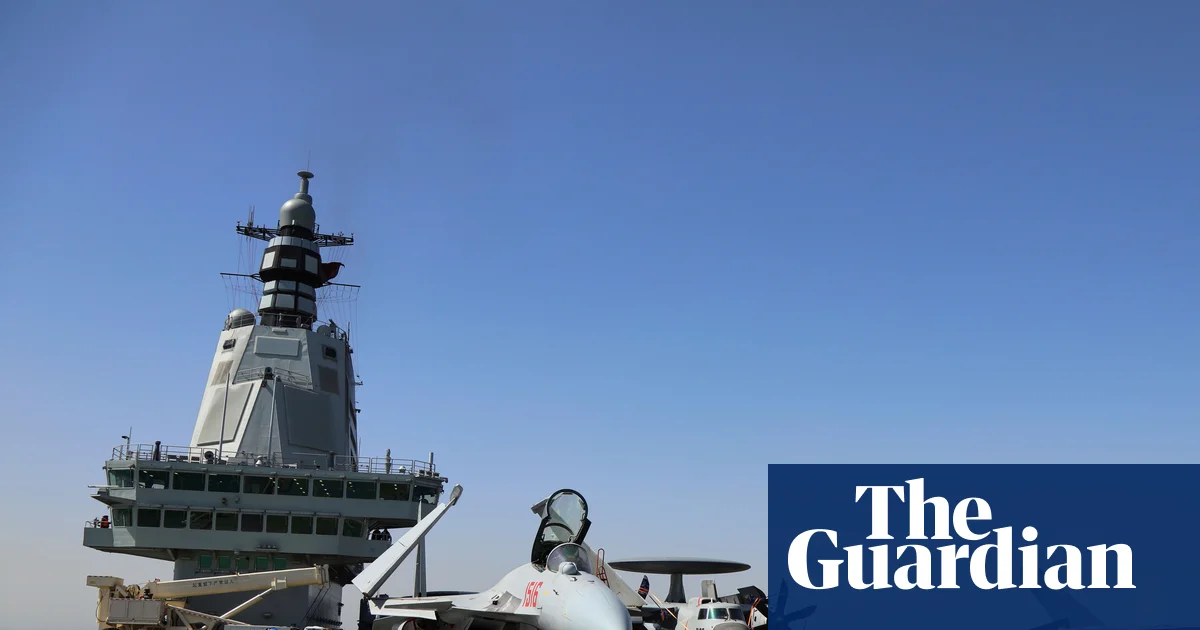
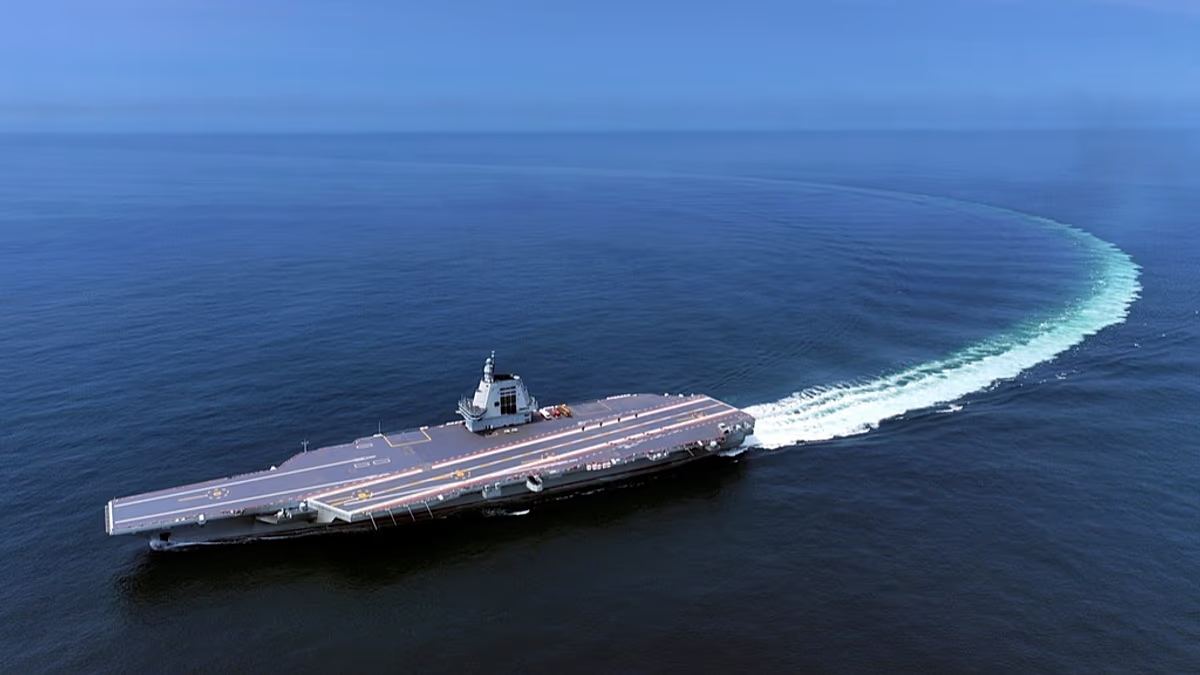
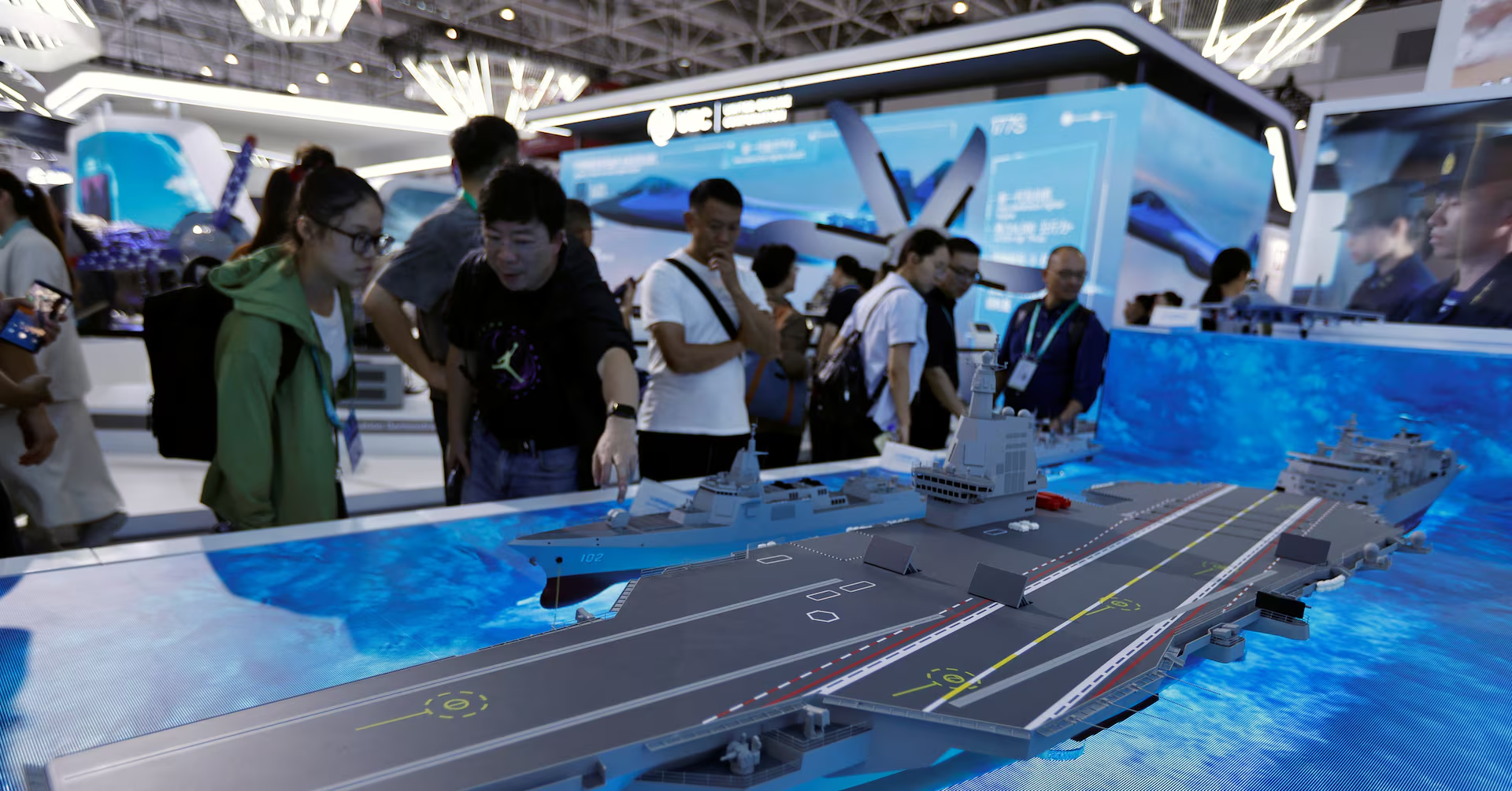
China's PLA Navy has commissioned its third aircraft carrier, the Fujian, which is the first independently designed Chinese carrier equipped with advanced electromagnetic launch technology, enhancing its regional and global military capabilities amid geopolitical tensions and concerns over Taiwan.
China's newest and most advanced aircraft carrier, the Fujian, has entered service, marking a significant step in China's military expansion and modernization, with advanced features like electromagnetic launch systems and the ability to deploy heavier aircraft, enhancing China's naval capabilities and strategic reach.
China has launched its first domestically built aircraft carrier, the Fujian, marking a significant step in its military modernization and efforts to challenge US naval dominance, with advanced features like electromagnetic launch systems and the ability to operate heavy aircraft, signaling China's ambition to project power in the Indo-Pacific region.
China's third aircraft carrier, the Fujian, has been commissioned, marking a significant step in its naval capabilities with advanced features like electromagnetic catapults and the ability to carry heavier aircraft. While it is a milestone in China's military modernization, analysts suggest it will take at least a year to reach full operational capability, and its deployment will be closely watched for regional influence and potential use around Taiwan.