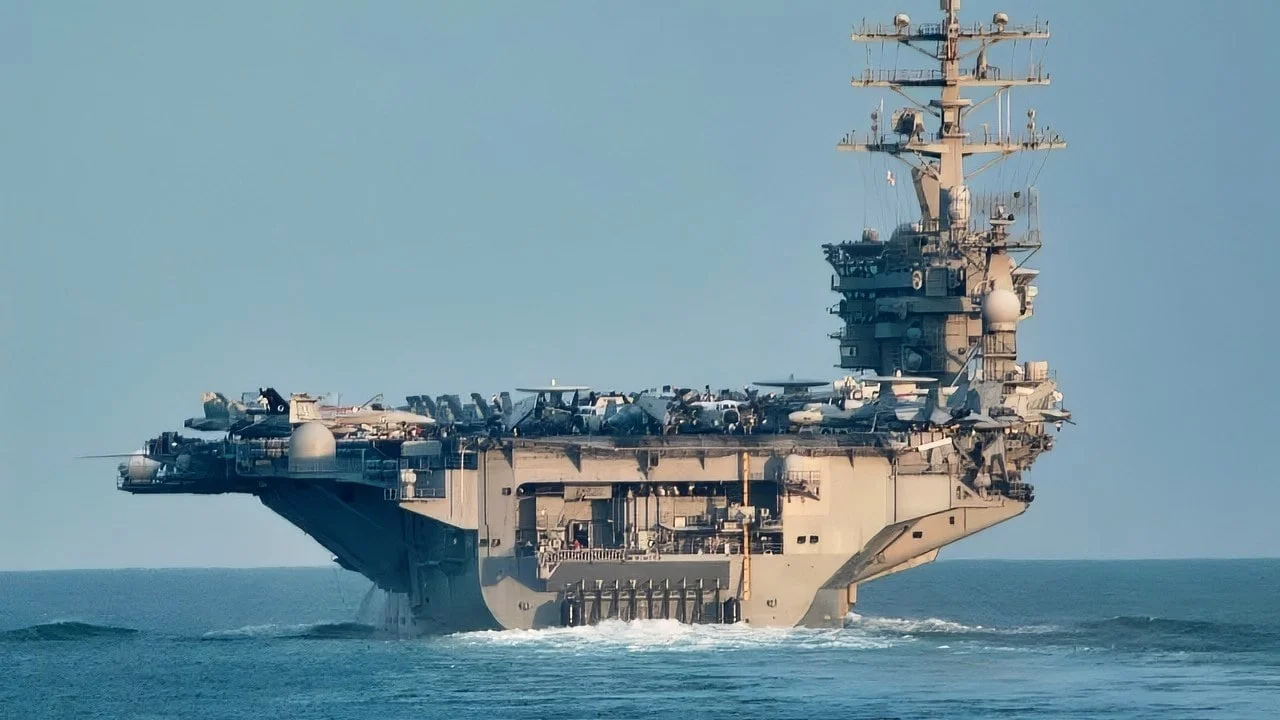
Air Force and Space Force leaders announced significant changes including the reorientation of major commands, the creation of new commands and ranks, and a focus on combat readiness and weapons development. The changes aim to enhance readiness and gain a warfighting edge in the face of increasing great power competition with China. These changes include the establishment of new commands such as the Integrated Capabilities Command and the Space Force Futures Command, as well as the reorganization of operational wings and the creation of new combat squadrons. Additionally, the reorganization will involve the establishment of new offices to centralize oversight of capability development and a focus on preparing Airmen for a more expeditionary future.
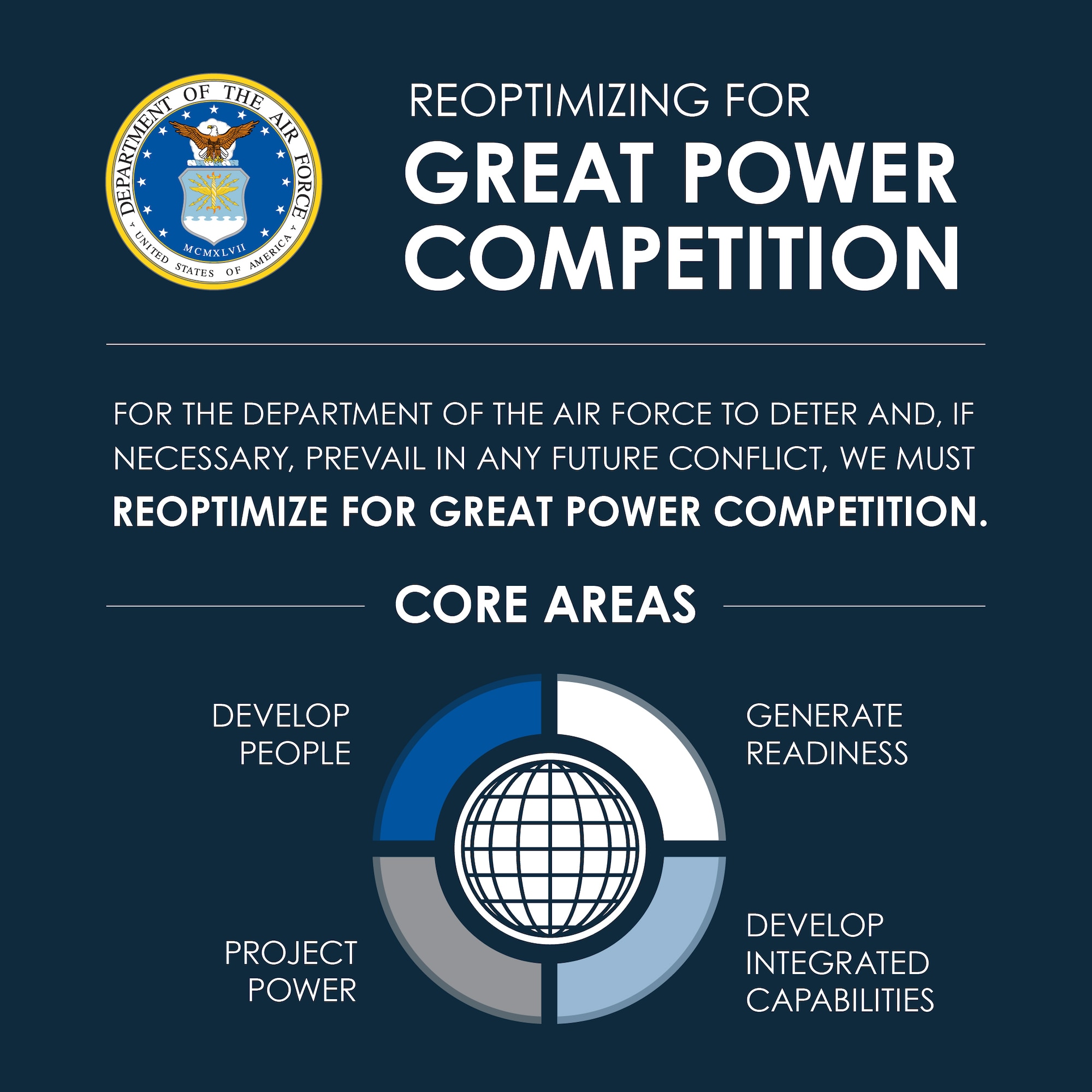
The Department of the Air Force and Space Force have announced extensive plans to reshape and optimize their forces to maintain superiority in the face of Great Power Competition. The changes include consolidating force development functions, reorienting Air Combat Command, restructuring key processes related to aviation spares and weapons systems, and creating new commands and offices to drive capability development and resource prioritization. The plan aims to develop people, generate readiness, project power, and develop capabilities to ensure the services are prepared for the challenges of Great Power Competition.
The Pentagon is urging Congress to approve a supplemental funding package to support Ukraine, warning that the money available for Ukraine will dwindle, forcing tough choices between supporting Ukraine and maintaining U.S. readiness. The Department of Defense currently has about $4.4 billion left for Ukraine support. Congress has passed the bipartisan National Defense Authorization Act, which authorizes a pay increase for service members and investments in national security, but the Pentagon is calling for additional funding. Talks on the supplemental package are ongoing, with Republicans demanding border security measures be tied to aid for Ukraine.
Defense leaders assure that the nation will remain protected during a possible government shutdown, but service members may not receive pay. Training operations could be curtailed, impacting long-term readiness. Efforts to support Ukraine may also be hampered. While national security will be maintained, the lack of training and potential furloughs could affect the overall mission. The ability to provide additional equipment and support to Ukraine may be impacted, although already approved funding is available.
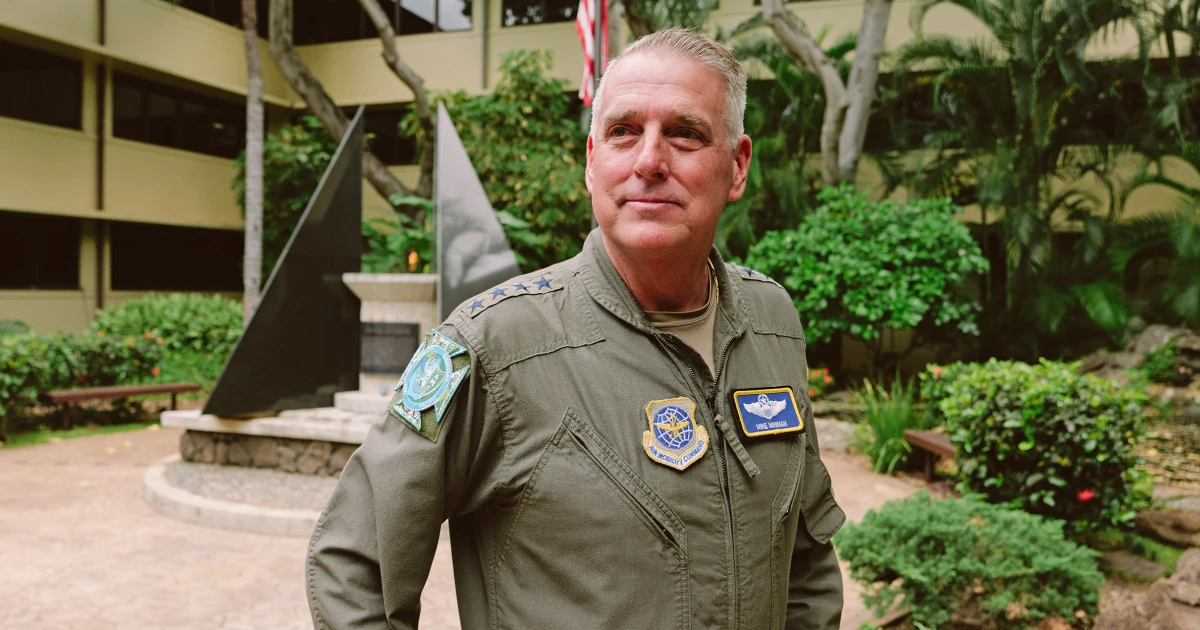
The U.S. Air Force is conducting its largest readiness exercise in history, called Mobility Guardian, with the focus on the Pacific region as tensions with China rise. The exercise involves 70 aircraft and over 3,000 airmen from seven countries, practicing resupply missions, aerial refueling, and medical evacuations. Gen. Mike Minihan, head of Air Mobility Command, stands by his controversial memo warning of a potential war with China in two years and emphasizes the importance of being ready now for deterrence and decisive victory. While experts believe an armed conflict between the U.S. and China is unlikely, concerns remain due to recent close encounters between their militaries.
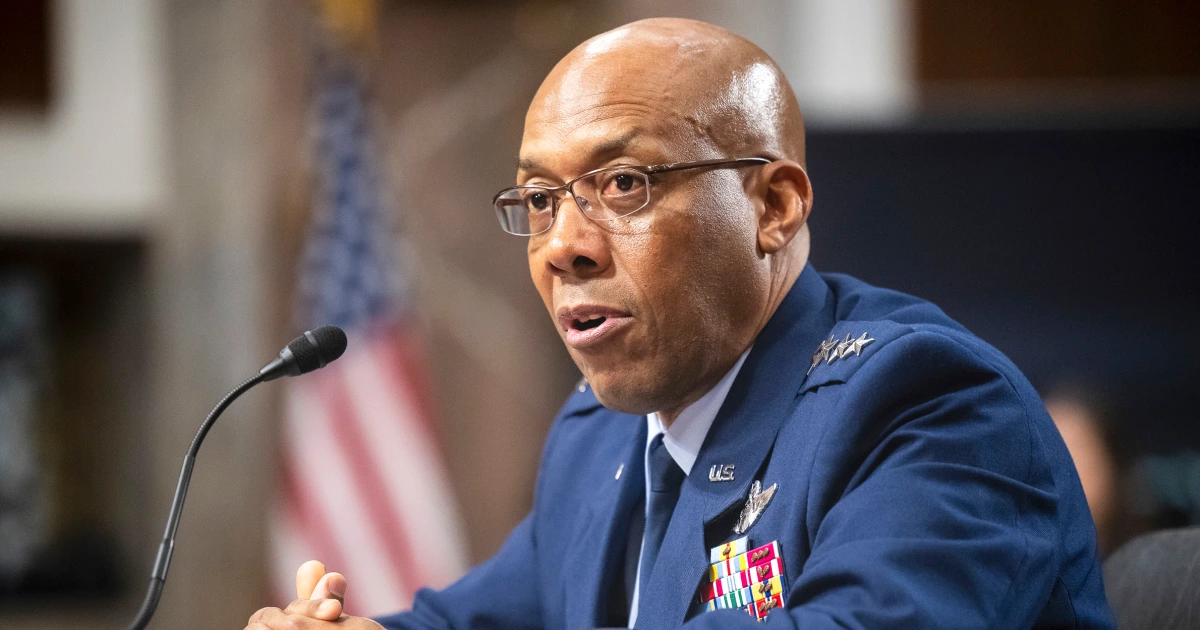
General Charles Q. Brown Jr., President Biden's nominee for chairman of the Joint Chiefs of Staff, warned lawmakers that the GOP blockade on military promotions could lead to talent loss, affect readiness, and prompt some officers to leave the armed forces. Senator Tommy Tuberville of Alabama has blocked hundreds of promotions in protest of the military's abortion policies, causing financial and logistical burdens for troops' families. As a result, as many as 650 leadership positions may be vacant by year's end, and the Marine Corps is without a confirmed chief for the first time in over 100 years. Democratic senators criticized Tuberville's blockade, while some Republican senators focused on the military's diversity efforts.
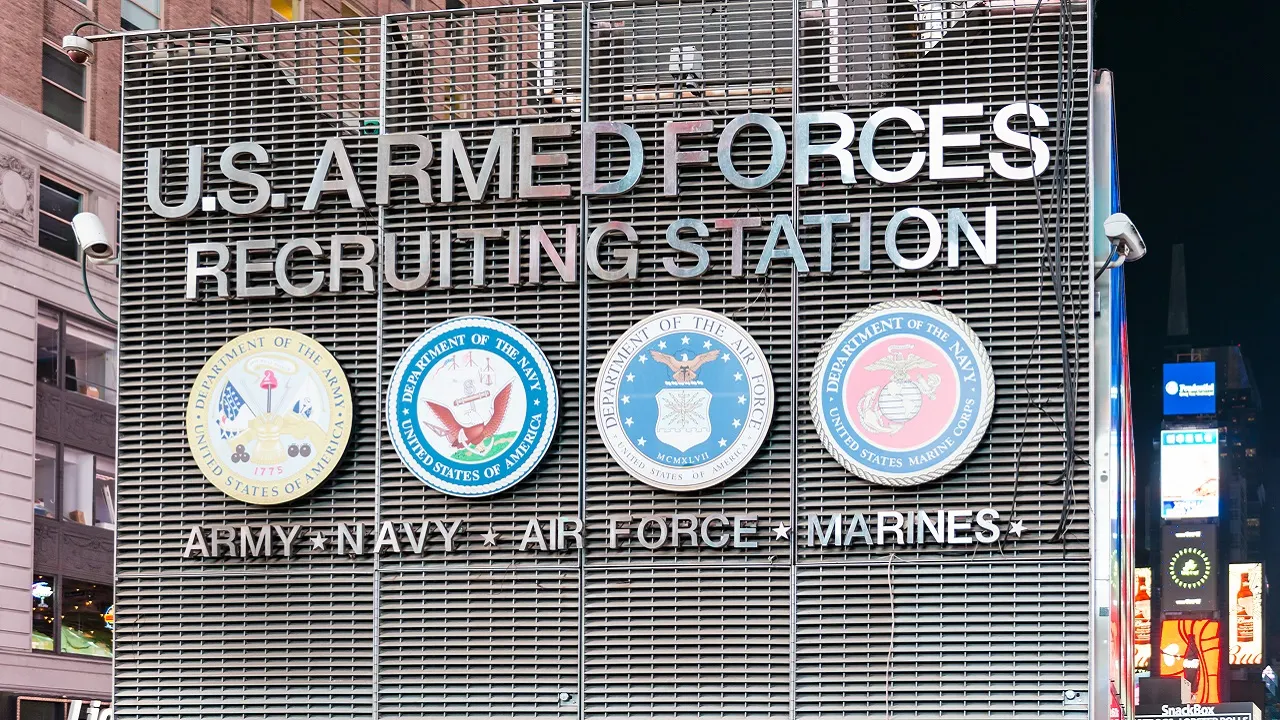
Army Secretary Christine Wormuth pushed back against Republican criticisms that the military is going too "woke," arguing that such critiques are deepening an already troubling recruiting crisis. The military is contending with its worst recruiting crisis since switching to an all-volunteer model over a half century ago, with all branches coming up short of expectations. The Army, the country’s largest military branch, has been particularly hard hit by the crisis, coming up 15,000 recruits short of meeting its fiscal year 2022 goals. Wormuth acknowledged that the perception that the military has gone "woke" was contributing to military recruiting woes, though she argued the problem was being caused by political rhetoric and not any military policies.