Russia is rejecting Ukrainian and European peace plans, while Ukraine continues negotiations with US and German officials. Russian forces face logistical challenges in maintaining multi-directional offensives, and Ukraine's long-range strikes are degrading Russian military infrastructure, including oil refineries and energy facilities. Recent advances and counterattacks are ongoing in various sectors of eastern Ukraine, with Russia focusing on consolidating control over Donbas and preparing for further offensives. The conflict remains intense with significant military and infrastructural impacts.
Russian forces are making incremental advances in Ukraine with heavy aerial bombardments and drone attacks, despite international calls for a ceasefire. The conflict continues to cause significant casualties and infrastructure damage, with Ukraine focusing on long-range strikes to pressure Russia into negotiations. Russia is also adjusting its recruitment strategies amid mounting losses, while both sides experience ongoing territorial and tactical shifts.
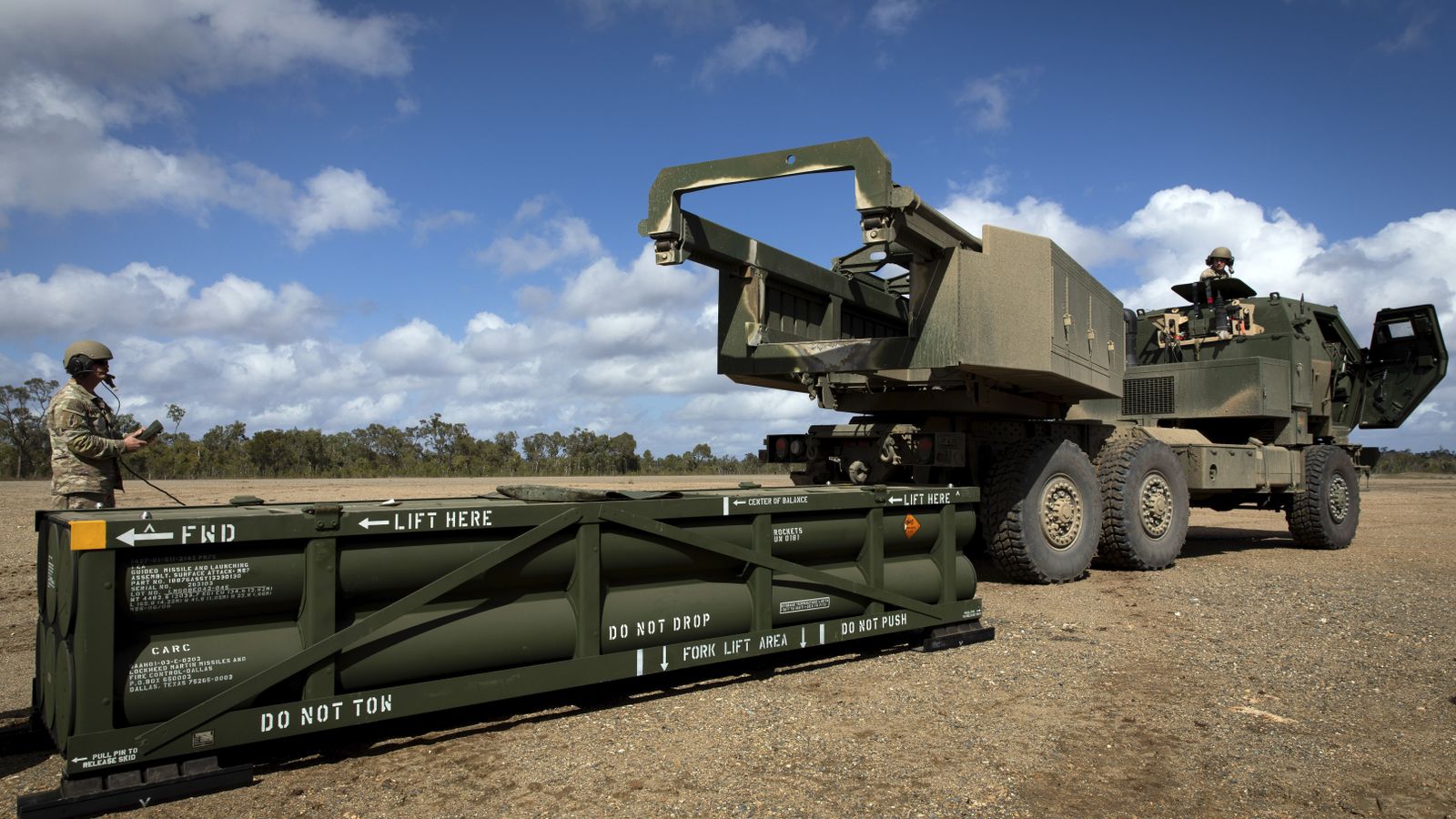
The US has secretly implemented a review process that effectively bans Ukrainian long-range missile strikes inside Russia using American weapons, including ATACMS and Storm Shadow missiles, since late spring, amidst ongoing debates over military support and strategic policy. Despite recent remarks by Trump questioning Ukraine's chances in the war, the US maintains this policy, with Ukraine proposing a $90 billion weapons purchase to secure long-term US security guarantees. Meanwhile, Poland's role in supporting Ukraine has diminished due to domestic issues and military stockpile concerns.
Russia claimed to have shot down over 132 Ukrainian drones over Moscow and surrounding regions, prompting airport disruptions, while Ukraine reported downing 25 Russian drones. Both sides continue long-range drone strikes amid stalled ceasefire negotiations, with Ukraine proposing new talks and prisoner exchanges to achieve peace.
In a significant escalation, President Joe Biden has authorized Ukraine to use US long-range missiles to strike inside Russia, crossing a "red line" set by Russian President Vladimir Putin, who warned it could lead to direct conflict with NATO. This decision also includes targeting North Korean troops allegedly in Russia, marking a potential first use of US weapons against North Korean forces since the Korean War. The move aims to create "facts on the ground" before President-elect Donald Trump takes office, amid a deepening crisis for Ukraine's military and ongoing global tensions.
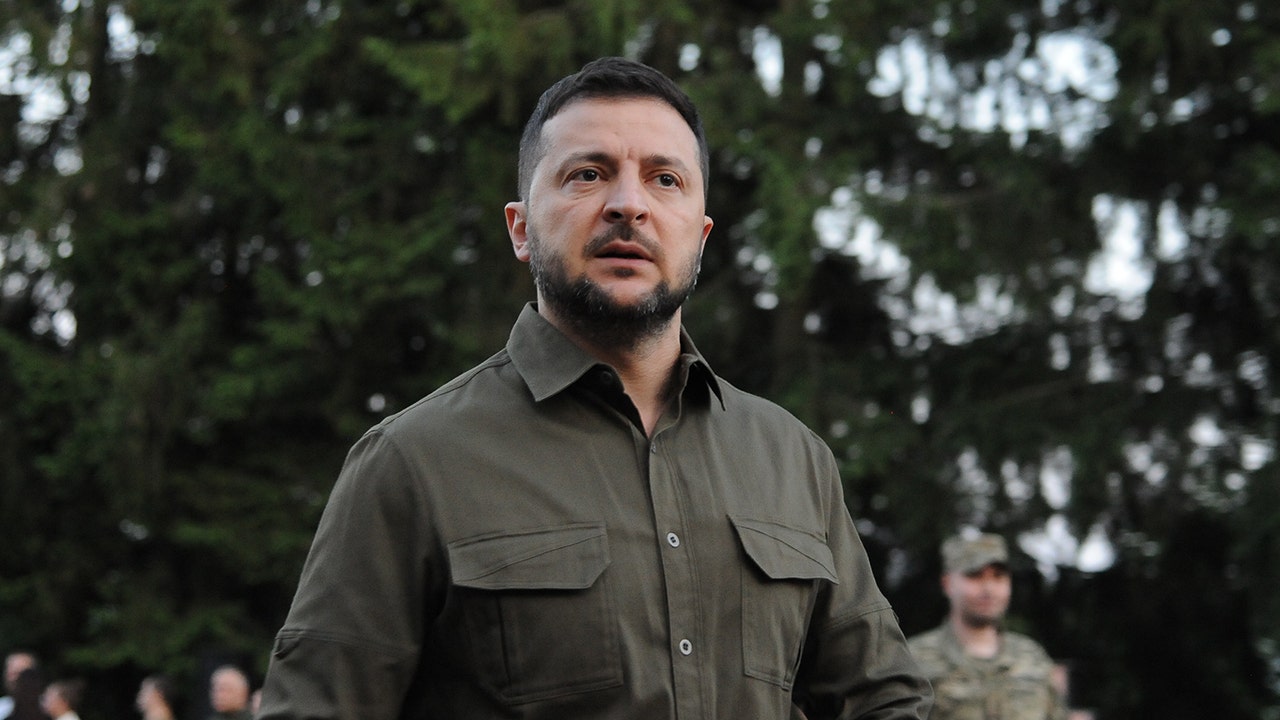
Ukrainian President Volodymr Zelenskyy announced that Ukraine has developed weapons technology capable of striking targets up to 400 miles away, following a bombardment of strikes deep into Russian territory. The attacks on several regions in Russia, including an airport near the border with Estonia and Latvia, damaged military transport planes and destroyed a fuel depot and a microelectronics factory. Ukrainian officials have not taken credit for the attacks, but Ukraine's Minister of Digital Transformation has confirmed the production of drones capable of such strikes. The long-range warfare has given momentum to Ukraine's military strategy, which had previously struggled to make progress in reclaiming invaded territory.
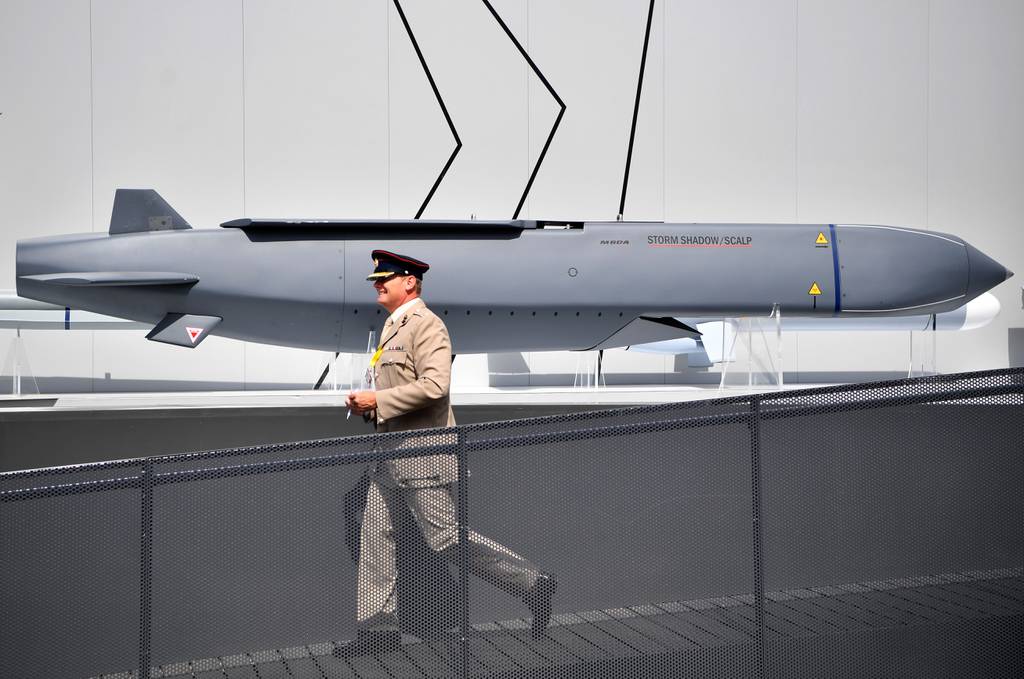
Britain has donated Storm Shadow cruise missiles to the Ukrainian air force, providing Kyiv with a substantial step up in capability to mount long-range strikes against invading Russian forces. The Anglo-French-developed missile has a range in excess of 250 kilometers and is particularly effective against hardened and buried targets. The donation of Storm Shadow missiles means the British are the first nation to supply Kyiv with long-range weapons. The move comes ahead of a long-expected offensive by Kyiv against Russian forces occupying parts of the country.