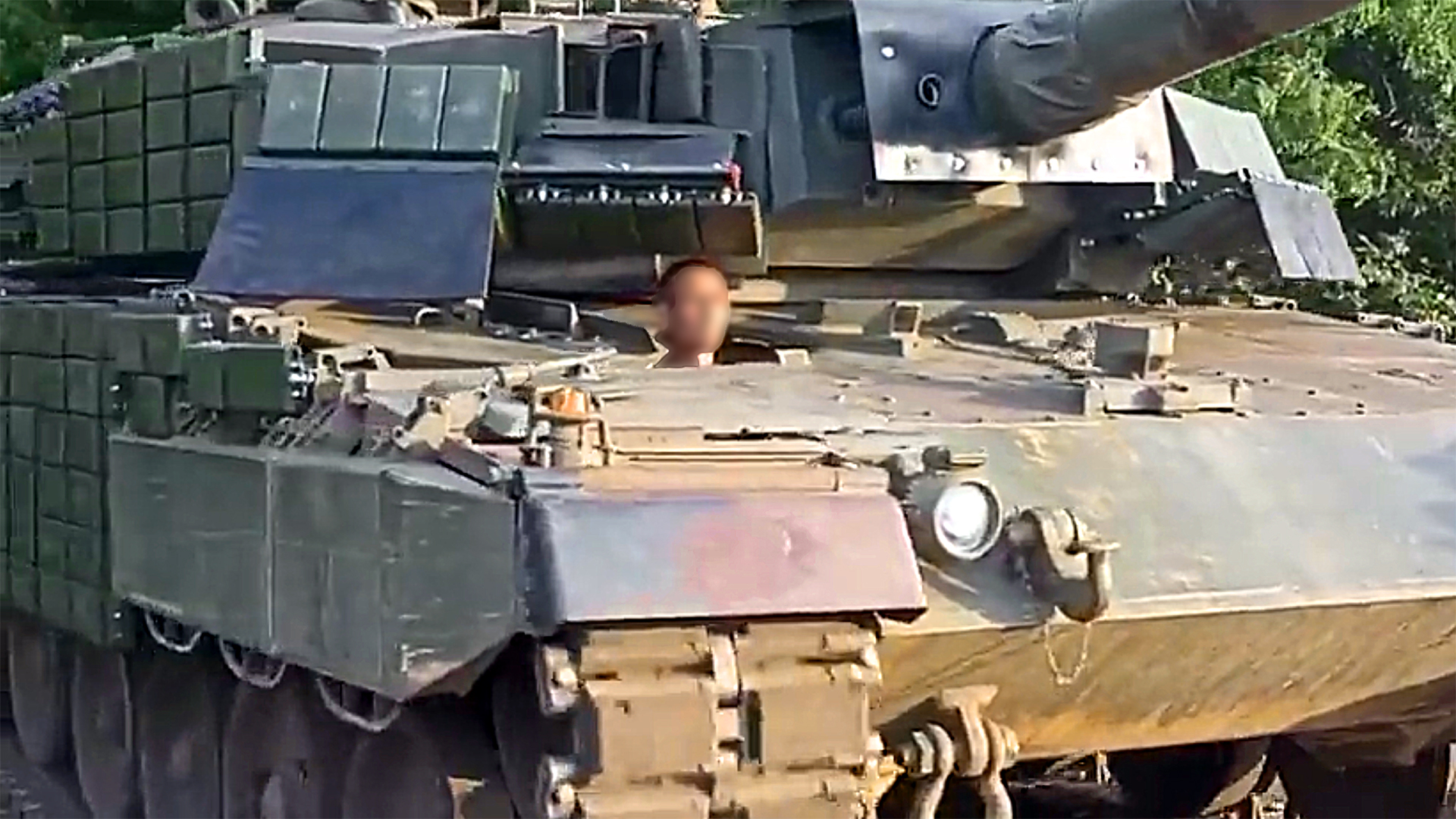
A Ukrainian Leopard 2 tank has been spotted in the field with explosive reactive armor (ERA) bricks, a modification that adds protection against anti-tank munitions. The ERA bricks, known as Kontakt-1, originated from the Soviet Union and are commonly used on both sides' armored vehicles in the ongoing conflict. This modification reflects Ukraine's rapid innovation and adaptation to the evolving battlefield. It remains to be seen if the use of ERA on Ukrainian Leopard 2 tanks will become standard as the country's counteroffensive continues.
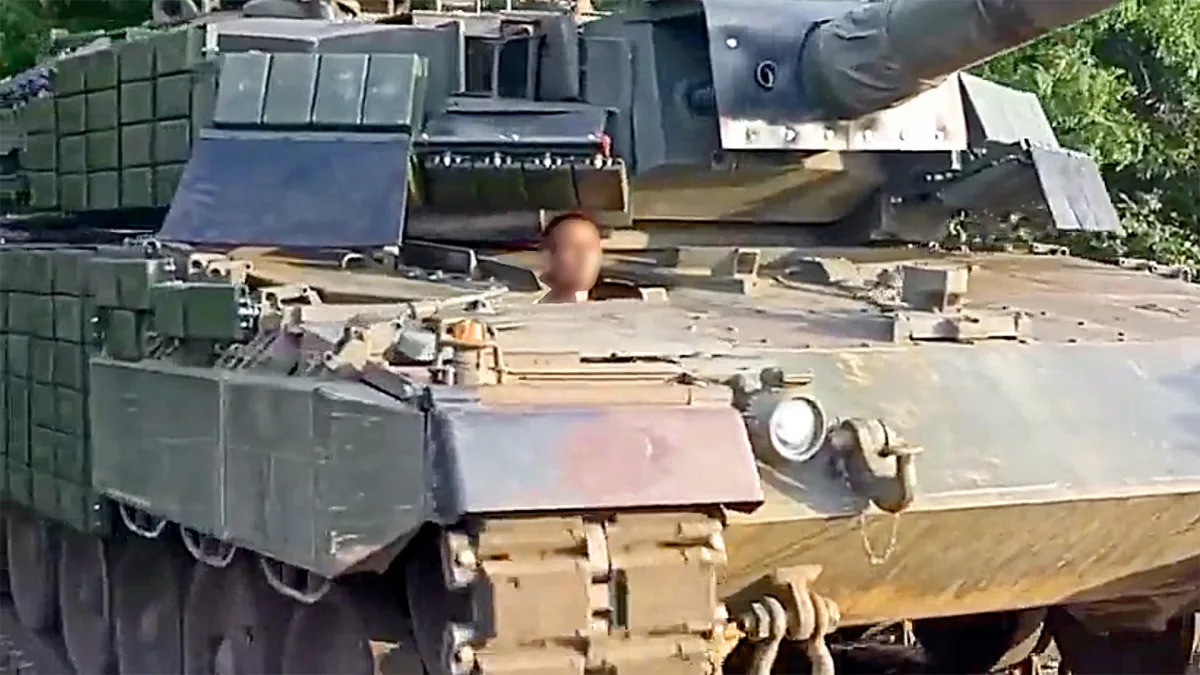
A Ukrainian Leopard 2 tank has been spotted in the field with explosive reactive armor (ERA) bricks, a modification that traces its roots back to the Soviet Union. The tank, designated as the 2A4V, is part of Ukraine's rapid innovation in response to the ongoing conflict. The addition of ERA provides increased protection against anti-tank munitions and closer-range weapons. This modification highlights the evolving nature of warfare and the adaptation of advanced NATO equipment with capabilities designed by the foe it was intended to deter.
A Ukrainian Leopard 2 tank has been spotted in the field with explosive reactive armor (ERA) bricks, which provide additional protection against anti-tank munitions. The ERA bricks, known as Kontakt-1, trace their roots back to the Soviet Union. This particular tank is of Canadian origin, as Canada has sent eight tanks to support Ukraine's war effort. The addition of ERA to the Leopard tanks reflects Ukraine's rapid innovation and the lessons learned from the ongoing conflict. It remains to be seen if the use of ERA on Ukrainian Leopard 2s will become standard as Ukraine's counteroffensive continues.
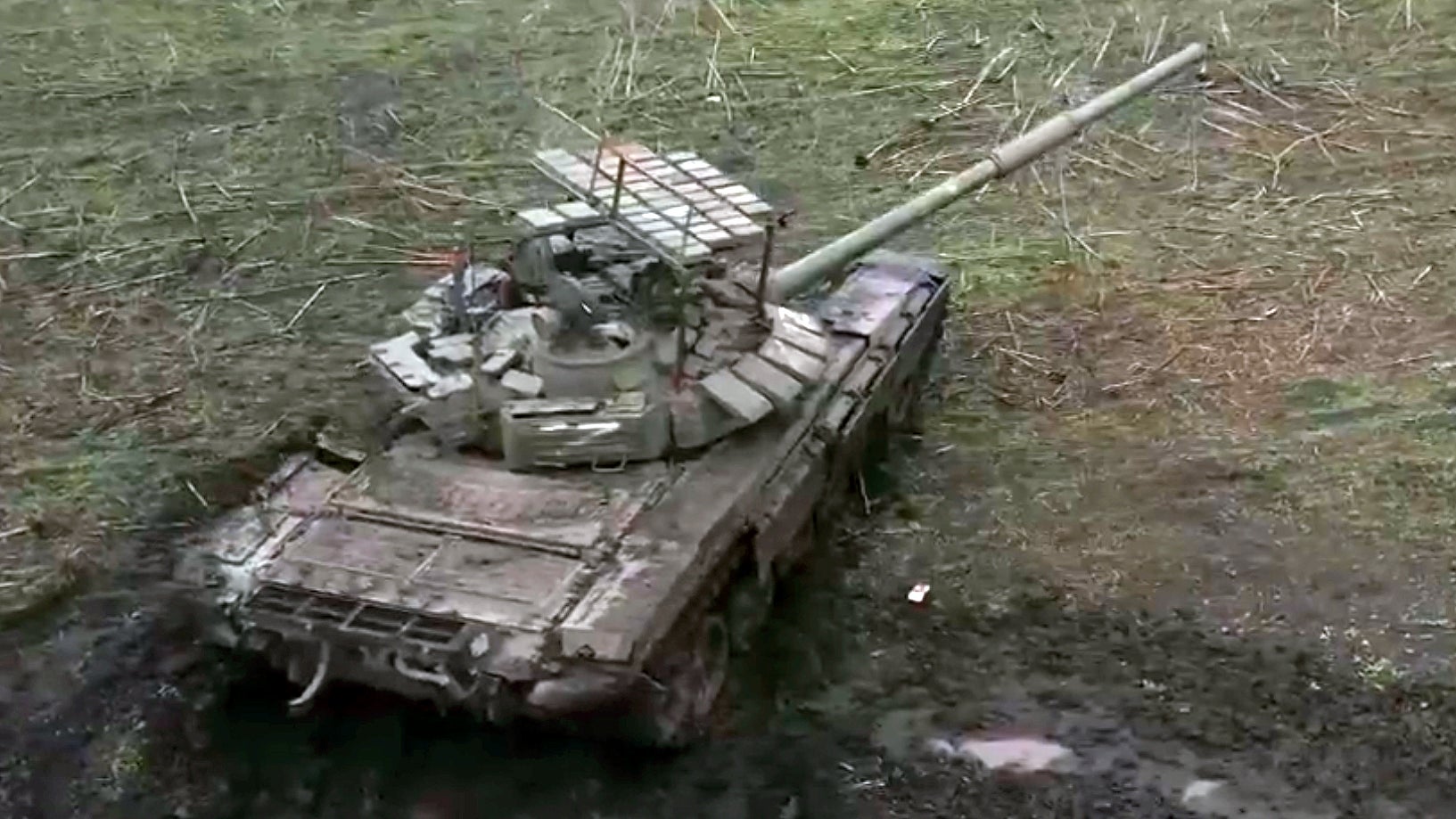
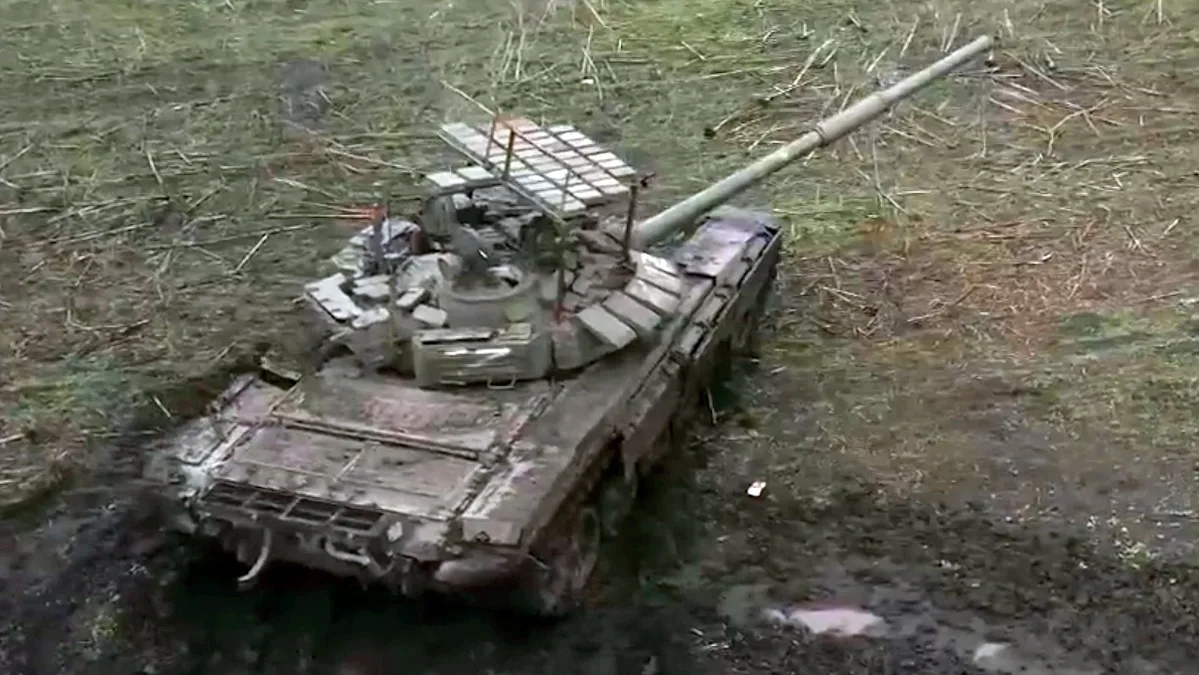
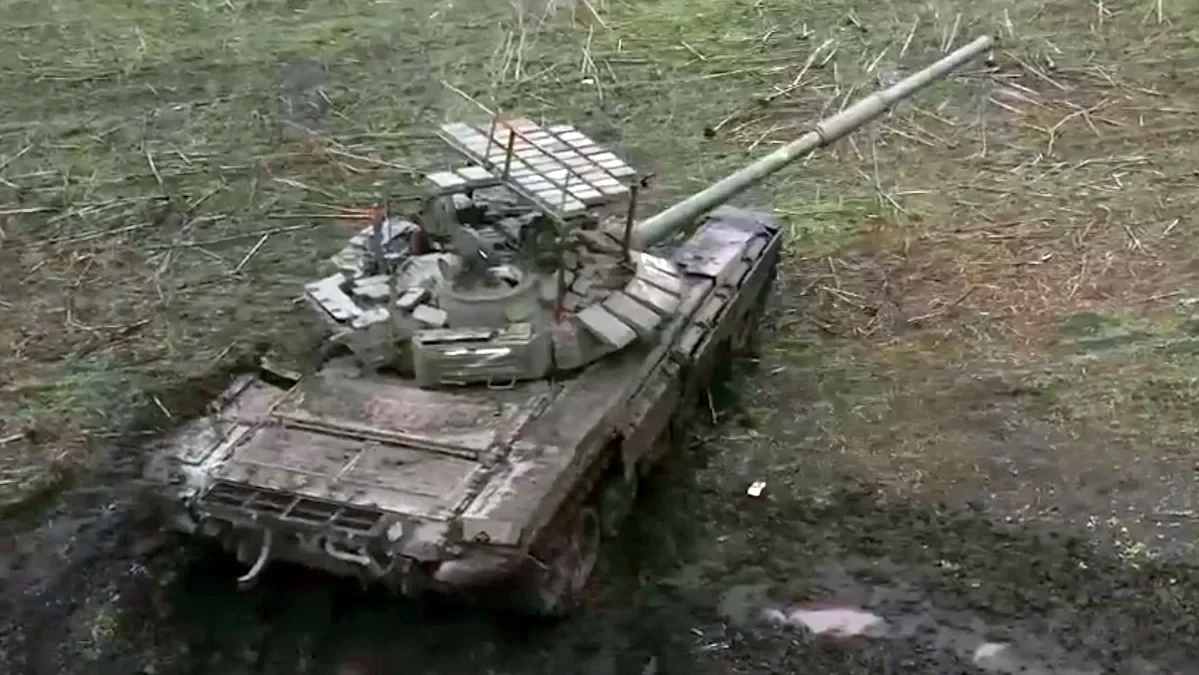
A video released by the Russian Ministry of Defense shows a T-72B3 tank with a "cope cage" covered in Kontakt-1 explosive reactive armor bricks, designed to counter loitering munitions and drones. The ERA works to defend against attacks by armor-penetrating weapons by detonating on impact, disrupting the weapon's effects or destroying it outright. It is unclear if the Kontakt-1 bricks could make the cope cage more viable against top-attack capable anti-tank missiles. The evolution and proliferation of these screens has been ongoing, with work still ongoing to make them serve their intended purpose in a more robust manner.
A video released by the Russian Ministry of Defense shows a T-72B3 tank with a metal screen, known as "cope cage," and an added layer of Kontakt-1 explosive reactive armor (ERA) bricks on top. The cope cage is a countermeasure against loitering munitions and drones, particularly the Turkish-made TB-2. The ERA works to defend against attacks by armor-penetrating weapons, such as high-explosive, armor-piercing rounds. It is unclear if the Kontakt-1 bricks could make the cope cage more viable against top-attack capable anti-tank missiles.