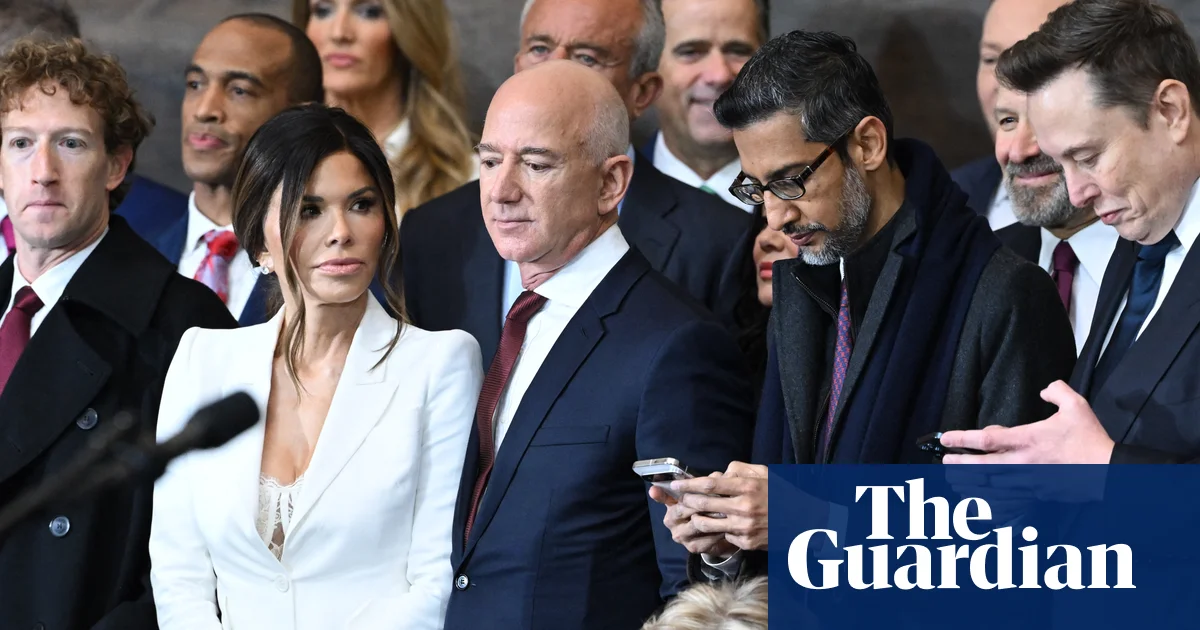
In 2025, the world's richest individuals added a record $2.2 trillion to their wealth, reaching nearly $12 trillion, driven mainly by big tech and AI. Despite this wealth surge, many ultra-wealthy are losing faith in the American Dream, with a declining percentage viewing North America as the top investment opportunity, and more looking towards Europe. Meanwhile, the number of millionaires worldwide has quadrupled since 2000, highlighting growing wealth inequality and changing perceptions of economic prospects.
New research reveals that the average worker in the UK would need 52 years of saving all earnings to move from middle class to wealthy, highlighting significant wealth gaps and low mobility, while in the US, it would take nearly 70 years of full-time work to reach the American Dream, emphasizing the growing challenge of wealth accumulation amid rising costs and economic disparities.
A report from Oxfam reveals that the top 10 US billionaires gained $698 billion this year, mainly from tech and AI profits, while over 40% of Americans remain poor or low-income. The report criticizes recent tax reforms under the Trump administration for favoring the wealthy, exacerbating the wealth gap, and warns that economic inequality is likely to worsen amid recession fears and job scarcity.
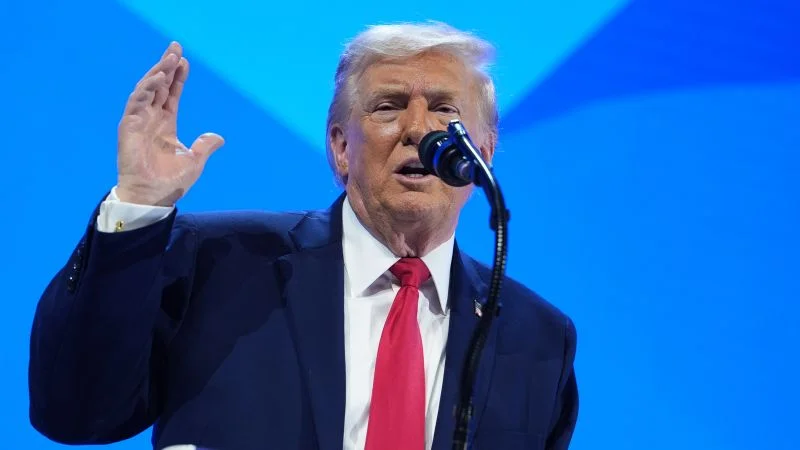
Since Trump's reelection, the top 10 richest Americans have gained nearly $700 billion, highlighting a significant increase in wealth concentration among the ultra-rich, driven by policies like tax cuts that have widened economic inequality and undermined the financial stability of working-class Americans. Experts call for reforms such as wealth taxes, higher corporate taxes, and social safety net expansions to address this growing disparity.
The collective wealth of the top 10 US billionaires increased by $698 billion in the past year, highlighting the growing wealth gap in the US, which is exacerbated by policies that favor the wealthy and dismantle social safety nets. The report from Oxfam America calls for reforms in tax policy, campaign finance, and labor protections to address inequality, emphasizing that such disparities are a result of policy choices supported by both political parties.
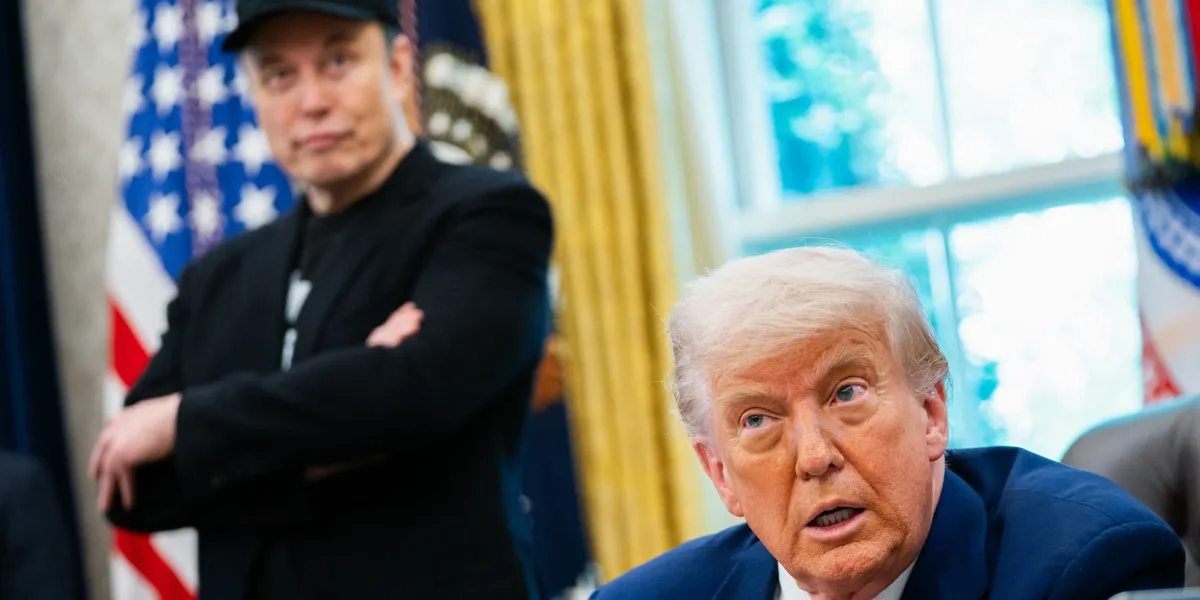
The article contrasts Donald Trump's lavish White House events and personal wealth with the ongoing government shutdown that threatens social safety nets like food assistance, highlighting stark economic disparities and political controversies.
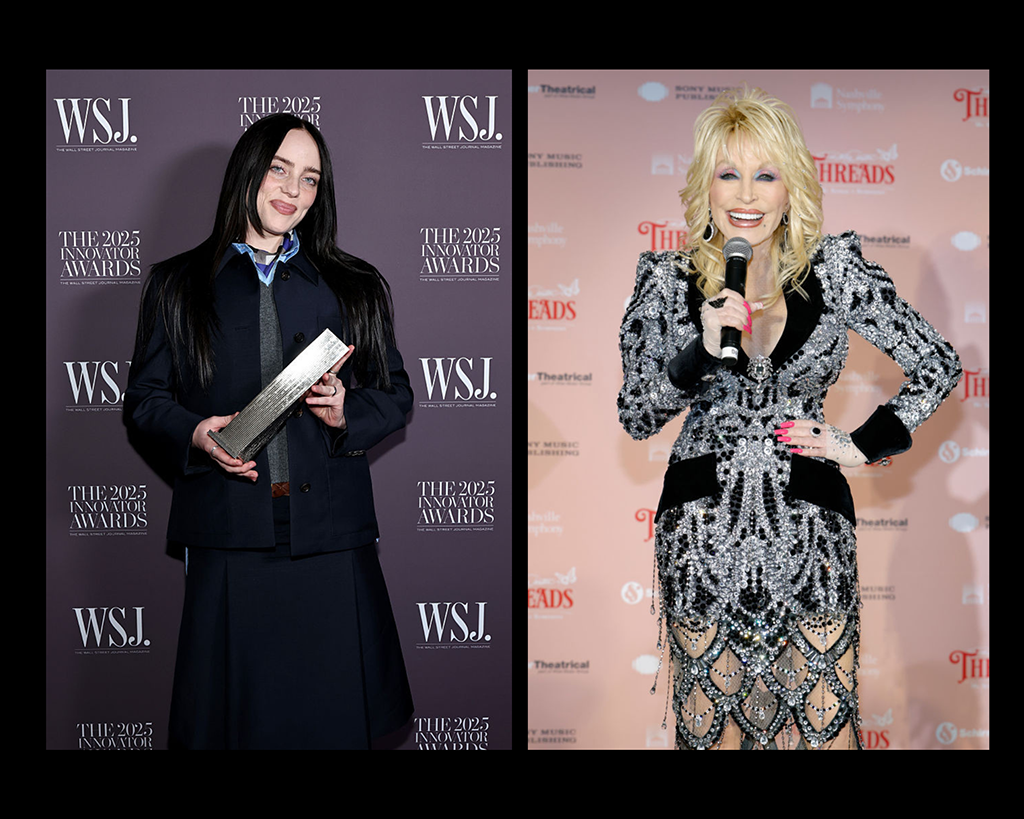
Billie Eilish criticized billionaires for hoarding wealth and called for giving back, while Dolly Parton exemplifies philanthropy through her charitable work, highlighting a cultural debate on wealth responsibility and social good.
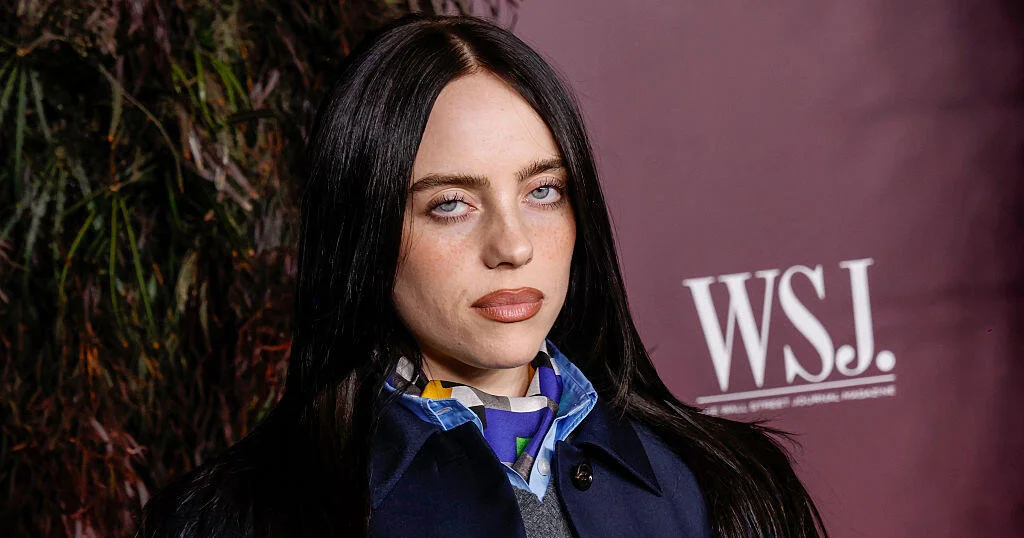
Billie Eilish publicly urged billionaires to donate more of their wealth to address global issues, emphasizing the need for empathy and support for those in need, and highlighting her own philanthropic efforts and the broader context of increasing wealth inequality.
Billie Eilish used her award acceptance speech to question billionaires about wealth inequality, urging them to give more to those in need, while also donating $11.5 million from her tour to support social and environmental causes, highlighting her stance on social responsibility.
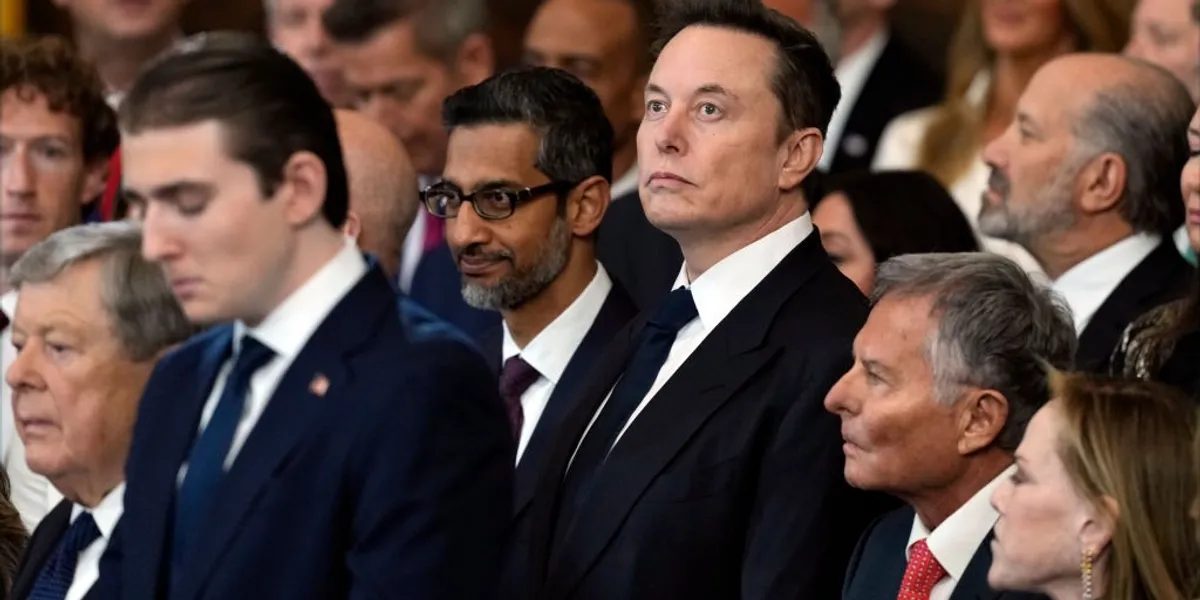
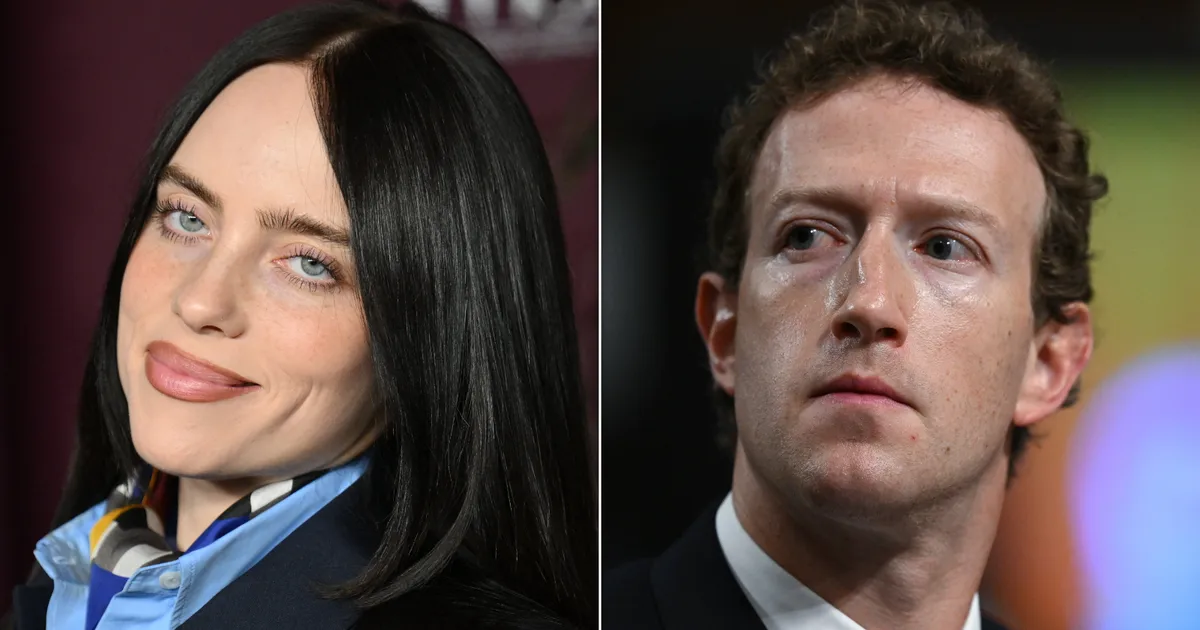
Billie Eilish, during an award acceptance speech attended by Mark Zuckerberg, called out billionaires to donate their wealth to help those in need, highlighting the growing wealth gap and encouraging the mega-rich to use their money for good. She announced her own donation of $11.5 million to a charity addressing climate change and food insecurity.
Ray Dalio warns that the US economy is increasingly dependent on its top 1% of workers and industries like technology, while a large portion of the population struggles with low literacy and productivity, leading to significant inequality and potential economic vulnerabilities.
The article explores how redistributing the wealth of the world's billionaires, especially the top 10, among Americans could provide each person with a few thousand dollars, potentially reducing wealth inequality and offering short-term financial relief, though long-term effects are uncertain.
Yvon Chouinard, founder of Patagonia, lived a frugal life surviving on $1 a day before becoming a billionaire. Disgusted by his billionaire status, he transferred Patagonia's ownership to a trust and nonprofit to combat climate change and avoid the pitfalls of wealth accumulation, reflecting his stance against wealth inequality. Despite the rise in billionaire wealth globally, some billionaires like Chouinard are choosing to give away their fortunes to promote social and environmental causes.
Yvon Chouinard, founder of Patagonia, who once lived on $1 a day and ate cat food, was upset to be listed as a billionaire and chose to transfer his company's ownership to a trust and nonprofit to combat climate change and avoid billionaire status, reflecting his disdain for wealth inequality and corporate greed.
Jerome Powell highlighted that the US economy is experiencing unusually high activity driven by AI investments, which are concentrated among wealthy firms and households, potentially deepening inequality and creating a skewed economic recovery. The growth is largely fueled by a few tech giants and affluent consumers, while lower-income groups face challenges in employment and income, raising concerns about the sustainability and fairness of the current economic expansion.