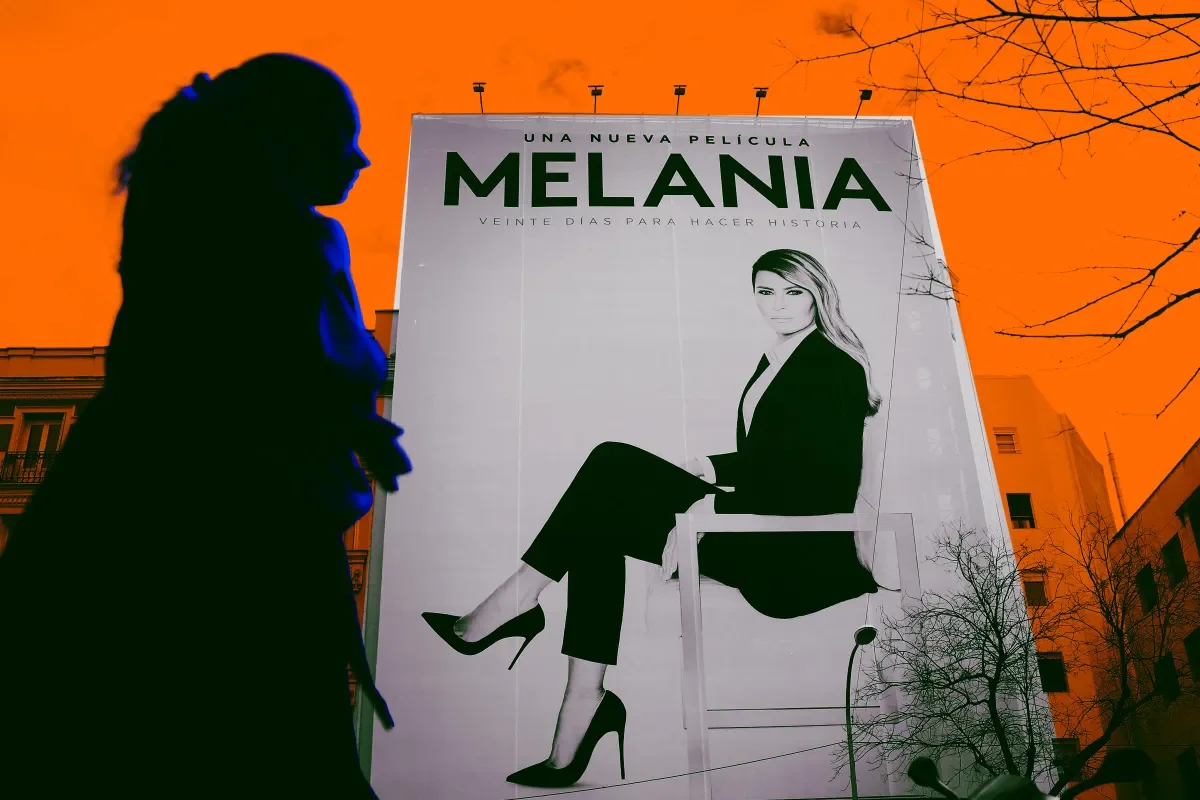
Prominent tech CEOs who attended a private White House screening of Melania Trump’s documentary have remained silent on both the film and a fatal Minneapolis immigration raid, with analysts suggesting their restraint reflects ethics over earnings and fear of public backlash.
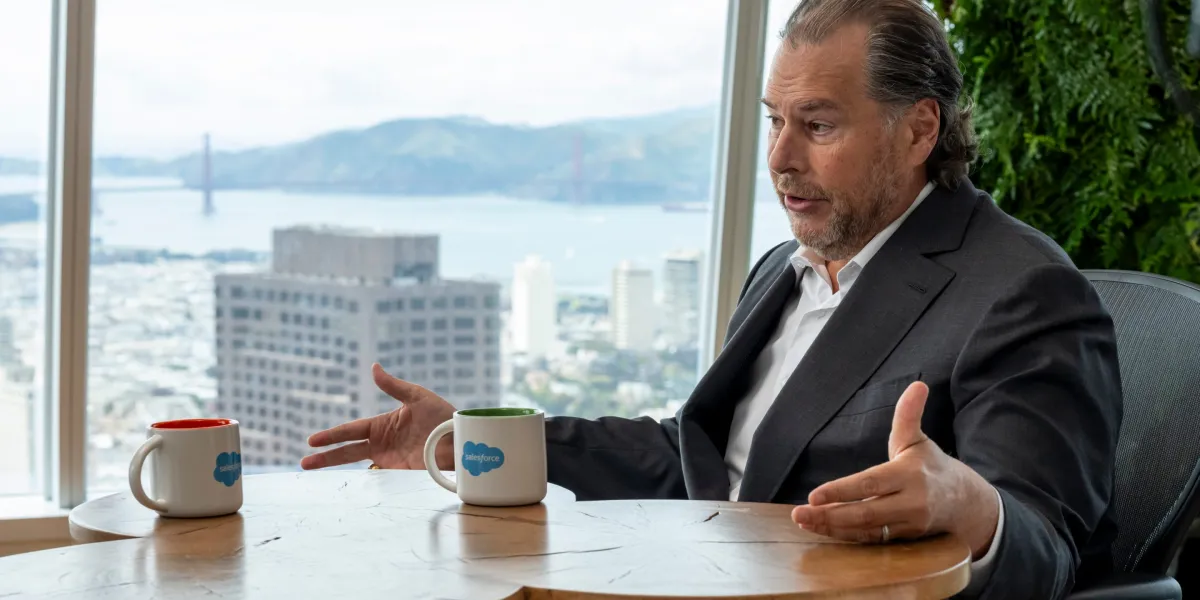
Salesforce CEO Marc Benioff expressed support for sending National Guard troops to San Francisco to address police shortages and crime, aligning with President Trump's proposals, despite the city’s crime rates being relatively low and challenges in recruiting officers. Benioff's stance reflects a broader trend of tech leaders engaging with political figures, including attending events with President Trump and supporting his policies.
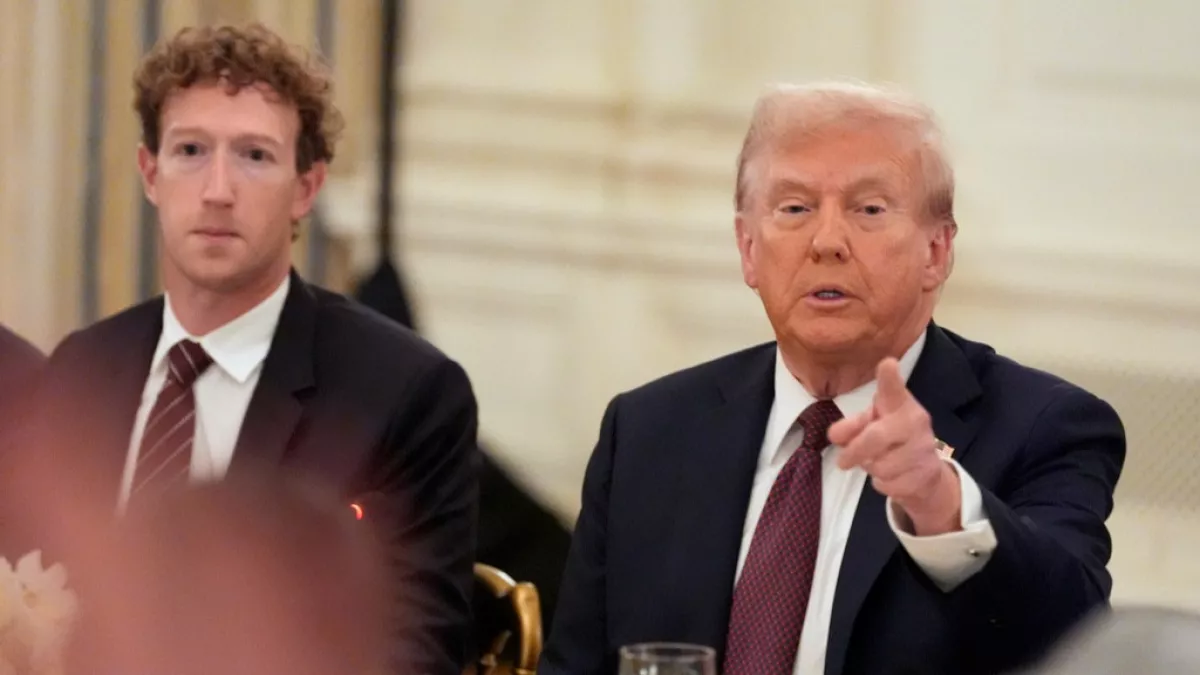
Elon Musk was notably absent from a White House dinner with US tech leaders hosted by Donald Trump, amid ongoing disagreements, while other prominent figures like Sam Altman and CEOs of major tech companies attended, highlighting shifting alliances in the US tech industry.
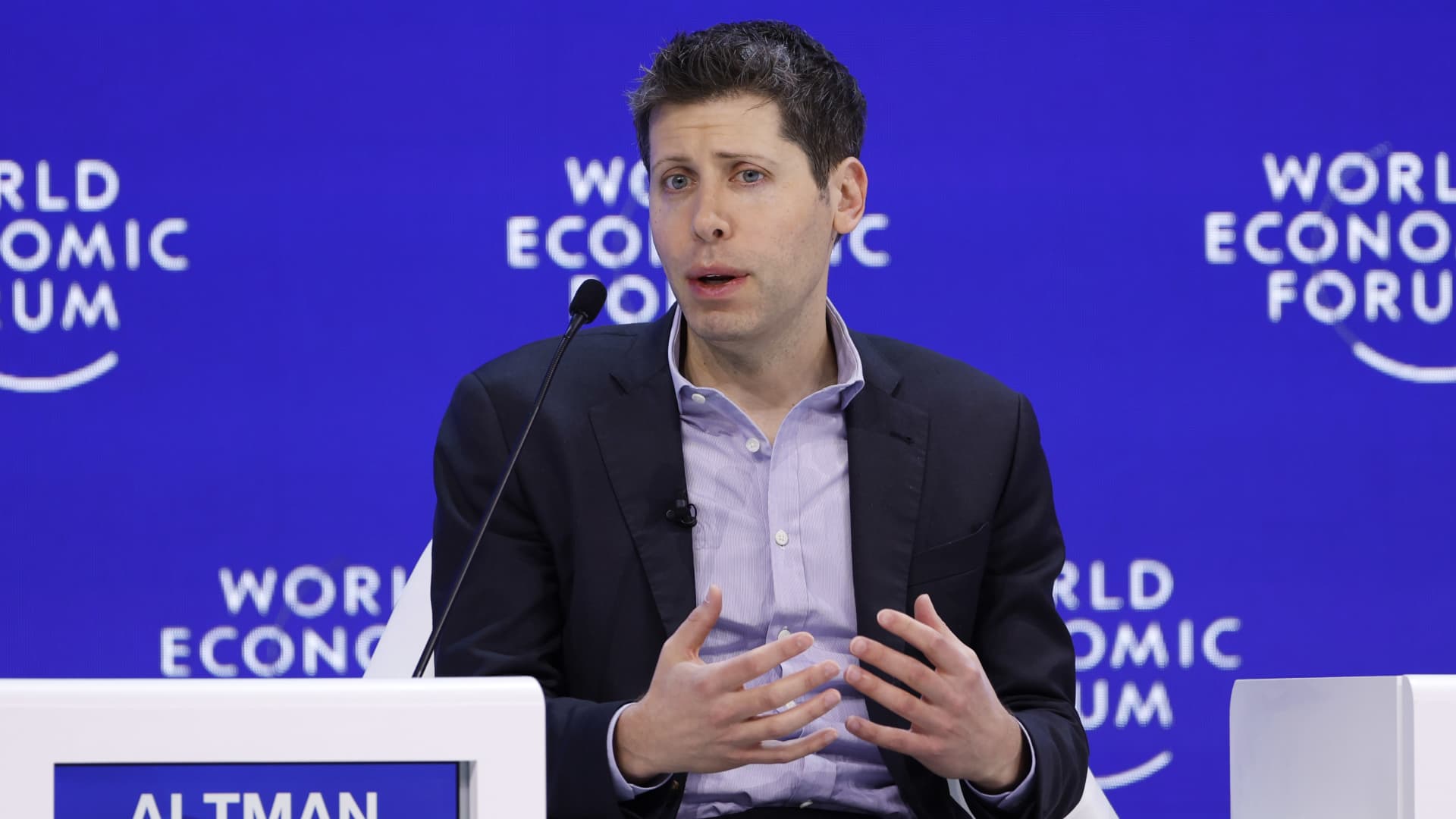
Tech executives at the World Economic Forum discussed the potential arrival of artificial general intelligence (AGI), with some believing it could be developed in the near future. However, there is uncertainty about what AGI will look like and how it will be integrated into society. Concerns were raised about the risks and opportunities presented by AI, including lack of transparency, job losses, social manipulation, surveillance, and data privacy. Executives also emphasized the need for responsible stewardship of AI technology and the importance of addressing safety and ethical concerns. Some experts cautioned that while AI has made significant progress, it still lacks common sense and reasoning abilities.
Tech executives are expressing concerns over the concentration of artificial intelligence (AI) development in the hands of a few big tech companies, giving them excessive power and control over the technology. They argue that the current AI landscape is driven by profit and shareholder returns, leading to socially consequential decisions. The executives also highlight the loss of user control over data and the potential for AI to exacerbate the influence of tech giants. However, some believe that open-source models could disrupt the current AI landscape by allowing the development of competing applications without the need for massive resources.
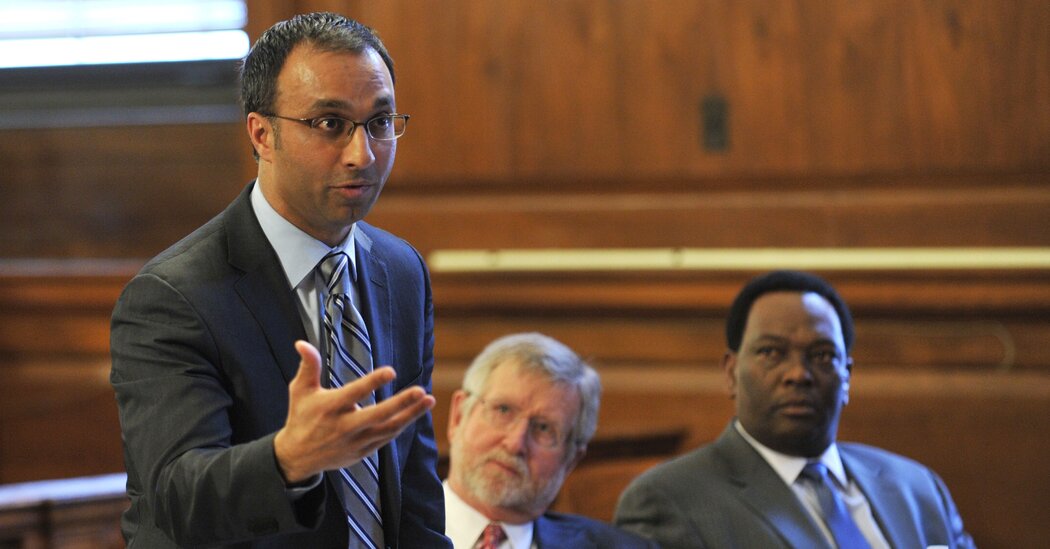
The upcoming antitrust trial against Google will feature testimony from top tech executives, engineers, economists, and academics, as the government seeks to determine if Google abused its monopoly in online search. The trial will be overseen by Judge Amit P. Mehta, who was appointed by President Barack Obama in 2014. The key figures in the trial include Jonathan Kanter, the assistant attorney general for antitrust at the Justice Department, who inherited the case from the Trump administration, and Sundar Pichai, Google's chief executive, who is expected to testify. The defense will be led by Kent Walker, Google's president of global affairs, and John E. Schmidtlein, a partner at Williams & Connolly.
Tech executives, including Jeff Bezos and Mark Zuckerberg, are investing in their health and wellness with big-ticket items such as $150,000 red-light therapy beds and $70,000 hyperbaric chambers. A survey of 500 tech industry subscribers revealed that wellness expenditures like massages, saunas, and supplements were popular, with some respondents purchasing red light therapy beds for personal use. Other splurges included hyperbaric chambers and wellness practices like cryotherapy. The trend of investing in health and longevity is gaining popularity among tech billionaires, who are also willing to spend on cosmetic procedures like Botox.