Holiday spending in Canada increased overall, driven by higher-income and older consumers, while younger shoppers and lower-income groups cut back, illustrating a 'K-shaped' economic recovery with divergent spending patterns across demographics.
Despite the common perception, only 36% of American millionaires consider themselves wealthy in 2025, as many worry about outliving their savings and feel that $1 million is no longer enough to feel truly wealthy, with the rise of 'everyday millionaires' and increasing costs of the American dream.
A report from Oxfam reveals that the top 10 US billionaires gained $698 billion this year, mainly from tech and AI profits, while over 40% of Americans remain poor or low-income. The report criticizes recent tax reforms under the Trump administration for favoring the wealthy, exacerbating the wealth gap, and warns that economic inequality is likely to worsen amid recession fears and job scarcity.
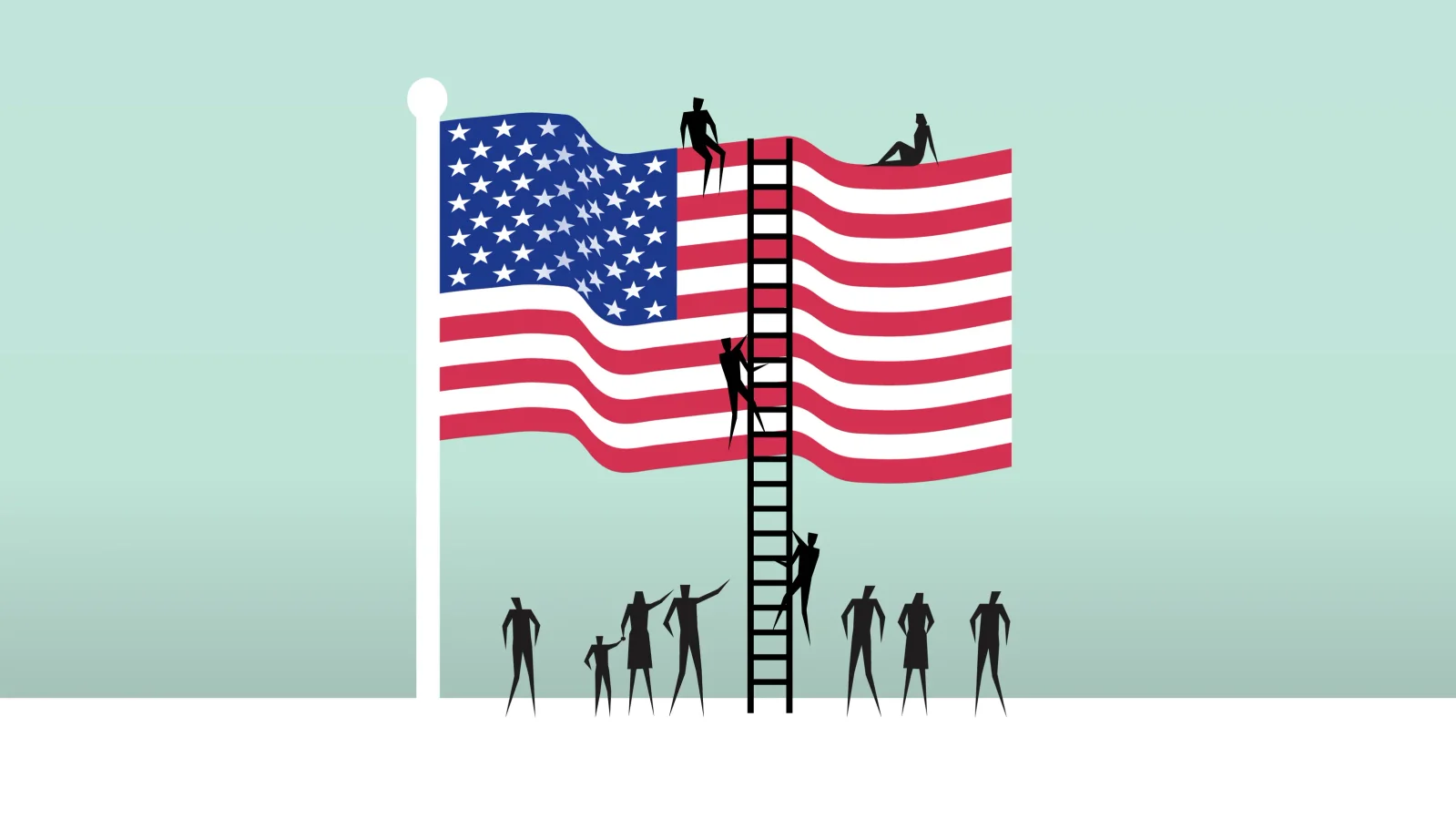
A WSJ-NORC poll reveals Americans' declining faith in the idea that hard work leads to economic success, highlighting issues like high wealth inequality, tax system biases favoring capital over labor, and a lack of effective political representation, which collectively erode trust in the American Dream and the fairness of the economic system.
A new study reveals that wages in the US have lagged behind inflation by 1.2 percentage points over the past four years, with certain professions like educators experiencing larger gaps, leading to ongoing financial strain for many households. Despite some sectors like healthcare and leisure seeing wage growth, overall wage dissatisfaction remains high, and the job market is perceived as stagnant, especially in white-collar industries.
Rich Americans are spending more and experiencing wage growth, while lower-income households face stagnating wages, no spending growth, and rising debt, highlighting increasing economic inequality and potential challenges for overall economic stability.
A study published in JAMA Internal Medicine reveals a significant decline in mental health among US mothers from 2016 to 2023, especially among single mothers and low-income families, with an increase in reports of poor mental health, highlighting ongoing challenges exacerbated by economic pressures and the pandemic.
According to a report by Oxfam, the wealth of the world's five richest men more than doubled during the pandemic, reaching a combined $869 billion, with their net worth rising by $14 million per hour. Meanwhile, the report highlights a prolonged cost-of-living crisis, climate breakdown, and conflict faced by people worldwide, as the world's billionaires have accumulated an additional $3.3 trillion since 2020. The system is seen as rigged to favor the rich, leading to increased wealth inequality, with Oxfam predicting the world's first trillionaire within a decade.
The Oklahoma City Thunder's ownership group, led by Clay Bennett, is contributing only $50 million towards the construction of a new $900 million arena, while the rest will be funded through a 1 percent sales tax approved by Oklahoma City voters. Critics argue that Bennett, who previously relocated the Seattle Supersonics, could have contributed more given the team's value and player salaries. The decision to prioritize a sports building over community initiatives has sparked controversy, with concerns raised about income disparity and the use of public funds. The deal includes provisions for a workforce intermediary and a $15 per hour "living wage" for construction workers, but opponents argue that it is a bad deal and that fear-based tactics influenced the outcome of the vote.
Shawn Fain, the president of the United Auto Workers (UAW) labor union leading the ongoing strike against major U.S. automakers, earned a salary of $347,389 last year, placing him in the top 5% of earners in his home state of Indiana. Fain has been a vocal advocate for autoworkers and has criticized corporate greed and income disparity. While striking UAW members receive $500 a week in substitute pay, it is unclear if Fain has taken a pay cut. Some workers have called for an increase in strike pay and for union leaders to accept a pay cut. The strike has expanded to Ford's profitable truck plant in Kentucky, and negotiations with the automakers continue.
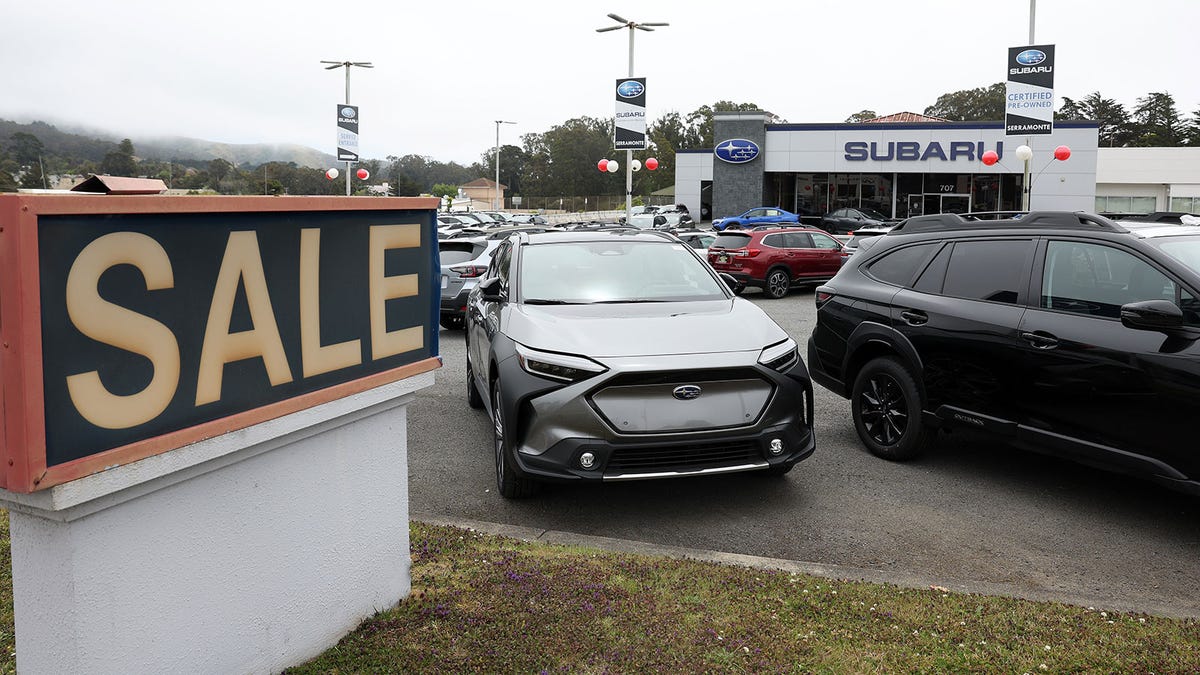
More than 80 percent of Americans cannot afford new cars due to rising costs, including interest rates, dealer markups, and supply chain issues. According to a report, the average American should not spend more than 10 percent of their annual income on monthly car payments. However, buying an average-priced car would require an income of over $96,000 to comfortably afford the payments. Only 18 percent of individuals in America earn $100,000 or more, while the average salary is $59,428. Although 34.4 percent of U.S. households make over $100,000 annually, many people are still paying more than they can afford for their cars.
As Hollywood actors and writers go on strike, the issue of executive pay comes into focus. The large disparity between the eight-figure pay packages of Hollywood executives and the struggling incomes of talent has fueled anger and frustration. Over the years, executive pay has skyrocketed, with CEOs earning hundreds of times more than the average worker. The strikes are shedding light on the challenges faced by working writers and actors, who often struggle to make ends meet. Shareholders are starting to question executive compensation, as seen in the rejection of pay packages at Netflix. The strikes and criticism of salary disparities may have an impact on Hollywood companies and their shareholders in the long run.
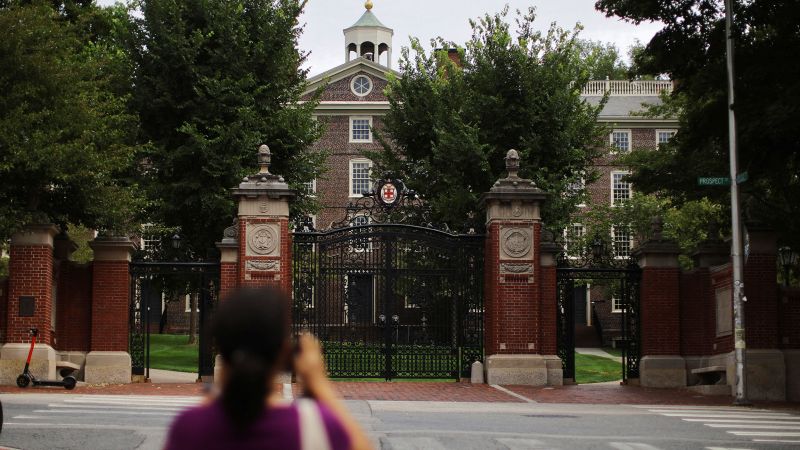
A study conducted by Opportunity Insights, a group of Harvard researchers, found that children from the top 1% financially are more than twice as likely to attend elite universities compared to middle-class families with similar SAT and ACT scores. The study analyzed admissions data, income tax records, and test scores from 1999 to 2015. The research revealed that legacy admissions, nonacademic credentials, and athletic recruitment contribute to this advantage, but do not affect post-university outcomes. Attending elite institutions increases students' chances of reaching the top 1% of income, attending elite graduate schools, and getting employed at prestigious firms. The study suggests that diversifying admissions policies could help address income disparity and promote social mobility.
According to a survey by YouGov for Bankrate, the average American believes they need to earn $233,000 per year to live comfortably and twice that amount to feel wealthy. However, respondents to Charles Schwab's Modern Wealth Survey stated that they would need a minimum net worth of $2.2 million to be considered rich. Factors such as inflation, the current economic environment, lack of savings, and rising interest rates contribute to financial insecurity. Low pay, limited career opportunities, debt, and unaffordable housing are common challenges for workers at all income levels. The perception of wealth is subjective and influenced by comparison. Different generations and genders have varying income requirements to feel financially secure. The survey highlights the increasing pressure to earn more, leading to the popularity of side hustles and polyworking, or relying on marrying someone wealthy as a last resort.
A new study by Pew Research Center finds that even when wives earn about the same as their husbands or more, they still spend more time on housework and child care, while their husbands spend more time on paid work and leisure. The study also reveals that men spend more time on leisure activities than women in egalitarian marriages, while women spend more time on caregiving and housework. The study is based on three data sources and highlights the unbalanced division of time between paid work and home life in marriages, despite financial contributions becoming more equal.