Tag

Water Detection

All articles tagged with #water detection

"James Webb Telescope Uncovers Water in Gas Disk Around Ultra-Hot Star, Sheds Light on Planet Formation"
space-science2 years ago

"James Webb Telescope Uncovers Water in Gas Disk Around Ultra-Hot Star, Sheds Light on Planet Formation"

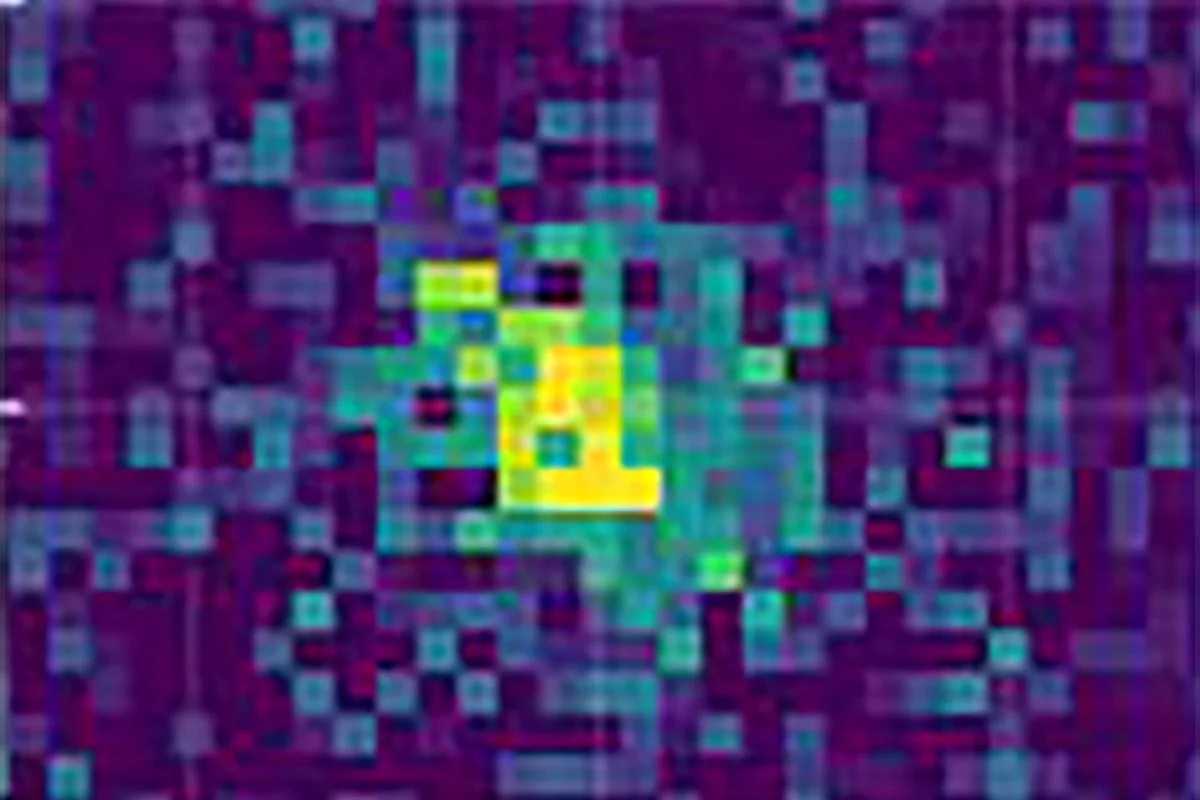
The James Webb Space Telescope (JWST) has made a groundbreaking discovery by detecting water in the inner region of a disk of planet-forming gas and dust surrounding a young star. This finding challenges previous assumptions that extreme environments with massive, young stars are unfit for the formation of rocky planets like Earth. The discovery could provide insights into the formation of our own solar system and suggests that Earth-like planets may be capable of forming in a wider range of cosmic environments. The research is part of JWST's eXtreme Ultraviolet Environments (XUE) program, which aims to study the environments and chemistry of protoplanetary disks.

Apple's Macs Gain Water Detection Feature for USB-C Ports, Combating Warranty Fraud
technology2 years ago

Apple's Macs Gain Water Detection Feature for USB-C Ports, Combating Warranty Fraud

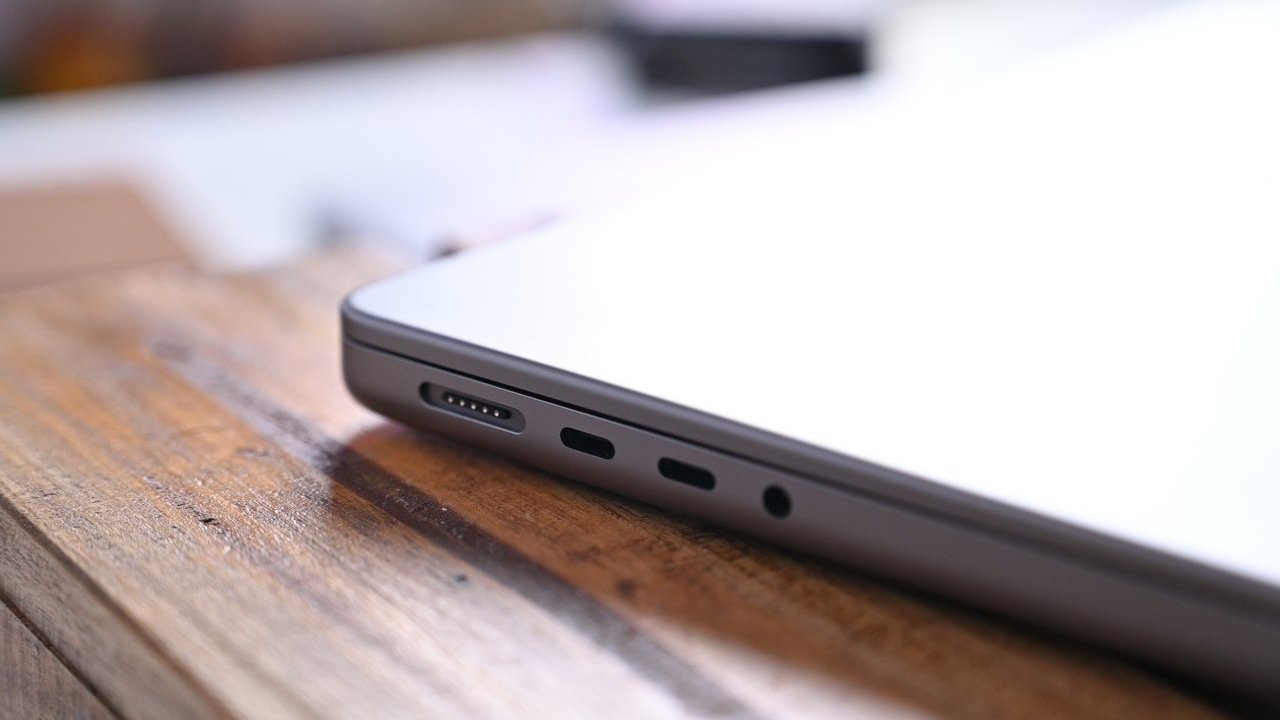
Apple has introduced a background feature in macOS Sonoma that analyzes USB-C ports on Macs to detect liquid, potentially to address warranty fraud. This move may be a response to a previous lawsuit where Apple was accused of inaccurate moisture indicators on iPhones. The feature is similar to the one introduced in iOS 10 for iPhones, which warns users of liquid detection in the Lightning port. While Apple has not specified the purpose of the liquid detection analysis in macOS Sonoma, it is likely aimed at identifying water damage, a significant issue for the company. Apple already uses Liquid Contact Indicators (LCI) to detect water damage in its devices.

India's Moon Rover Discovers Sulphur and Other Elements at Lunar South Pole
space2 years ago

India's Moon Rover Discovers Sulphur and Other Elements at Lunar South Pole

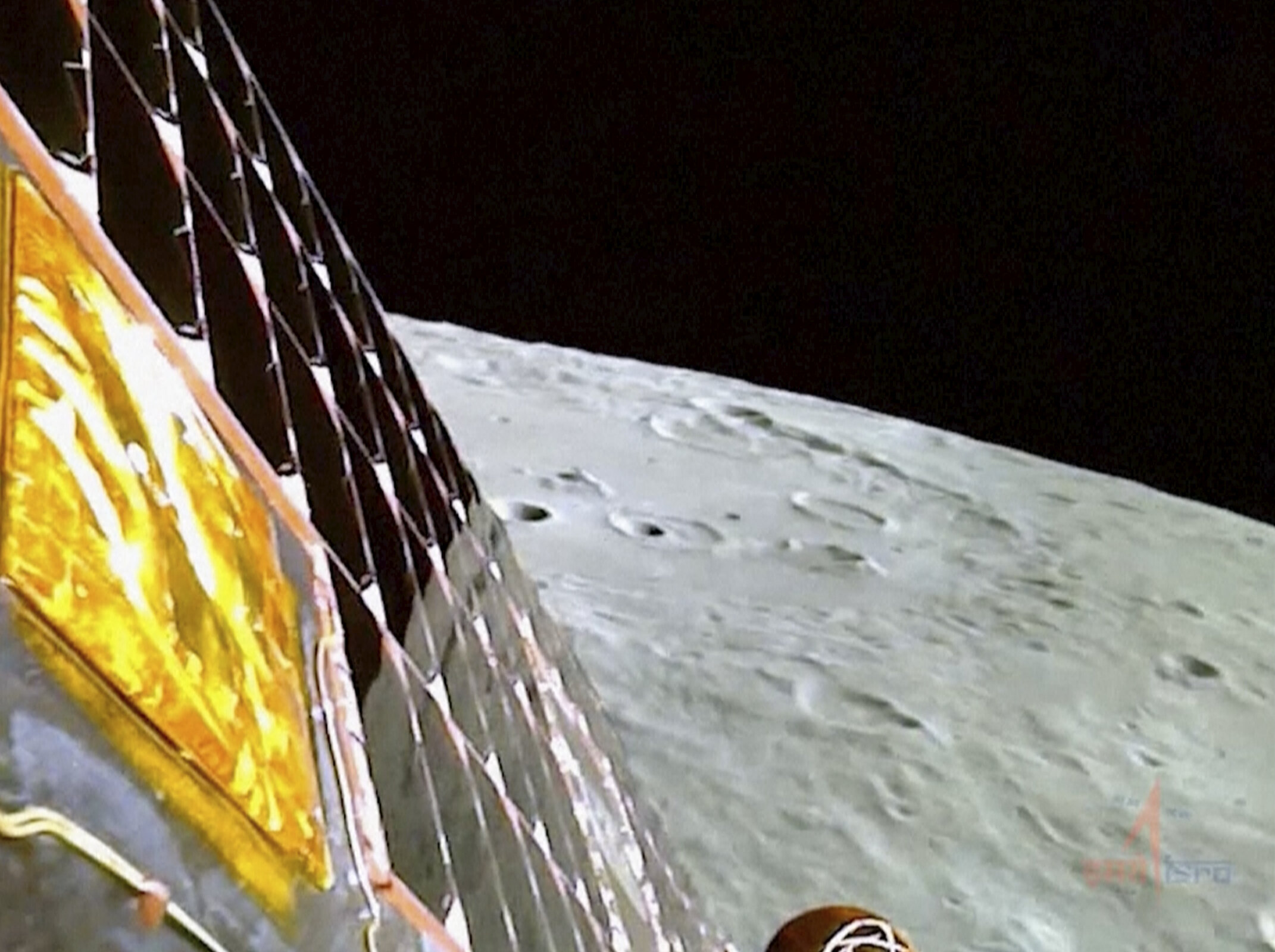
India's moon rover, part of the Chandrayaan-3 mission, has confirmed the presence of sulfur and detected several other elements near the lunar south pole. The rover is also searching for signs of frozen water, studying the moon's atmosphere and seismic activity. After a failed attempt in 2019, India successfully landed a spacecraft near the moon's south pole, joining the United States, the Soviet Union, and China as the only countries to achieve this milestone. The mission highlights India's growing technological prowess and aligns with Prime Minister Narendra Modi's vision of an ascendant country.

"NASA's Lunar Trailblazer: Ready to Uncover the Secrets of Moon Water"
space2 years ago

"NASA's Lunar Trailblazer: Ready to Uncover the Secrets of Moon Water"

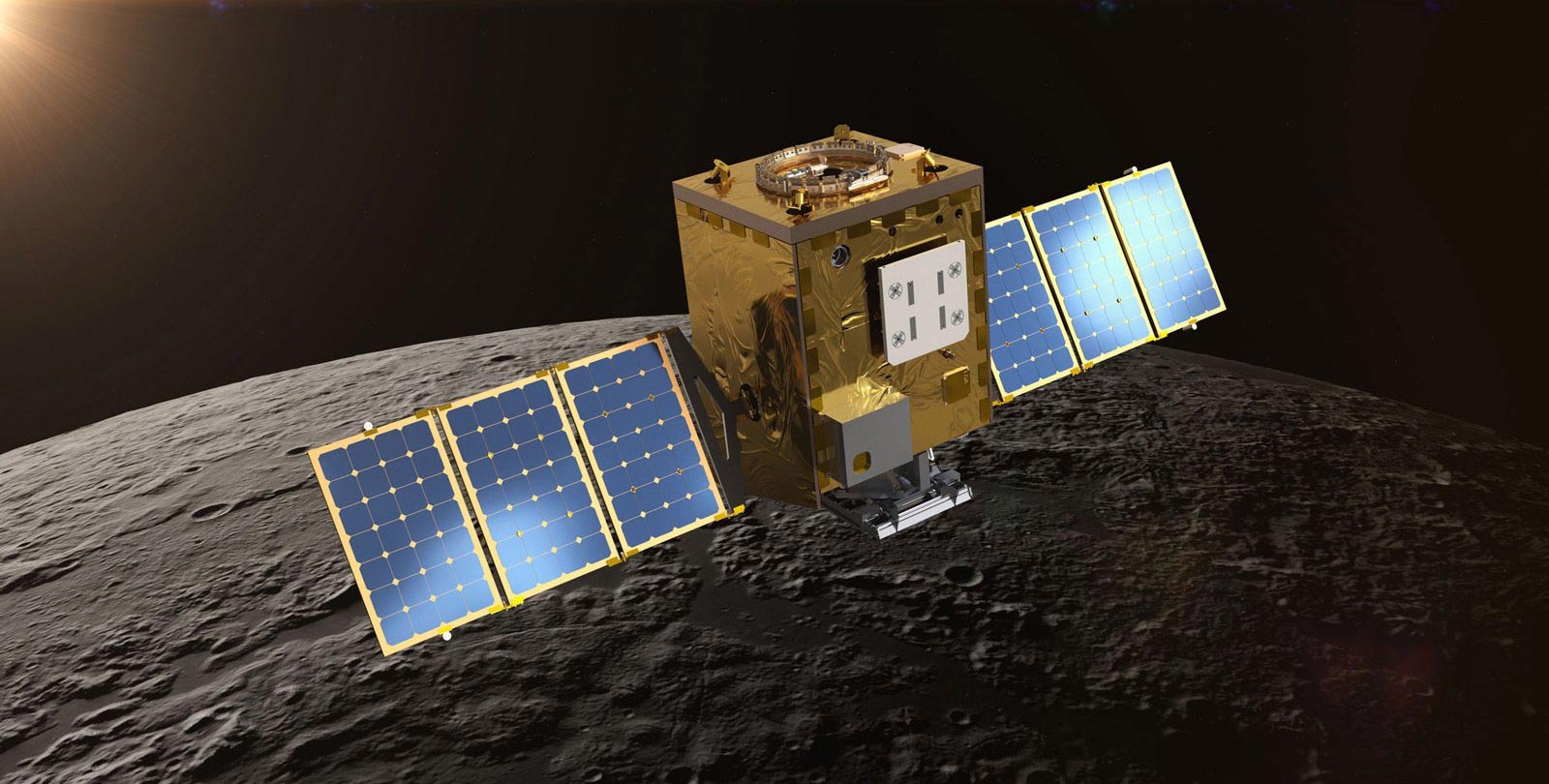
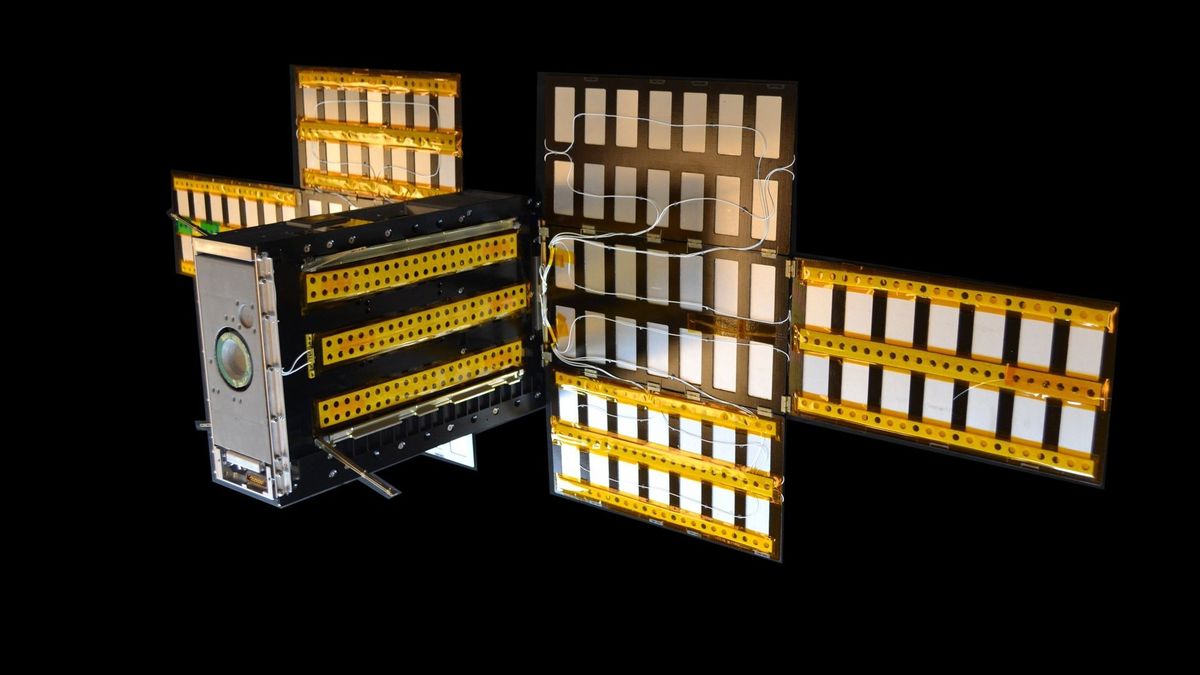
NASA's Lunar Trailblazer spacecraft is nearing completion with the integration of its final science instrument, the Lunar Thermal Mapper (LTM). Developed by the University of Oxford and provided by the UK Space Agency, the LTM will work in conjunction with the High-resolution Volatiles and Minerals Moon Mapper (HVM3) to comprehensively study the Moon's water content, determining its abundance, location, and form. The spacecraft, set to launch in 2023, will provide valuable information about lunar water, guiding future robotic and human exploration missions.

"Artemis 1 Cubesat Discovers Lunar Water and Ice, Completes Mission"
spaceflight2 years ago

"Artemis 1 Cubesat Discovers Lunar Water and Ice, Completes Mission"

NASA has announced the end of its Artemis 1 moon mission ride-along cubesat, LunaH-Map, which successfully detected water and ice on the lunar surface. Although the cubesat missed mapping the moon's south pole due to a stuck valve in its propulsion system, it achieved its main objective with its neutron spectrometer. The data collected will inform future missions, and a version of the spectrometer will fly on another NASA mission called Lunar-VISE. Despite some challenges faced by other cubesats in the Artemis 1 mission, the larger mission met all its major goals, and NASA is now focusing on Artemis 2 and Artemis 3.

Water-based method detects elusive neutrinos.
science2 years ago

Water-based method detects elusive neutrinos.

The Sudbury Neutrino Observation (SNO+) experiment has detected antineutrinos using pure water, a significant breakthrough in detecting these elusive particles. Neutrinos and antineutrinos are tiny subatomic particles that are the most abundant particles in the universe and considered fundamental building blocks of matter. They have practical applications as they can be used to monitor nuclear reactors and potentially detect clandestine nuclear activities. The use of water instead of liquid scintillator could lead to the development of large but inexpensive detectors to ensure nuclear nonproliferation.