Covid-19 cases are rising across the US, especially in the West, with wastewater data indicating increased activity and the emergence of a new variant, XFG, raising concerns about a potential late-summer wave amid ongoing vaccination and policy challenges.

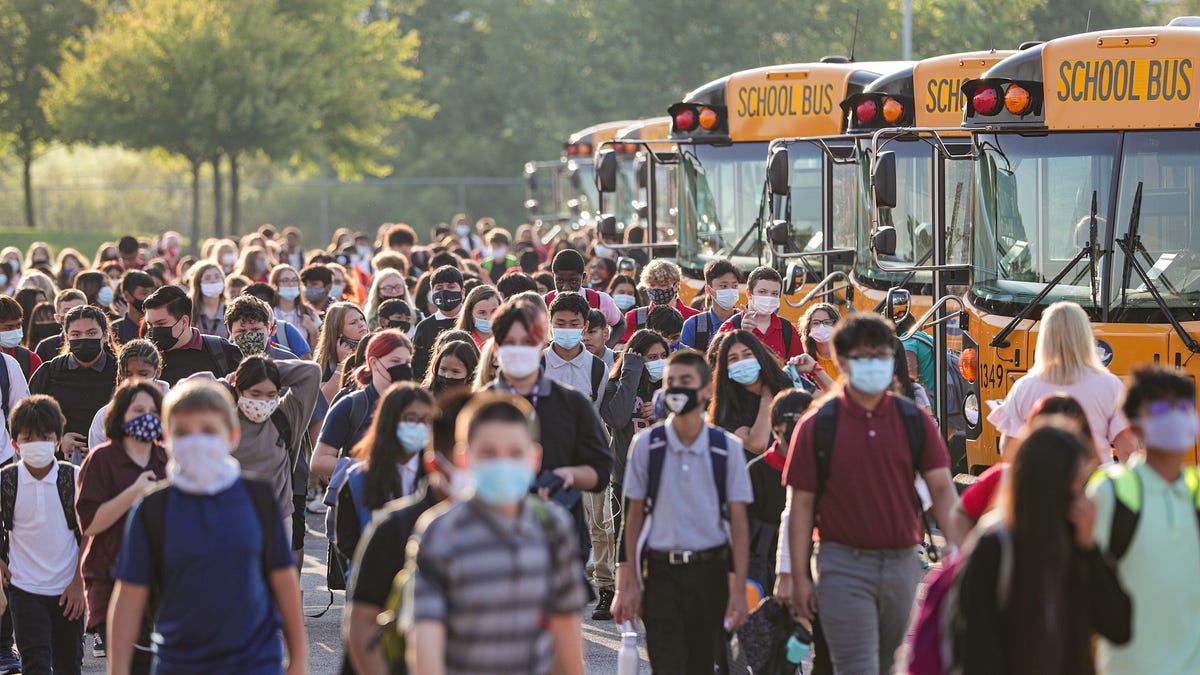
COVID-19 cases are rising in the U.S., especially in the West, with wastewater data indicating a moderate level of virus activity nationwide. The CDC reports increased infection rates in 45 states and a rise in emergency room visits, highlighting the ongoing summer surge of COVID-19, which can still pose serious risks to vulnerable populations.
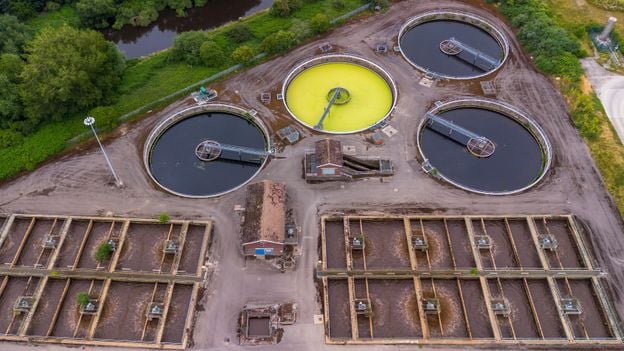
Wastewater monitoring, a technique popularized during the COVID-19 pandemic, is being explored as an early warning system for measles outbreaks in the U.S., helping detect community spread and guide vaccination efforts, especially in areas with limited testing access.
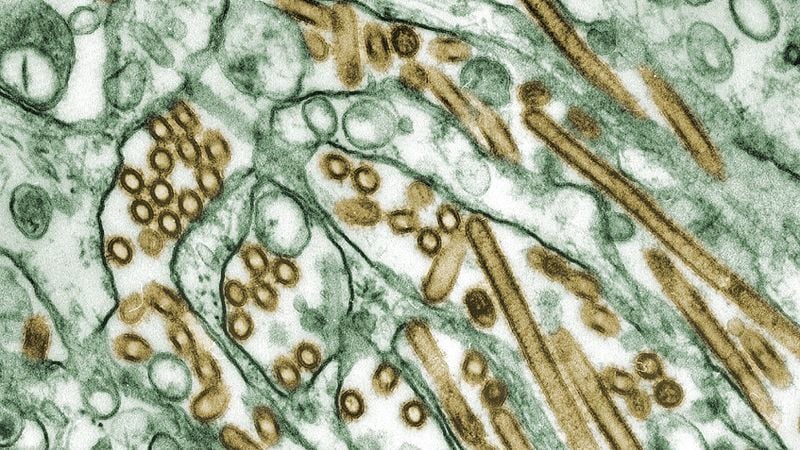
WastewaterSCAN, a national monitoring system, launched an H5 avian influenza wastewater dashboard showing detections in several states, primarily Texas and Michigan. Iowa Governor Kim Reynolds issued a disaster proclamation for Cherokee County following an avian flu outbreak at a turkey farm. The dashboard indicates positive detections in states with recent H5N1 outbreaks in dairy cows and poultry. The USDA reported additional H5N1 outbreaks in dairy herds, and the CDC posted a strategy for enhanced flu surveillance. Scientists also reported mammal-to-mammal transmission of H5N1 in Argentina's elephant seals.
Scientists in the US are using innovative methods, including wastewater and fecal sample testing, to monitor the H5N1 bird flu outbreak. The CDC has launched a new dashboard to track influenza A, and citizen science programs are engaging communities to collect samples. These efforts aim to detect and understand the spread of the virus, which can circulate asymptomatically in animals, and prepare for potential future pandemics.
Wastewater monitoring in Texas detected an early signal of the bird flu outbreak, H5N1, three weeks before it was officially announced by the US Department of Agriculture. The Texas Epidemic Public Health Institute used advanced techniques to sift through genetic material in wastewater samples, identifying over 400 viruses. While the source of the pathogen remains unclear, the outbreak has been detected in nine cities and 19 of the 23 monitored sites. The CDC and FDA are closely monitoring the situation, with the FDA finding traces of the virus in dairy products from 15 states. The outbreak's trajectory is currently at a plateau, and researchers continue to monitor the situation closely.
Long COVID cases have surged, with about 17.4% of surveyed individuals experiencing long COVID in February, up from 14-15% in previous months. The rise is attributed to a spike in winter holiday infections, declining masking and prevention measures, repeat infections, and vaccine apathy. Wastewater monitoring has been a reliable indicator of infection rates, showing a substantial rise in viral levels. Experts emphasize the need for increased vaccination, booster uptake, and antiviral use to combat the surge in long COVID cases.
Wastewater surveillance is increasingly being used to monitor disease outbreaks by studying pathogens in sewage, providing early warnings of infectious diseases and aiding in intervention efforts. This method has been traditionally used to track specific deadly pathogens, but now it's being expanded to monitor a wider variety of infectious diseases, including respiratory pathogens like influenza and SARS-CoV-2. New technology platforms are making data collection more efficient, and the impact of wastewater surveillance is likely to be significant in managing disease outbreaks in low-income nations. Additionally, this surveillance could help in predicting the evolution of common viruses, detecting antibiotic resistance genes, and potentially catching future epidemic outbreaks or pandemics in their earliest stages.
Indiana's wastewater sites have detected record high levels of COVID-19, but experts are not alarmed as hospitals are not experiencing surges seen in previous years. This discrepancy is attributed to fewer severe cases and deaths due to vaccination and community immunity. The spike in cases is typical for winter, exacerbated by holiday gatherings and travel. Wastewater monitoring provides insight into virus circulation, but is imperfect and does not indicate symptom reporting or hospital care.
Wastewater sample data indicates a substantial increase in COVID-19 cases, with the JN.1 variant now estimated to be the cause of 61% of cases in the United States. Wastewater testing serves as an early warning system for public health professionals, allowing them to prevent outbreaks. Hospital admission rates have decreased from the beginning of the year, but varying levels of COVID-19 activity have been detected in wastewater samples across different regions. John Hopkins expects more cases due to increased travel and holiday gatherings, leading to a high amount of respiratory virus activity, including COVID-19 cases.
The New York State Department of Health (NYSDOH) and the Wadsworth Center laboratory are monitoring wastewater samples for traces of COVID-19, including new variants. The ongoing surveillance has been crucial in understanding the spread of variants and their potential impact on public health. The current focus is on the BA.2.86 variant, which is genetically different from the original Omicron variant and may have the ability to evade prior immunity. The NYSDOH urges positive cases to isolate and take precautions such as vaccination, hand hygiene, and wearing masks to prevent the spread of COVID-19.
Marin County in California has started a pilot program to collect wastewater samples from its sanitation agency and test them for the presence of opioids, methamphetamines, cocaine, and nicotine. The data could be used to assist prevention and intervention efforts, such as boosting the distribution of Narcan if there is an abundance of opioids present in the samples. The county is grappling with a drug epidemic, with overdose deaths rising from 30 in 2018 to 65 in 2021. The same method and partners used to monitor for evidence of the spread of COVID-19 are being used for the pilot program.
Marin County in California has started a pilot program to collect wastewater samples and test them for the presence of opioids, methamphetamines, cocaine, and nicotine. The program uses the same infrastructure that was used to monitor the spread of COVID-19. The data collected could help authorities boost prevention and intervention efforts, such as distributing Narcan to areas with an abundance of opioids. Marin County is one of many places in the US grappling with a drug epidemic, with overdose deaths rising from 30 in 2018 to 65 in 2021.