Tag

Pathogen Detection

All articles tagged with #pathogen detection

Metagenomic Sequencing Revolutionizes Pathogen Diagnosis Across Medical Fields

Originally Published 1 year ago — by Medical Xpress

Featured image for Metagenomic Sequencing Revolutionizes Pathogen Diagnosis Across Medical Fields
Source: Medical Xpress

Researchers at UC San Francisco have developed a metagenomic next-generation sequencing (mNGS) test that can rapidly identify a wide range of pathogens, including viruses, bacteria, fungi, and parasites. This test, which analyzes all nucleic acids in a sample, has proven effective in diagnosing neurological infections and could be crucial for early detection of pandemic threats. The mNGS test, now automated for faster results, has been shown to accurately identify pathogens in cerebrospinal and respiratory fluids, and has received FDA breakthrough device designation.
"Utilizing Sewer Surveillance for Disease Outbreak Monitoring and Community Health Tracking"

Originally Published 1 year ago — by BBC.com

Featured image for "Utilizing Sewer Surveillance for Disease Outbreak Monitoring and Community Health Tracking"
Source: BBC.com

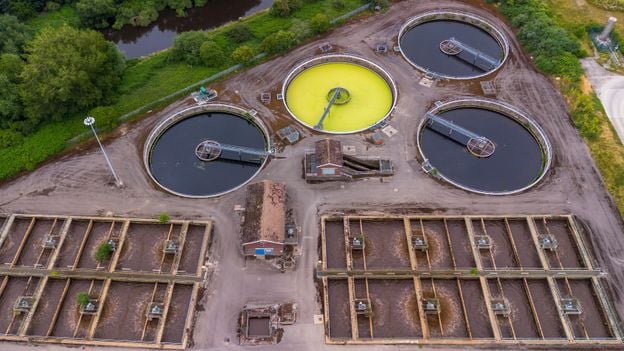
Wastewater surveillance is increasingly being used to monitor disease outbreaks by studying pathogens in sewage, providing early warnings of infectious diseases and aiding in intervention efforts. This method has been traditionally used to track specific deadly pathogens, but now it's being expanded to monitor a wider variety of infectious diseases, including respiratory pathogens like influenza and SARS-CoV-2. New technology platforms are making data collection more efficient, and the impact of wastewater surveillance is likely to be significant in managing disease outbreaks in low-income nations. Additionally, this surveillance could help in predicting the evolution of common viruses, detecting antibiotic resistance genes, and potentially catching future epidemic outbreaks or pandemics in their earliest stages.

"Revolutionary Pathogen Detection: DNA Nanoballs and Electronics Unite"

Originally Published 2 years ago — by Phys.org

Featured image for "Revolutionary Pathogen Detection: DNA Nanoballs and Electronics Unite"
Source: Phys.org

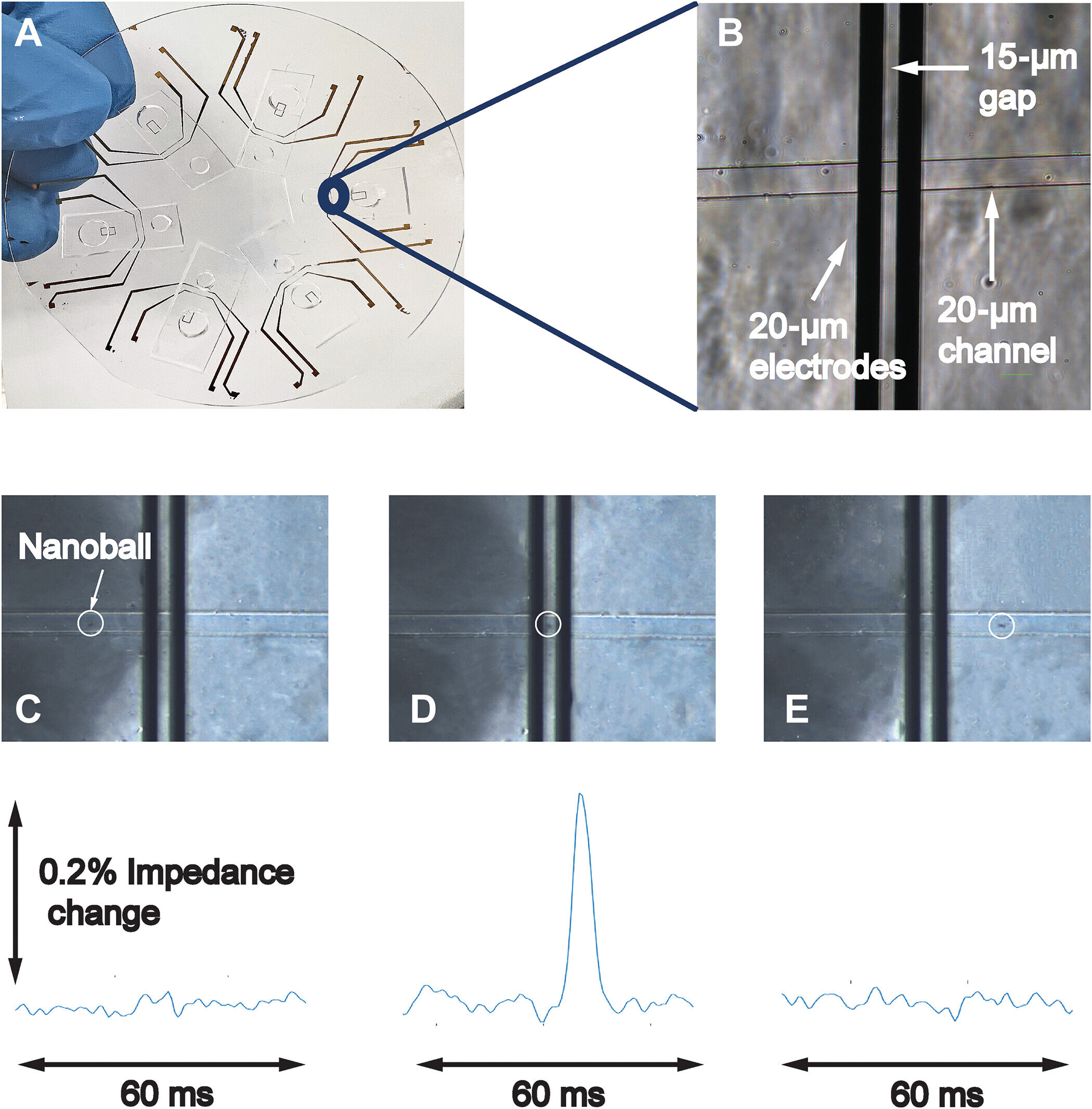
Researchers at Karolinska Institute have developed a new method using DNA nanoballs and electronics to detect pathogens, potentially revolutionizing pathogen detection and simplifying nucleic acid testing. The method involves generating DNA nanoballs through isothermal DNA amplification and detecting them electrically as they pass between electrodes. The technology has demonstrated high sensitivity and rapid results, making it a promising tool for diagnosing various pathogens. The label-free detection approach could accelerate the development and deployment of diagnostic kits, offering a cheap and scalable point-of-care device. The researchers are exploring applications in environmental monitoring, food safety, and virus and antimicrobial resistance detection, and have applied for a patent for the technology.

"Rapid Pathogen Detection Enabled by Magnetic Beads' Optical Signal"

Originally Published 2 years ago — by Phys.org

Featured image for "Rapid Pathogen Detection Enabled by Magnetic Beads' Optical Signal"
Source: Phys.org

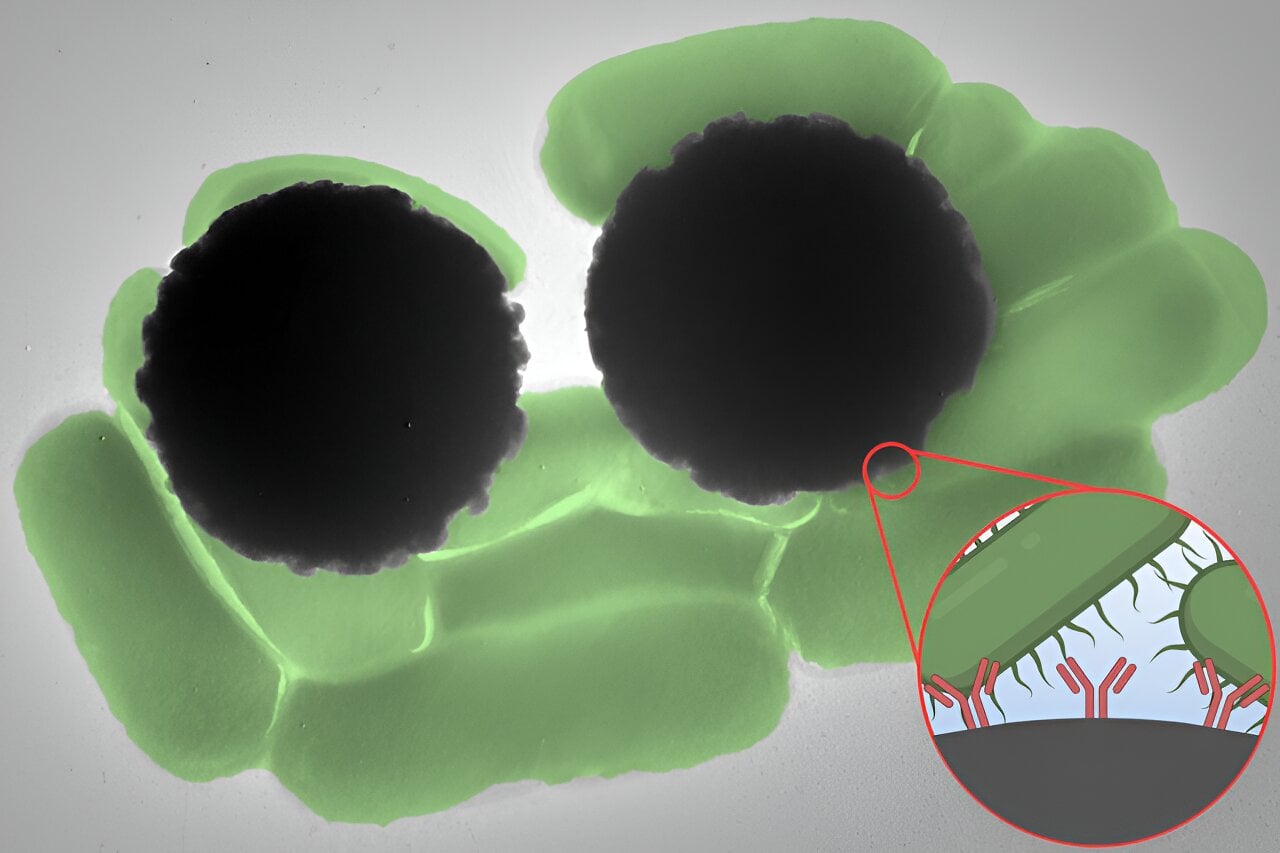
Researchers at MIT have discovered that Dynabeads, antibody-coated superparamagnetic beads, have a strong Raman signature that can be used to quickly detect pathogens in various diagnostic tests. By using Raman spectroscopy, the researchers were able to confirm the presence of Dynabead-bound pathogens within less than an hour, providing a rapid and reliable method for detecting contaminants such as Salmonella. The team is now working on developing a portable device for detecting bacterial pathogens, which could have significant applications in healthcare and resource-limited environments.

"Breakthrough: Researchers Unveil Rapid and Reliable COVID-19 Detection Method"

Originally Published 2 years ago — by SciTechDaily

Featured image for "Breakthrough: Researchers Unveil Rapid and Reliable COVID-19 Detection Method"
Source: SciTechDaily

Researchers from Martin Luther University Halle-Wittenberg have developed a rapid and adaptable method using commercially available mass spectrometers to detect SARS-CoV-2 in just two hours. The technique, which leverages MALDI-TOF spectrometry, can also be used to detect other pathogens. While not as sensitive as the PCR test, this method offers the advantage of speed and flexibility, making it a valuable tool in managing future pandemics. The researchers aim to further optimize the method and undergo a certification process for clinical use.

Advancing Food Safety: Harnessing Wastewater Analysis for Virus and Parasite Detection

Originally Published 2 years ago — by Food Safety News

Featured image for Advancing Food Safety: Harnessing Wastewater Analysis for Virus and Parasite Detection
Source: Food Safety News

Wastewater analysis plays a crucial role in detecting foodborne viruses and parasites. It has been used historically to monitor and detect various pathogens, and more recently, it has been effective in detecting the SARS-CoV-2 virus. Wastewater-based epidemiology provides valuable insights into the movement of viruses through populations. Standardized reporting and the use of indicators and biomarkers are important for accurate monitoring. Hospitals are identified as crucial sites for pathogen detection, and understanding wastewater treatment processes is vital for effective surveillance.