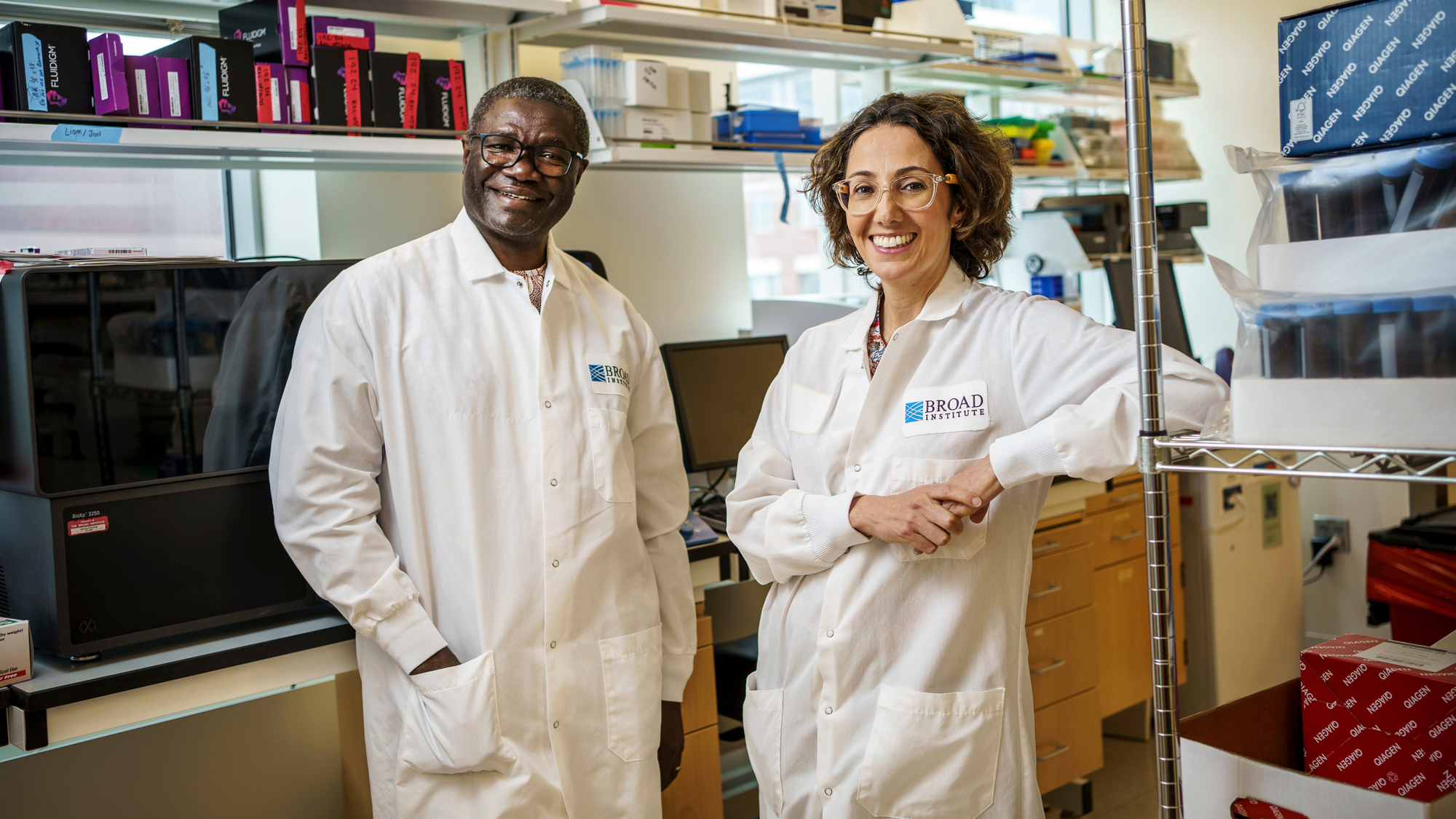
Dr Christian Happi, a Cameroonian scientist, has received a $100 million grant to expand his Sentinel project, which uses genomics and surveillance to detect and prevent infectious disease outbreaks in Africa, aiming to save lives and empower local scientists despite global aid cuts.
The article argues that pandemics are preventable through human action, emphasizing the importance of global cooperation, technological advances, and strategic investments in prevention, detection, and response systems to significantly reduce the risk of future pandemics by 2050.
Conspiracy theories about COVID's origins, particularly the false lab leak narrative, are undermining trust in science and hindering efforts to prevent future pandemics. Scientific evidence strongly supports a natural zoonotic origin, with the virus likely spilling over from animals at the Wuhan market, but misinformation is leading to cuts in crucial research funding and public health initiatives, increasing global vulnerability to future outbreaks.
Scientists at Kyoto University have developed a 'lung-on-a-chip' system using induced pluripotent stem cells (iPSCs) on microfluidic chips, which accurately mimics different lung regions to study respiratory viruses and could lead to better pandemic preparedness and personalized treatments.
Wastewater monitoring in Texas detected an early signal of the bird flu outbreak, H5N1, three weeks before it was officially announced by the US Department of Agriculture. The Texas Epidemic Public Health Institute used advanced techniques to sift through genetic material in wastewater samples, identifying over 400 viruses. While the source of the pathogen remains unclear, the outbreak has been detected in nine cities and 19 of the 23 monitored sites. The CDC and FDA are closely monitoring the situation, with the FDA finding traces of the virus in dairy products from 15 states. The outbreak's trajectory is currently at a plateau, and researchers continue to monitor the situation closely.
The Biden administration has announced a new partnership with 50 countries, primarily in Africa and Asia, to help them identify and respond to infectious diseases in an effort to prevent future pandemics like COVID-19. The Global Health Security Strategy aims to enhance testing, surveillance, communication, and preparedness in these countries. This initiative comes as countries struggle to reach a worldwide accord on pandemic responses, with ongoing talks for a pandemic treaty facing major disputes. The U.S. will continue its global health strategy to prevent future pandemics, with several government agencies providing support to refine infectious disease responses in partner countries. The U.S. has already begun assisting Congo in its response to an mpox virus outbreak, and aims to have 100 countries signed onto the program by the end of the year.
A new paper in Nature Communications, authored by a team of ecologists, infectious disease scientists, and policy experts, emphasizes the ecological origins of pandemics and offers three recommendations to prevent spillovers and halt epidemics before they start. The recommendations focus on protecting animals' food sources, habitats, and human communities at risk, aiming to reduce stress on wildlife and minimize human-wildlife interactions. The paper highlights the importance of considering the whole ecosystem in pandemic prevention and advocates for implementing ecological solutions to address the root causes of spillovers.
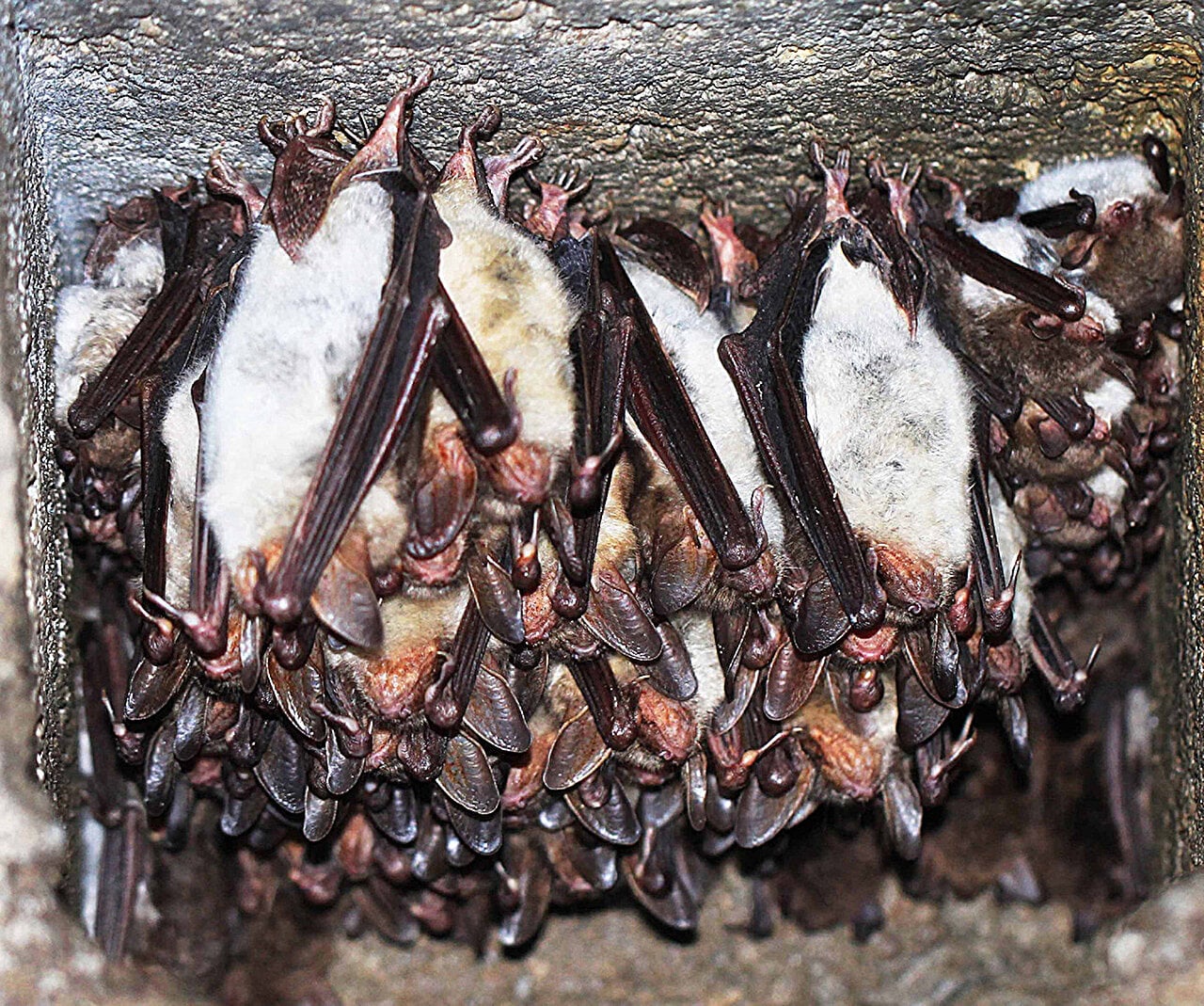
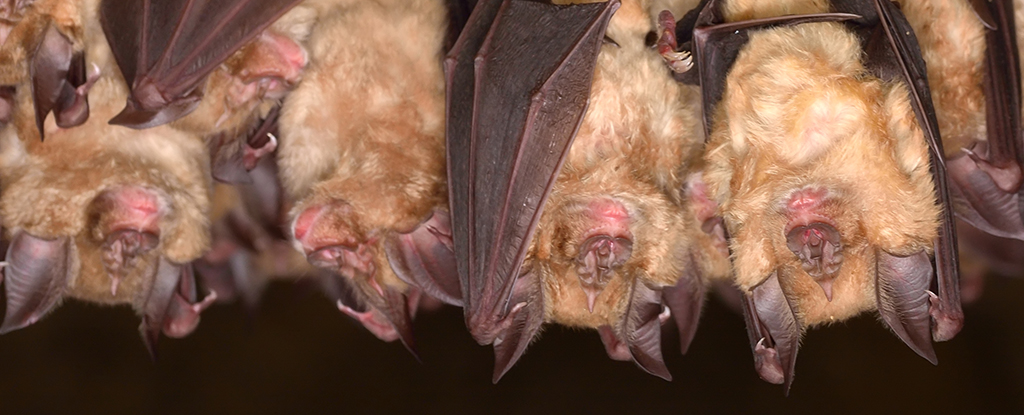
A Texas A&M research team has discovered that some species of bats are protected against the deadly viruses they carry due to their exchange of immune genes during seasonal mating swarms. This finding could hold the key to preventing the next global pandemic, as understanding how bats have evolved viral tolerance may help humans better fight emerging diseases. The researchers also uncovered the influence of swarming behavior and hybridization on the evolution of viral tolerance in bats, leading to new questions about the importance of hybridization in mammalian evolutionary history.
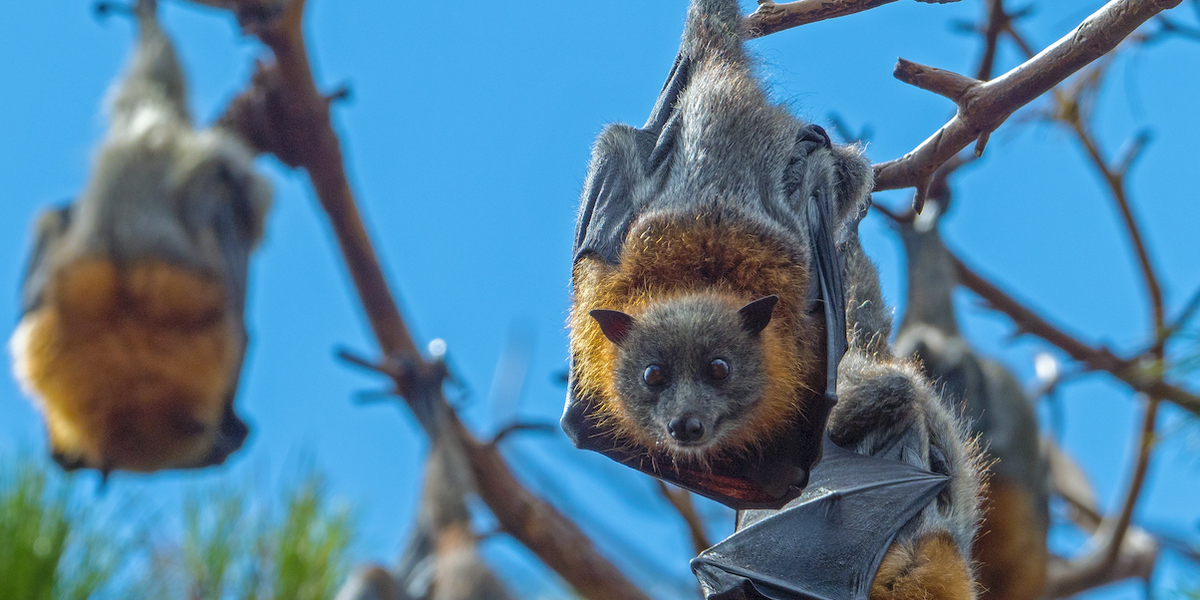
Researchers advocate for peaceful coexistence with bats as a crucial strategy for preventing future pandemics, arguing that disturbing bats through culling or habitat destruction increases the risk of zoonotic spillover. Safeguarding bat habitats and minimizing human interference could significantly reduce the likelihood of another global pandemic, emphasizing the need to change humanity's relationship with nature and wildlife.
Four years after COVID-19 emerged, efforts to prevent future pandemics are intensifying. Dr. Ian Lipkin's team at Columbia University has developed a system for rapid analysis of pathogens, which could have identified COVID-19 sooner. The Global Alliance for Preventing Pandemics (GAPP) is being adopted by countries to share surveillance data quickly. Ginkgo Bioworks is monitoring pathogens in airplane wastewater and building biosecurity programs globally. Training is provided to public health workers worldwide to identify pathogens locally. The goal is to create a "global immune system" through continuous monitoring and technological advances in genetic sequencing, aiming to predict and prepare for future outbreaks more effectively.
The Lancet has launched a scientific commission to investigate "spillover" events, where dangerous pathogens jump from animals to humans, in an effort to prevent future pandemics. The commission aims to understand the behaviors, environments, and policies that contribute to these events and develop effective risk mitigation strategies. The initiative comes as a two-year-old in Cambodia became the second person to die of bird flu within a week. The commission will assess existing strategies and develop a comprehensive approach to curb spillover events, focusing on both disease prevention and cost-benefit analysis.
Pardis Sabeti and Christian Happi, long-time collaborators and founders of the African Centre of Excellence for Genomics of Infectious Diseases (ACEGID), are developing an early-warning system called Sentinel to detect and diagnose emerging illnesses in Africa. By empowering local healthcare workers and providing them with the tools and training to identify pathogens, ACEGID aims to prevent future pandemics by enabling faster and more accurate detection. Their efforts have already proven successful during the Ebola outbreak, where ACEGID's ability to diagnose the virus in hours instead of weeks or days helped contain the spread and minimize deaths in Nigeria. The impact of their work was further demonstrated during the COVID-19 pandemic, with ACEGID-equipped hospitals in Africa having COVID diagnostics before those in the United States. ACEGID's mission is to create a continent of people who are united in their response to outbreaks, emphasizing the importance of coordination and camaraderie in stopping pandemics.
The World Health Organization (WHO) has welcomed the commitment shown by global leaders at the United Nations General Assembly to strengthen international cooperation, governance, and investment in order to prevent, prepare for, and respond to future pandemics. The political declaration emphasizes the pivotal role of WHO and the need for sustainable financing to fulfill its core functions. It also calls for the conclusion of negotiations on a WHO convention for pandemic prevention, equitable access to medical countermeasures, measures to counter health-related misinformation, investment in primary healthcare, strengthening of health systems, and leveraging the multilateral system to improve pandemic prevention and response.
Researchers have developed a framework to model the growth and spread of viruses within bat populations and between bats and other animals, aiming to understand how infected bats could potentially seed future pandemics. The study emphasizes the importance of a potential reservoir's tolerance to being infected, rather than just its genetic relatedness to humans, in predicting the threat of viral spillover between species. The research provides a theoretical framework for future comparative immunological studies and suggests that an animal's lifespan could serve as a reasonable proxy for its ability to tolerate diseases. By learning from bats' immune systems, scientists hope to better protect against future outbreaks from other species.
Researchers are using a combination of animal studies and artificial intelligence (AI) to prevent future pandemics. Scientists are studying various animal species, including mice, bats, and domestic animals like cows and pigs, to understand infectious diseases and identify potential crossover points. They are using predictive modeling and AI to analyze specific genes in bats and determine the likelihood of virus spillover. The goal is to predict and manage potential animal hosts to prevent spillover events. However, challenges remain, such as the need for extensive infrastructure and the ethical considerations of sharing potentially harmful virus information. Collaboration and sharing of scientific knowledge are crucial in the fight against future pandemics.