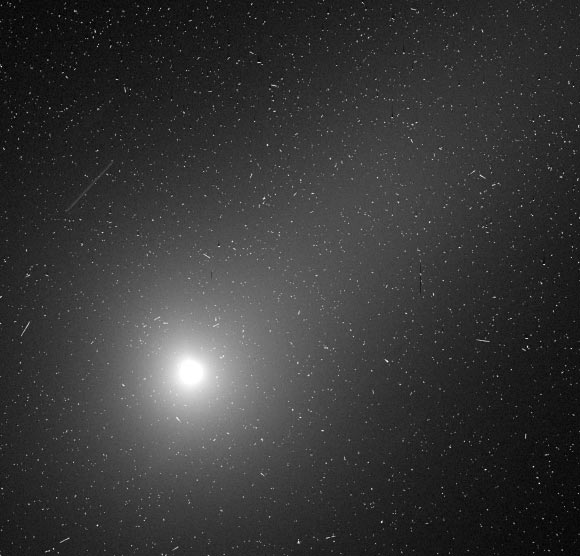
Astronomers using the VLT captured detailed spectra of interstellar comet 3I/ATLAS, detecting atomic nickel and cyanogen gas, revealing its dust-rich composition and unique physical processes, which provide insights into material from other star systems.
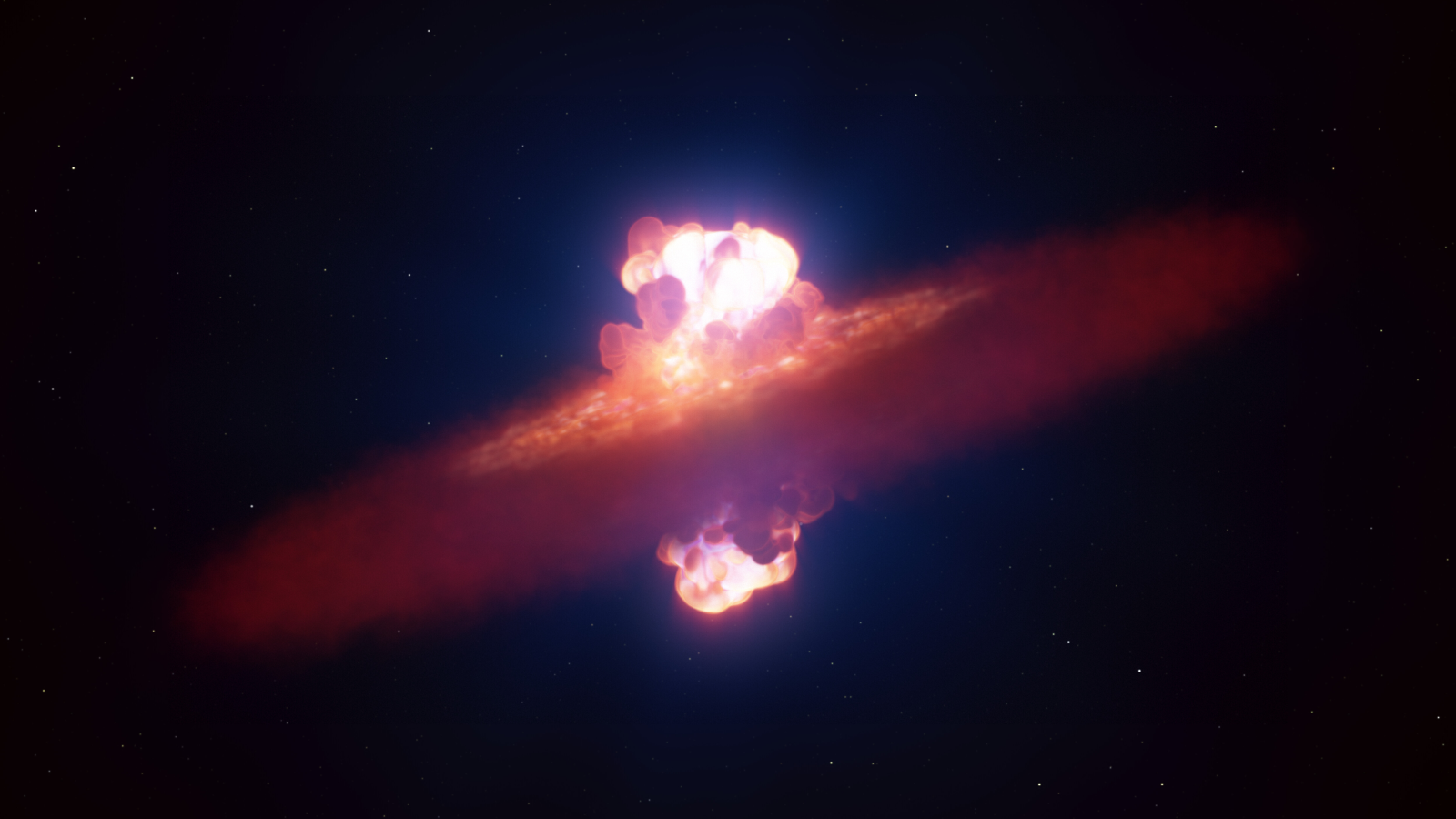
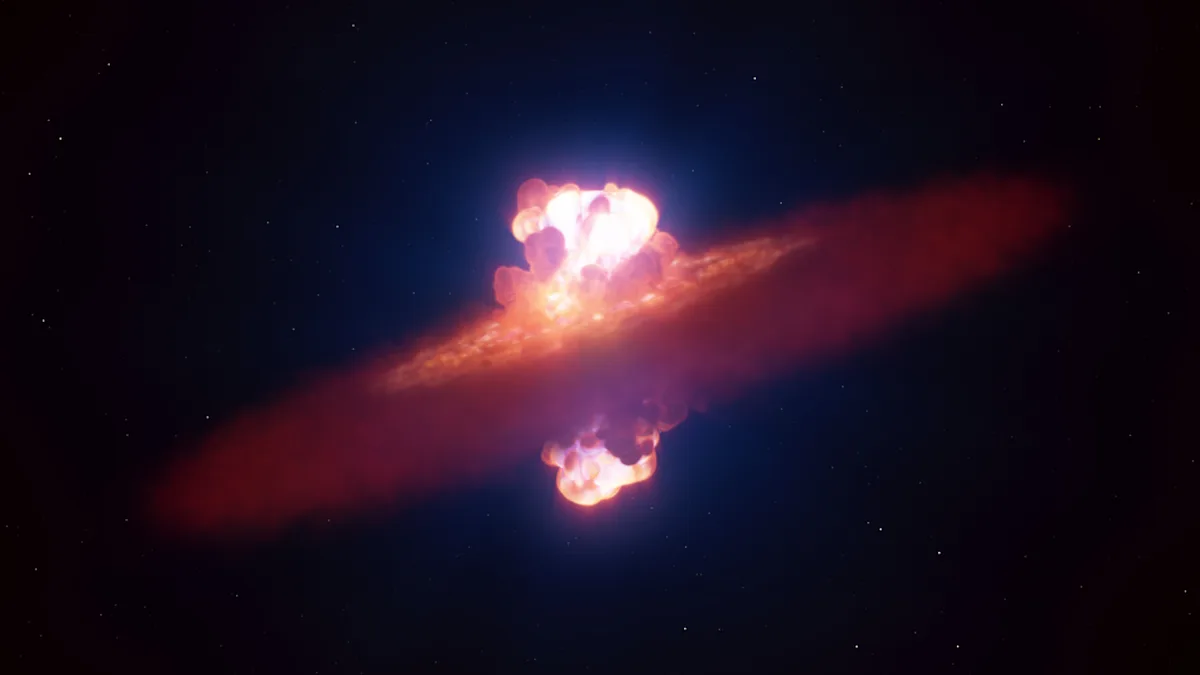
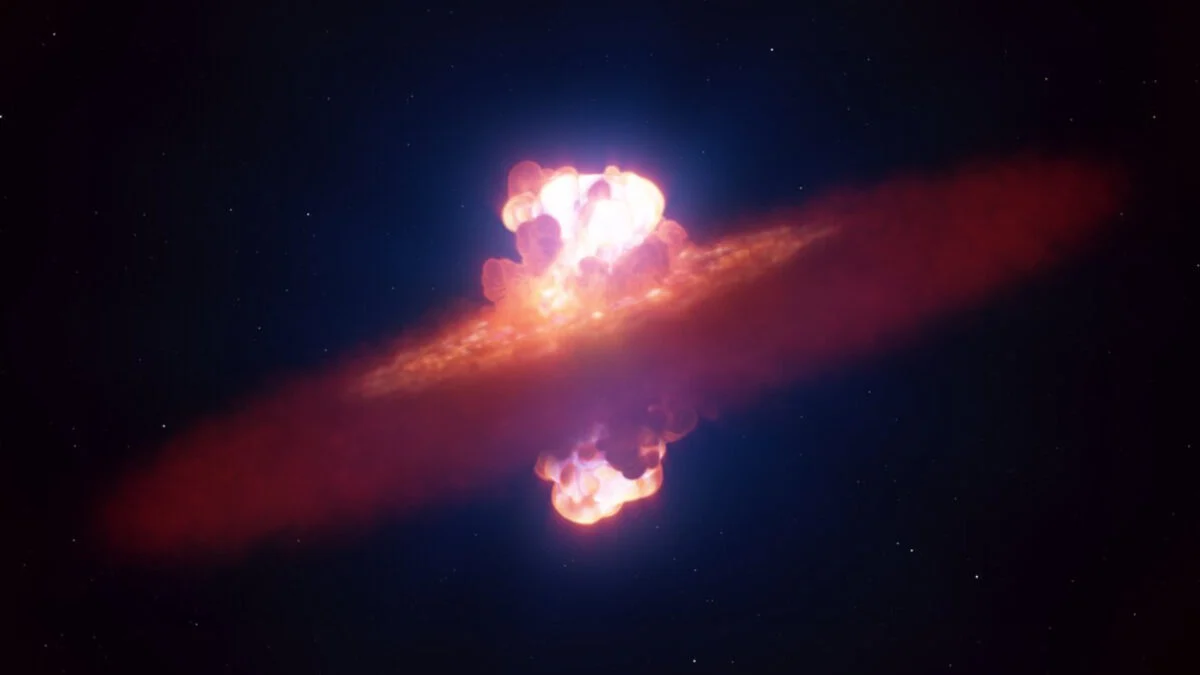
Scientists captured the first detailed shape of a supernova explosion, SN 2024ggi, revealing it was not perfectly spherical but stretched along one axis, challenging previous models of stellar death. Using the VLT and spectropolarimetry, they observed the initial shock wave's directional nature, providing new insights into how massive stars explode and die.
Scientists captured the first detailed image of a supernova's initial shape, revealing it was not perfectly spherical but stretched along one axis, challenging previous models of stellar explosions. The observation was made using the Very Large Telescope shortly after the explosion of SN 2024ggi in galaxy NGC 3621, providing new insights into the mechanics of star death.
Astronomers captured the earliest image of a supernova, SN 2024ggi, just 26 hours after explosion using ESO's VLT, revealing its olive-shaped geometry and providing new insights into the explosion mechanics of massive stars.
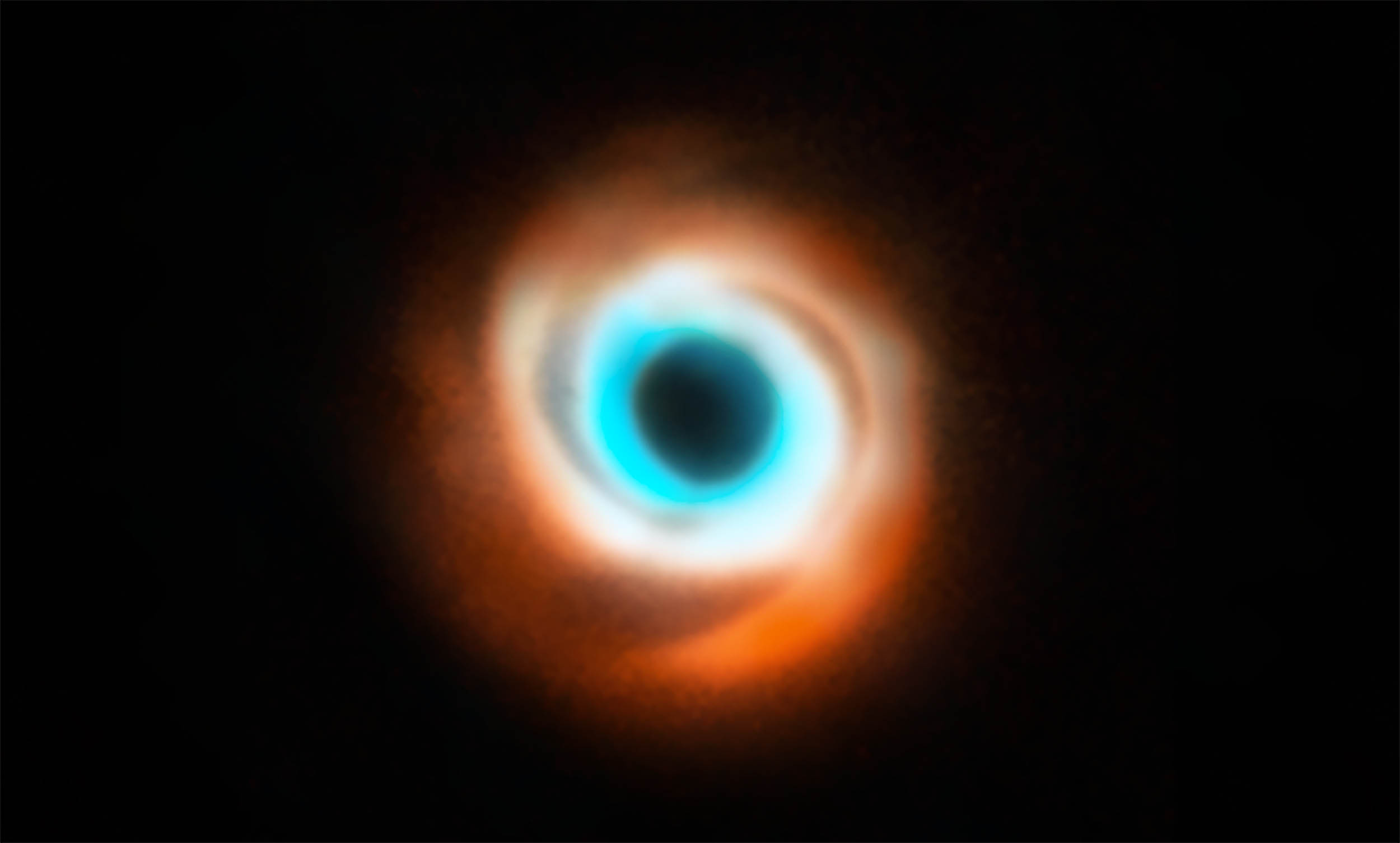
Astronomers using the European Southern Observatory’s VLT have captured the first direct images of a newborn planet around the star HD 135344B, revealing a planet still gathering mass and sculpting its dust disk, providing a rare glimpse into early planet formation.
European Southern Observatory engineers regularly polish and recoat the 25-ton mirrors of the Very Large Telescope in Chile's Atacama Desert to maintain optimal performance for astronomical observations, ensuring the telescope can continue to deliver detailed images of the universe.
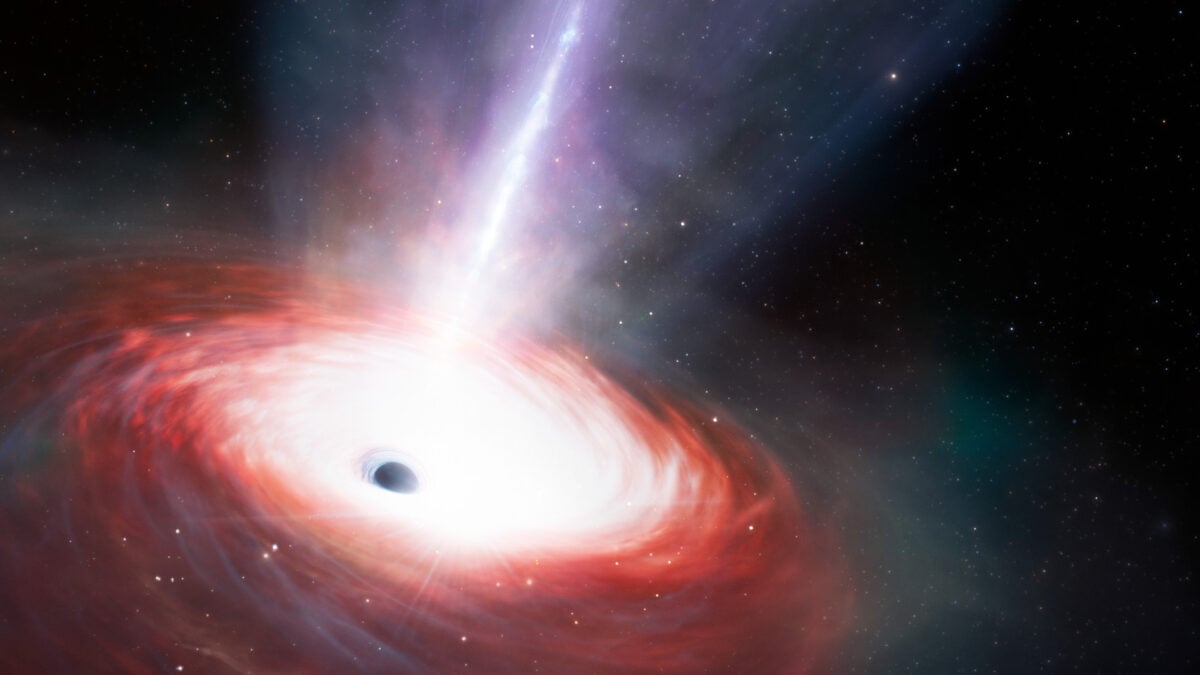
New research using the Very Large Telescope suggests that supermassive black holes in early galaxies were smaller than previously thought, which could lead to a reevaluation of models of cosmic evolution and our understanding of the early universe.
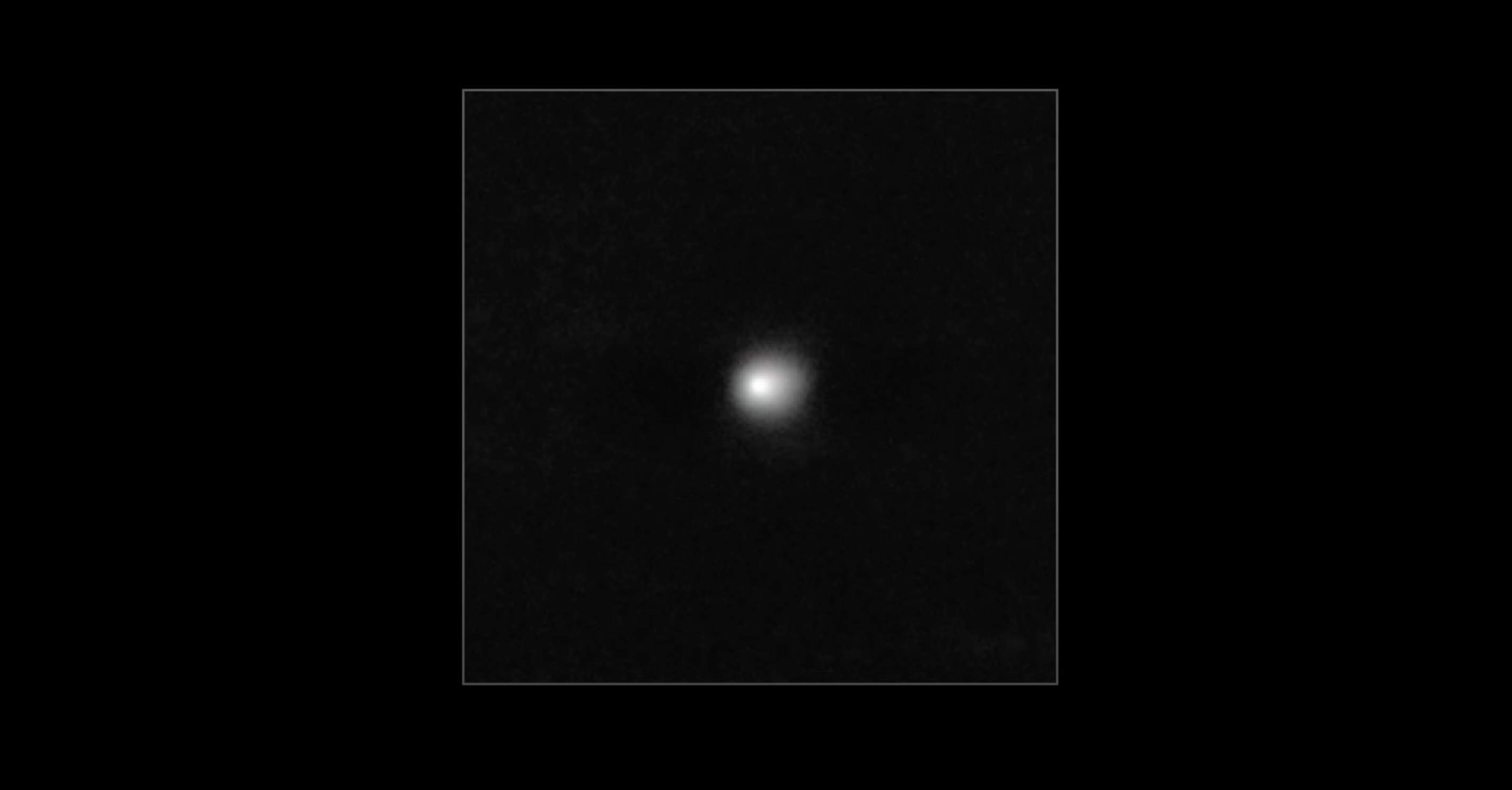
The European Southern Observatory has captured the clearest images yet of the interstellar comet 3I/ATLAS as it travels through the solar system, providing valuable data about this rare visitor, which is only the third interstellar object detected in our solar system. The comet was discovered on July 1, 2025, and will be closest to Earth in late October 2025, though it will be hidden behind the sun at that time. Observations will continue to study its structure, composition, and origin.
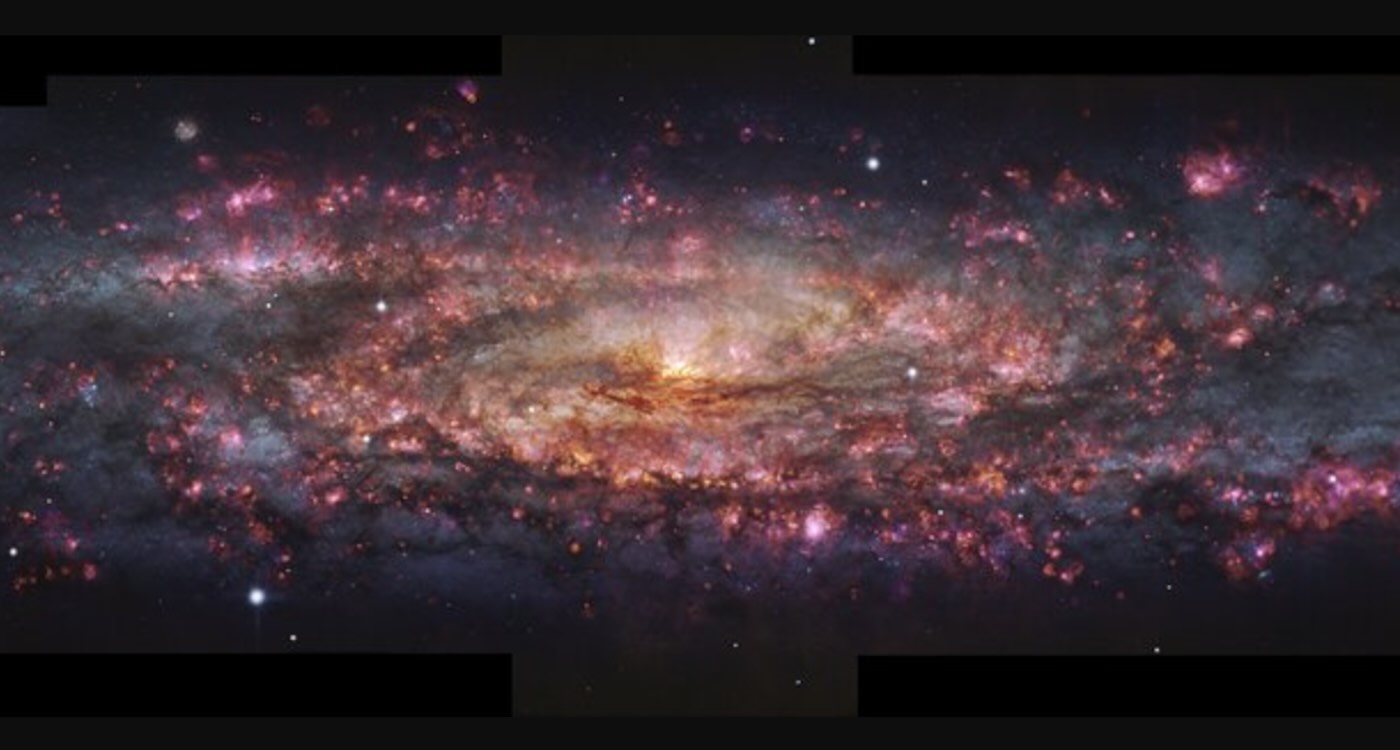
Astronomers using ESO’s Very Large Telescope captured thousands of unseen colors in the Sculptor Galaxy, revealing detailed insights into its star-forming regions and gas dynamics, thanks to 50 hours of observations and 100 exposures, enhancing our understanding of this complex galaxy 1.1 million light years away.
Scientists have captured the most detailed and colorful image of the Sculptor Galaxy using the VLT, revealing intricate structures, star-forming regions, gas flows, and signs of stellar evolution, providing new insights into galaxy formation and evolution.
Astronomers captured the most detailed and colorful image of the Sculptor Galaxy (NGC 253) using the VLT's MUSE instrument, revealing intricate galactic structures and discovering 500 new planetary nebulae, which could help in understanding galaxy systems and measuring cosmic distances.
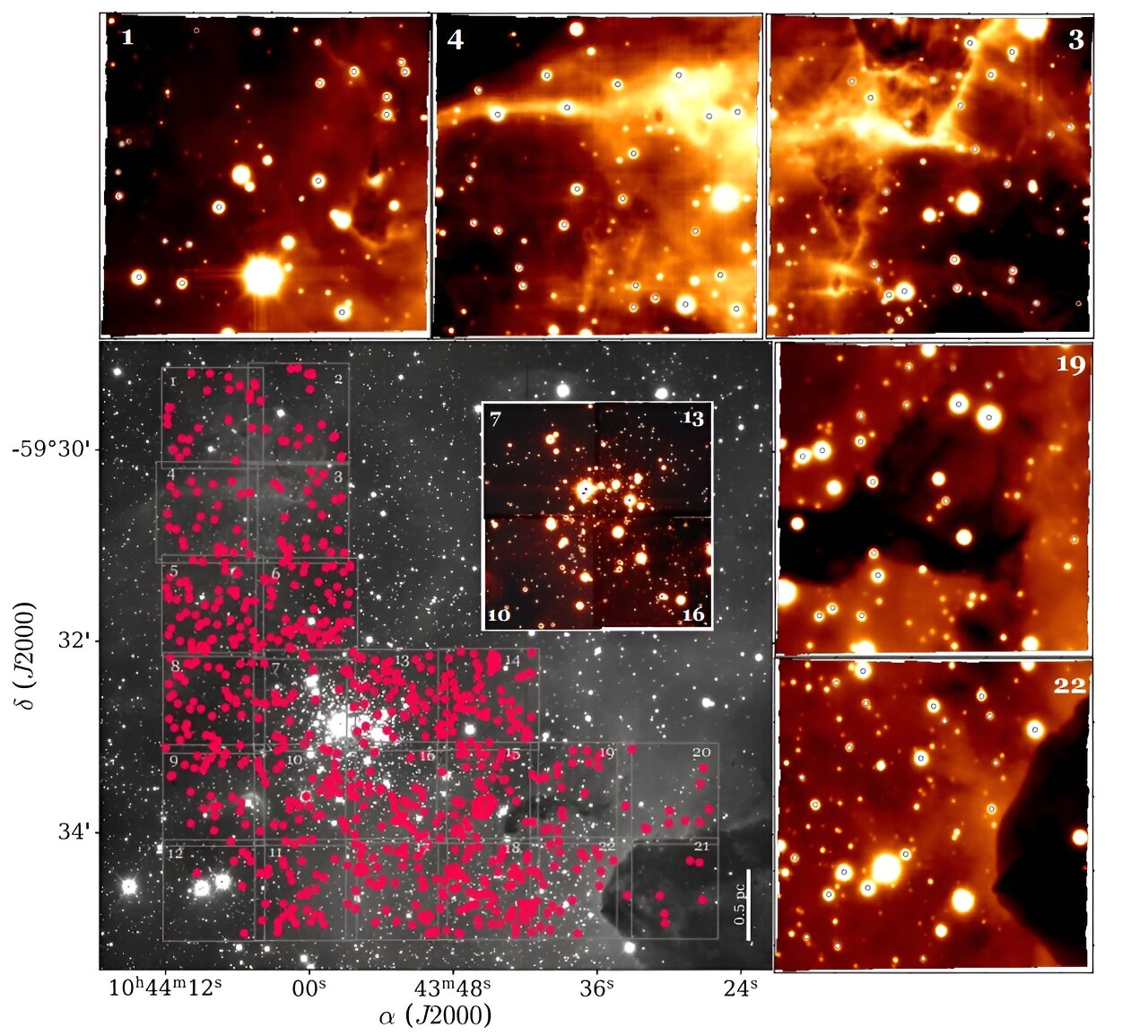
European astronomers have used the Very Large Telescope (VLT) to study the population of young low-mass stars in the open cluster Trumpler 14. Spectroscopic observations were conducted, revealing that about half of the stars in the sample have masses below 1 solar mass. The study provides valuable insights into the formation and evolution of low-mass stars in a cluster environment.