Apple is testing an internal AI chatbot called Veritas to improve Siri, allowing quick development and testing of new features, but it is not planned for public release, with Apple potentially relying on Google's Gemini for AI search capabilities.
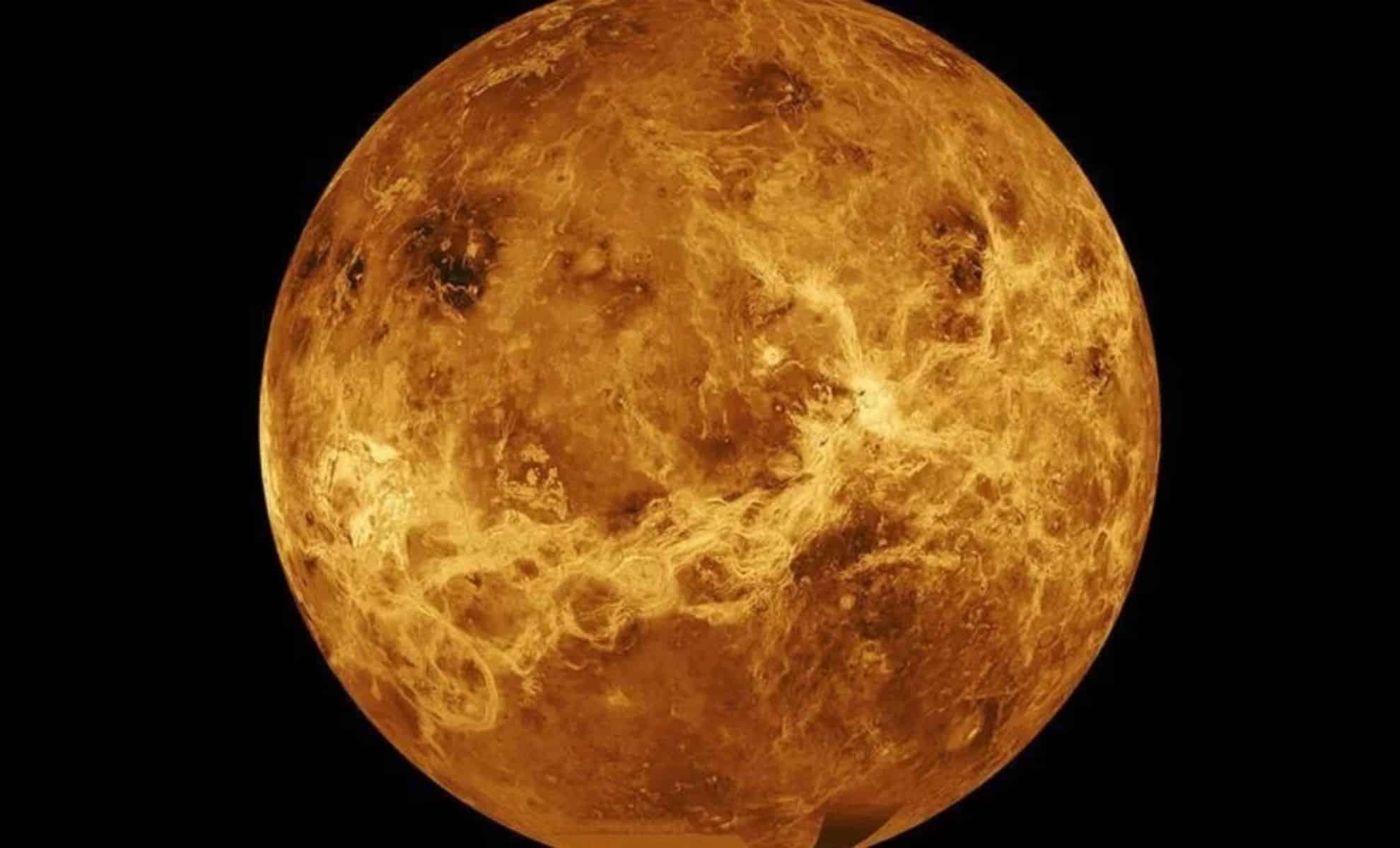
Recent NASA data reveals Venus is still geologically active, with ongoing mantle plumes and volcanic activity, challenging previous beliefs that the planet was dormant. This discovery offers insights into planetary geology, early Earth processes, and the potential past habitability of Venus, with upcoming missions like VERITAS set to further explore these phenomena.
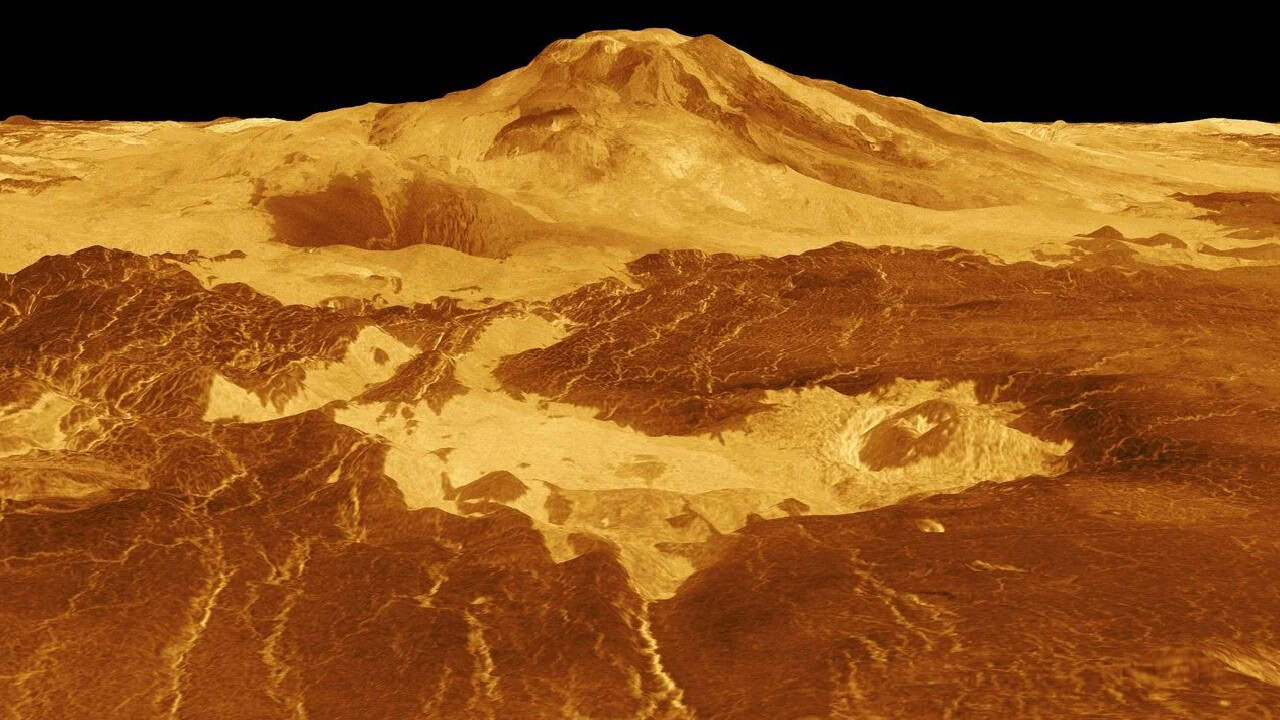
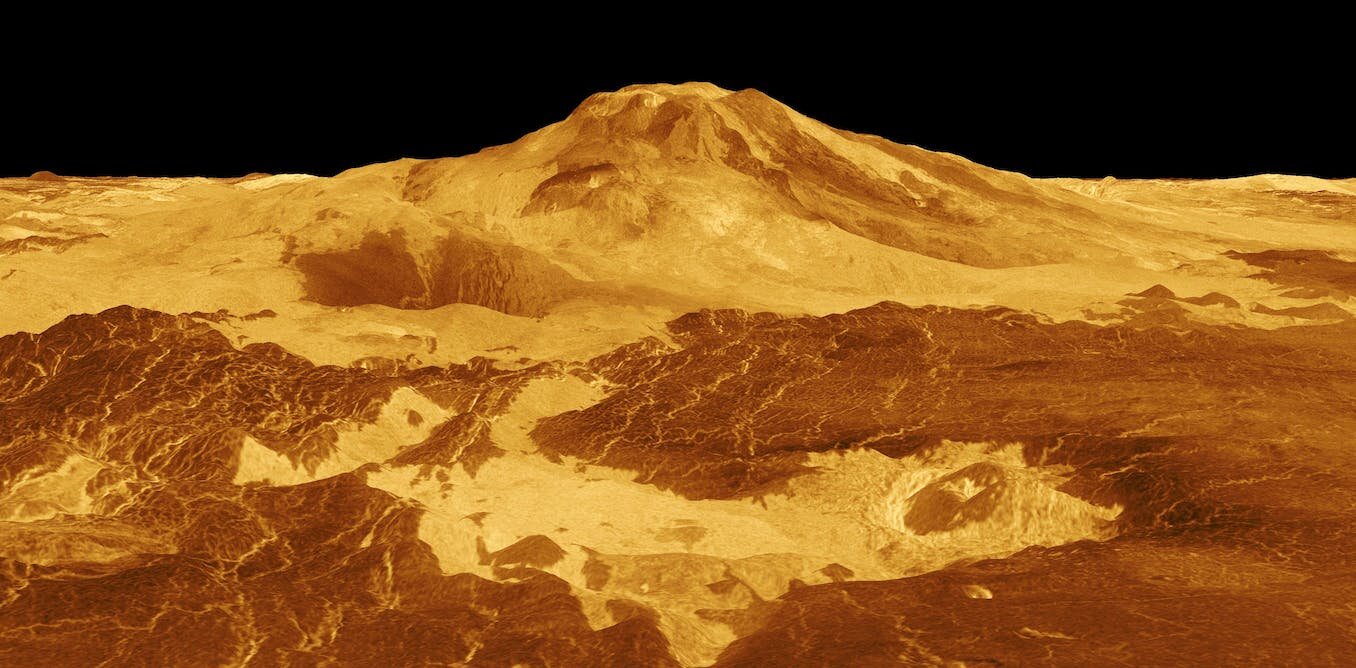
New research reveals that Venus is covered in thousands of volcanoes, some of which may still be active, based on re-examined radar images from NASA's Magellan spacecraft from the early '90s. This discovery has reignited interest in Venus, leading to NASA's upcoming VERITAS mission to further study the planet's volcanic activity.
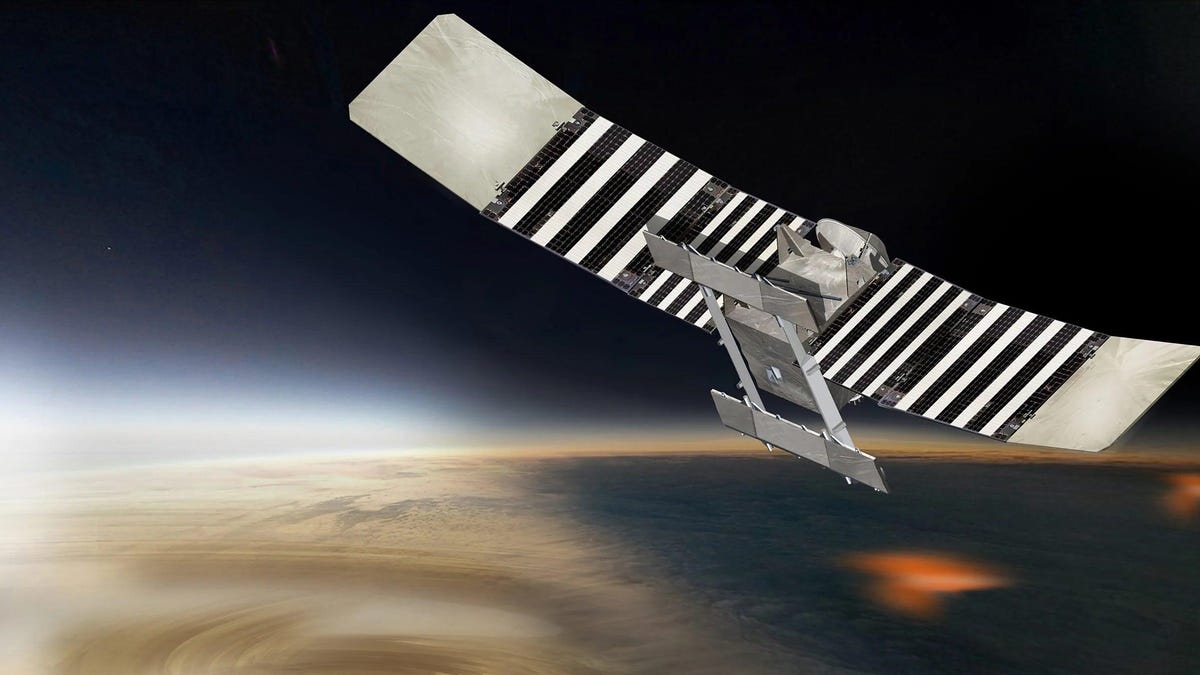
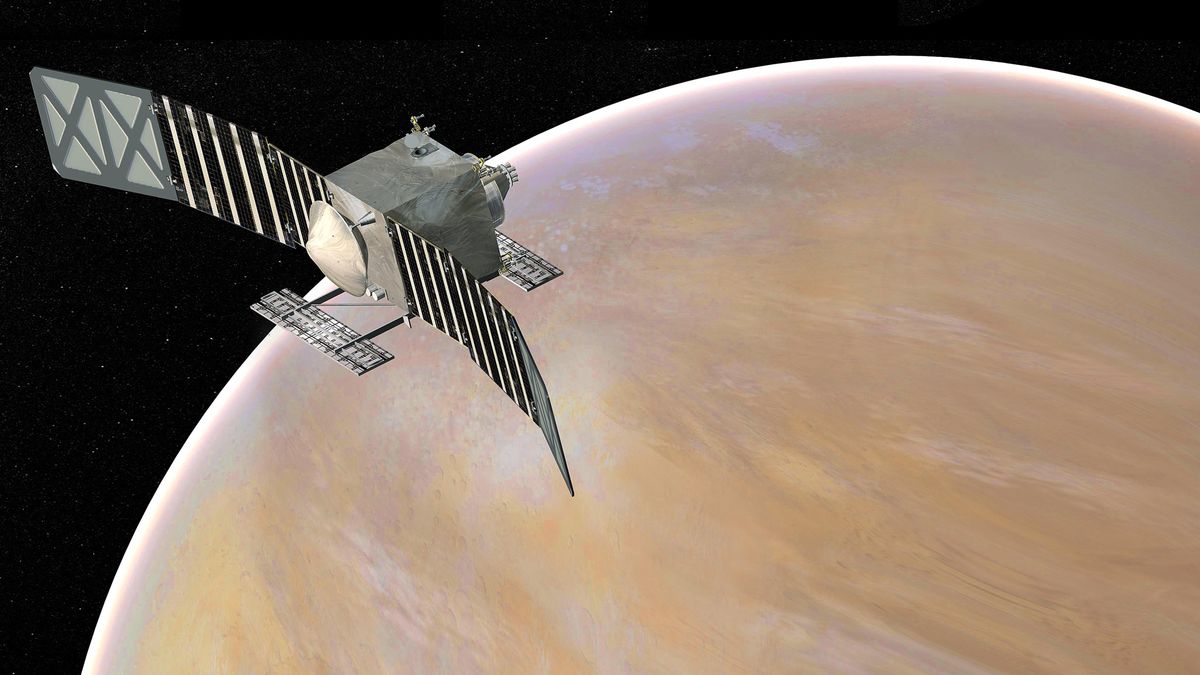
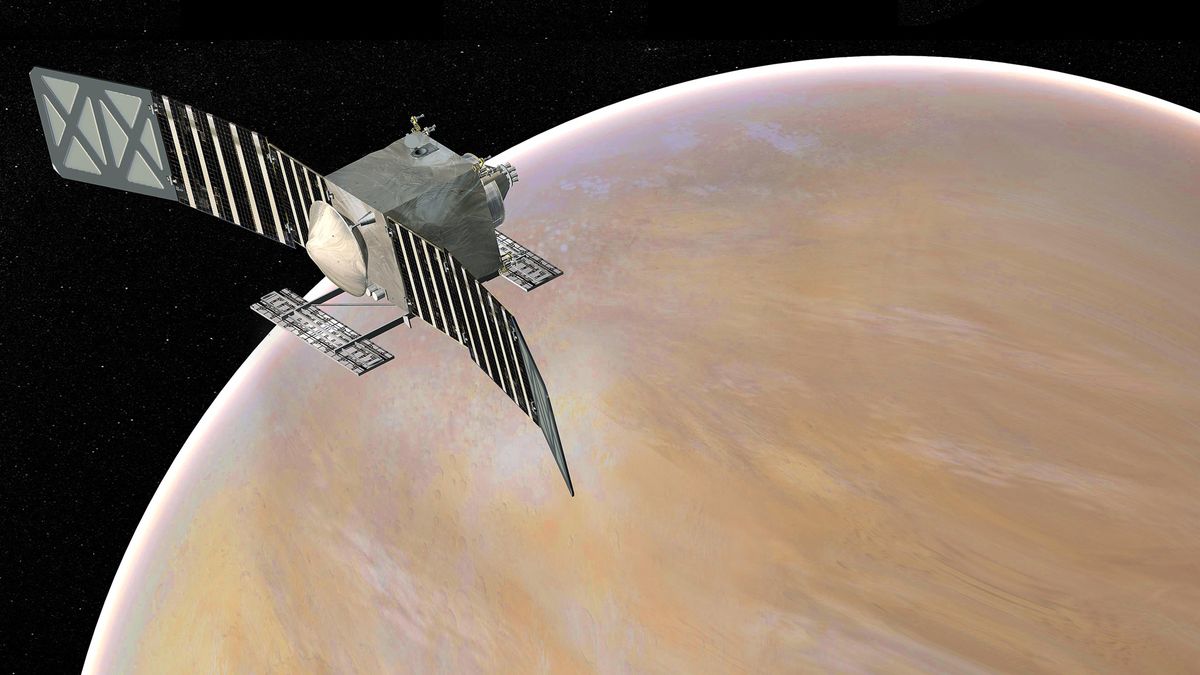
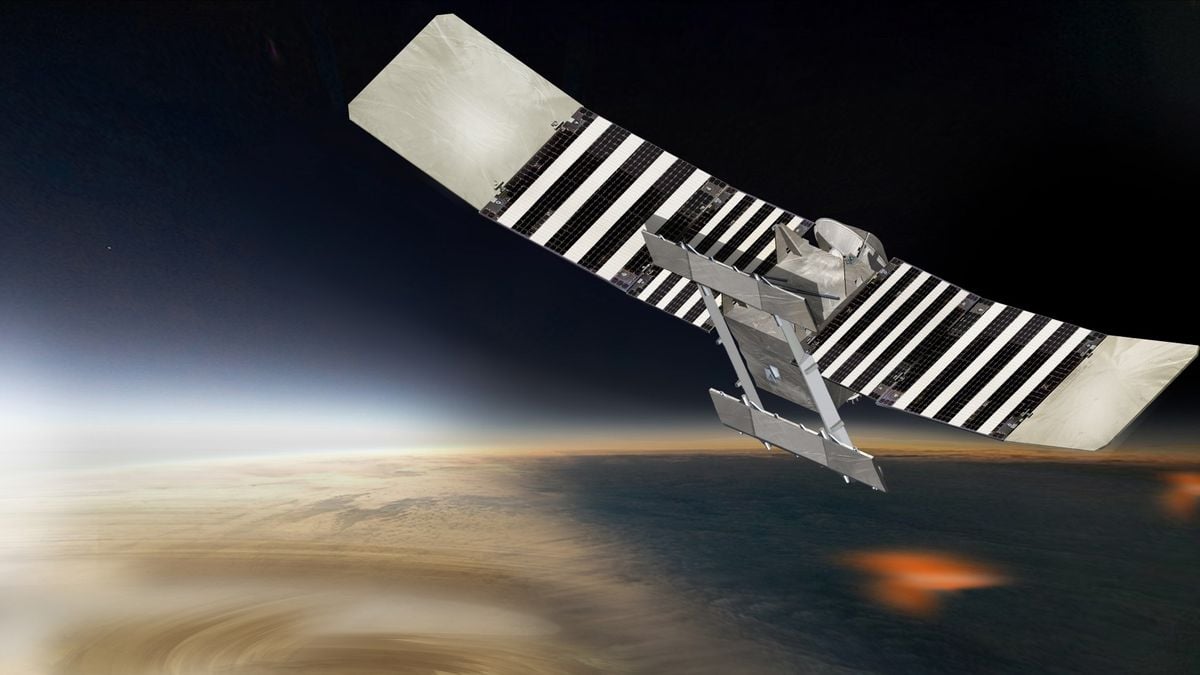
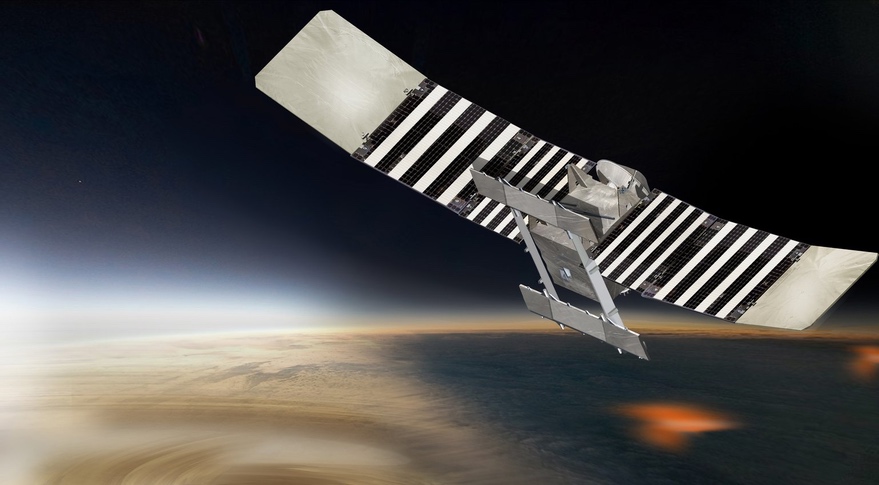
NASA's VERITAS mission to Venus, originally delayed due to budget and staffing issues, has been resurrected and is set to launch in 2031 after receiving adequate funding in NASA's final budget. The mission aims to map Venus's surface and composition, and its return has been met with relief and excitement from the scientific community.
Cohesity, a data protector and manager, has agreed to acquire Veritas' data protection business, valued at over $3 billion, in a deal expected to close by the end of 2024. The combined entity will have a reported $7 billion valuation and a $1.6 billion annual revenue run rate, making it one of the largest players in the data protection marketplace. The merger aims to combine Cohesity's innovation with Veritas' global presence and installed base, creating a comprehensive offering for customers and partners. This move represents a major reshaping of the data protection and cyber resiliency landscape, with potential for further consolidation in the industry.
Cohesity, led by CEO Sanjay Poonen, has announced plans to acquire Veritas' data protection business, forming a combined organization valued at $7 billion. The merger aims to create a leading entity in the data security and management market, with a focus on AI-powered technologies. The deal is expected to close by the end of 2024, and the combined company will have annual recurring revenue of $1.3 billion. The remaining Veritas assets will transition into a separate company known as "DataCo."
The Planetary Society has published an open letter to Congress calling for a 2029 launch date for NASA's VERITAS mission to Venus, which has been delayed indefinitely due to staff and budgeting issues at the space agency. The proposed amount for VERITAS' funding is "barely enough to keep us alive," according to the deputy principal investigator of the mission. The VERITAS orbiter mission would provide fundamental data on Venus, the kind NASA has been missing out on for the past 30 years.
The Planetary Society has written an open letter to Congress requesting support for NASA's stalled VERITAS mission to Venus, which has been indefinitely delayed due to institutional troubles at NASA's Jet Propulsion Laboratory. The White House has requested just $1.5 million for the mission next year, instead of the projected $56.7 million, effectively halting development. The Planetary Society is asking Congress to establish a 2029 launch date, reducing the delay to just two years, and is also asking members of the public to petition Congress to support the mission.
Delays to NASA's VERITAS mission, originally scheduled to fly in 2027, might affect the two other missions set to explore Venus. The White House's 2024 budget proposal for NASA holds the mission funding for VERITAS at a mere $1.5 million per year for the near future, placing the mission in a "deep freeze." VERITAS was supposed to be the first mission to return to Venus since NASA's Magellan spacecraft orbited it nearly 30 years ago. Its indefinite delay has disbanded the mission's engineering wing, and scientists are now worrying about its impact on two other related missions to Venus.
NASA has pulled funding for the VERITAS mission to Venus, which was on track and on budget, to accommodate other missions facing cost overruns. The 2024 proposal allocates a $1.5 million shoestring budget to VERITAS, a severe drop from NASA's projected $56.7 million. The limited funding keeps the mission's science team intact but disbands its entire engineering wing. Most of the anticipated funding will instead be used to fund other missions that are currently exceeding their initial budgets. The VERITAS team argues that the delay is longer than what can be justified by the reasons given.
Funding has been gutted for a key NASA Venus mission, VERITAS, which was set to launch in 2028 and would have mapped Venus with radar and infrared spectroscopy. This comes after the discovery of the first direct evidence of an active volcano on Venus, which has excited the planetary science community. The delay of VERITAS has been attributed to problems with another mission, Psyche, but the VERITAS team argues that the delay is due to budget issues. The sudden cutting of funding to an already selected mission is sending ripples through the wider scientific community, with concerns over the impact on international partnerships and the potential for ruining partnerships with experienced international engineers and scientists who are needed for future missions.
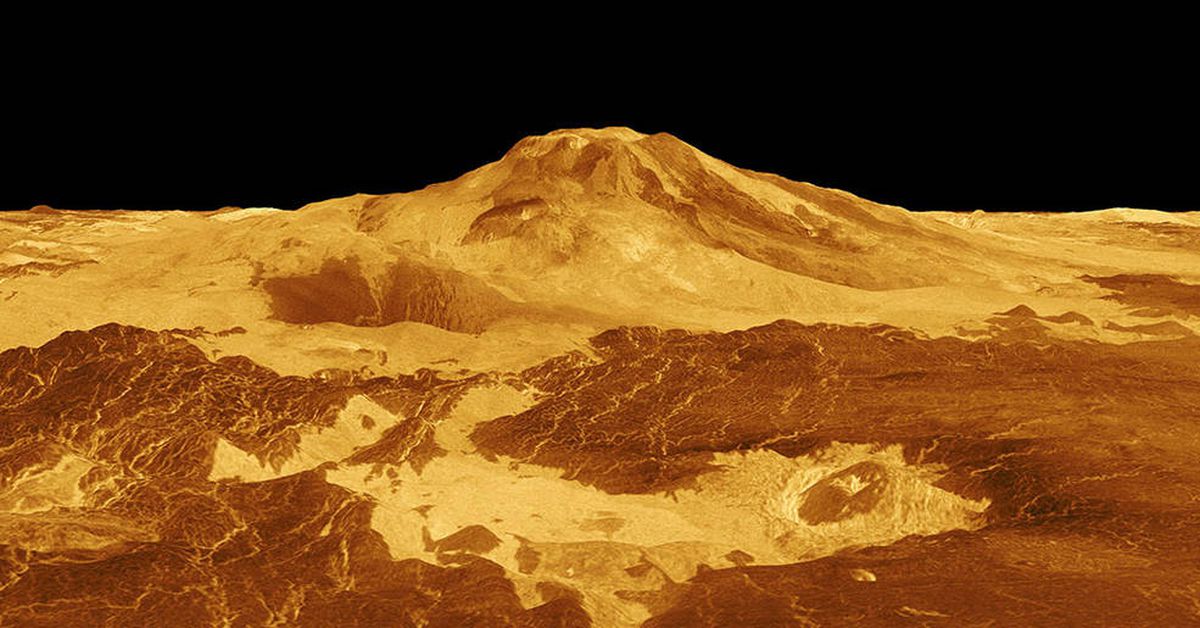
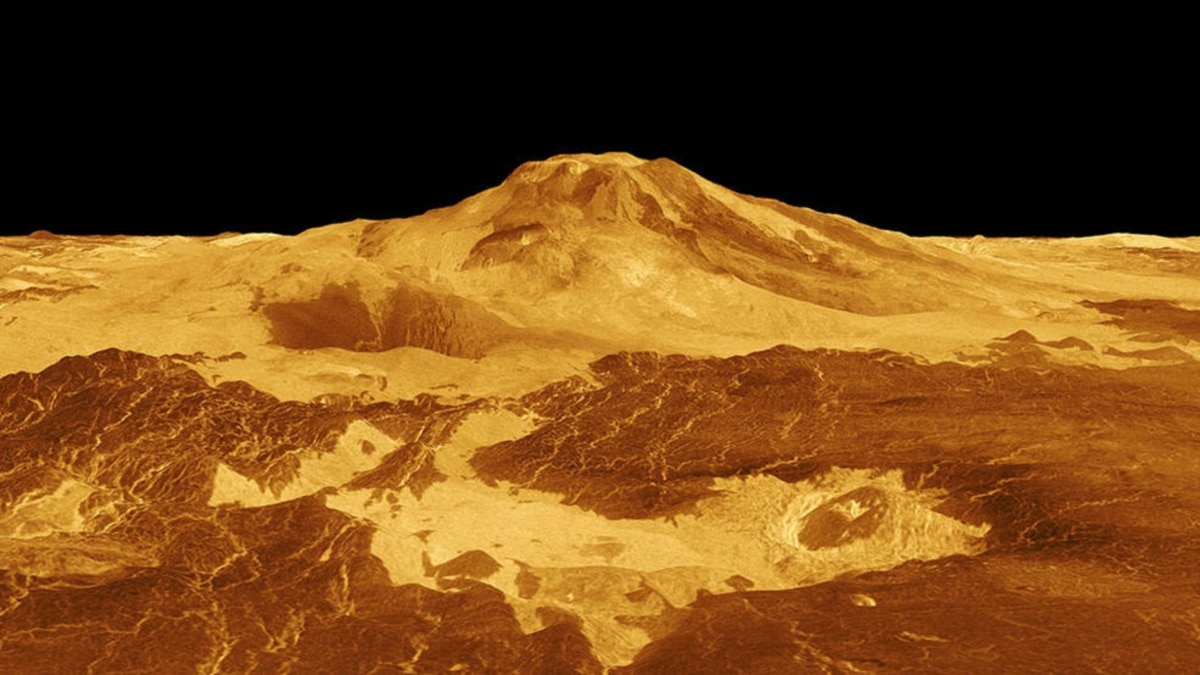
New evidence suggests that Venus is volcanically active, based on radar images captured by NASA's Magellan spacecraft over 30 years ago. The images showed volcanic openings on the surface of Venus that appeared to change shape and size in less than a year, providing the first direct evidence of more recent volcanic activity on the planet. NASA's upcoming VERITAS mission is expected to study Venus from the surface to core in an effort to understand this rocky planet about the same size as Earth.
Geophysicist Robert Herrick of the University of Alaska, Fairbanks, has caught one of Venus's volcanoes in the act, providing the first clear evidence of volcanic activity on the planet. Venus's dense atmosphere makes it difficult to study its surface, but radar images from NASA's Magellan probe have revealed changes on the surface that can only be explained by volcanic activity. Future missions, such as NASA's Veritas and Esa's EnVision, will carry better imaging radar than Magellan and are expected to provide more information about Venus's volcanic activity.
NASA may have to choose between continuing the delayed VERITAS mission to Venus or requesting proposals for a future Discovery mission due to budget pressures in its planetary science program. The agency's fiscal year 2024 budget proposal included only $1.5 million for VERITAS, which was selected as one of two Discovery missions in 2021. The future budget projections for VERITAS keep the mission at $1.5 million a year through fiscal year 2028, effectively indefinitely delaying the mission. NASA may have to choose between continuing VERITAS or holding a competition for the next Discovery-class mission, currently scheduled for fiscal year 2025.
Planetary scientists have discovered evidence of recent volcanic activity on Venus, thanks to archives from NASA's Magellan mission. The discovery was inspired by NASA's upcoming mission to Venus, VERITAS, which will scan the planet from surface to core. The analysis of the archives has detected a volcanic vent swelling with lava in the Atla Regio region, near the planet's equator. The discovery confirms that there is modern geological activity on Venus and gives scientists a taste of the discoveries that VERITAS will likely reveal.