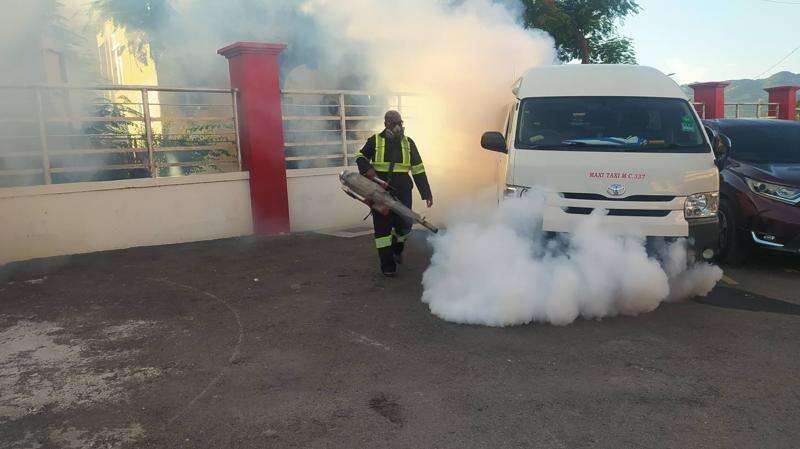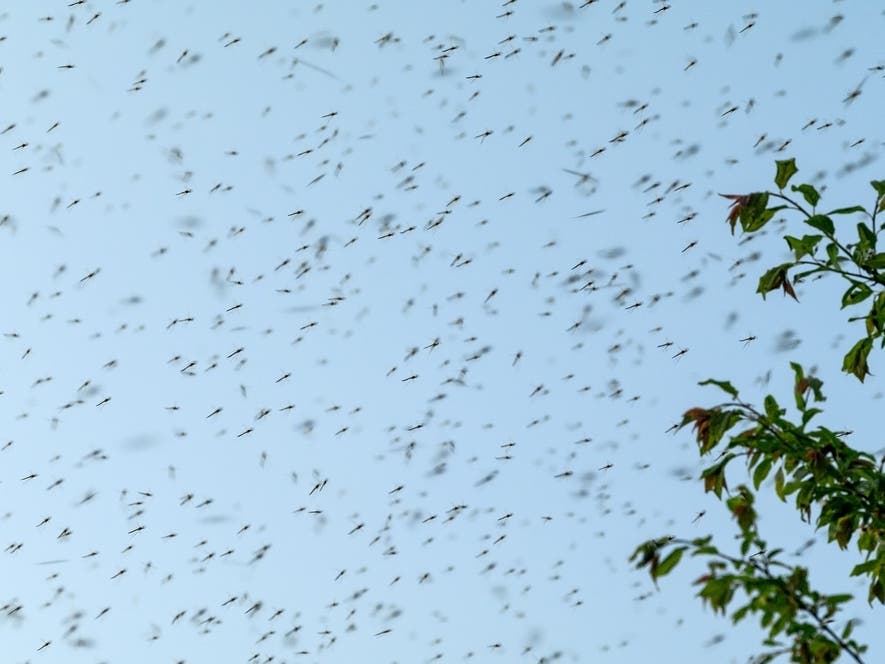
The Jamaican Ministry of Health and Wellness assures the public that the chemicals used in mosquito fogging are safe and approved by the WHO, emphasizing that the method is necessary to control mosquito-borne diseases post-Hurricane Melissa, with minimal health risks when used as directed.
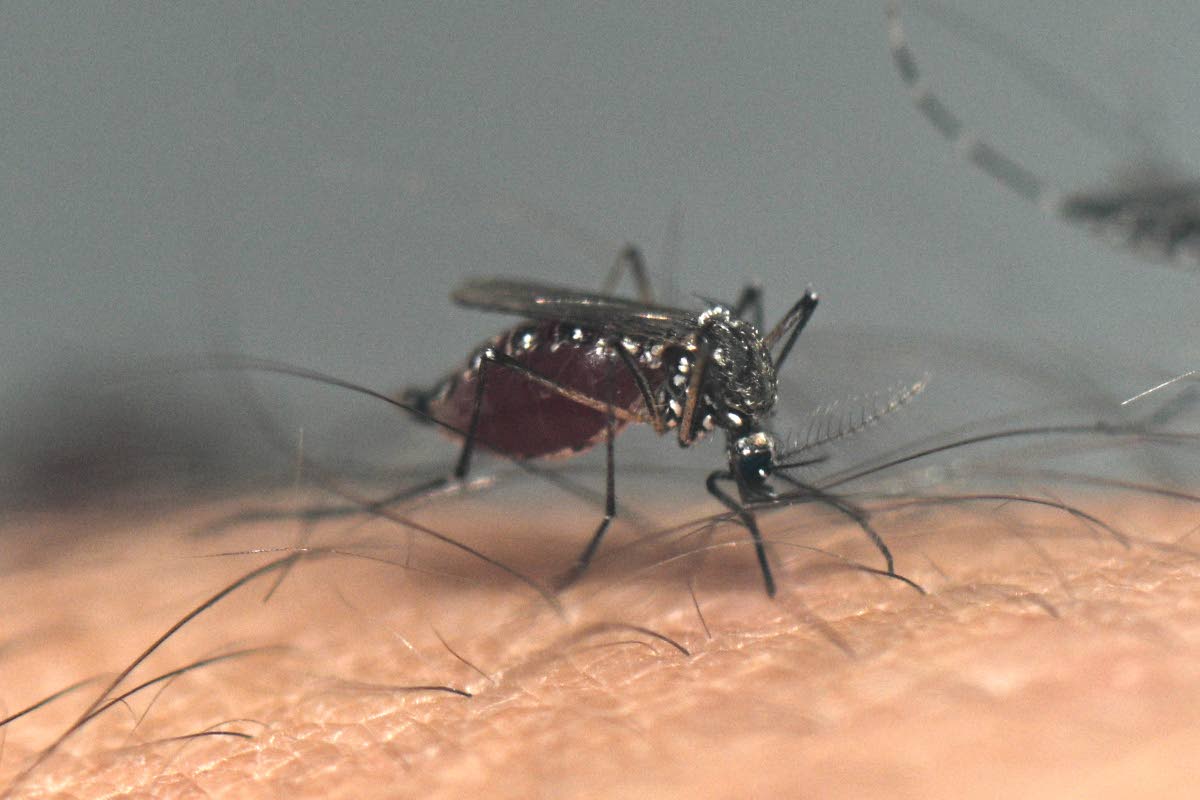
A study reveals that malaria-carrying mosquitoes use human scent, particularly volatile organic compounds and skin acids, as GPS-like signals to locate their hosts, with scent being the primary cue over heat and vision, which can inform new mosquito control strategies.
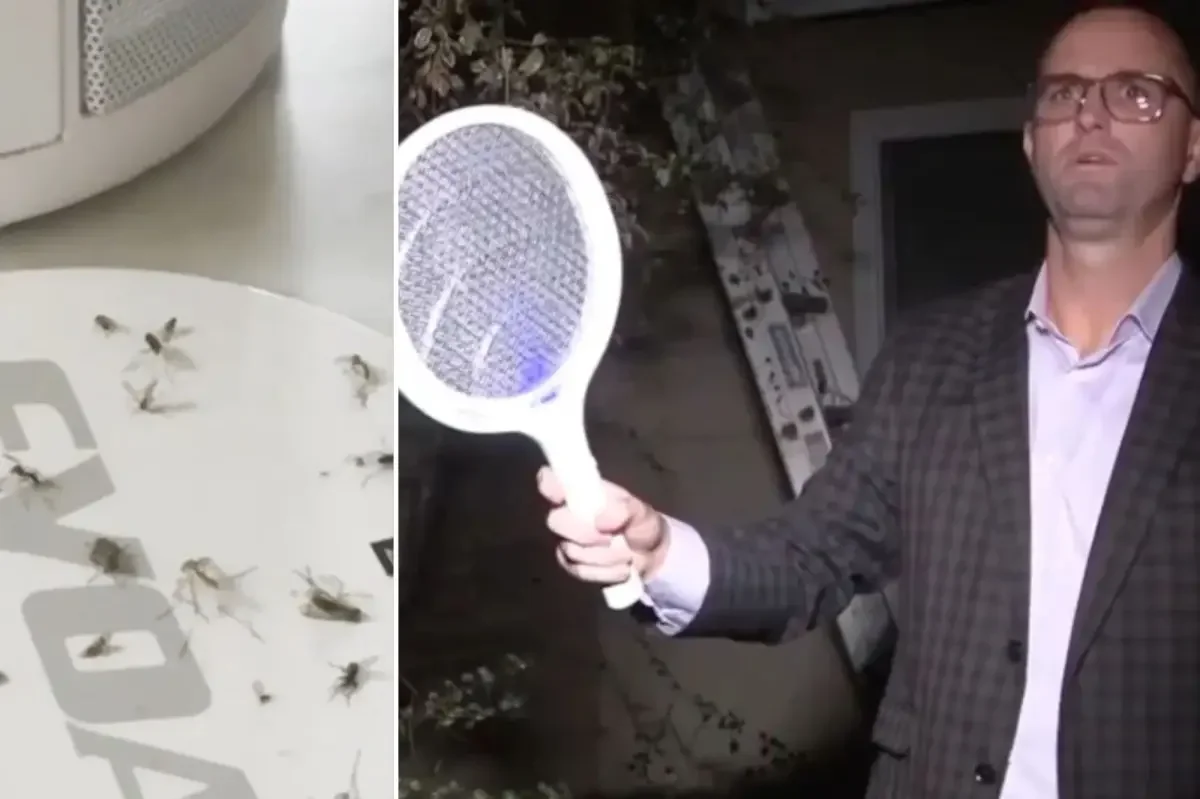
The WHO recommends the use of spatial emanators, a new malaria vector control tool that emits active ingredients to repel and kill mosquitoes, supporting their integration alongside existing measures like bed nets. The organization has prequalified two products, Mosquito Shield and Guardian, which can remain effective for up to a month and a year respectively, and are expected to enhance malaria prevention efforts, especially in areas facing insecticide resistance. Further research is ongoing to evaluate their standalone effectiveness and potential applications beyond malaria.
The Trinidad and Tobago Ministry of Health urges the public to protect themselves from mosquito bites during the rainy season to prevent diseases like Dengue, Zika, and Chikungunya, emphasizing the importance of eliminating breeding sites, using protective measures, and seeking medical attention if symptoms appear.
Connecticut has detected its first West Nile virus-positive mosquitoes of the season in Bridgeport, prompting health officials to advise residents on protective measures amid increased mosquito activity due to recent weather conditions.
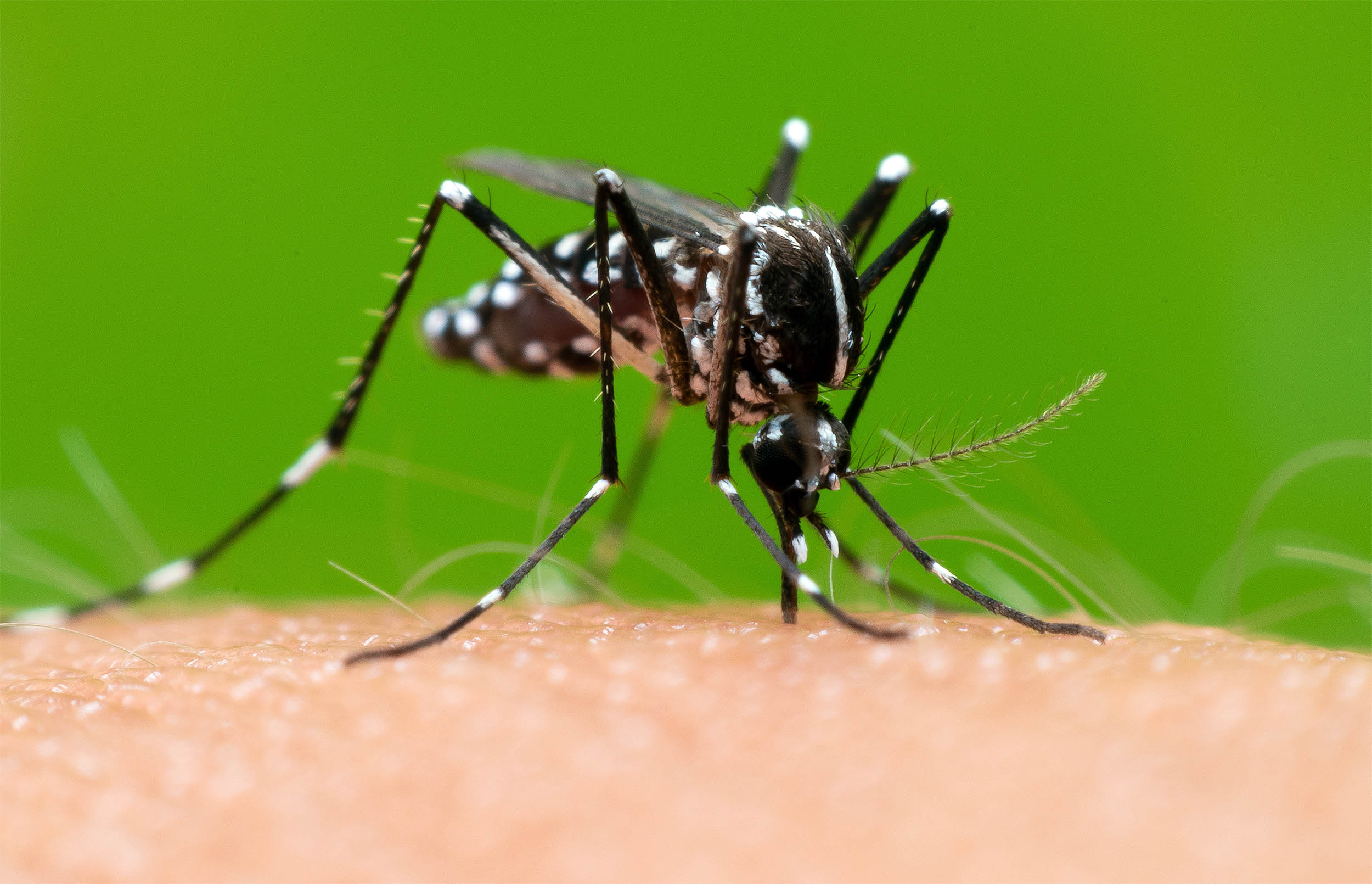
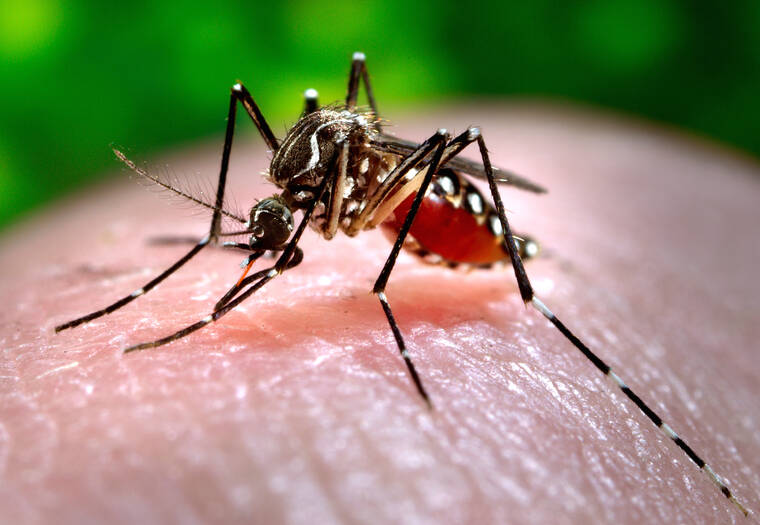
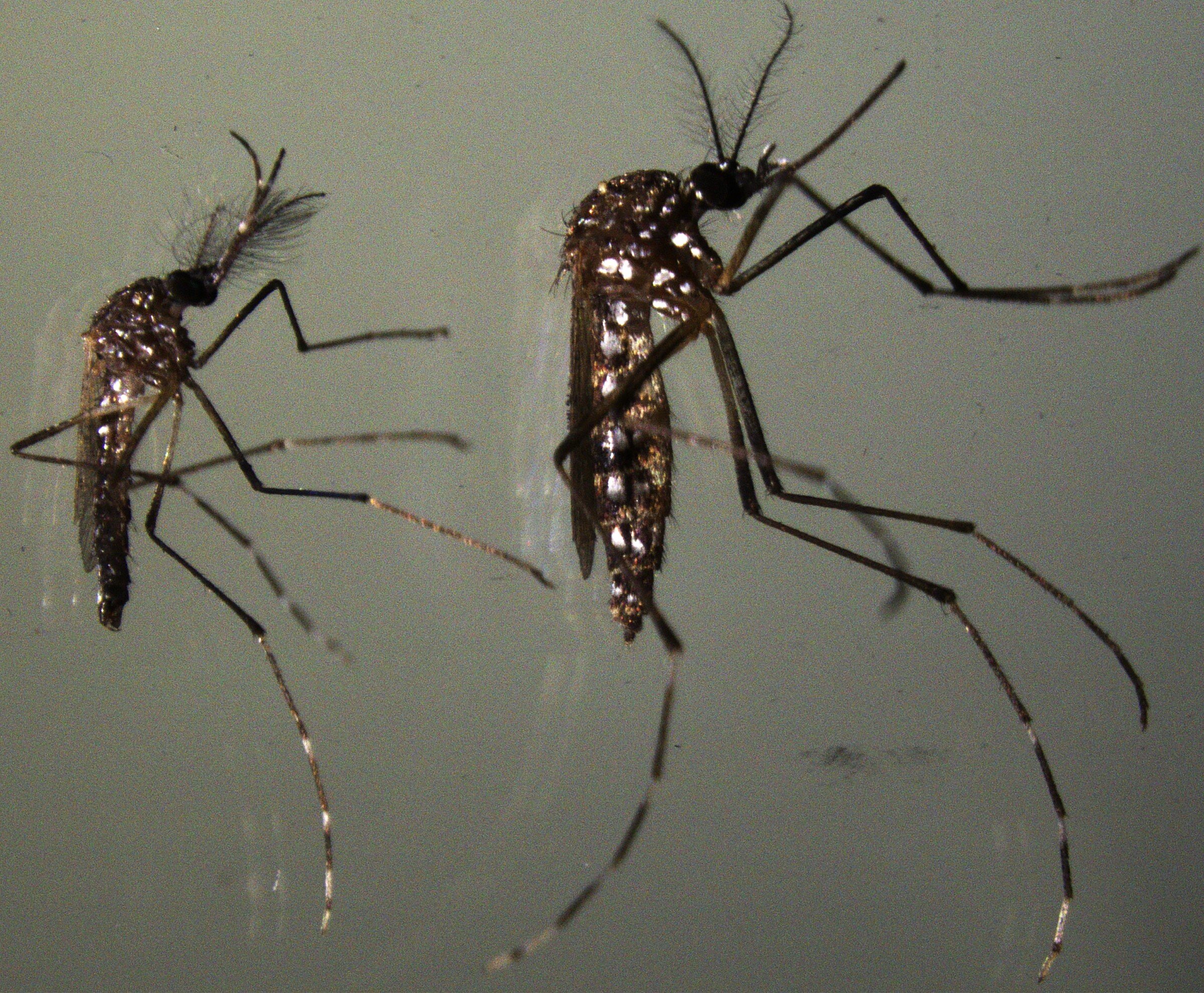
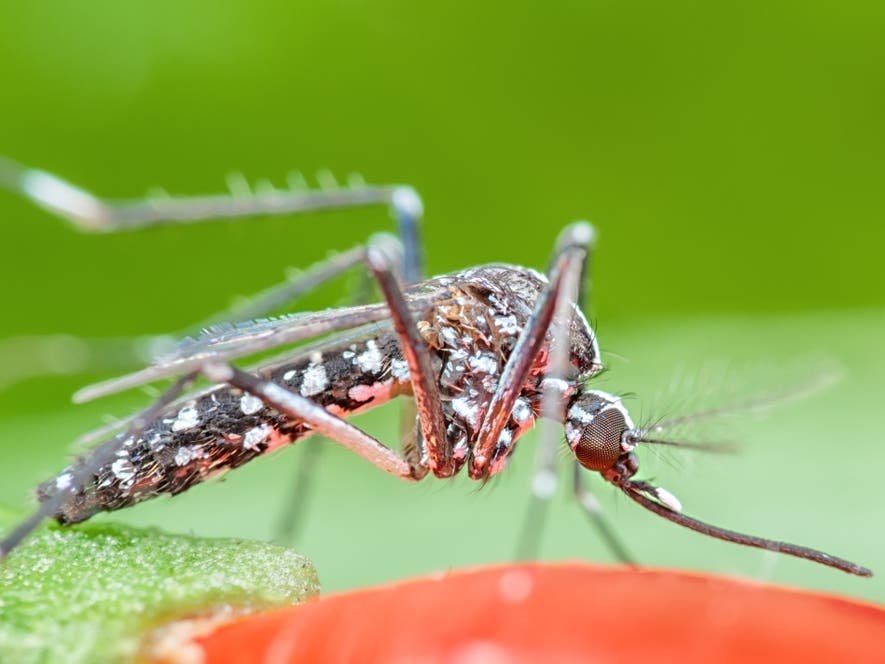
Invasive Aedes aegypti mosquitoes, capable of transmitting diseases like Zika and dengue, have been found in several California counties, including San Diego. The California Department of Health has been monitoring these mosquitoes as part of a statewide surveillance system. Additionally, limited local transmission of dengue virus has been reported in various California counties. Residents are advised to take precautions such as eliminating standing water, using insect repellent, and wearing protective clothing to prevent mosquito bites.
Another travel-related case of dengue has been reported in Haleiwa, Oahu, prompting the Hawaii Department of Health to urge the public to take extra precautions due to the high visitor traffic and dense mosquito populations in the area. Vector control teams have treated the area and are monitoring it closely, while urging residents to protect themselves from mosquito bites and eliminate standing water where mosquitoes breed. Since January 1, 2023, there have been 10 travel-related dengue cases reported in Hawaii, with five cases linked to Central or South America and five to Asia.
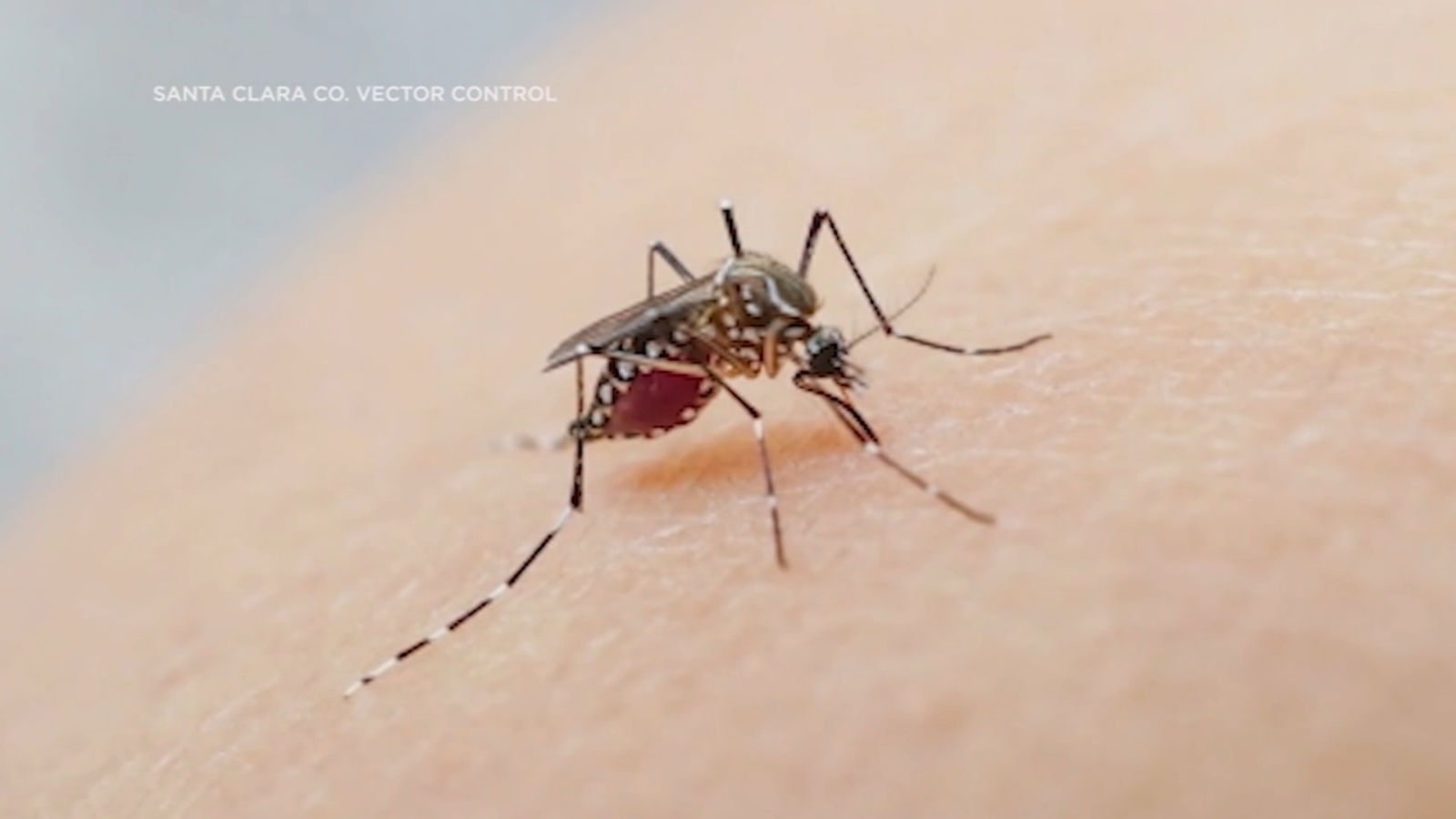
Aedes aegypti mosquitoes, known for transmitting deadly viruses, have been found in Santa Clara County, prompting vector control measures. Residents are urged to eliminate standing water on their properties to prevent mosquito breeding. The mosquitoes, which prefer humans and are aggressive day-biters, can spread diseases like Zika and dengue. The county is implementing eradication plans and specialized traps in the affected area, while urging residents to report sightings and take preventive measures.
Eggs of the Aedes mosquito, which carries the Zika virus, have been found to survive desiccation by altering their metabolism, according to a study. Researchers discovered that the eggs undergo changes in metabolic pathways, including an increase in lipid metabolism and a decrease in glycolysis and ATP production. The eggs also accumulate polyamines, which help protect cellular components. Inhibitors of polyamine synthesis and fatty acid metabolism reduced the eggs' ability to survive desiccation. These findings provide insights into controlling the spread of the Zika-carrying mosquito and suggest potential vector-control agents.
California is experiencing its worst mosquito season in years, with the invasive Aedes aegypti mosquito, also known as the ankle-biter mosquito, causing havoc. The mosquito population has surged after a rare summer storm, and residents are being bitten in their own homes. The Aedes mosquito is more aggressive than native species, bites multiple times for one blood meal, and is more likely to bite at all hours of the day. Human cases of the mosquito-borne West Nile Virus are also spiking across the state. Efforts to control the spread of mosquito-borne diseases, including sterilizing male mosquitoes, are being explored. In the meantime, residents are advised to eliminate stagnant water to reduce mosquito breeding grounds.
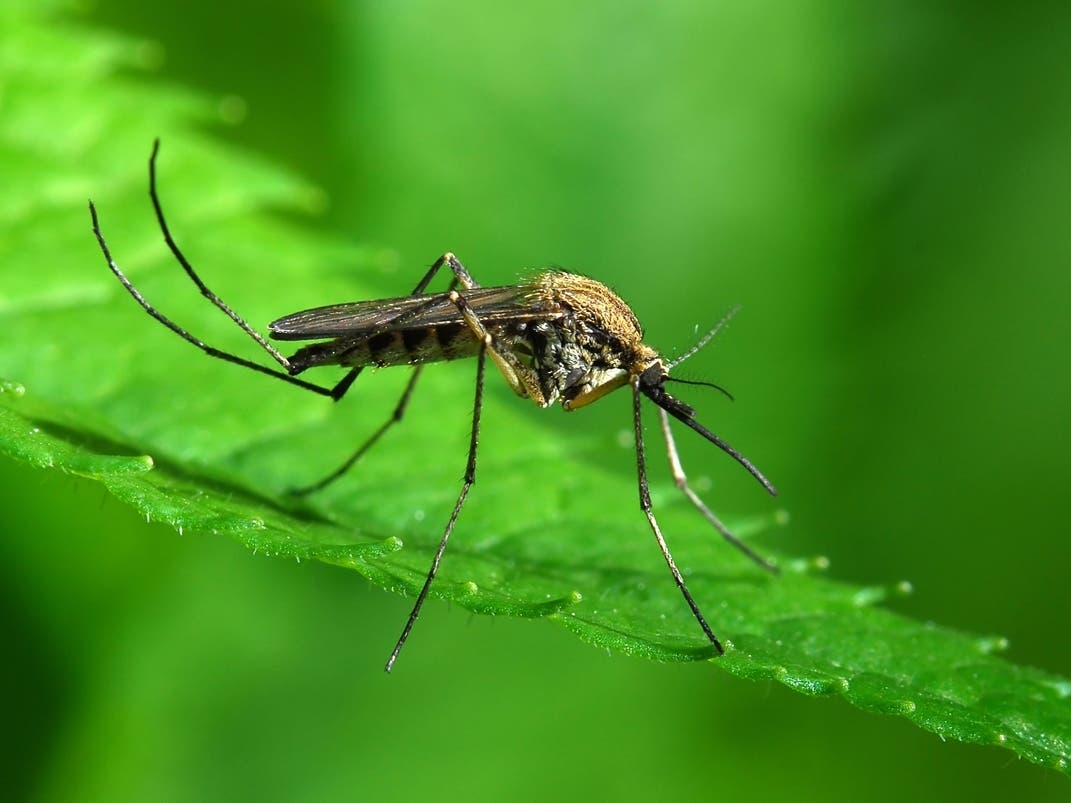
Riverside County vector control officials are planning a large-scale anti-mosquito spraying operation in Perris, California, to combat the rising mosquito populations and eradicate growing infestations that pose a potential risk to public health. The spraying will target an area that tested positive for West Nile virus, and residents are advised to stay indoors and keep windows closed during the operation. Mosquito season in Southern California typically spans from May to October, and residents are reminded to take precautions to reduce exposure to mosquitoes carrying the virus.
San Diego County is experiencing an increase in Aedes Aegypti mosquitoes due to the recent tropical storm, which has left standing water in ponds and lakes. These mosquitoes are known for low-level flying and attacking ankles without warning. Experts advise checking properties for standing water and clearing out drainage pipes to prevent breeding. While larger bodies of water on public lands are treated by Vector control, the numerous smaller water sources in backyards pose a challenge. Mosquitoes are most active at dusk and dawn.
The recent heavy rainfall in California has created favorable conditions for ankle-biter mosquitoes, also known as Aedes aegypti, to thrive. This invasive species can transmit diseases such as encephalitis, Dengue Fever, and Zika. The rainfall has also led to an increase in the common house mosquito, which spreads the West Nile Virus. So far, there have been 55 human cases of West Nile Virus in California this year. Vector control officials are urging residents to eliminate standing water and take preventive measures to protect against mosquito bites. The potential for local transmission of diseases like Dengue Fever and Zika remains a concern, as the Aedes mosquitoes have been found in the state.
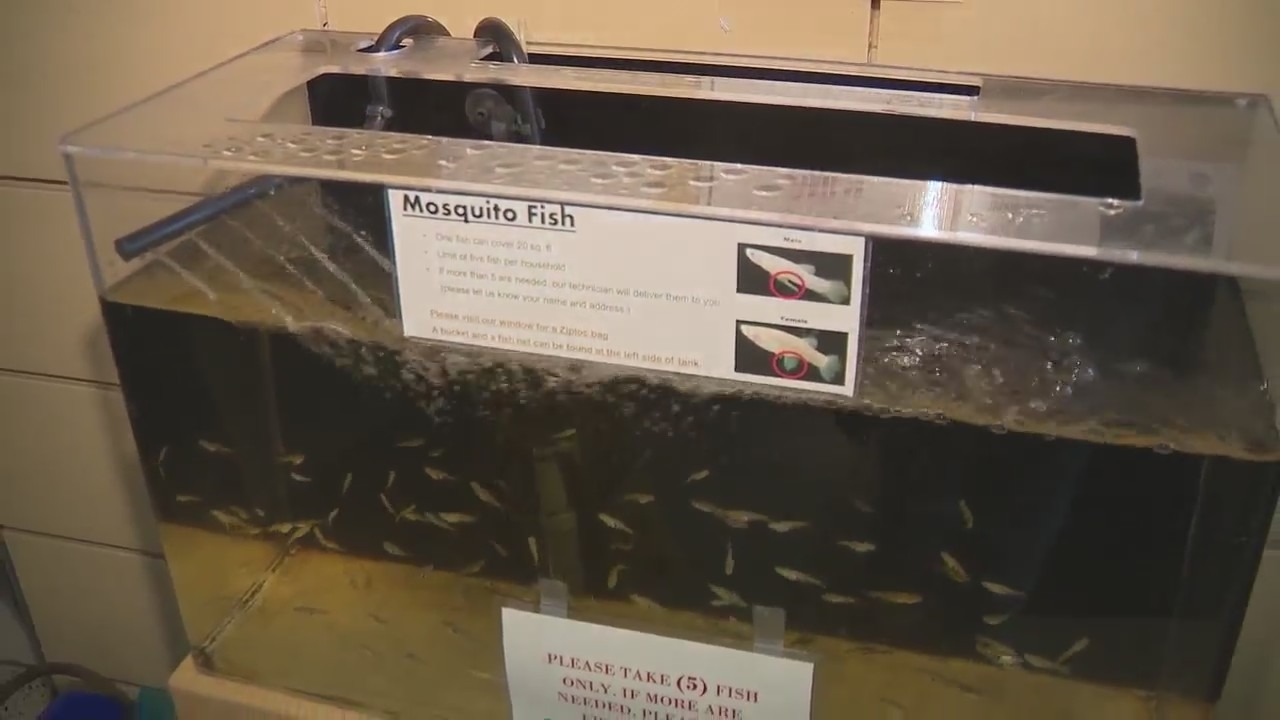
Cases of West Nile Virus have been detected in Contra Costa County and Santa Clara County in the Bay Area. The Santa Clara County Vector Control District will be spraying for mosquitoes in affected areas. Residents are advised to eliminate standing water where mosquitoes breed, such as in buckets or unused pools, and to use repellent when outdoors during dusk or dawn. The Contra Costa Mosquito and Vector Control District offers assistance in inspecting properties and providing larvicide or fish to control mosquito populations.
Experts have highlighted the increasing incidence of dengue globally, with an estimated 100-400 million infections occurring each year. The Americas have seen a sharp increase in dengue cases, surpassing figures for 2019. Urbanization, climate change, and COVID-19 disruptions have contributed to the spread of the disease. Vector control measures and community engagement are crucial in preventing dengue, as there is no specific treatment. PAHO has developed initiatives to support local prevention activities, including Mosquito Awareness Week. Dengue symptoms range from mild to severe, and prevention relies on controlling the mosquito vector.