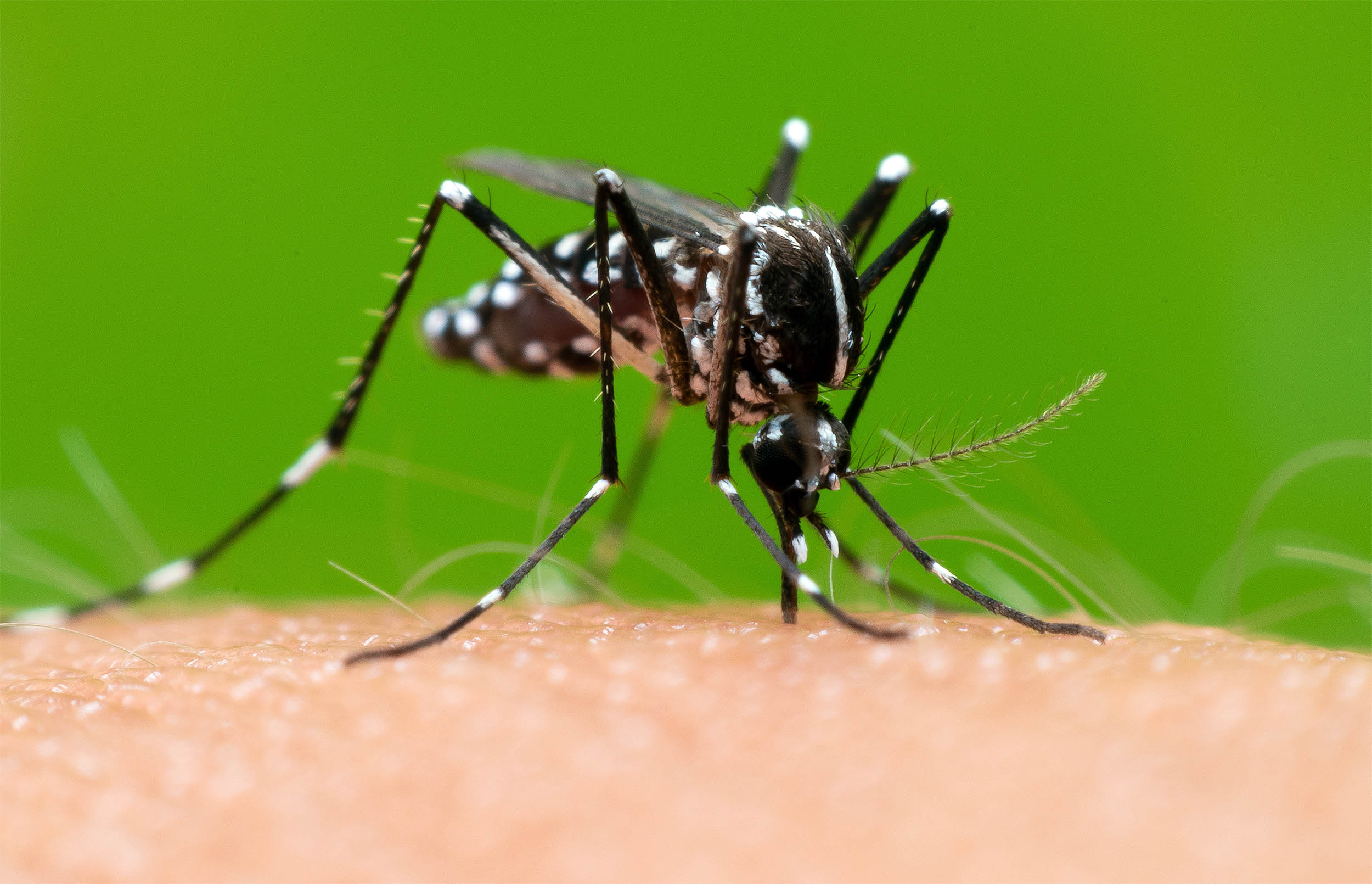
A study reveals that malaria-carrying mosquitoes use human scent, particularly volatile organic compounds and skin acids, as GPS-like signals to locate their hosts, with scent being the primary cue over heat and vision, which can inform new mosquito control strategies.
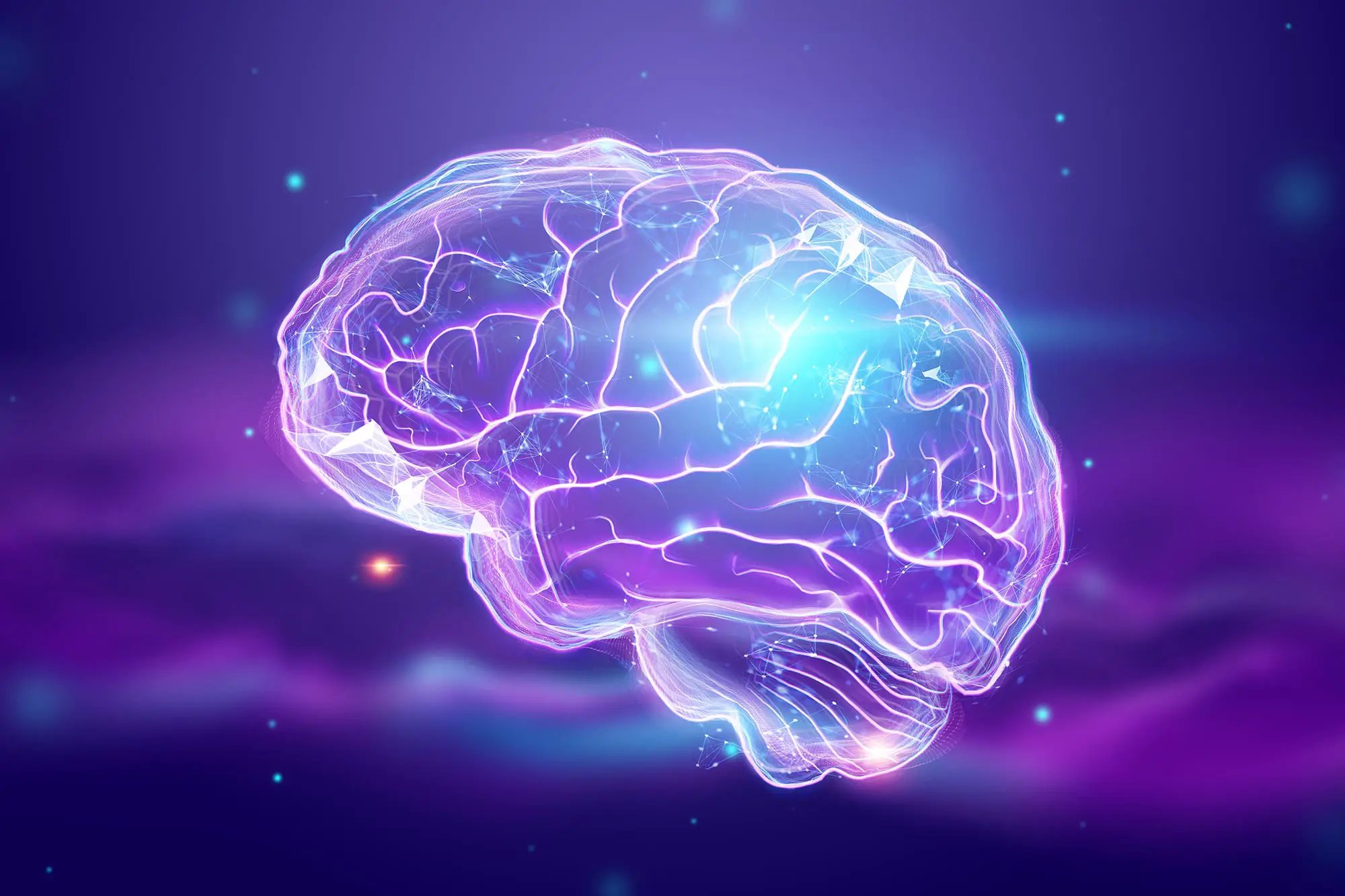
Exercise can directly improve brain health by promoting hippocampal neuronal development, with astrocytes playing a key role in mediating the effects. Chemical signals released by contracting muscles promote neuronal development in the brain, which could lead to exercise-based treatments for cognitive disorders such as Alzheimer’s disease. Understanding the chemical pathway between muscle contraction and the growth and regulation of hippocampal neurons is just the first step in understanding how exercise helps improve brain health.
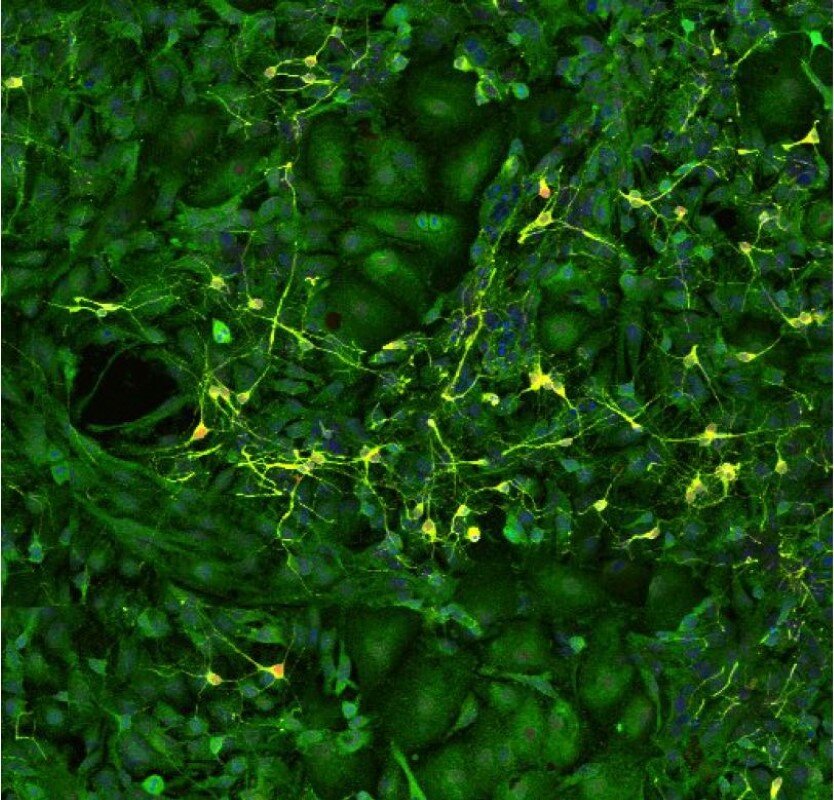
Chemical signals released by muscles during exercise promote neural development in the brain, particularly in the hippocampus, a crucial area for learning and memory. Researchers at the Beckman Institute for Advanced Science and Technology found that exposure to these chemical signals caused hippocampal neurons to generate larger and more frequent electrical signals, suggesting robust growth and health. Astrocytes play a critical role in mediating the effects of exercise by regulating neuronal activity and preventing hyperexcitability of neurons, contributing to the balance necessary for optimal brain function.
Researchers at the Beckman Institute for Advanced Science and Technology have shown that exercise can improve brain health by promoting neuronal development in the hippocampus. When muscles contract during exercise, they release a variety of compounds into the bloodstream, which can travel to different parts of the body, including the brain. The researchers found that the chemical signals released by contracting muscles caused hippocampal neurons to generate larger and more frequent electrical signals, a sign of robust growth and health. Astrocytes play a critical role in mediating the effects of exercise by regulating neuronal activity and preventing hyperexcitability of neurons, contributing to the balance necessary for optimal brain function.
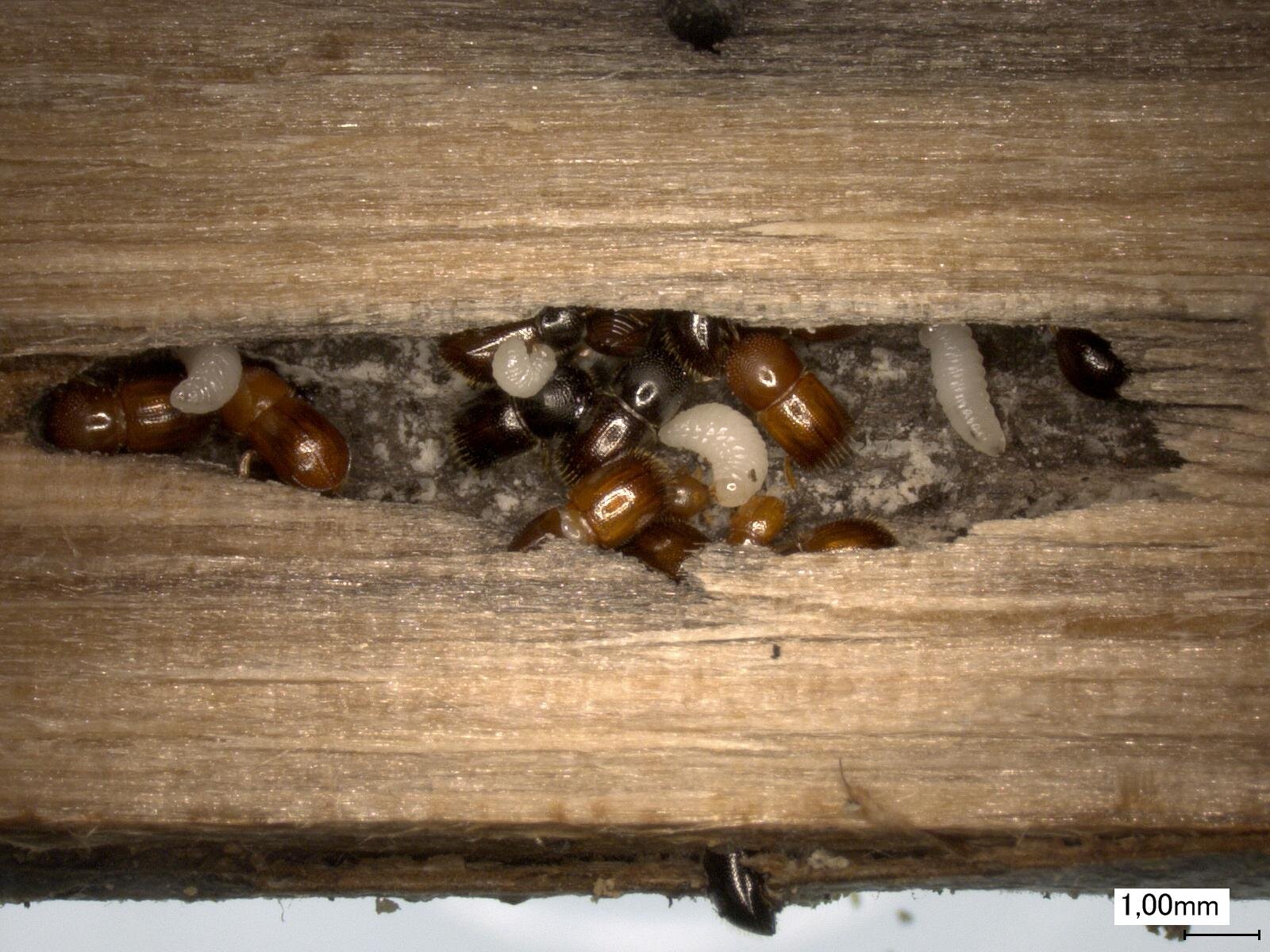
The alnus ambrosia beetle, a destructive invasive pest, uses the volatile compounds of its own fungal symbionts to aggregate en masse and potentially kill trees. Scientists have identified the chemical signals used by the beetle to find each other and identify suitable trees. The beetles prefer the odor of their symbionts and colonized branches, and this discovery suggests a new method for biological control by developing new trapping lures for the beetles on the basis of these compounds.