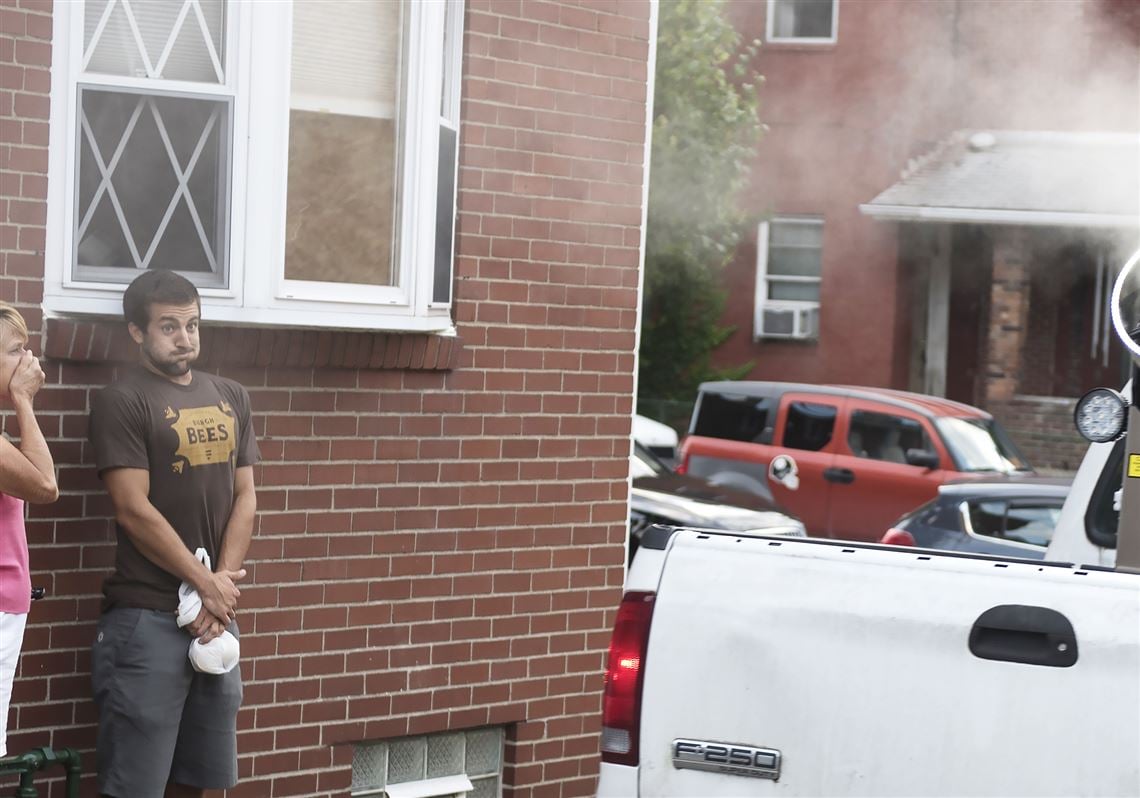
New York City's health department will start spraying mosquito killer in parts of Brooklyn, Staten Island, Queens, and the Bronx on Friday. State Sen. Jessica Ramos is considering a mayoral run next year. A 90-year-old Park Slope crossing guard is retiring. New social media regulations for minors and packaging reduction measures are set to pass in New York.
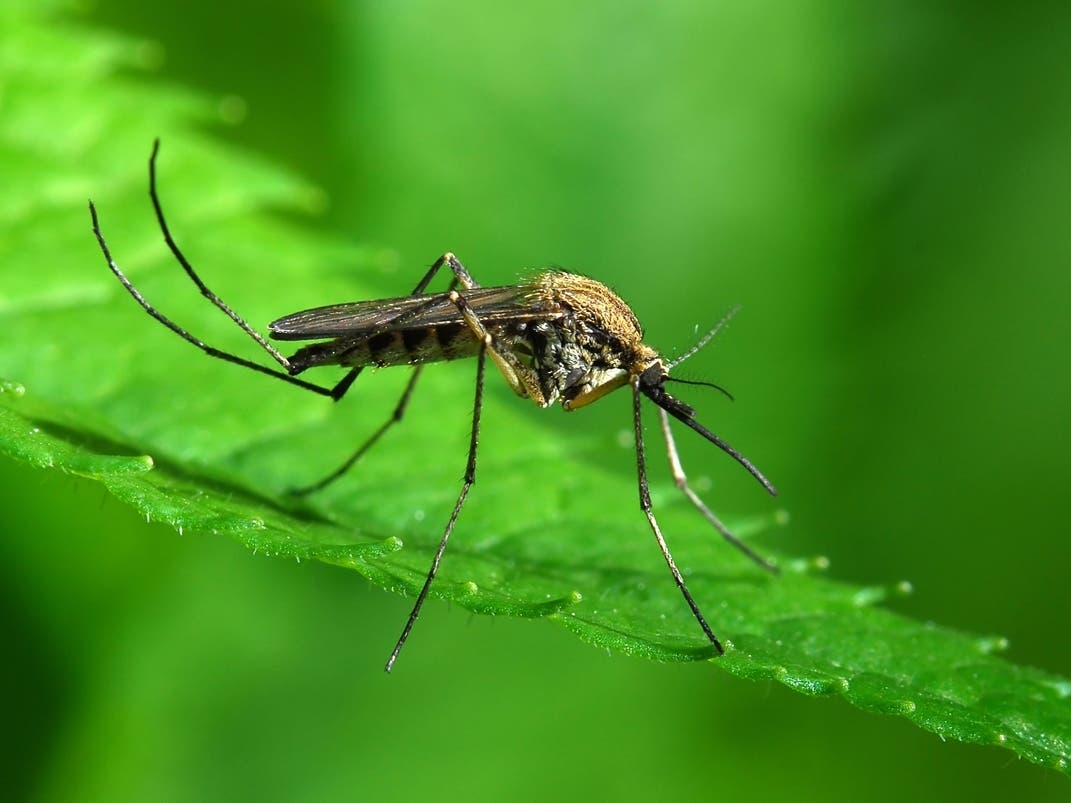
Riverside County vector control officials are planning a large-scale anti-mosquito spraying operation in Perris, California, to combat the rising mosquito populations and eradicate growing infestations that pose a potential risk to public health. The spraying will target an area that tested positive for West Nile virus, and residents are advised to stay indoors and keep windows closed during the operation. Mosquito season in Southern California typically spans from May to October, and residents are reminded to take precautions to reduce exposure to mosquitoes carrying the virus.
The New York City Health Department will be spraying anti-mosquito pesticides in parts of Brooklyn, including Boro Park, to reduce the mosquito population and prevent the risk of the West Nile Virus. The spraying will take place on Tuesday, September 5, between 8 pm and 6 am the following morning. The Health Department assures that the pesticide poses minimal risk to the general population, but advises those sensitive to spray ingredients or with respiratory difficulties to exercise caution. It is recommended to wash skin and clothes exposed to the pesticides with soap and water. Eliminating standing water and using well-sealed window screens are also effective measures to control mosquitoes.
Vector Disease Control International (VDCI) will conduct mosquito spraying operations in certain neighborhoods in Longmont, Colorado on Thursday, August 24, to control the spread of West Nile Virus. The decision to spray was made based on an elevated risk of transmission, as indicated by the Vector Index. Residents are advised to take precautions and protect themselves from mosquito bites.
Cumberland County in Pennsylvania will be conducting mosquito spraying in five municipalities due to the presence of West Nile Virus-positive mosquito samples. The spraying will take place from dusk until around 11 p.m. in portions of Carlisle, Mechanicsburg, North Middleton, Monroe, and Silver Spring Townships. Residents are advised to take preventive measures such as using mosquito repellants, wearing protective clothing, securing window and door screens, eliminating stagnant water, and treating water sources with mosquito dunks.
The Pittsfield City Council narrowly rejected a request to resume mosquito spraying, with a vote of 5-6 against repealing the 2021 decision that discontinued adulticide spraying. The Board of Health had urged the council to bring back spraying due to the presence of West Nile virus in mosquito samples, although no human cases have been reported. Some councilors argued that the truck spraying is ineffective and expressed concerns about a BCMCP board member's ties to the pesticide supplier. The council referred the matter to the Board of Health and the Conservation Commission to develop guidelines and protocols for future applications.
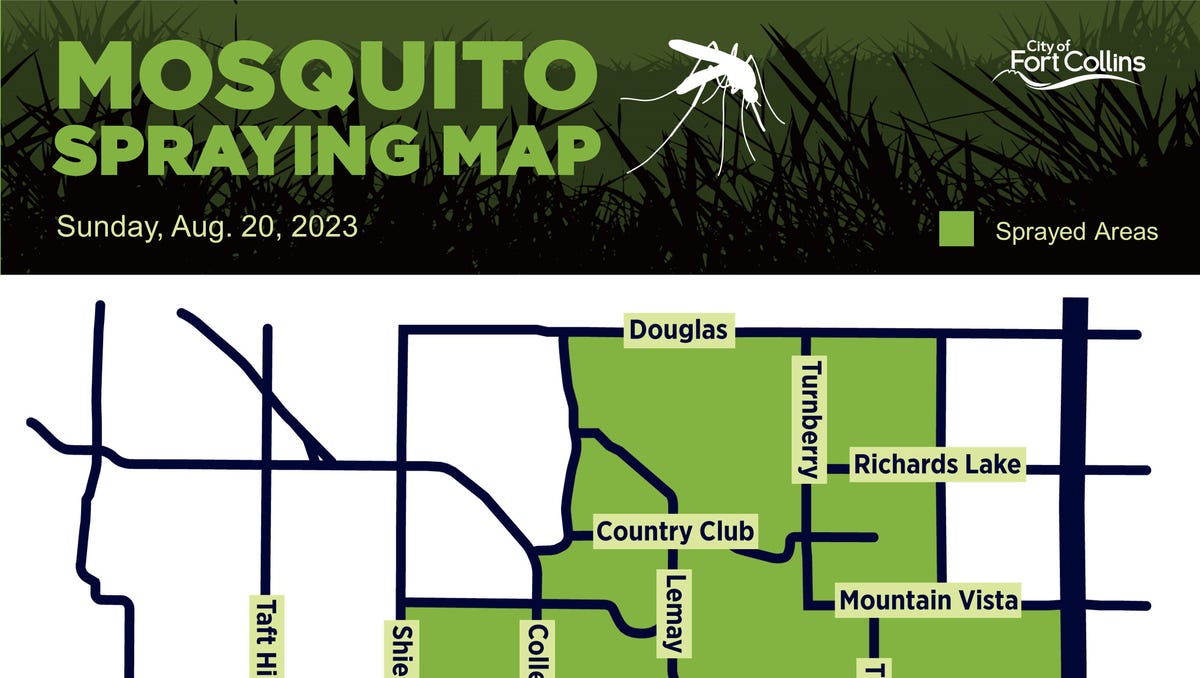
Fort Collins plans to conduct its fifth round of pesticide spraying to reduce the number of mosquitoes potentially carrying West Nile virus. The spraying will take place in the city's northern area and residents are advised to stay indoors and keep doors and windows closed for 30 to 60 minutes after spraying. The decision to spray is based on the vector index, which estimates the levels of West Nile virus-infected mosquitoes. As of Tuesday, there have been 36 cases of West Nile virus in Colorado, with an increase in cases compared to last year.
Mosquito spraying will be conducted in three Pittsburgh neighborhoods and Schenley Park due to an increase in cases of West Nile virus transmitted by mosquitoes.
The city of Fort Collins in Colorado has announced plans to spray for mosquitoes carrying West Nile virus in southeast Fort Collins on August 13. This is the second round of spraying this season for most of the neighborhoods in the area. The decision to spray is made when the vector index reaches 0.75, and the index for southeast Fort Collins is currently at 1.34. The spraying will occur between 8 p.m. and 2 a.m., and residents are advised to stay indoors and keep doors and windows closed for 30 to 60 minutes after spraying. As of Tuesday, there have been 12 cases of West Nile virus in Colorado, including three in Larimer County.
Fort Collins will conduct a third round of mosquito spraying to combat West Nile virus, this time in west Fort Collins. Some areas within the zone will be sprayed for the second time this summer. Residents are advised to stay indoors and keep doors and windows closed for 30 to 60 minutes after spraying. The spraying follows the recommendation of the Larimer County Department of Health and Environment, as there has been an "unprecedented risk" of West Nile virus this summer. So far, one human case has been reported in the county, and there have been three confirmed infections statewide. Last year, Colorado had 206 reported human cases of West Nile virus, including 20 deaths.
The Santa Clara County Vector Control District has discovered West Nile Virus-positive mosquitoes in parts of San Jose, Milpitas, Sunnyvale, and Santa Clara. To combat the spread of the virus, the district plans to conduct mosquito spraying in specific areas using the insecticide Zenivex. Residents are advised to stay indoors during the spraying, although it poses minimal risk when applied by licensed professionals. West Nile Virus infections can cause various symptoms and serious complications, particularly for individuals with certain health conditions. The public is encouraged to take preventive measures such as draining standing water and limiting outdoor activity during peak mosquito hours.
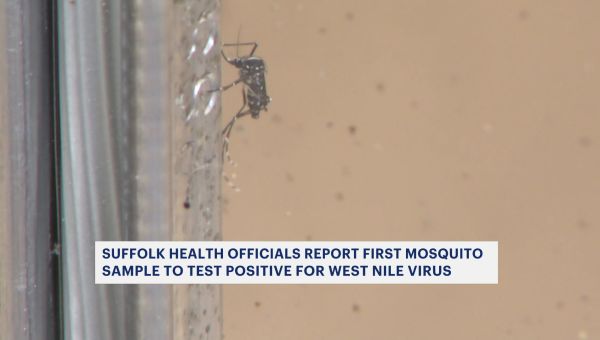
The first mosquito sample in Suffolk County, New York, has tested positive for West Nile virus this season. The county is preparing for its first mosquito spraying, using the pesticide "Anvil" in Fire Island communities. Nine residents have died from the virus since 2000, and precautions such as minimizing outdoor activities during peak mosquito hours and using insect repellent are advised.