
The Surprising Survival Tactics of Zika Mosquito Eggs
TL;DR Summary
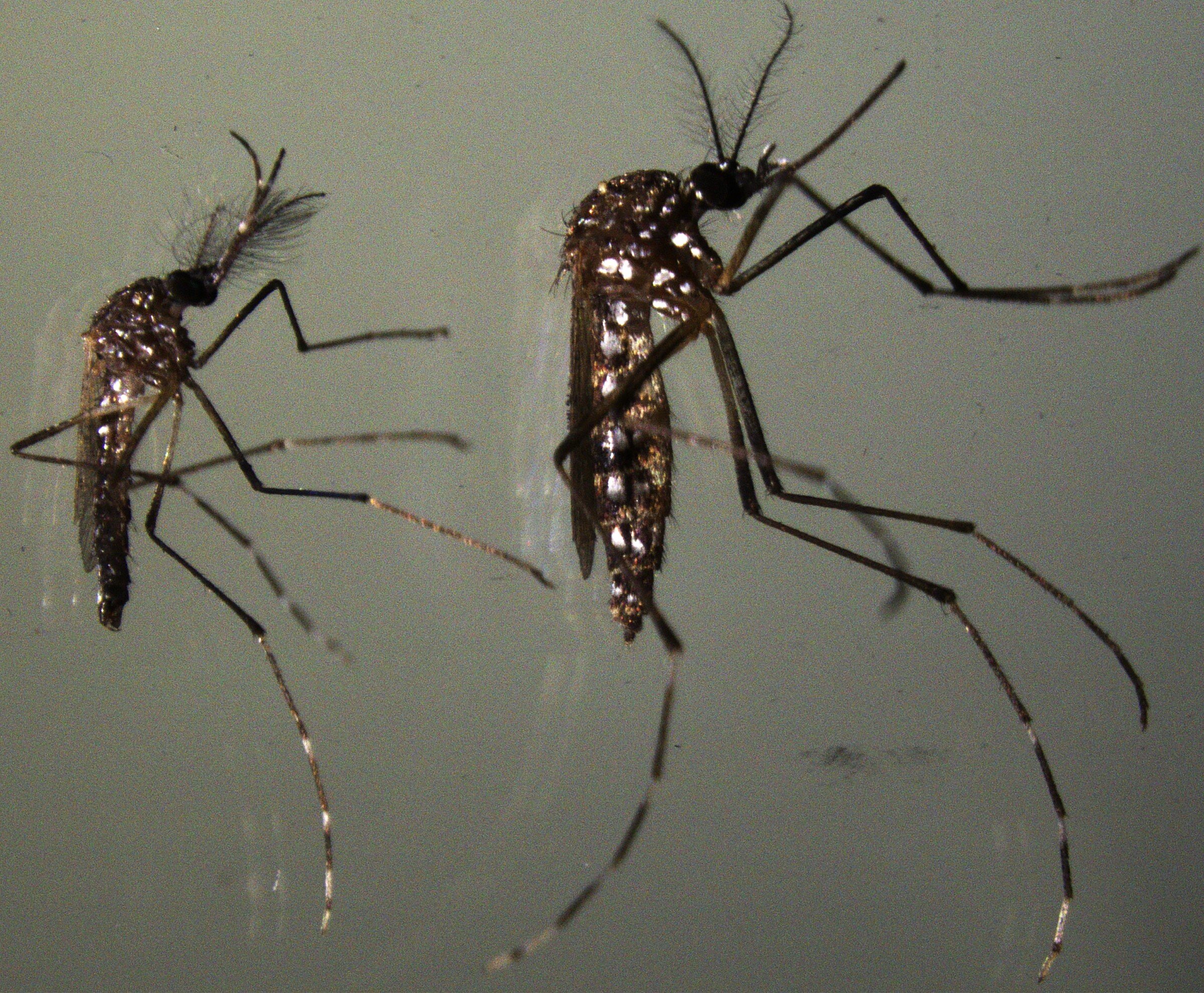
Eggs of the Aedes mosquito, which carries the Zika virus, have been found to survive desiccation by altering their metabolism, according to a study. Researchers discovered that the eggs undergo changes in metabolic pathways, including an increase in lipid metabolism and a decrease in glycolysis and ATP production. The eggs also accumulate polyamines, which help protect cellular components. Inhibitors of polyamine synthesis and fatty acid metabolism reduced the eggs' ability to survive desiccation. These findings provide insights into controlling the spread of the Zika-carrying mosquito and suggest potential vector-control agents.
Topics:health#aedes-mosquito#desiccation-tolerance#metabolic-adaptation#science#vector-control#zika-virus
Reading Insights
Total Reads
0
Unique Readers
7
Time Saved
3 min
vs 4 min read
Condensed
86%
661 → 90 words
Want the full story? Read the original article
Read on Phys.org