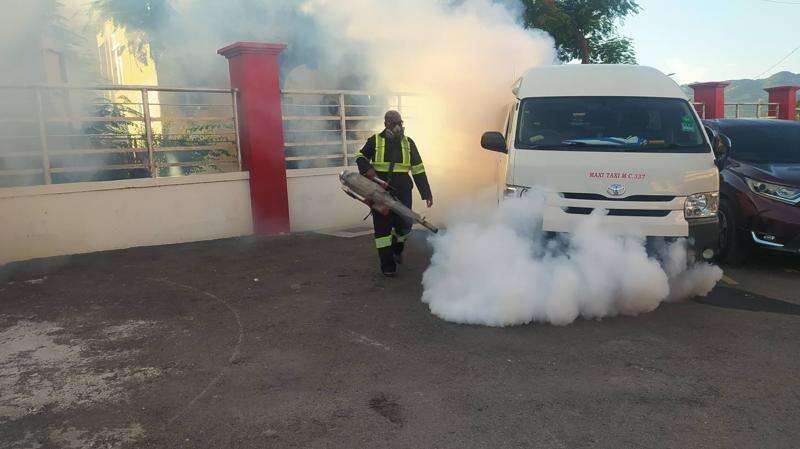
The Jamaican Ministry of Health and Wellness assures the public that the chemicals used in mosquito fogging are safe and approved by the WHO, emphasizing that the method is necessary to control mosquito-borne diseases post-Hurricane Melissa, with minimal health risks when used as directed.
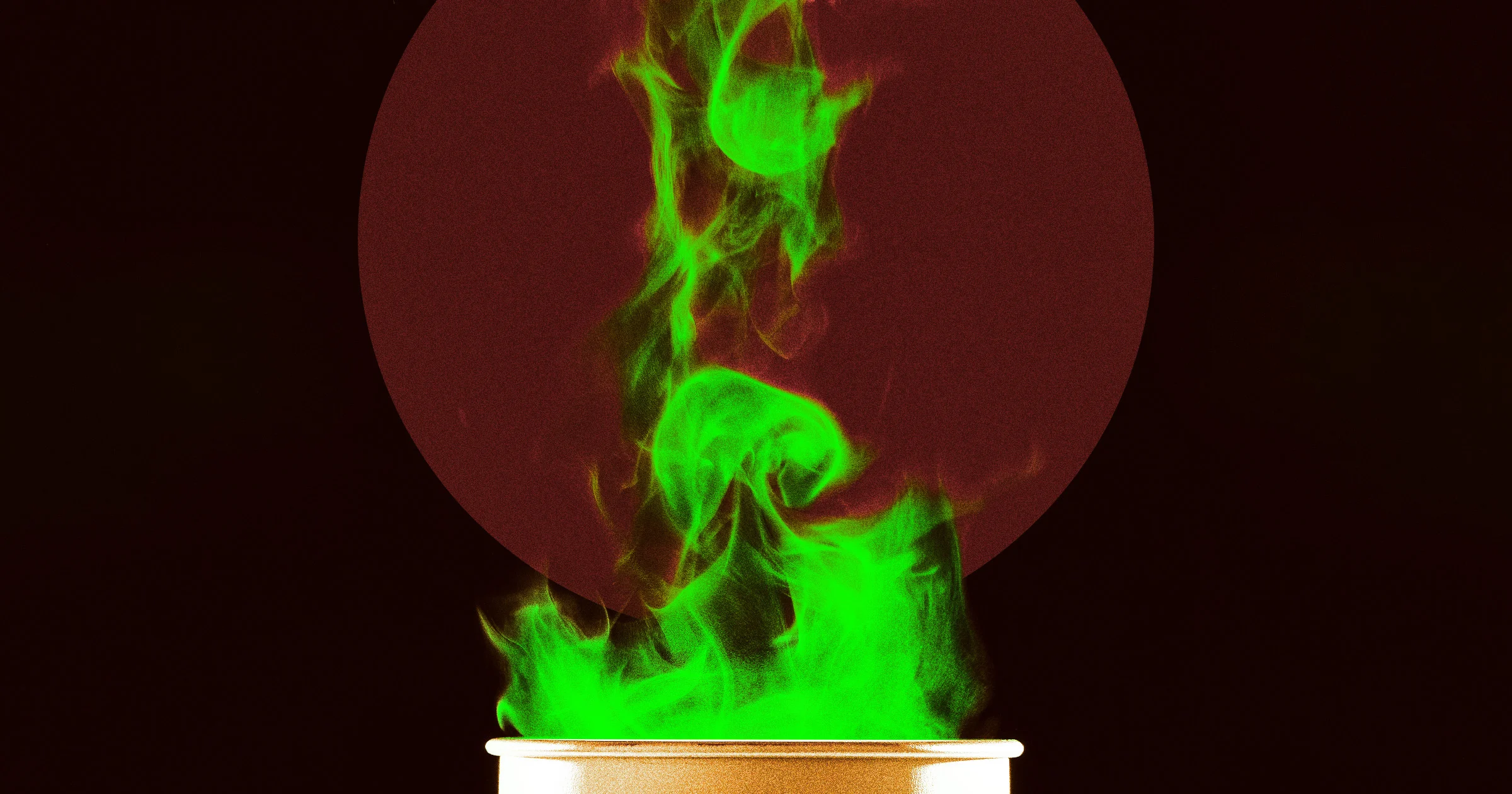
A Reddit user reported that ChatGPT mistakenly suggested mixing bleach and vinegar for cleaning, which can produce toxic chlorine gas. The chatbot quickly corrected itself after being alerted, highlighting the risks of AI providing dangerous advice. Experts warn against relying on AI for medical or safety-critical information due to frequent inaccuracies, emphasizing the importance of consulting human professionals. This incident underscores ongoing challenges in AI safety and reliability.
The U.S. Environmental Protection Agency (EPA) has finalized new rules under the Toxic Substances Control Act to ban all uses of trichloroethylene (TCE) and most uses of perchloroethylene (PCE) due to their cancer-causing properties. The rules aim to protect public health by eliminating these chemicals from consumer products and many commercial applications, while allowing limited workplace uses with stringent safety measures. This action supports President Biden's Cancer Moonshot initiative and addresses long-standing environmental health concerns.
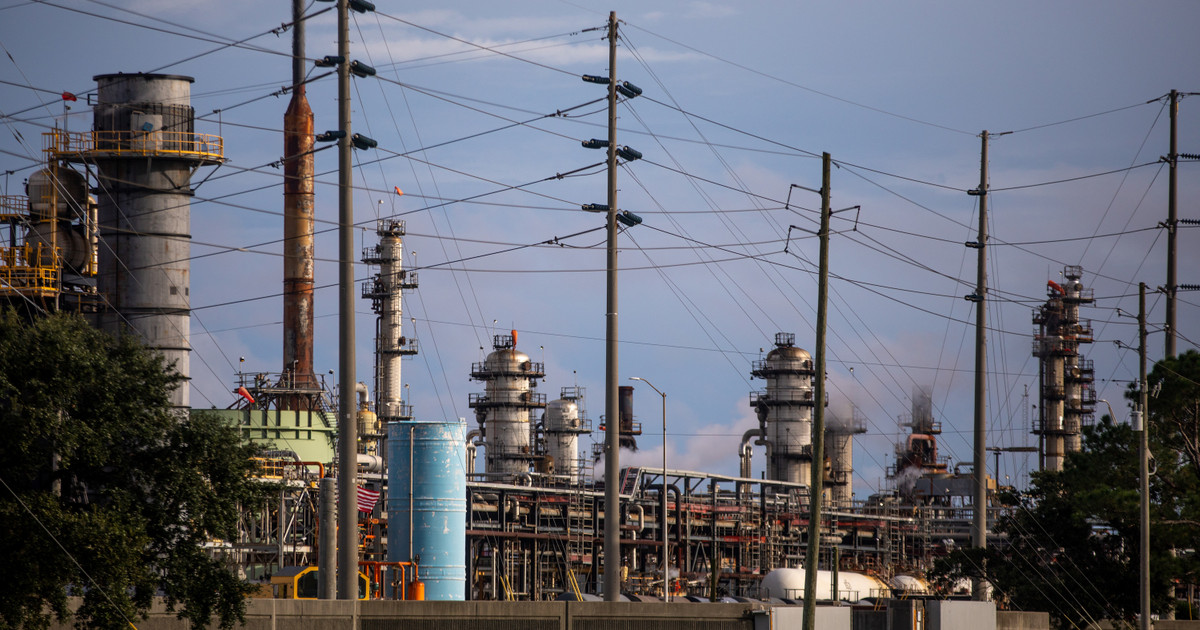
The EPA is facing a lawsuit and questions from a U.S. senator over its approval of fuels made from discarded plastic, including one that could subject people nearby to a 1-in-4 lifetime cancer risk. The EPA approved the new chemicals even though its own scientists calculated that pollution from production of one of the plastic-based fuels was so toxic. The plastic-based fuels were given a green light under an EPA program designed to make it easier to create alternatives to fossil fuels.