Researchers have developed a novel method of vaccine delivery using dental floss, which could provide an effective, needle-free alternative to traditional injections and nasal sprays, especially targeting mucosal surfaces to enhance immune response. The study demonstrated promising results in mice, with potential applications in humans, though limitations such as age restrictions and infection considerations remain.
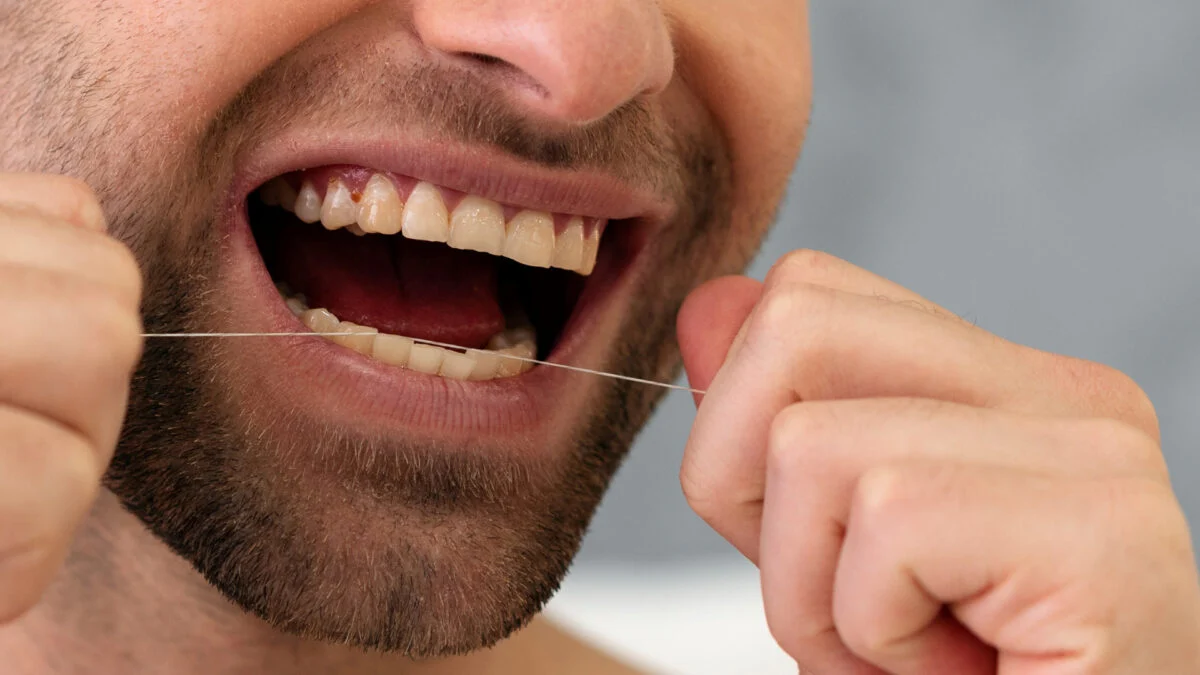
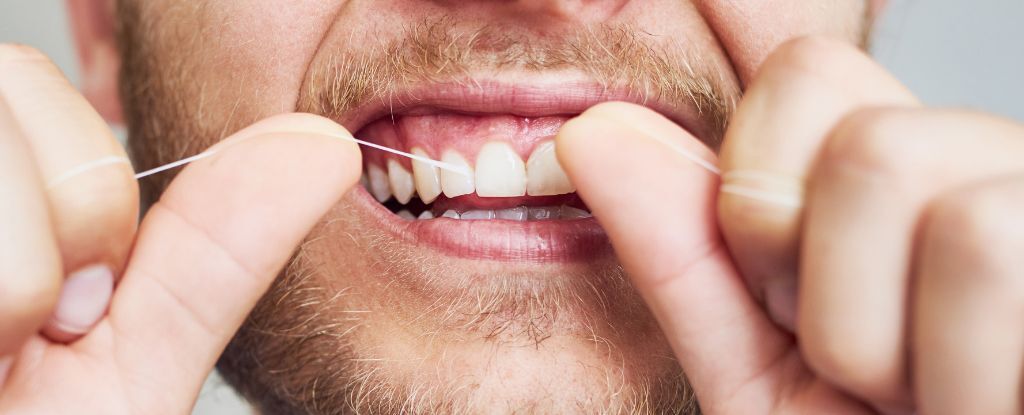
Researchers from Texas Tech University have developed a novel, needle-free vaccine delivery method using dental floss to target the leaky junctional epithelium in the mouth, showing promising results in mice and initial tests in humans, potentially revolutionizing vaccination practices by making them less invasive and easier to administer.
Scientists have developed a novel needle-free vaccine method using specially coated dental floss that, when applied along the gum lines, triggers an immune response in mice and shows promise for human use, offering a simple, accessible alternative to traditional injections.
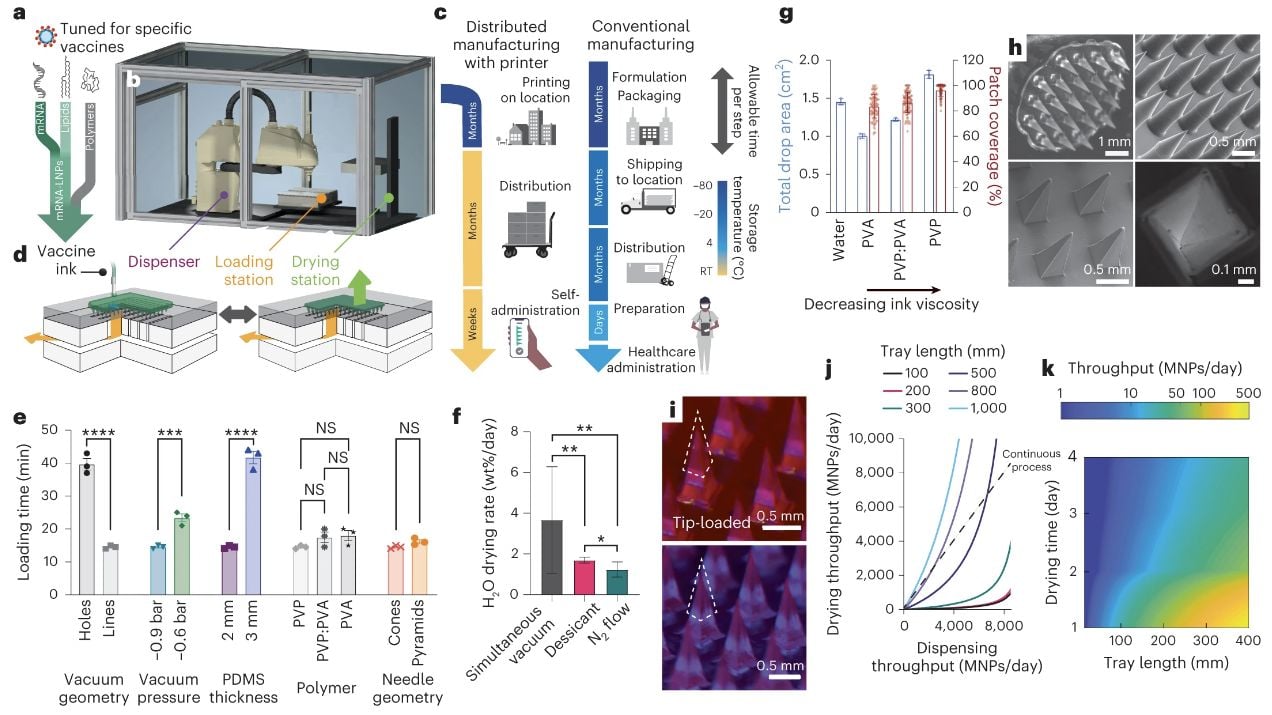
Researchers have developed a microneedle vaccine printer (MVP) that can print dissolving polymers containing stabilized mRNA vaccine, making it possible to strongly shorten the supply chain for vaccines in less developed regions. The patches are shelf-stable for at least six months and could also be used for diagnostics that might one day replace the need for drawing blood.
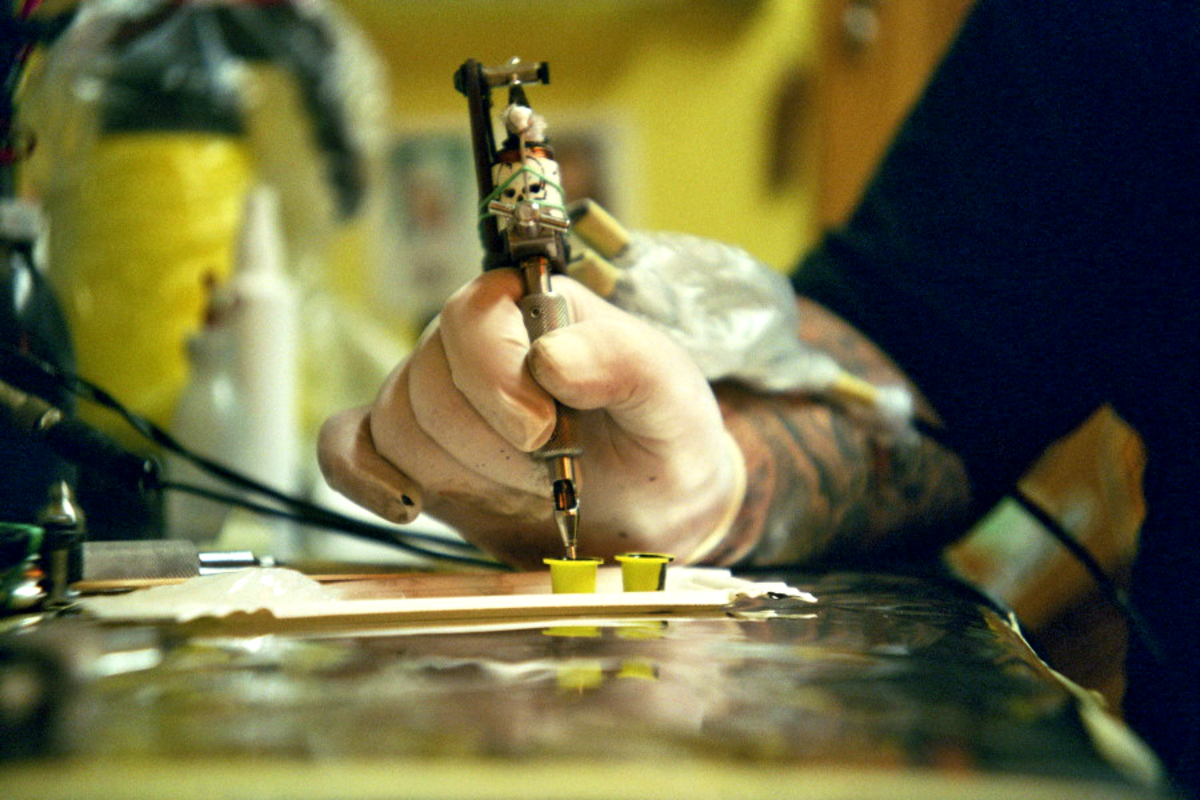
Tattoos have a complex interaction with the immune system, with macrophages attempting to remove the ink particles but failing to do so. This process is also responsible for tattoo removal. Some studies suggest that tattoos could have a "priming" effect on the immune system, while tattoo techniques could be used for vaccine delivery via intradermal injections. Researchers have developed a tattoo-gun-like vaccine delivery system capable of making 100 microinjections in the skin per second, with early results using DNA vaccines being promising.