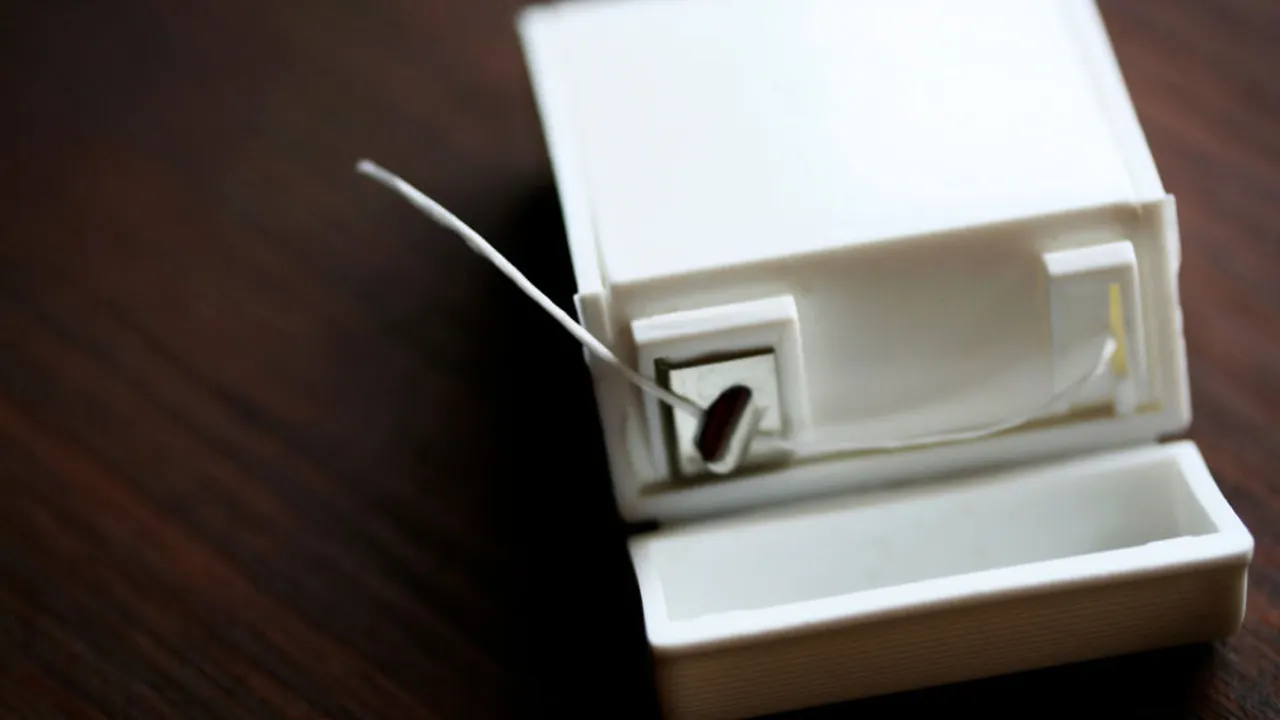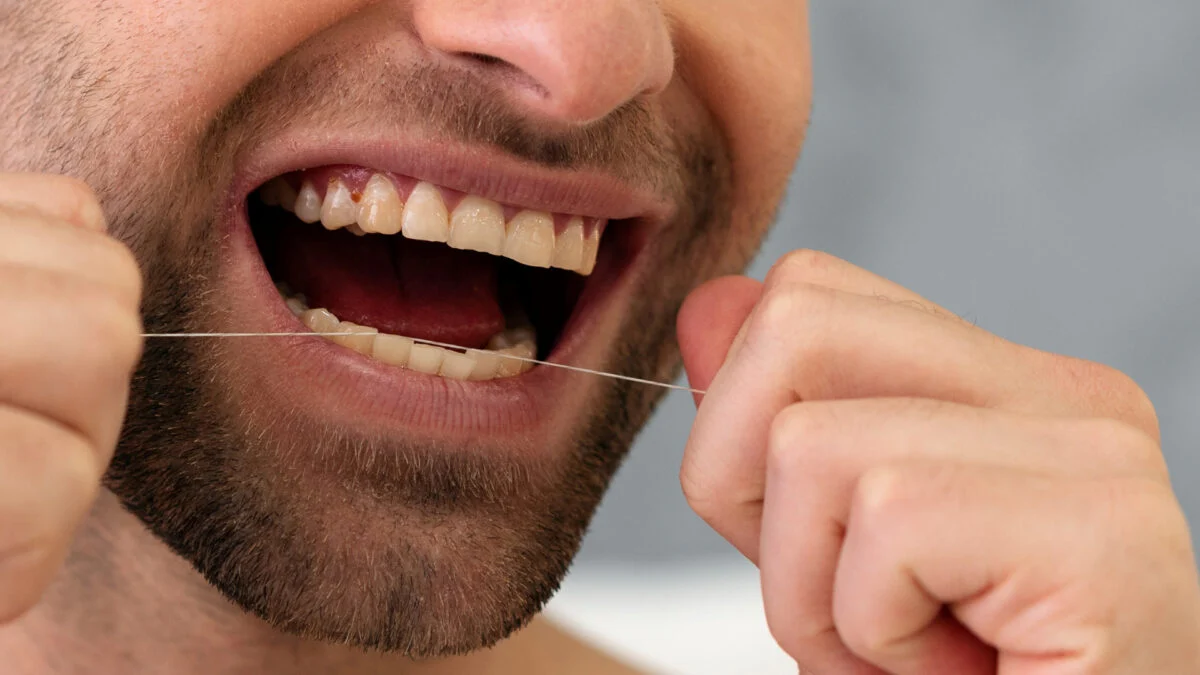
Researchers in North Carolina have developed a promising needle-free vaccine delivery method using dental floss coated with vaccine molecules, which successfully protected mice from influenza and could revolutionize immunization practices by eliminating the need for injections.
Researchers have developed a novel method of vaccine delivery using dental floss, which could provide an effective, needle-free alternative to traditional injections and nasal sprays, especially targeting mucosal surfaces to enhance immune response. The study demonstrated promising results in mice, with potential applications in humans, though limitations such as age restrictions and infection considerations remain.
A study conducted on rhesus macaques has shown that intratracheal boosting with a bivalent Ad26-based SARS-CoV-2 vaccine enhances mucosal humoral and cellular immunity, providing near complete protection against SARS-CoV-2 BQ.1.1 challenge. This novel immunization strategy induced robust mucosal immune responses, including neutralizing antibodies, binding antibodies, and T cell responses, surpassing those induced by intramuscular and intranasal boosting. The findings suggest that developing vaccines that target mucosal immunity could be effective in blocking respiratory viral infections.
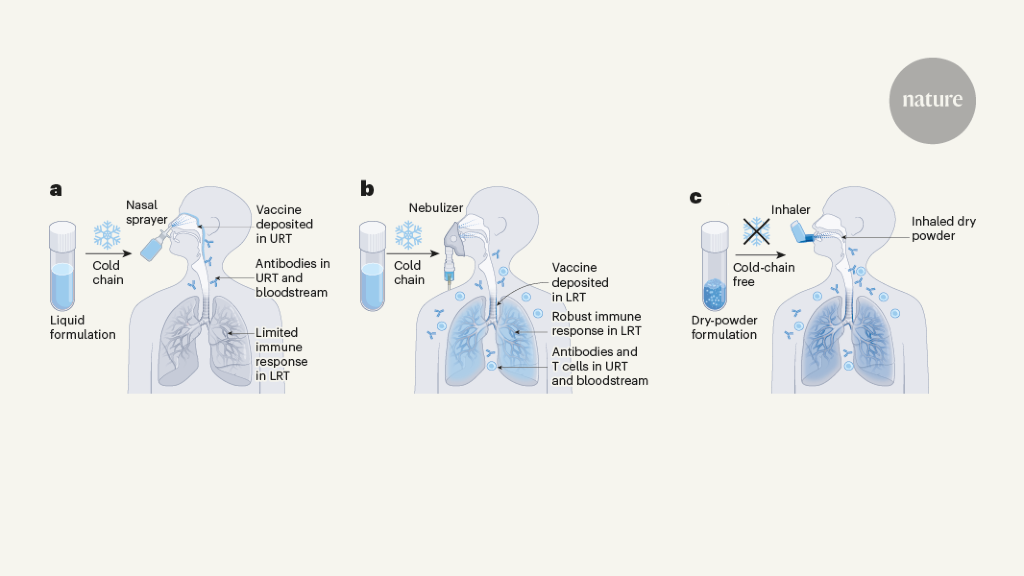
A new study published in Nature reports on a promising next-generation COVID-19 vaccine that can be inhaled as a dry powder, bypassing the need for cold chains and injections. The current injectable vaccines are less effective in preventing infection by evolving variants and inducing immunity in the airway mucosal tissues. This inhalable dry powder vaccine shows potential in inducing robust immunity in the respiratory mucosal tissues, which is the site of SARS-CoV-2 entry. It could be particularly beneficial for high-risk populations and eliminate the need for frequent booster injections.
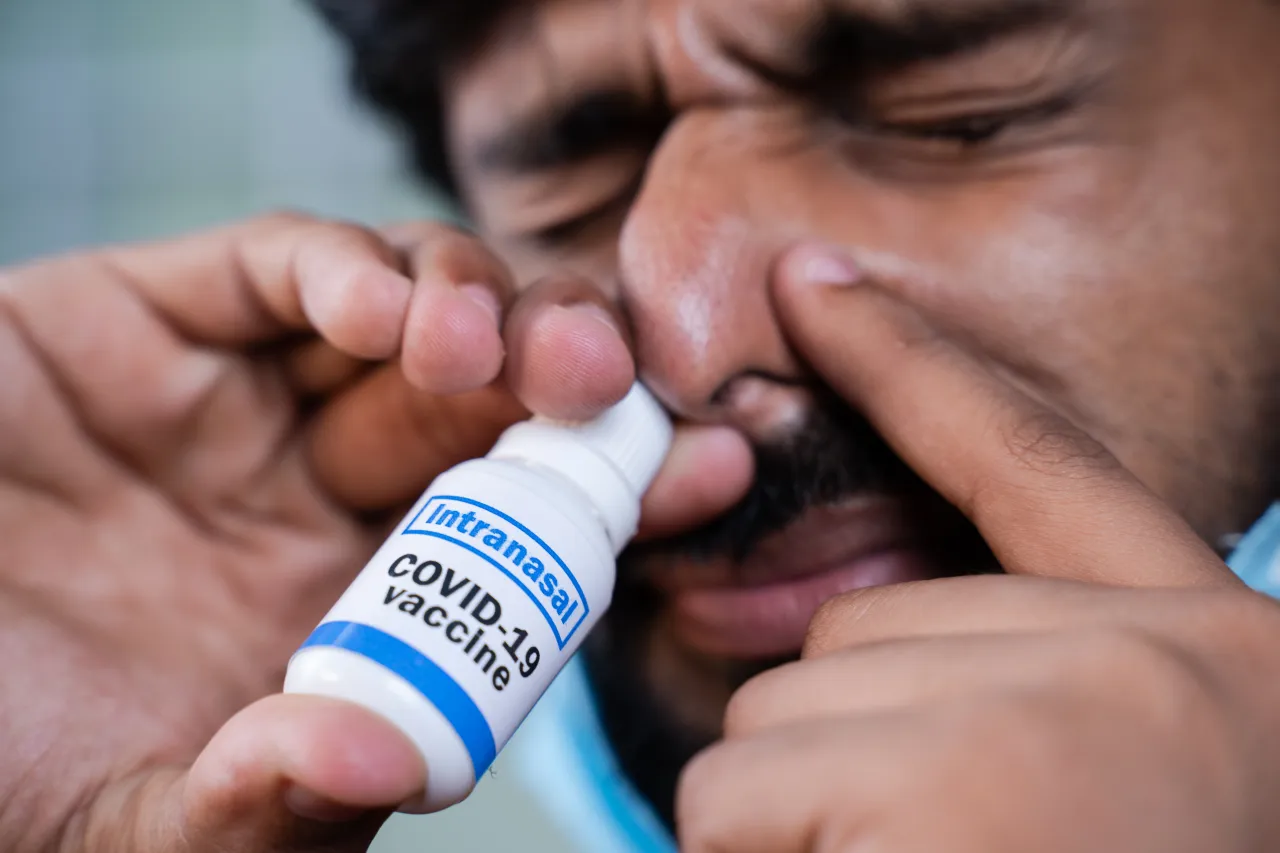
Clinical trials are underway for an intranasal COVID-19 vaccine that is administered by spraying into the nose, not injecting into the arm. The hope is that a nasal vaccine would be even better at preventing mild illness by inducing immunity in the mucosa of the nasal pharynx, the site of initial viral replication, and may prevent infection and reduce transmission. Nasal vaccines work to immediately strengthen antibodies in the mucus and nose, preventing infection before the virus is able to spread throughout the body. While nasal vaccine doses have already been approved for use in some other parts of the world, they are still in the early stages of human trials in the U.S.