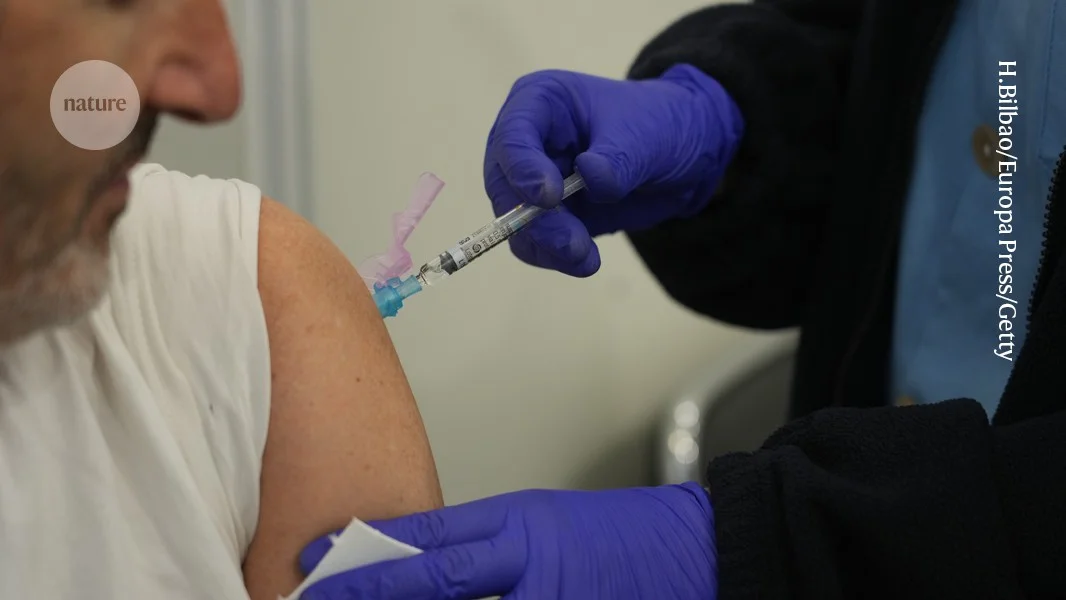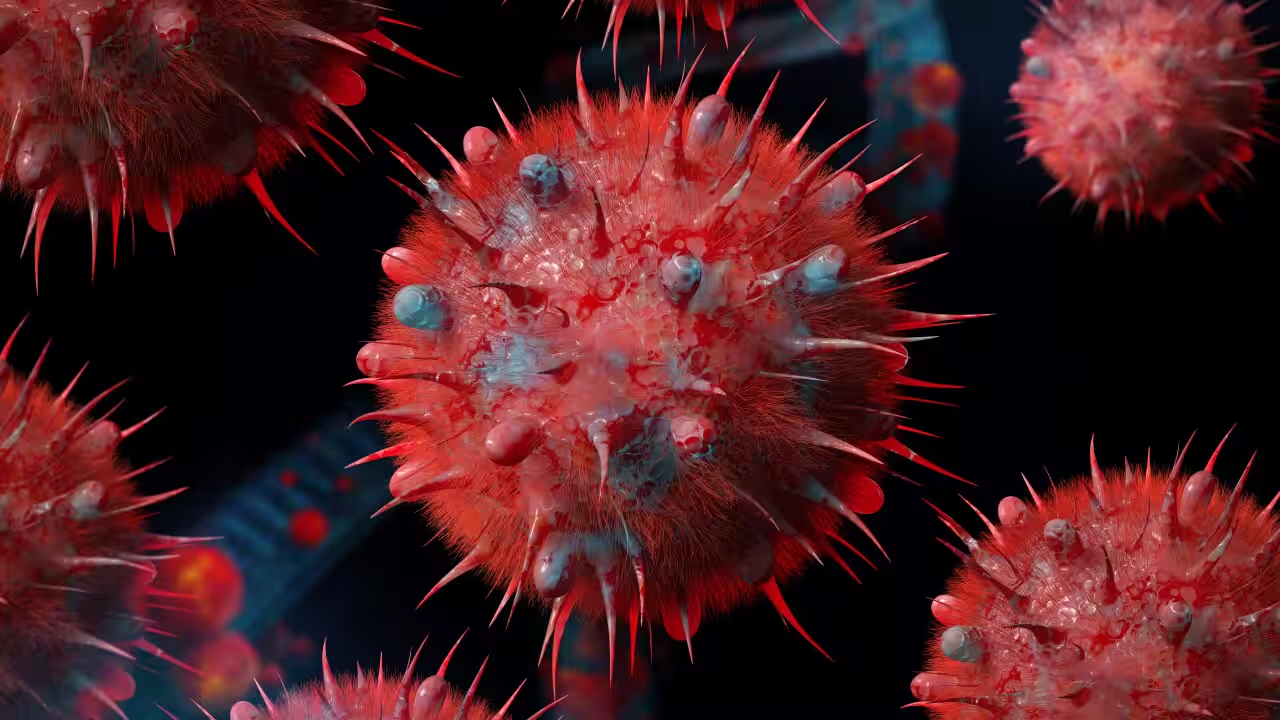
A new flu strain called 'Super-K' or subclade-K, a drifted version of H3N2, is spreading unusually in Australia outside the typical flu season, potentially increasing healthcare pressure. While not more severe, it is more transmissible and slightly less responsive to vaccines, prompting updates to the 2026 flu vaccine. Experts recommend vaccination and preventive measures to reduce infection risk.
Wisconsin is experiencing a surge in flu hospitalizations, surpassing last winter's peak, driven by a new H3N2 variant. Despite high activity, vaccination rates are low, with only about 30% of residents vaccinated, though vaccination remains recommended to protect against current and emerging strains. The CDC reports nationwide high flu activity with significant hospitalizations and deaths, emphasizing the importance of vaccination and preparedness.
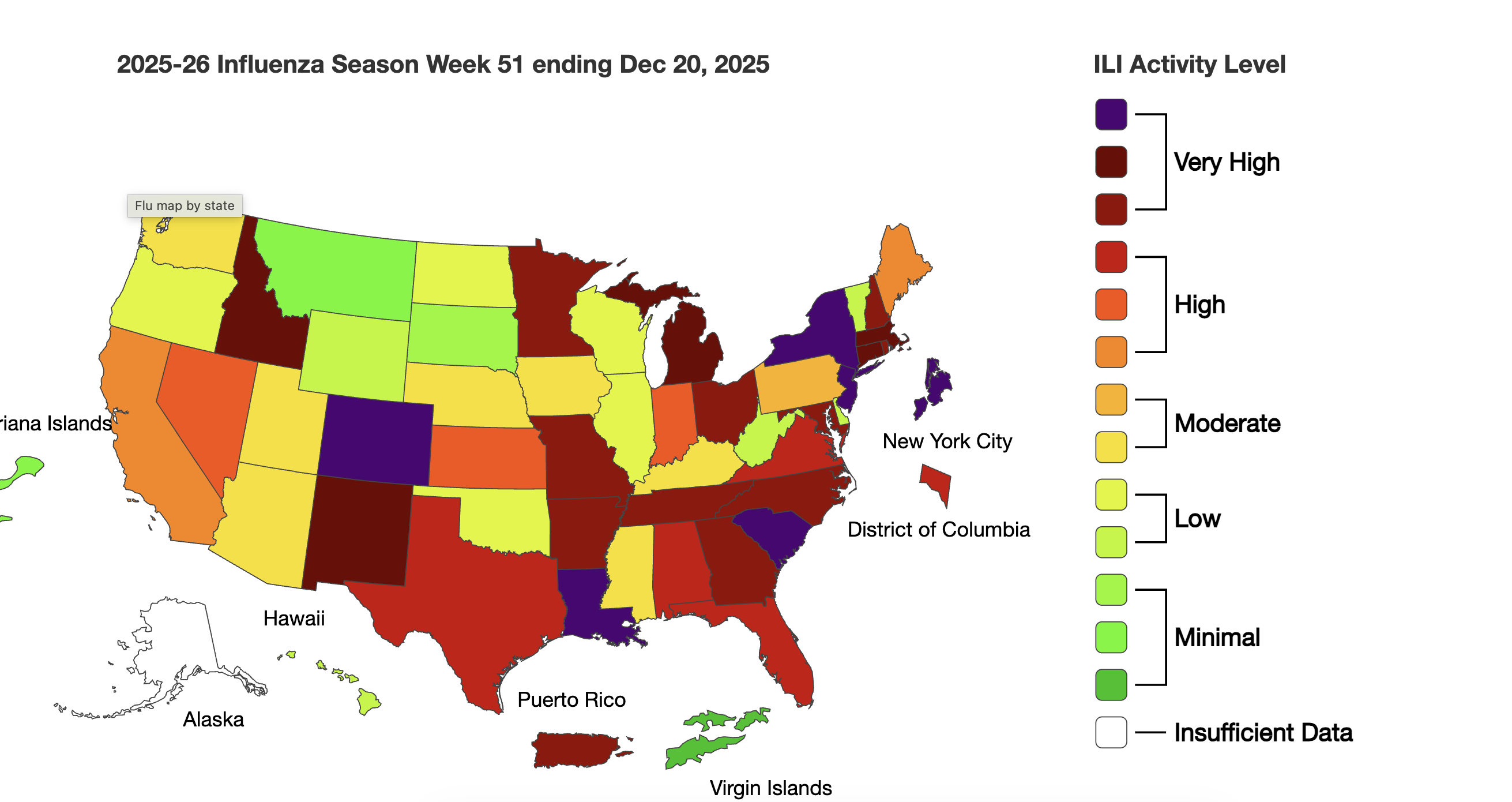
Flu cases are surging in the U.S., with doctor visits reaching their highest levels since 1997, driven by the spread of the H3N2 strain and a decline in vaccination rates, resulting in over 5,000 deaths and widespread high flu activity across many states.
US flu cases are rising sharply, with the current season already surpassing last year's severity, driven mainly by the H3N2 strain, which has a new subclade. The CDC warns of a potentially worse outbreak, especially among children, and emphasizes the importance of vaccination for everyone over 6 months old.
The flu season in the U.S. is rapidly worsening due to a new variant called subclade K of H3N2, leading to high case numbers and hospitalizations, with vaccination still recommended despite partial vaccine mismatch; health officials warn the season could be severe, especially for vulnerable groups.
The flu season is particularly severe this year, driven by an unexpected H3N2 strain called subclade K, leading to record hospitalizations and pediatric deaths across the U.S., despite a mismatched vaccine, highlighting the need for vaccination and vigilance.
The 2024-25 flu season in the US and UK is severe, driven by a new influenza A H3N2 variant called 'subclade K' that partially evades immunity, leading to early and widespread outbreaks. Despite the nickname 'super flu,' the virus's danger level is similar to previous strains, and existing vaccines remain effective in preventing severe illness. Preventive measures include vaccination, hand hygiene, masks, and good ventilation.
Flu cases in the U.S. are rising due to a new H3N2 strain, which may reduce vaccine effectiveness, especially affecting older adults. Despite the surge, health officials believe vaccines still offer protection against severe illness, and winter conditions facilitate the spread of respiratory viruses. Vaccination remains crucial, even with the new strain, to reduce hospitalizations and severity of symptoms.
Flu cases in the U.S. are rising due to a new H3N2 strain, which may reduce vaccine effectiveness, especially affecting older adults. Despite concerns, health officials believe vaccines still offer protection against severe illness. The flu season is not yet at its peak, but hospitalizations and deaths are increasing, with the Northeast experiencing a significant surge. Winter conditions facilitate the spread of airborne viruses, and vaccination remains crucial to reduce severity and hospitalizations. COVID-19 levels are lower than during peak summer waves, but vigilance is still advised.
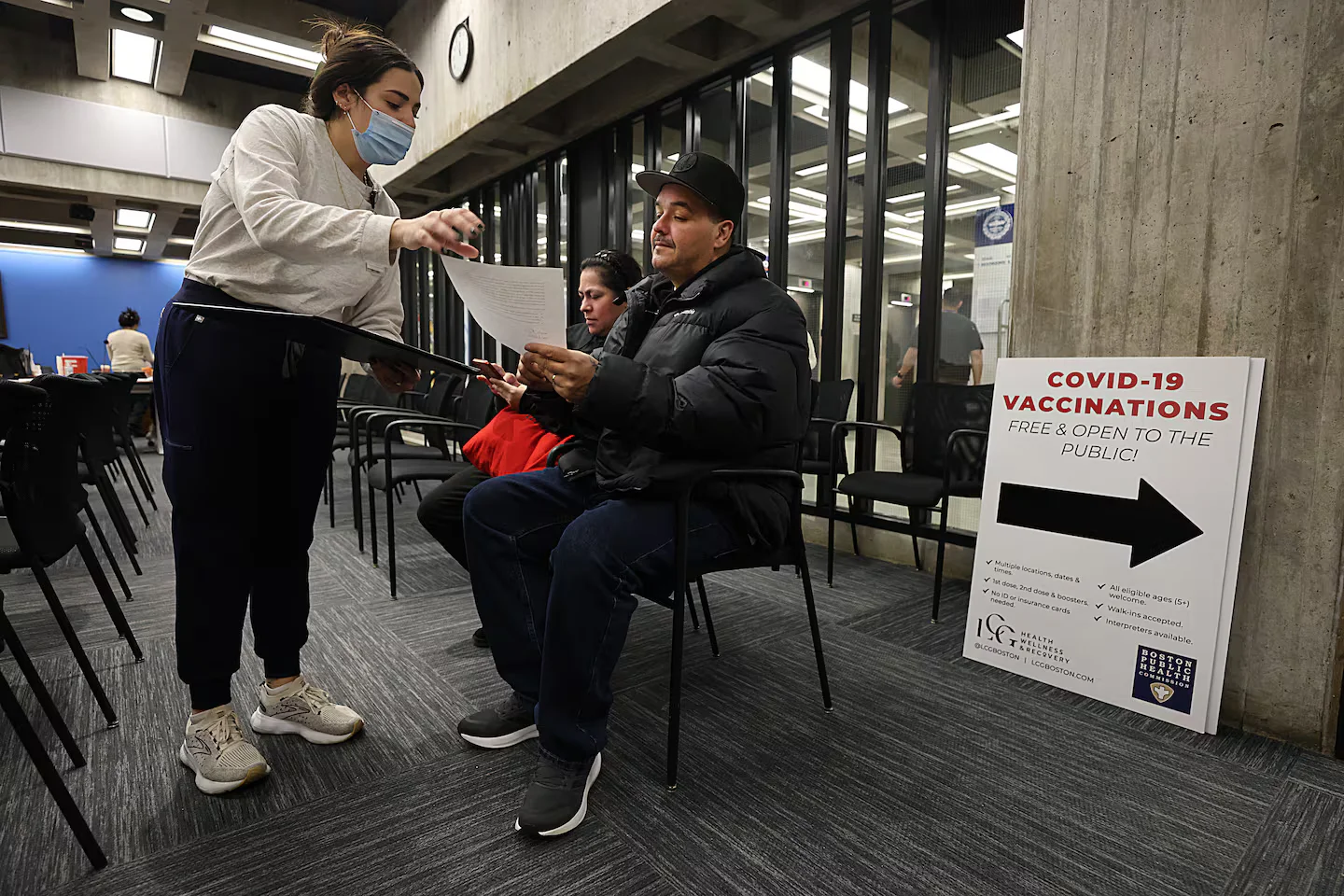
Flu cases are surging across the U.S., with record-breaking numbers and high activity levels in many states, driven by the spread of the H3N2 strain. The CDC reports over 7.5 million cases, 81,000 hospitalizations, and 3,100 deaths this season, with fewer people getting flu shots. Experts warn that the H3N2 strain makes the season particularly tough, especially for seniors, but vaccination remains a key tool in reducing severe illness.
The flu season in the U.S. is rapidly worsening due to a new variant called subclade K of H3N2, with high case numbers and hospitalizations reported, especially in states like New York. While it's too early to determine the season's severity, vaccination remains crucial, as current vaccines offer partial protection against this variant. Experts emphasize the importance of vaccination, especially for vulnerable groups, despite the new strain's mutations.
Flu activity in the US has surged with at least 7.5 million illnesses, driven by a new H3N2 variant called subclade K, leading to increased hospitalizations and pediatric deaths. Despite widespread vaccine availability, vaccination rates remain low, and experts emphasize the importance of flu shots and preventive measures to curb the spread.
A new 'super flu' variant of influenza A H3N2, called subclade K, is causing a severe flu season in the UK and the US, with concerns about vaccine effectiveness due to mutations. Experts recommend getting vaccinated and using antiviral treatments like Tamiflu to reduce severity, as the season is expected to be particularly challenging.
This year's flu season is expected to be more severe due to the spread of the H3N2 virus and lower vaccination rates, with experts emphasizing the importance of getting vaccinated, early testing, and treatment to mitigate severe illness and hospitalizations.
Cases of the 'super flu' are rising across the U.S., especially in states like New York, New Jersey, and Colorado, with the CDC reporting increased hospitalizations and the emergence of a new H3N2 variant, subclade K, which is more serious and spreading rapidly.