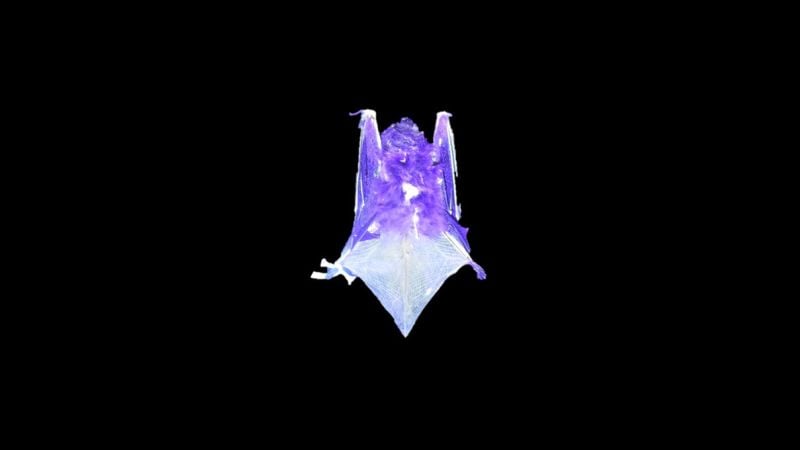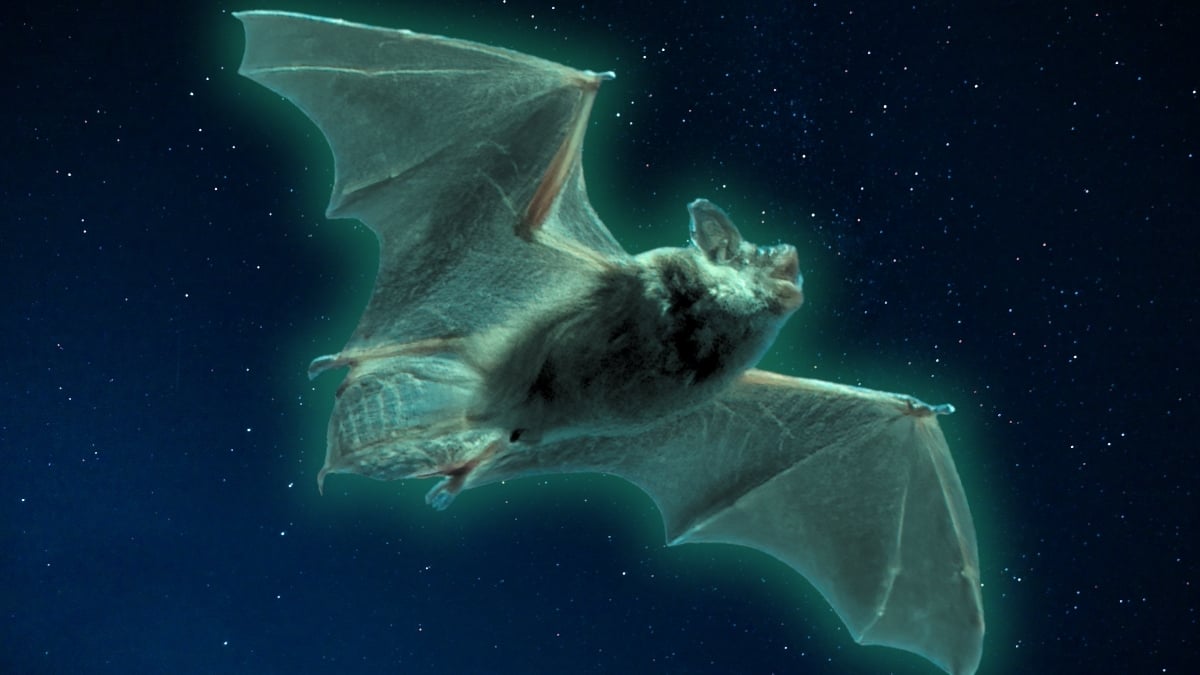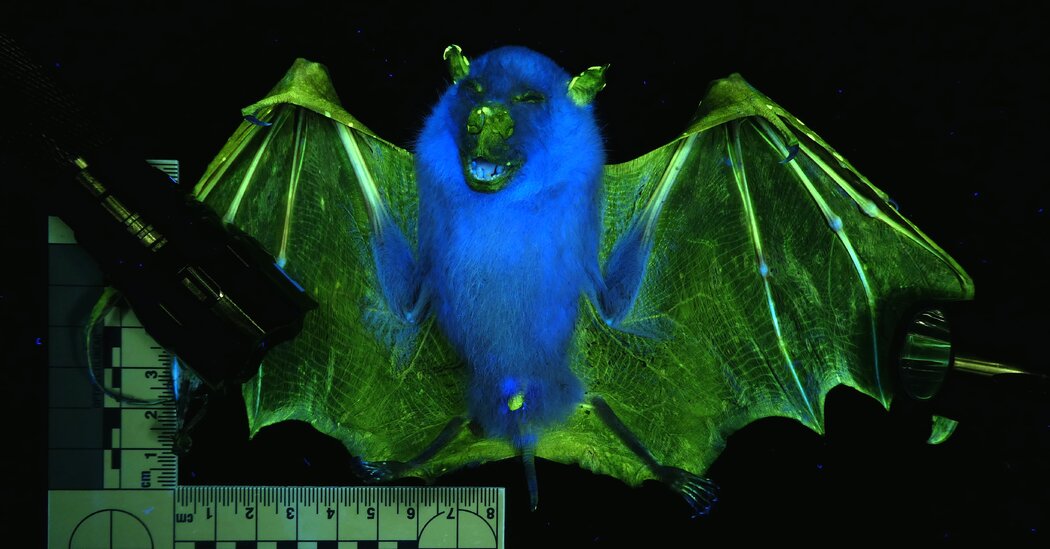
Researchers in Georgia discovered that six North American bat species emit green fluorescence under UV light, a phenomenon whose purpose remains unknown, but may relate to ecological functions or evolutionary history, highlighting the need for further study.
A study from the University of Georgia found that several North American bat species naturally glow green under UV light, a trait likely inherited from a common ancestor, though its current function remains unknown.
Early adopters of the iPhone 17 Pro and Pro Max report decolorization issues, especially in Cosmic Orange and Deep Blue models, likely caused by UV exposure, with the problem starting at the camera island and spreading across the aluminum body. Apple is expected to replace affected units.
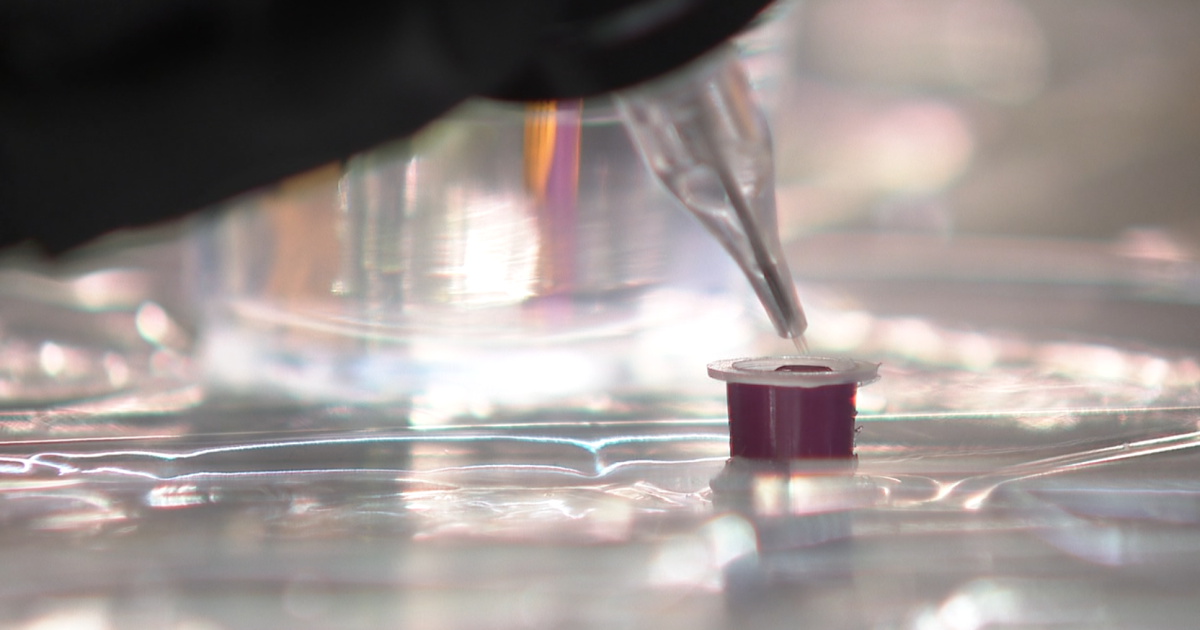
Scientists have discovered that using safe, less intense UV light can quickly inactivate airborne allergy proteins, offering a promising new method to reduce allergens in indoor environments and potentially save lives, especially for allergy sufferers and asthma patients.
A 40-year-old man in Texas developed a severe skin rash after squeezing limes and then exposing his hands to sunlight, leading to a condition known as phytophotodermatitis. This reaction occurs when certain plant chemicals, like furocoumarins found in limes, interact with UV light, causing burning, blistering, and pigmentation changes in the skin. The man's condition, which was documented in the New England Journal of Medicine, took several months to heal.
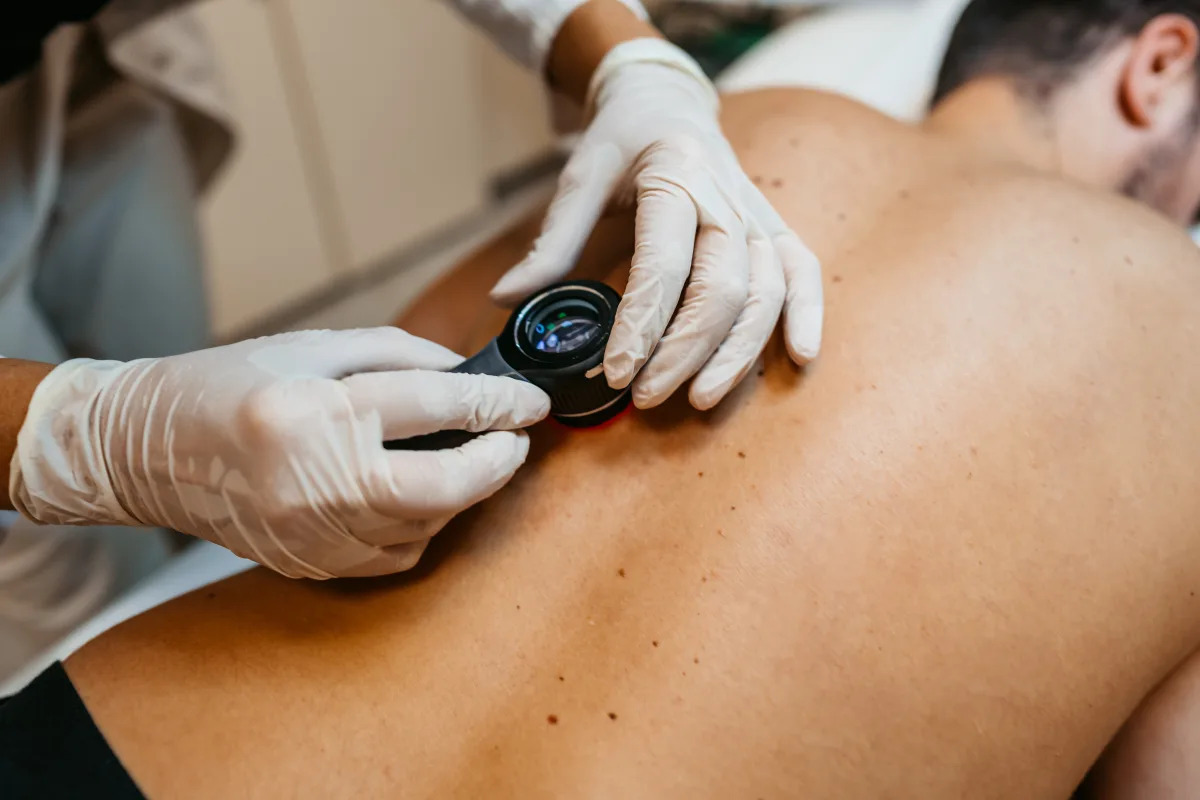
Melanoma, one of the deadliest forms of skin cancer, affects 1 in 5 Americans over their lifetime, with about 100,000 new cases and 8,000 deaths annually in the United States. Exposure to ultraviolet light, including from the sun and indoor tanning, is a leading risk factor. Prevention methods include avoiding unnecessary UV exposure, wearing protective clothing, and regularly applying sunscreen. Early detection is crucial, and regular self-exams and awareness of skin changes are recommended. Treatment options have advanced significantly, including immune system harnessing and targeted therapies, with ongoing innovations in cancer treatment.
Two users on Reddit reported photodegradation appearing on the backplates of different graphics cards, speculated to be caused by RGB lighting reacting with the coatings used on the backplates. This issue seems to be related to the accompanying memory kit's RGB LEDs and may be due to faulty or low-quality LEDs emitting light they are not supposed to. While not a widespread problem, it remains to be seen if this issue will become more widely reported in the future.
Despite its proven ability to effectively kill viruses and bacteria, ultraviolet (UV) light is not widely used as a defense against germs, likely due to its association with harmful sun rays. However, researchers have discovered a type of UV light that can effectively stop germs without penetrating human skin, offering potential as a new defense against diseases. For more information, readers can check out the full article by Dylan Matthews and subscribe to Vox’s science podcast, Unexplainable, for an upcoming related piece.
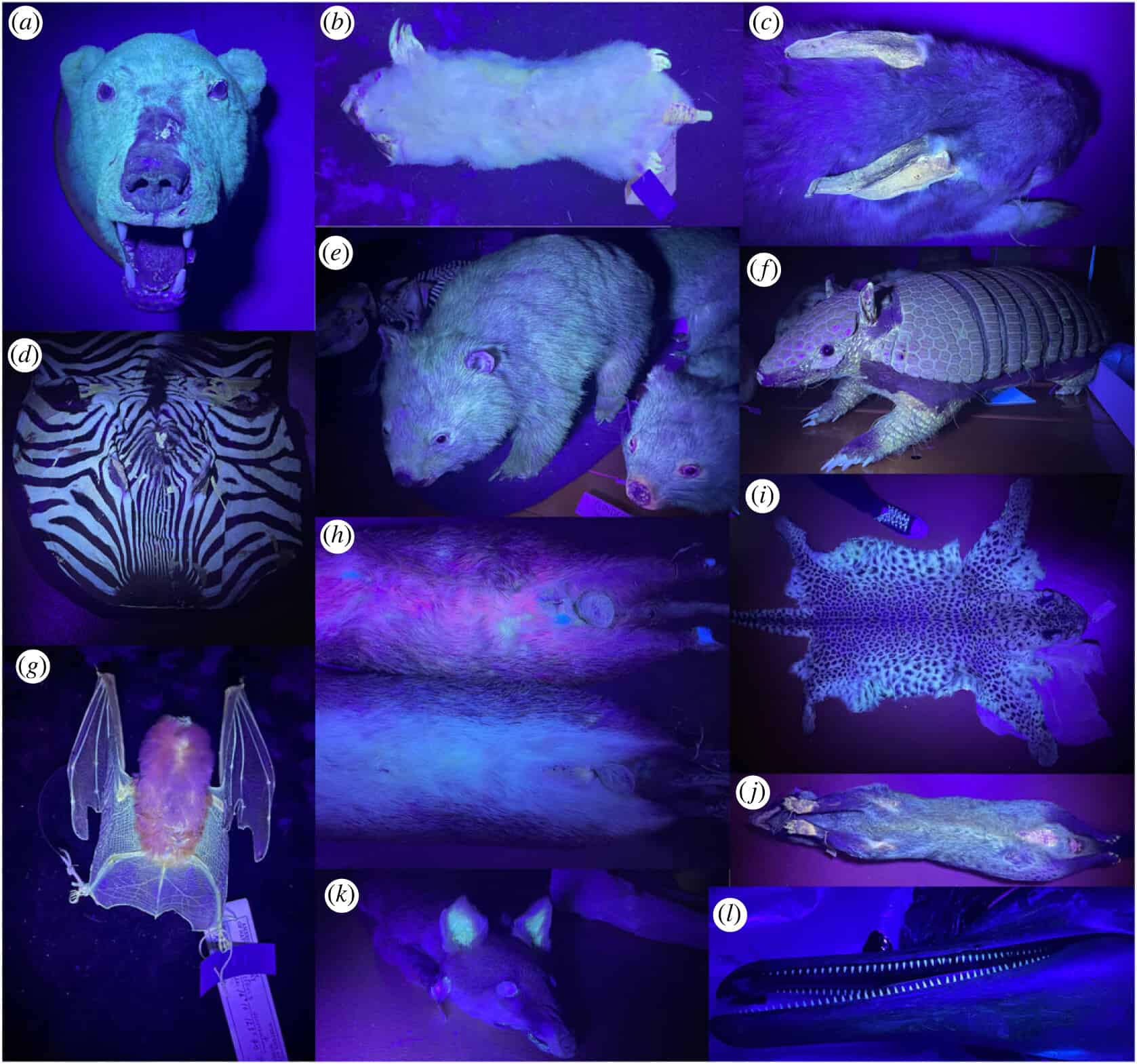
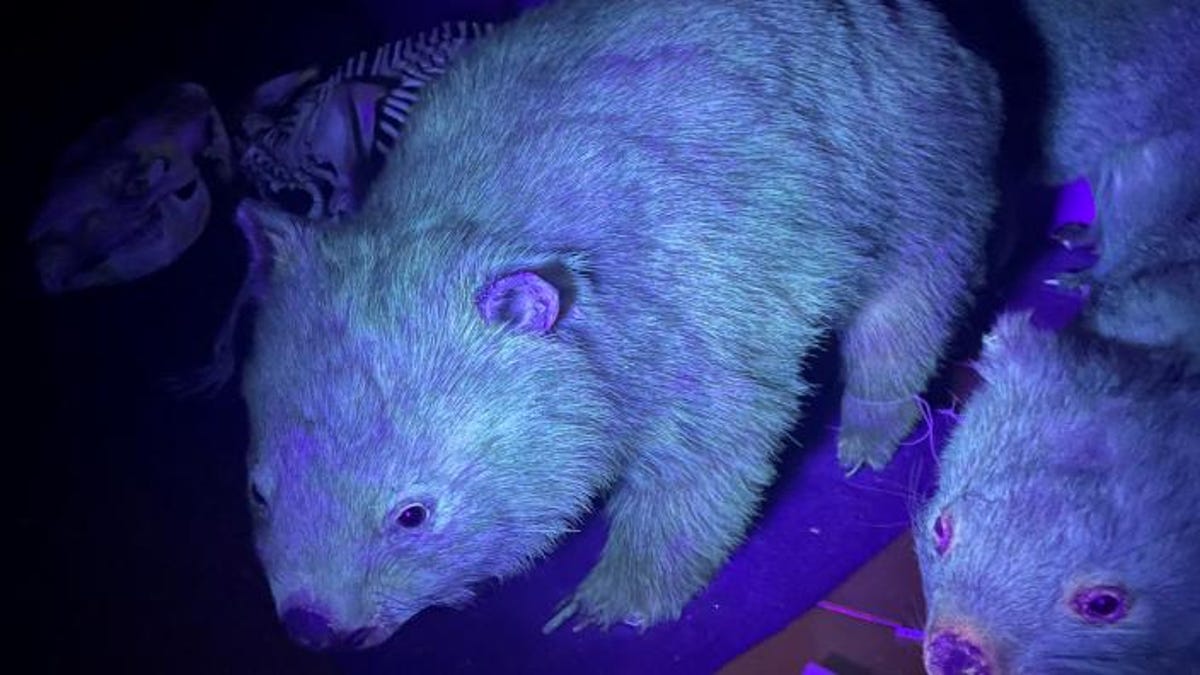
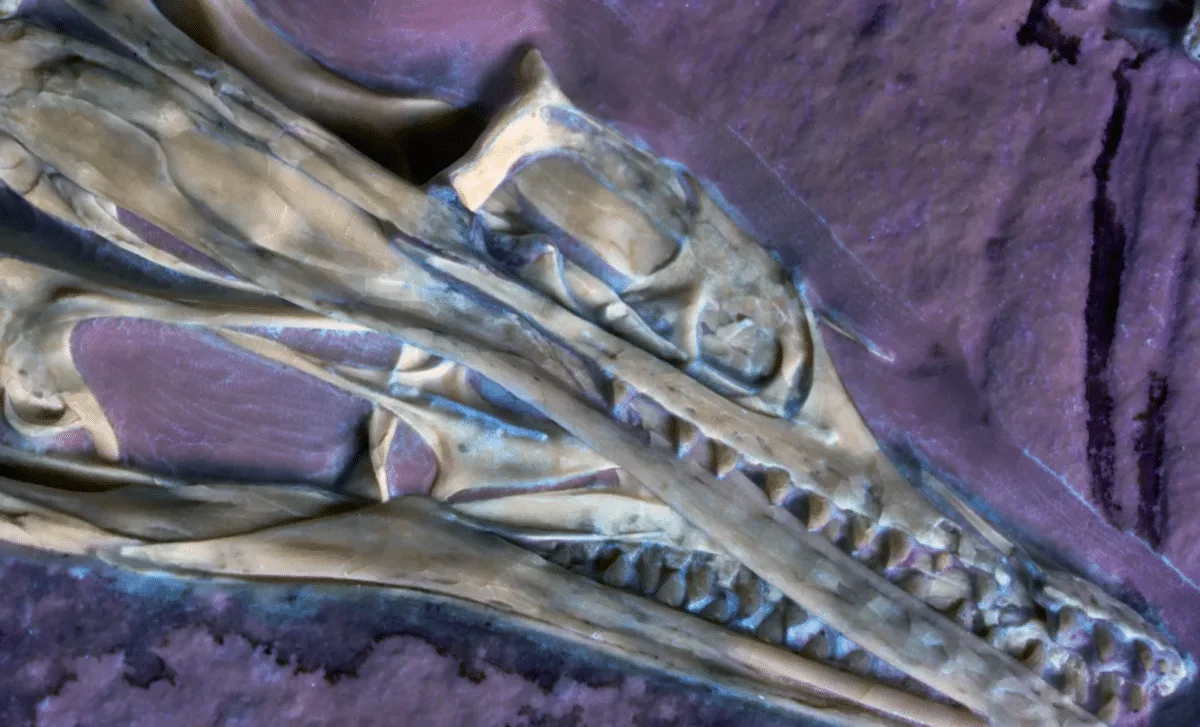
A recent study published in the journal Royal Society Open Science has revealed that fluorescence, the ability to absorb ultraviolet light and re-emit it as visible light, is present in most living families of mammals. Previously thought to be a quirk in unusual animals, such as platypuses and opossums, this trait is now considered to be "basically the default" in mammals. The study, which examined museum specimens of 125 mammal species, found fluorescence in all of them. While the evolutionary benefit of this trait remains unclear, the study challenges the notion that mammal fluorescence is an occasional and mysterious occurrence.
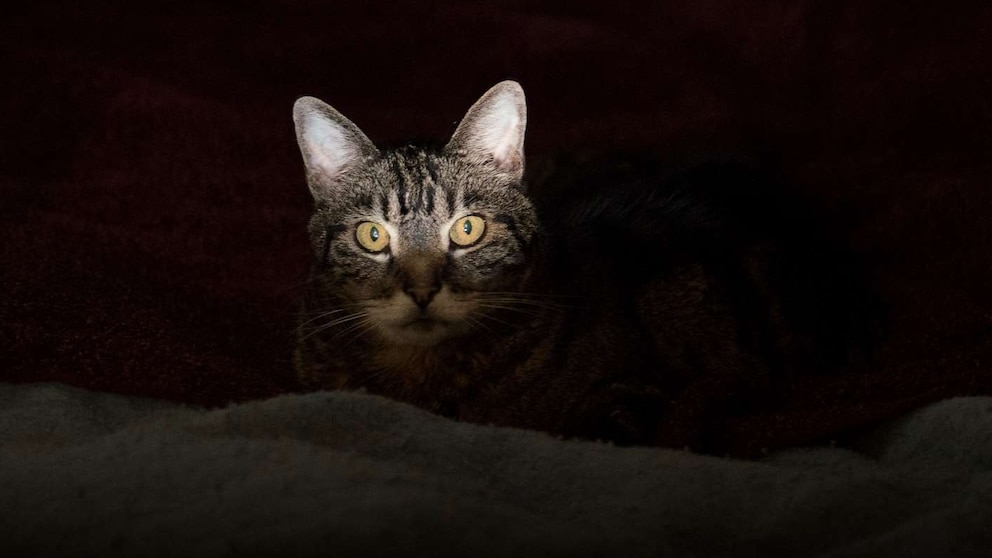
A recent study by Australian scientists has found that cats, along with 124 other mammals, have the ability to glow in the dark due to fluorescent compounds found in their bones, teeth, claws, fur, feathers, and skin. The researchers used UV light to observe the fluorescence, which emitted colors such as red, yellow, green, pink, and blue. This discovery adds to the list of fascinating traits that make cats even more lovable.
A study conducted by researchers from Curtin University and the Western Australian Museum has revealed that fluorescence, the ability to emit visible light under ultraviolet (UV) light, is much more common in mammals than previously thought. The researchers studied 125 species, finding that all of them exhibited some form of fluorescence, with areas such as fur, claws, teeth, and skin glowing under UV light. The study also found that white and light-colored fur was more likely to be fluorescent, while dark pigmentation prevented fluorescence. The discovery raises questions about the ecological impacts and evolutionary advantages of fluorescence in mammals, providing new avenues for future research.
A recent study published in Royal Society Open Science has revealed that over 100 mammalian species, including cats, exhibit biofluorescence, a phenomenon where animals emit light in various colors of the electromagnetic spectrum when exposed to ultraviolet (UV) light. This discovery significantly increases the number of known mammals with this trait. The study found that white and light-colored fur was fluorescent in most species, while pigmented claws also exhibited fluorescence in some. The researchers noted that while biofluorescence was observed in both diurnal and nocturnal species, it was slightly more common in nocturnal mammals. However, caution is advised when using UV light to spot glowing mammals, as it can damage their eyesight.
A new study conducted by researchers from the Western Australian Museum and Curtin University has found that fluorescence, or the ability to glow in the dark under ultraviolet light, is "extremely common" among mammals. The study examined 125 mammal species and found varying degrees of fluorescence in all specimens, including domestic cats, polar bears, bats, mountain zebras, wombats, dolphins, leopards, and Tasmanian devils. Fluorescent compounds were discovered in bone, teeth, claws, fur, feathers, and skin, emitting colors such as red, yellow, green, pink, and blue. The study suggests that fluorescence is prevalent in mammals, particularly those with lighter-colored fur, but the biological function of this phenomenon remains unclear.
An assistant professor from the University of Colorado at Boulder has developed Magic Ink, a tattoo ink that can be turned on and off using different types of light. The ink, which replaces standard tattoo ink nanoparticles with lab-built nanoparticles, can be activated with UV light and deactivated with bright white light or sunlight. It offers a temporary tattoo option for those who are less committed and could also benefit cancer patients who want to remove the small alignment tattoos they receive during radiation therapy. Magic Ink is in the process of commercialization and has been tested on over 50 people.
A study published in the journal Nature Communications has found that radiation from nail dryers, specifically UV light, may cause DNA damage and cancer-causing mutations in human cells. The study revealed that exposure to UV light led to cell death and damage to tissue, which can result in skin cancer. Dermatologists recommend taking precautions such as applying broad-spectrum sunblock around the nails, wearing UV gloves with fingertips cut off, or opting for alternatives to gel nails. LED lights are considered safer as they emit lower amounts of UV light. Experts advise limiting gel manicures and seeking regular skin examinations from a dermatologist, especially for individuals with a history of skin cancer or increased photosensitivity.