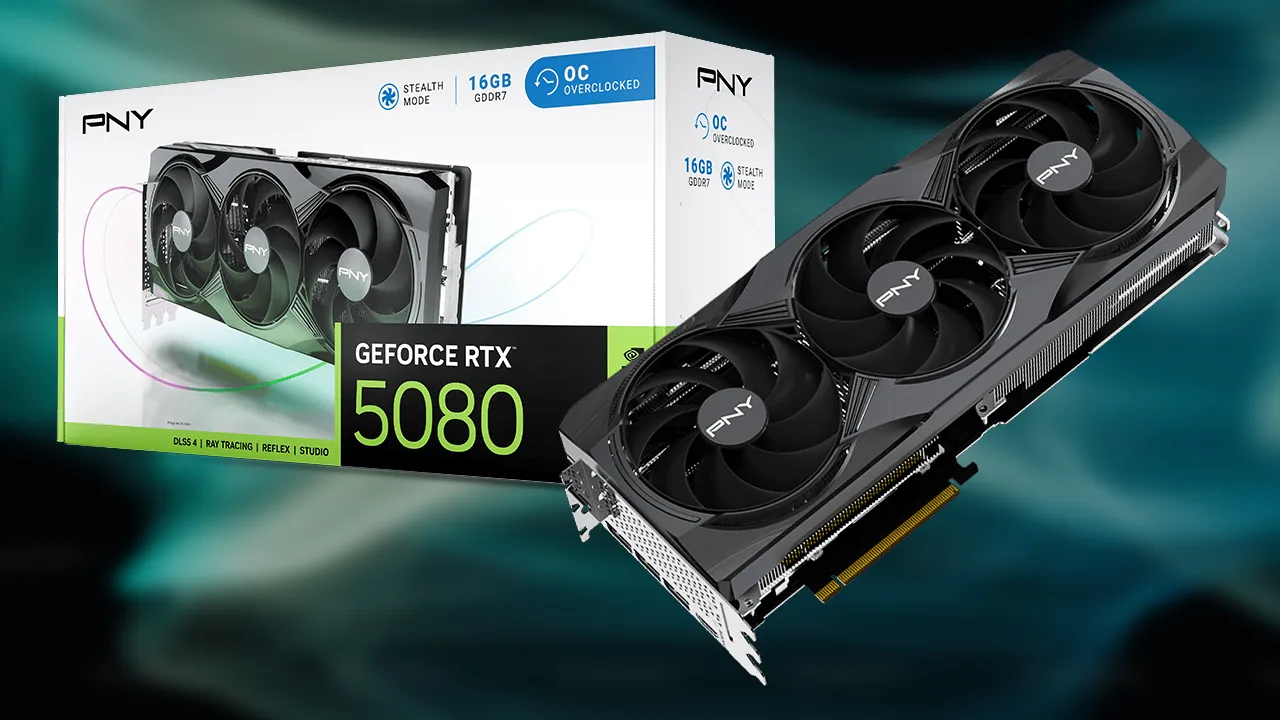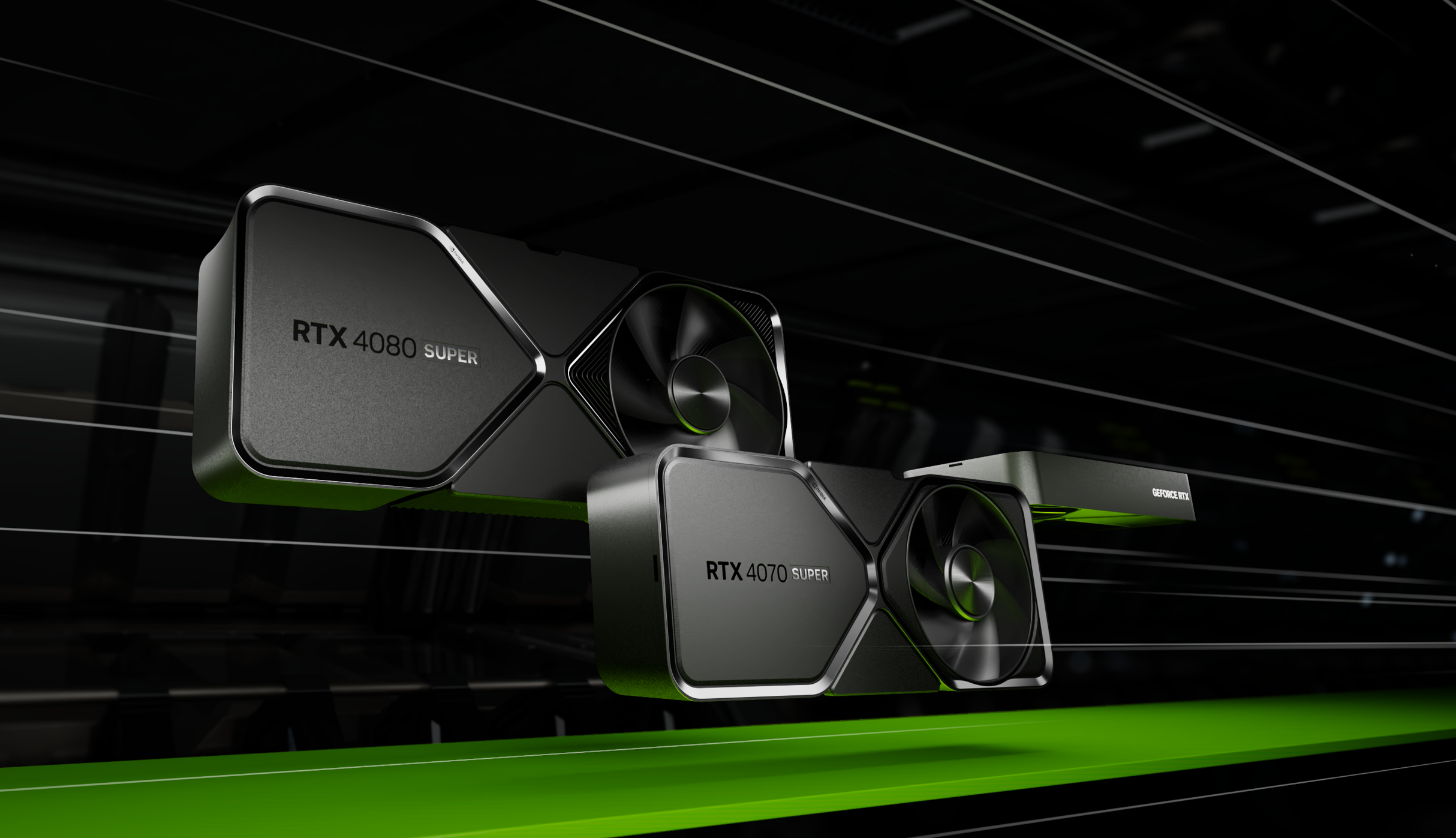
Nvidia is rumored to be resuming production of its discontinued GeForce RTX 3060 graphics card in early 2026 to address ongoing GPU shortages caused by increased AI development and rising memory prices, amidst rising costs for consumer GPUs from Nvidia and AMD.
Walmart's GeForce Week sale offers the first-ever discounts on Nvidia RTX 50 series graphics cards, with prices now $50-$70 below MSRP, making high-end GPUs more accessible amid previous high demand and markup issues.
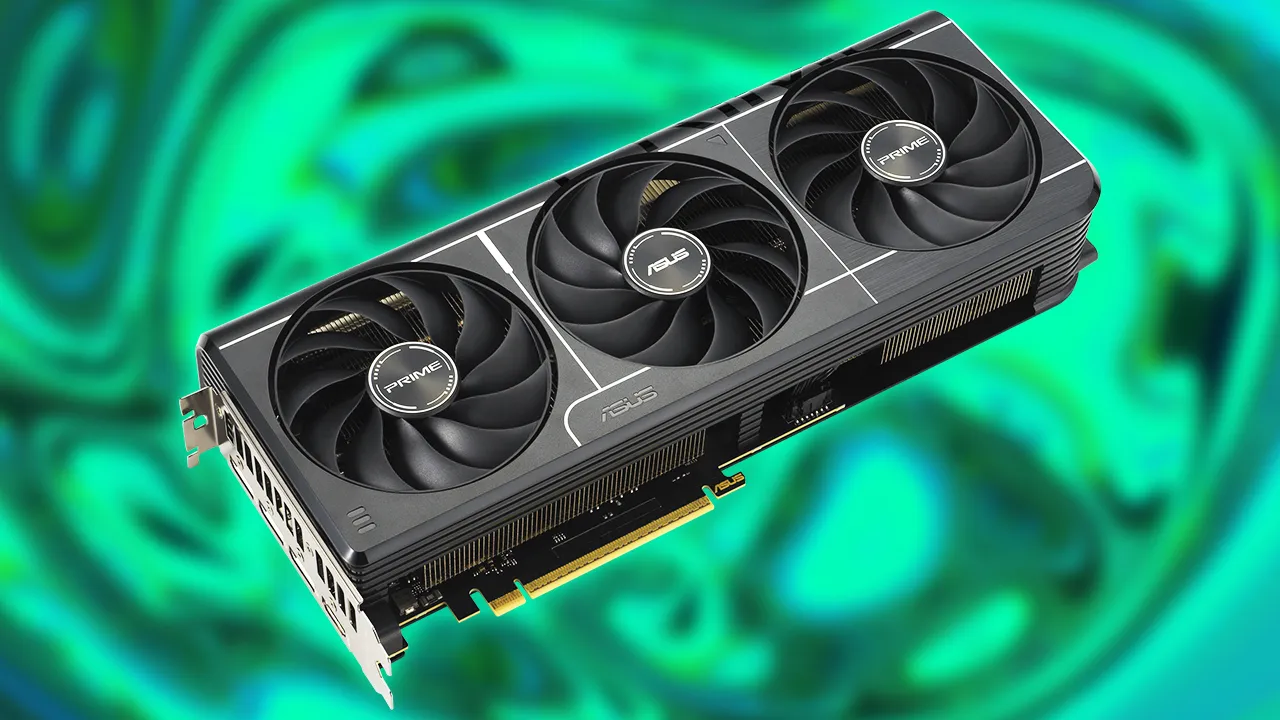
Select Asus Prime RTX 50 series graphics cards have dropped to or below their original launch prices on Amazon, with the RTX 5070 even discounted below MSRP, making it a good time to upgrade from older GPUs, though future pricing stability is uncertain.
The July Steam survey indicates a recovery in Nvidia's RTX 5000 series with increased user share, the debut of AMD's RX 7600 XT in the main GPU chart, and AMD CPUs surpassing 40% market share, reflecting evolving hardware trends among gamers and tech enthusiasts.
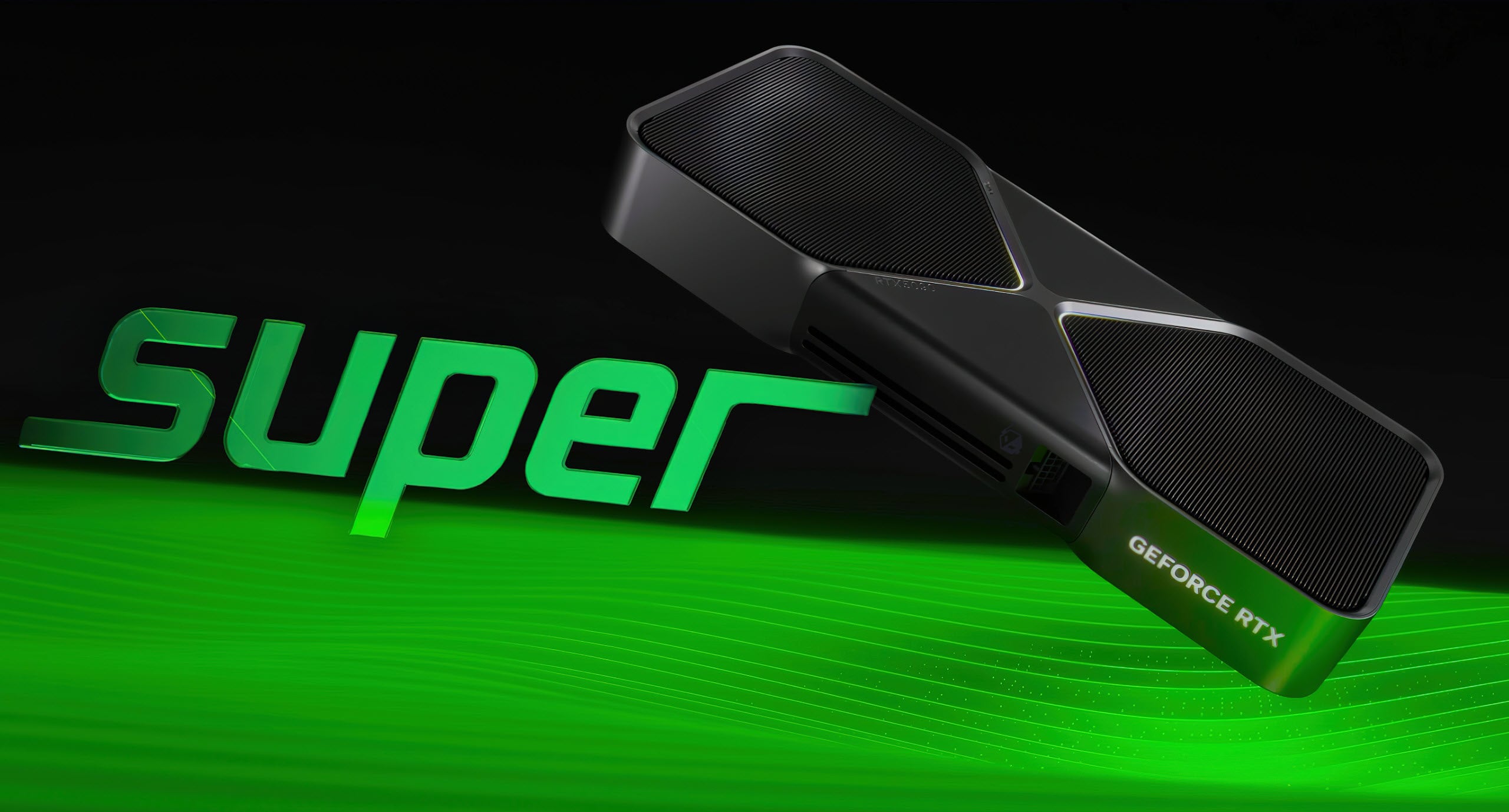
Rumors suggest NVIDIA's GeForce RTX 50 SUPER series may launch in Q4 2025, possibly during the holiday season, featuring models like the RTX 5080 SUPER and RTX 5070 Ti SUPER with increased VRAM, aiming to refresh their GPU lineup and capitalize on consumer upgrade cycles.
The article reviews some of the worst graphics cards ever made, highlighting issues like excessive heat, poor performance, high costs, and design flaws, with notable examples including Nvidia GTX 480, AMD Radeon R9 390X, Nvidia Titan Z, and AMD Radeon VII, among others.
FromSoftware warns PC players that using the latest graphics cards may cause framerate drops in Elden Ring Nightreign, advising lowering graphics settings and updating drivers as temporary solutions while they investigate the issue. The game emphasizes three-player co-op gameplay, with post-launch support planned for duo options. Troubleshooting tips include verifying game files via Steam.
Nvidia is set to unveil its latest GeForce products, potentially including the RTX 5090 and RTX 5080 graphics cards, at CES 2025 in Las Vegas. The event, taking place from January 7-10, will feature Nvidia CEO Jensen Huang as a keynote speaker. Speculation suggests these new graphics cards may have lower VRAM capacities, which could impact performance in modern games and applications. The announcement is highly anticipated and could influence Nvidia's stock performance.
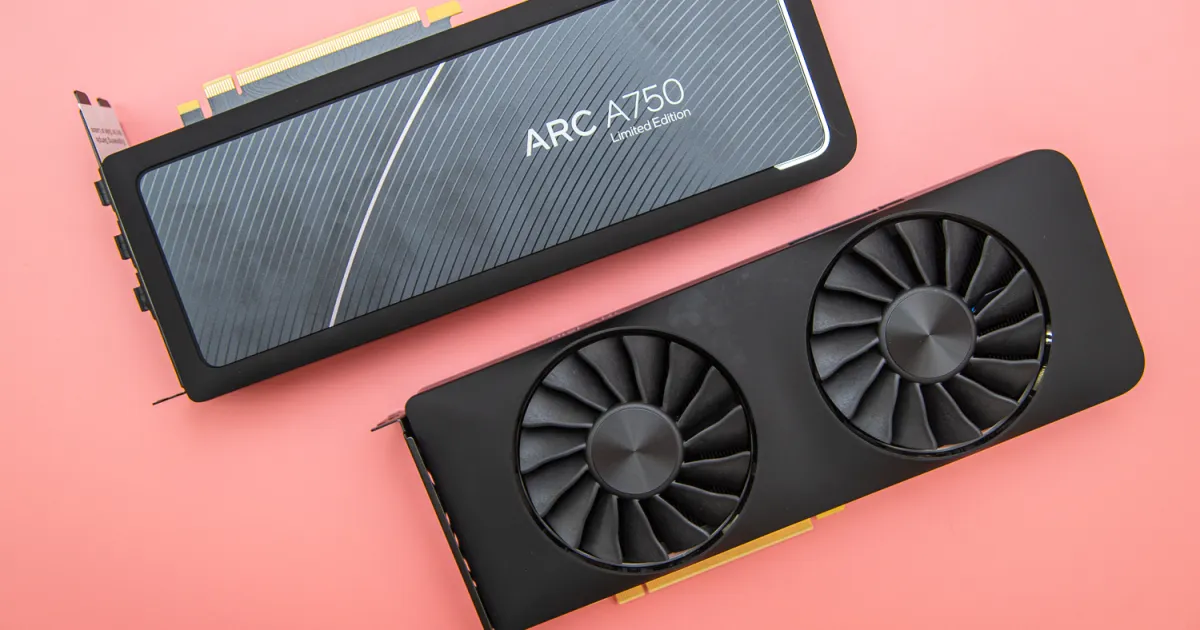
Intel is set to launch the Arc B580, a new discrete GPU featuring the Battlemage architecture, aiming to compete with AMD and Nvidia by offering more VRAM and competitive pricing. Historically, Intel's GPUs faced driver issues, but recent improvements have made them more viable. The B580, priced at $250, could be a strong contender in the budget GPU market, especially as AMD and Nvidia have not released comparable options in this price range. Potential buyers should await reviews before deciding, but Intel's advancements suggest a promising alternative.
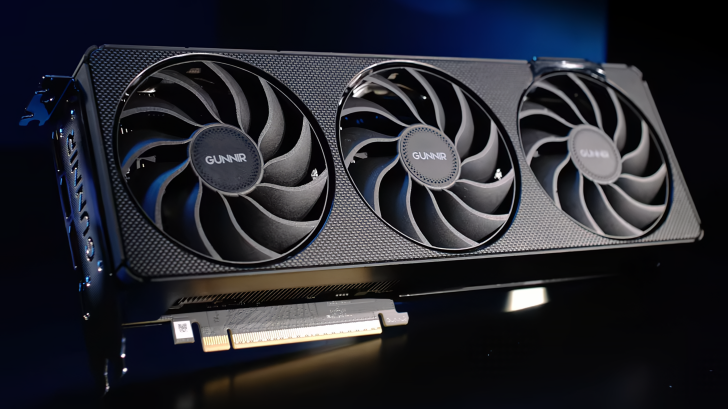
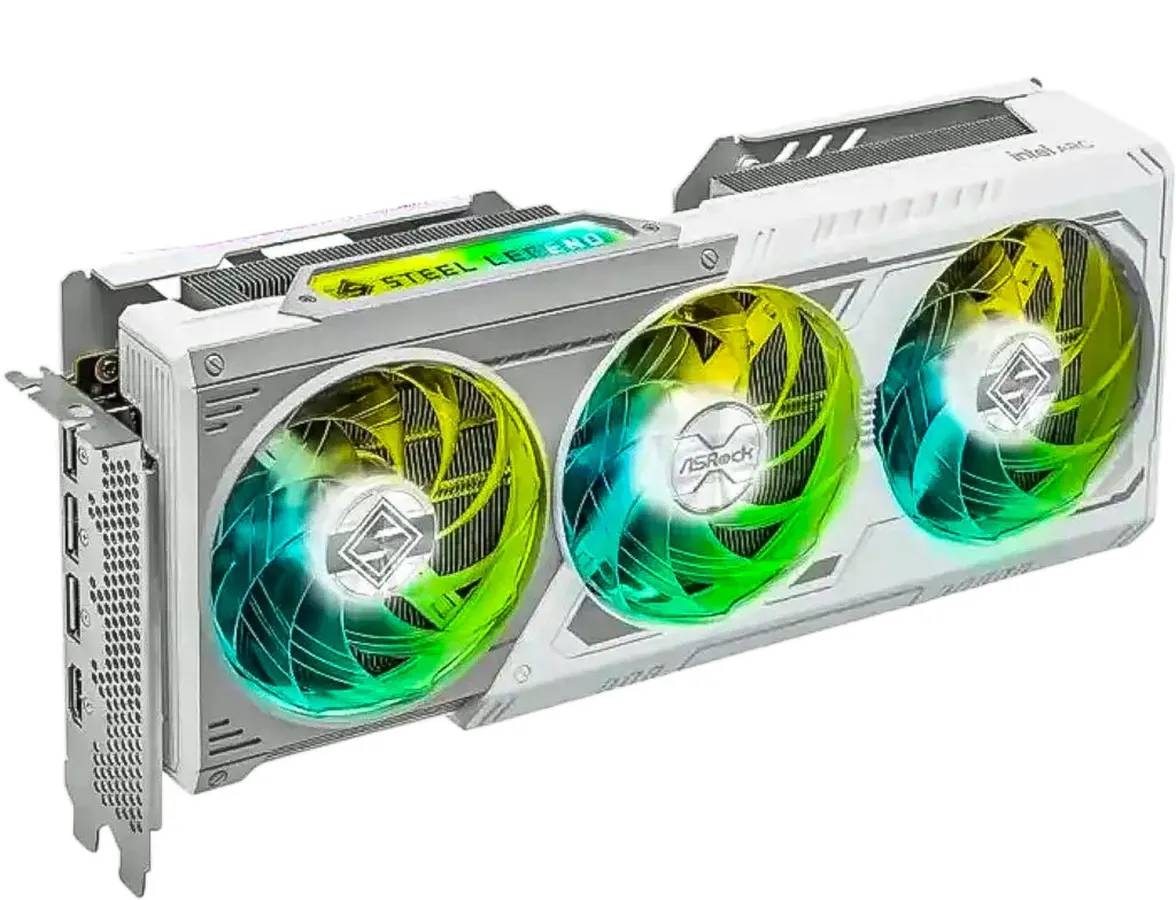
GUNNIR has unveiled its new Intel Arc B580 graphics cards, including the Photon, Index, and Tri editions, as well as a low-profile Arc A770 model. These GPUs, showcased at a special event in China, are set to launch on December 13th. The flagship Photon edition features a triple-fan design and will be available in black and white, priced at approximately $310. While some models are aimed at gamers, others are designed for non-mainstream markets, focusing on power-efficient systems for industry applications.
Intel has announced its new budget-friendly Arc B580 and B570 graphics cards, priced at $249 and $219 respectively, set to release in December and January. These cards, based on the Xe2 "Battlemage" architecture, offer competitive performance against Nvidia's RTX 4060 and AMD's RX 7600, particularly in memory-intensive scenarios due to their 12GB video memory. Intel also introduced upgrades to its XeSS technology, enhancing frame rates and reducing latency. However, the future of Intel's discrete graphics cards remains uncertain following recent leadership changes.
Intel is set to launch two new Arc-series graphics cards, the Arc B580 and B570, in mid-December, aiming to capture the low to mid-range gaming market. Priced around $250, the B580 offers 12GB memory, potentially giving Intel an edge over similarly priced AMD and Nvidia models. The launch is strategically timed before Christmas, potentially outpacing Nvidia's RTX 5000 series announcement expected in January. Despite past challenges with performance and power consumption, Intel has improved its Arc series, targeting competition with Nvidia's RTX 4060 Ti.
Black Friday deals have begun, offering significant discounts on GeForce RTX 40 series graphics cards and gaming PCs from brands like ZOTAC, ASUS, and MSI. Notable deals include the MSI RTX 4070 Ti Super for $739 and the ASUS RTX 4070 Super for under $600. Additionally, ZOTAC is offering budget gaming PCs with discounts, including a free MSI 24" monitor with certain purchases. These deals are available on platforms like Newegg, providing savings on high-performance GPUs and gaming setups.
During Prime Day, Amazon Prime members can purchase the Gigabyte GeForce RTX 4060 Windforce OC edition at a 15% discount, reducing the price to £238. This deal makes the mid-range GPU more affordable, offering features like DLSS upscaling and DLSS 3 frame generation. Non-Amazon retailers have not matched this price yet.
Two users on Reddit reported photodegradation appearing on the backplates of different graphics cards, speculated to be caused by RGB lighting reacting with the coatings used on the backplates. This issue seems to be related to the accompanying memory kit's RGB LEDs and may be due to faulty or low-quality LEDs emitting light they are not supposed to. While not a widespread problem, it remains to be seen if this issue will become more widely reported in the future.