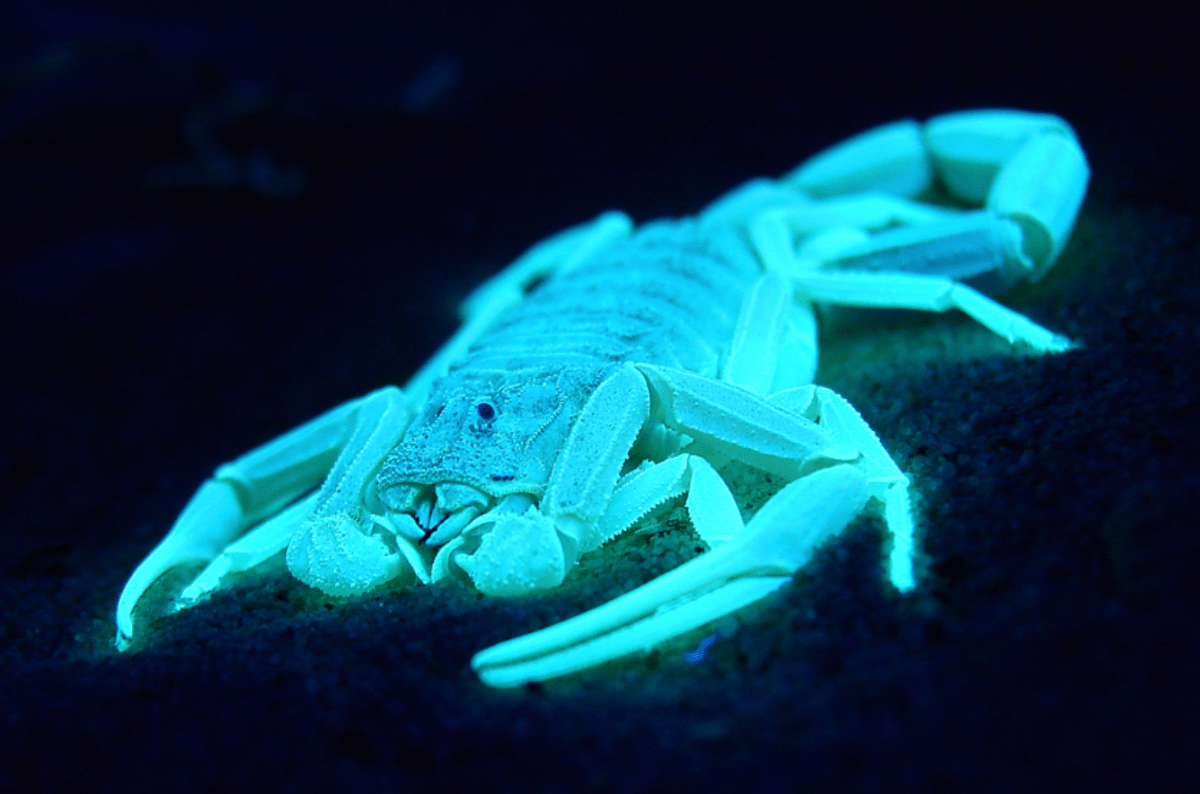
Scientists have discovered that fluorescence is more common in mammals than previously thought. Researchers conducted tests on preserved and frozen specimens and found 125 fluorescent species of mammal from every known order. They determined that the fluorescence was a real biological phenomenon and not caused by the preservation process. The study suggests that fluorescence may be a default property of unpigmented hair and could enhance visual signaling in animals, especially in poor light conditions. Nocturnal and terrestrial species were found to be more likely to fluoresce.
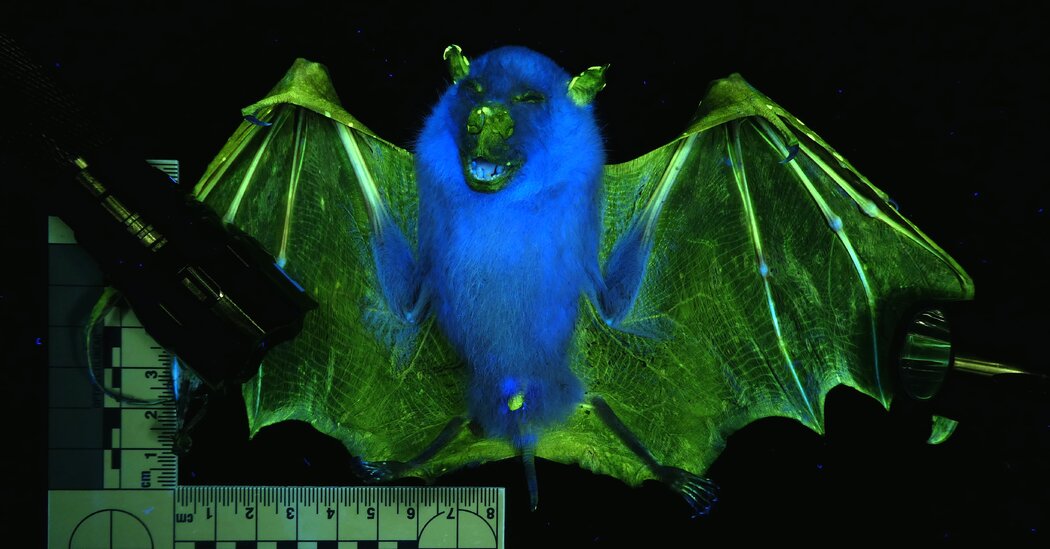
A recent study published in the journal Royal Society Open Science has revealed that fluorescence, the ability to absorb ultraviolet light and re-emit it as visible light, is present in most living families of mammals. Previously thought to be a quirk in unusual animals, such as platypuses and opossums, this trait is now considered to be "basically the default" in mammals. The study, which examined museum specimens of 125 mammal species, found fluorescence in all of them. While the evolutionary benefit of this trait remains unclear, the study challenges the notion that mammal fluorescence is an occasional and mysterious occurrence.
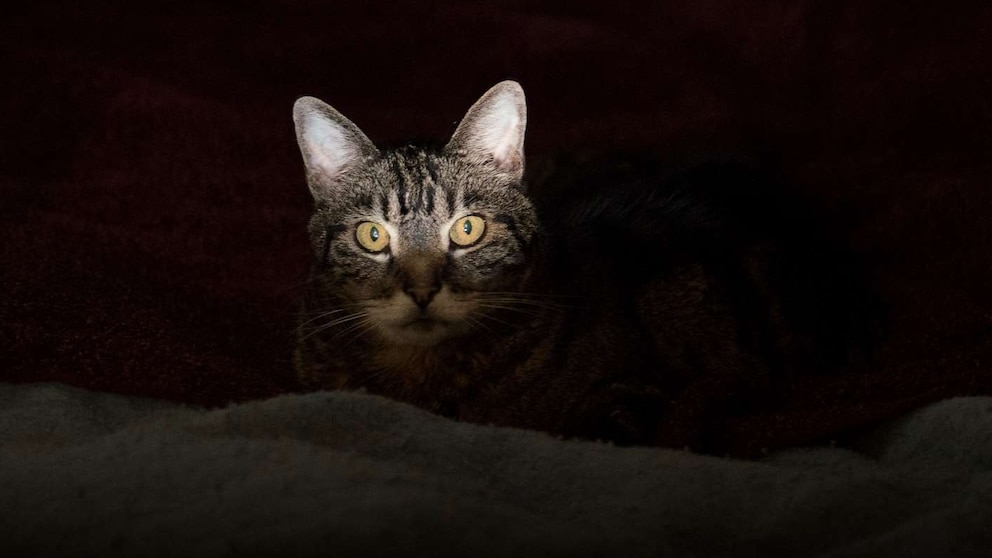
A recent study by Australian scientists has found that cats, along with 124 other mammals, have the ability to glow in the dark due to fluorescent compounds found in their bones, teeth, claws, fur, feathers, and skin. The researchers used UV light to observe the fluorescence, which emitted colors such as red, yellow, green, pink, and blue. This discovery adds to the list of fascinating traits that make cats even more lovable.
A new study conducted by researchers from the Western Australian Museum and Curtin University has found that fluorescence, or the ability to glow in the dark under ultraviolet light, is "extremely common" among mammals. The study examined 125 mammal species and found varying degrees of fluorescence in all specimens, including domestic cats, polar bears, bats, mountain zebras, wombats, dolphins, leopards, and Tasmanian devils. Fluorescent compounds were discovered in bone, teeth, claws, fur, feathers, and skin, emitting colors such as red, yellow, green, pink, and blue. The study suggests that fluorescence is prevalent in mammals, particularly those with lighter-colored fur, but the biological function of this phenomenon remains unclear.
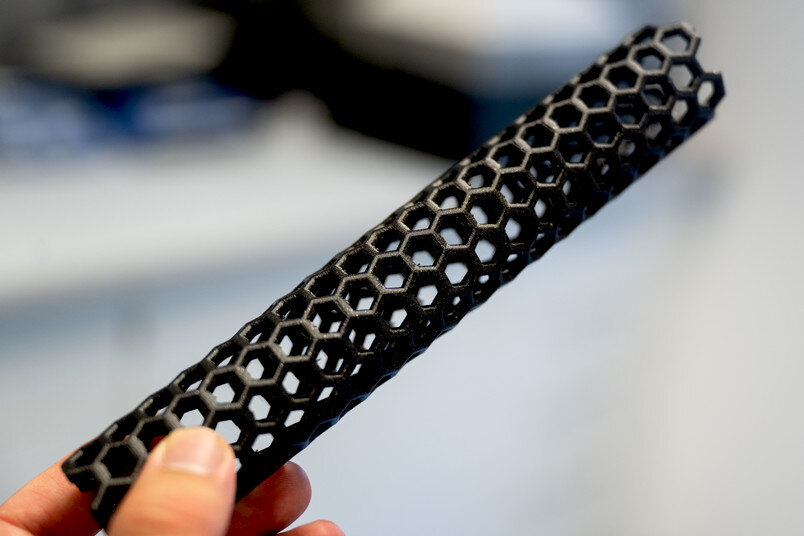
Researchers have developed modular optical sensors using fluorescent carbon nanotubes and DNA anchors to detect viruses and bacteria. The nanotubes are customized with DNA structures that create defects in their crystal structure, altering their fluorescence. By attaching detection units to the DNA anchors, the sensors can identify specific viral or bacterial proteins. The sensors demonstrated high selectivity and stability, making them suitable for diagnostic applications in complex environments.
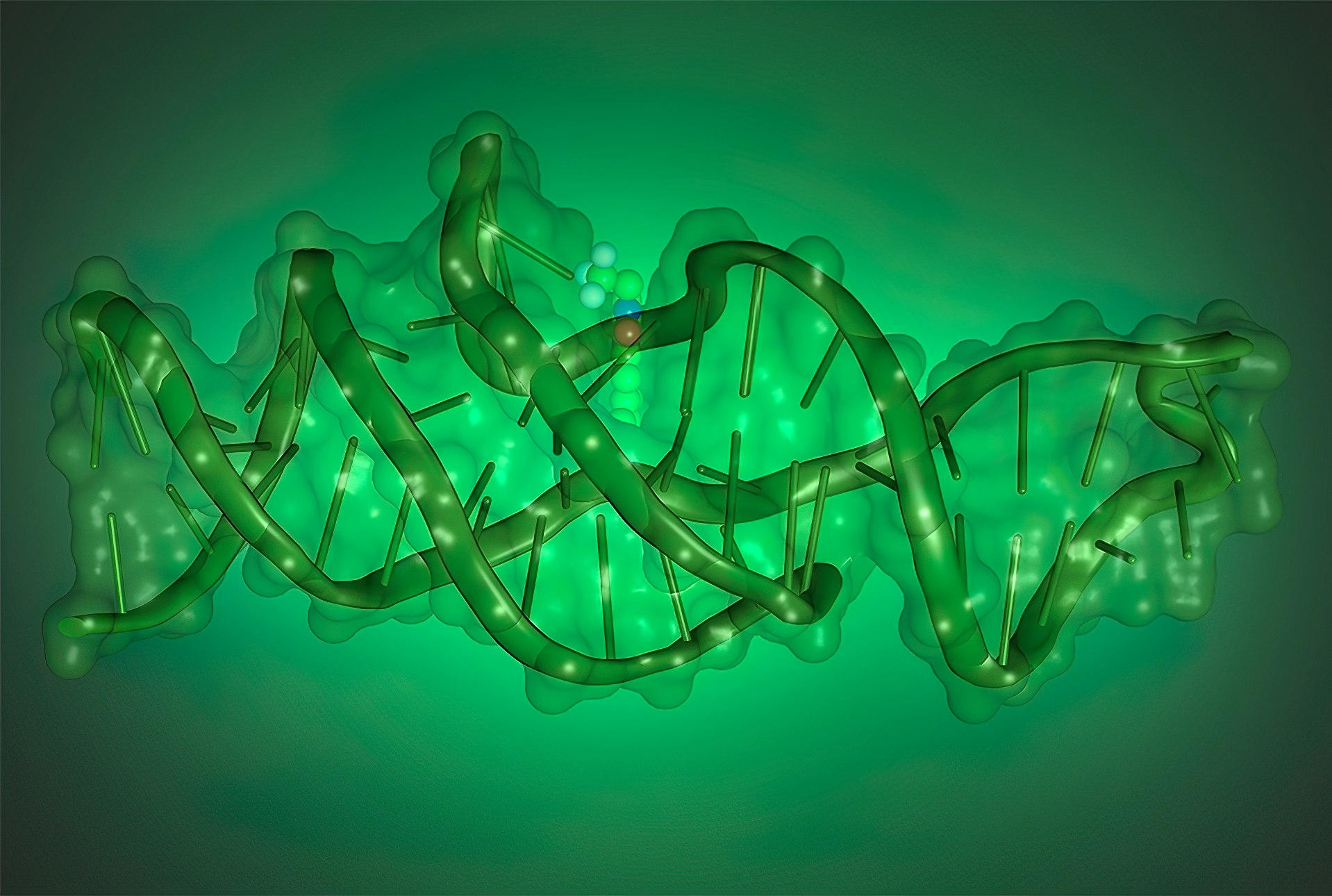
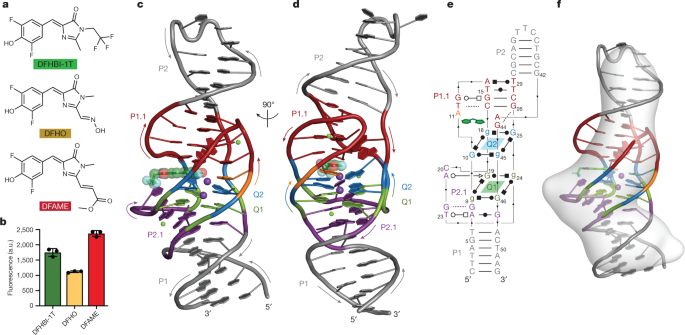
Researchers have discovered that DNA can mimic the functions of proteins by forming intricate, three-dimensional structures. Using high-definition imaging technologies, scientists uncovered the unique configuration of a synthesized DNA molecule that emulates the behavior of green fluorescent protein (GFP). This breakthrough in understanding DNA folding opens up possibilities for creating DNA molecules with complex shapes for various laboratory and clinical applications, such as fluorescent tags for diagnostic tests. The findings advance the field of DNA-based tools and highlight the potential of DNA beyond its role as a genetic information store.
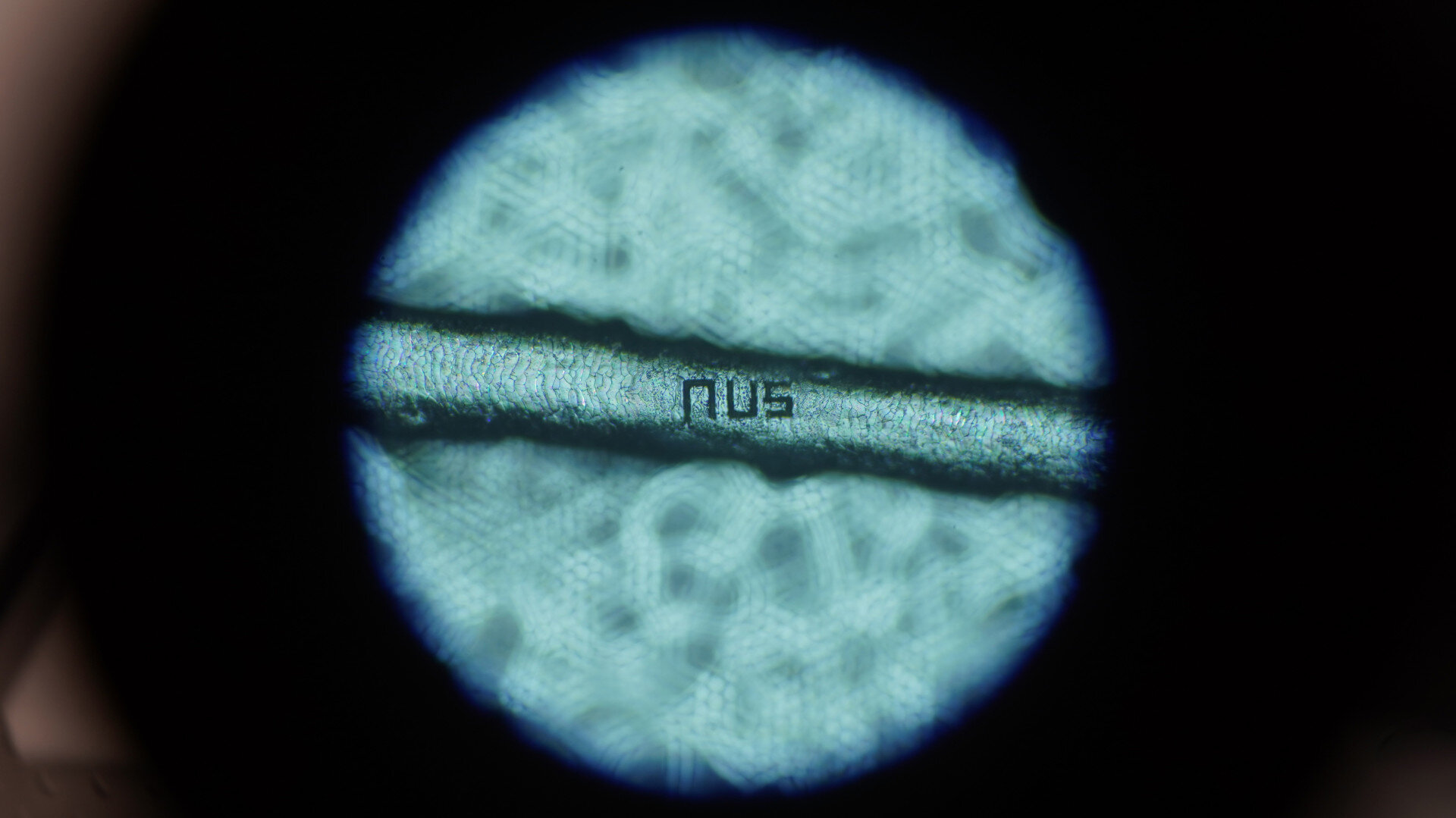
Physicists from the National University of Singapore have developed a method to repurpose human hair waste by transforming it into a functional material. By using a simple heat-based process, the researchers were able to enhance the fluorescence capability of human hair, allowing it to be used for encrypting sensitive information or detecting environmental pollutants. The heat-treated hair can be engraved with patterns using a laser or used to detect toxic spills, such as methylene blue pollution. This innovative approach offers a sustainable solution for managing hair waste and has potential applications in steganography and pollution detection.
Researchers have created a 3D architecture of a DNA mimic of green fluorescent protein (GFP) using lettuce RNA aptamers. The mimic, called Lettuce–DFHBI-1T, has a complex structure that includes a four-way junction and a G-quadruplex. The structure could be used to develop new RNA aptamers for imaging and detecting RNA in living cells.
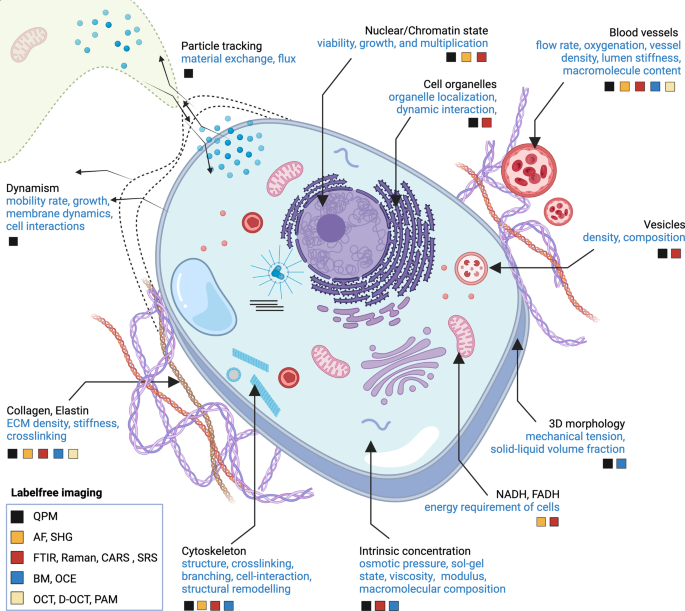
Advances in microscopy techniques have enabled label-free imaging of biological samples, allowing for the visualization of structures and dynamics without the need for fluorescent labeling. Techniques such as multiphoton microscopy, light-sheet microscopy, fluorescence lifetime imaging microscopy, and structured illumination microscopy have all contributed to this field. Other label-free techniques include quantitative phase imaging, digital holographic microscopy, and spatial light interference microscopy. These techniques have the potential to revolutionize the study of biological systems and provide new insights into cellular processes.