Tag

Commercialization

All articles tagged with #commercialization

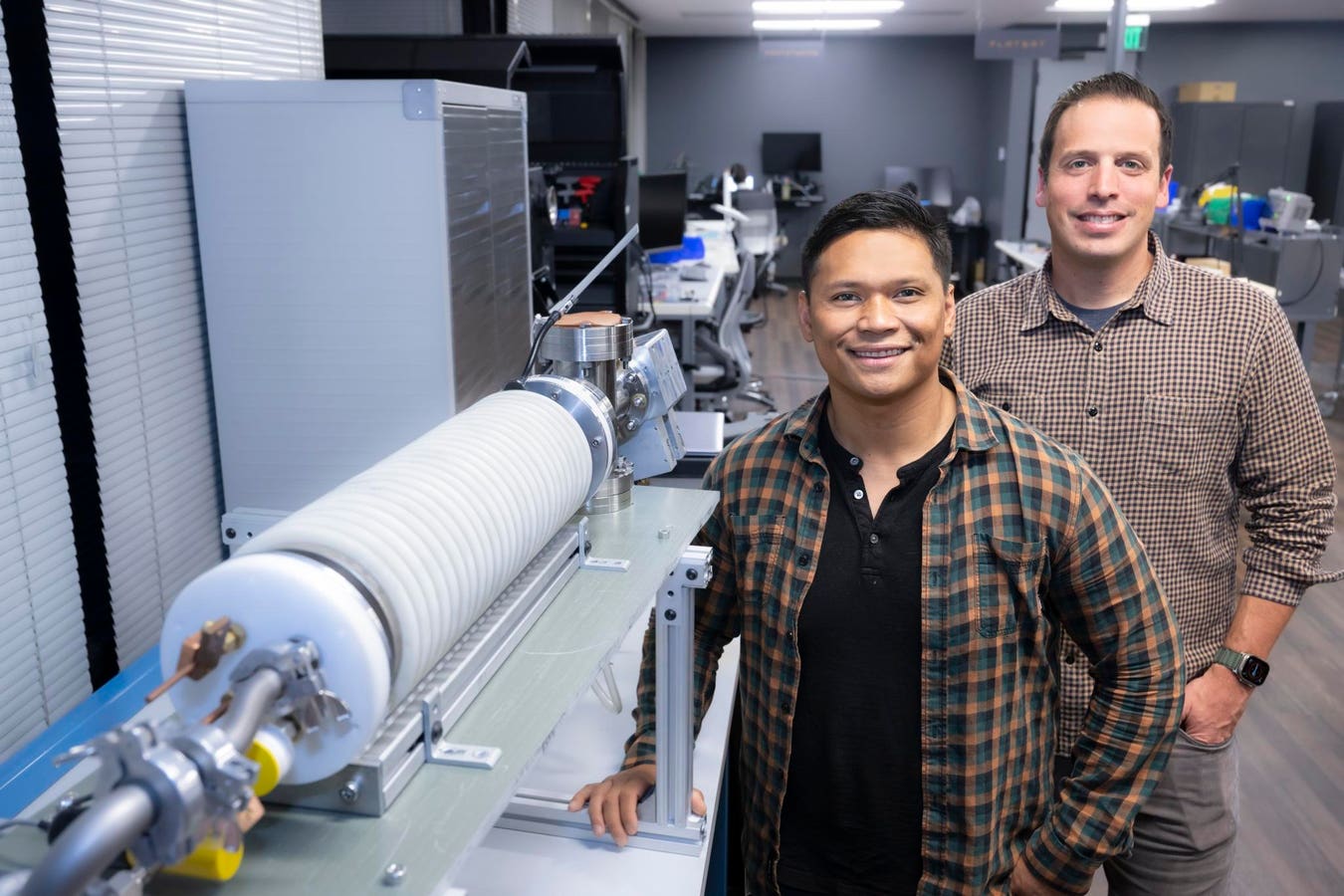
Infleqtion charts Nvidia-like path to commercial quantum tech after SPAC debut
business10 days ago

Infleqtion charts Nvidia-like path to commercial quantum tech after SPAC debut

Infleqtion began trading via a SPAC merger and posted a double-digit first-day gain as CEO Matt Kinsella says the moment is a refueling toward turning quantum from lab to market. He cites a Nvidia‑style strategy of applying the company’s neutral-atom quantum core to sensing, timekeeping, and computing, with a road map to 30 logical qubits by year-end and 100 by 2028, and notes revenues of about $29 million in 2024 and $50 million booked in 2025 to fund R&D and growth. He stresses focusing on long‑term shareholder value over daily stock moves, plans disciplined R&D investment (not a material burn rate increase), and envisions bolt‑on tech acquisitions only if they accelerate the roadmap. Infleqtion is the first quantum company to go public this year, with peers Xanadu and Quantinuum expected to follow, and management remains focused on commercialization rather than chasing a quick market multiple.


"Greenland Company Ships Arctic Ice to Dubai for Exclusive Drink Chilling"
businessenvironment2 years ago

"Greenland Company Ships Arctic Ice to Dubai for Exclusive Drink Chilling"

Arctic Ice, a startup founded in 2022 by two Greenlanders, is shipping ancient Arctic ice from Greenland to Dubai for sale to high-end bars and restaurants. The company claims to be offering a novel way to harness a natural resource and raise awareness of the Arctic, but it has attracted controversy due to the environmental impact of shipping a diminishing natural resource halfway across the world. Critics argue that it's wasteful to ship ice thousands of miles on fossil fuel-powered ships when Dubai already makes its own ice. The company faces backlash on social media and has received criticism for its operations, but it also has supporters who appreciate the aesthetic and story of the ice.

"Intuitive Machines Prepares for Second Attempt at Commercial Moon Landing"
space-exploration2 years ago

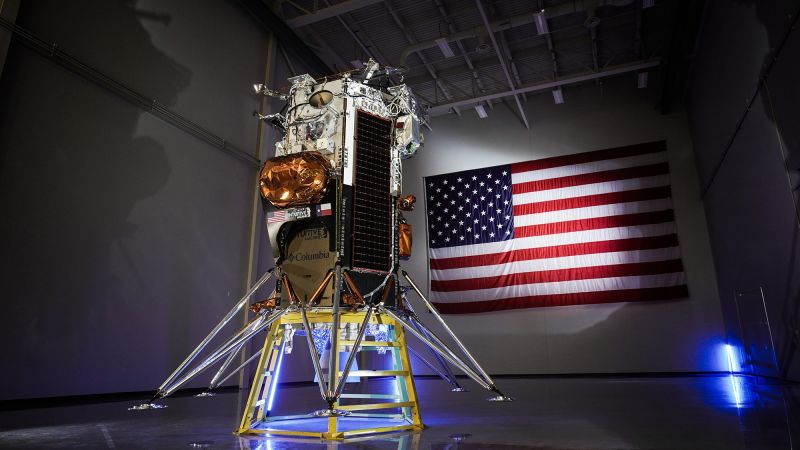
"Intuitive Machines Prepares for Second Attempt at Commercial Moon Landing"

After a failed lunar landing mission last month, NASA is preparing to launch a second spacecraft, Odysseus, developed by Intuitive Machines, in an attempt to make the first US lunar touchdown in over five decades. The spacecraft is set to launch atop a SpaceX Falcon 9 rocket and is expected to touch down on the moon on February 22. This mission is part of NASA's Commercial Lunar Payload Services program, aiming to develop lunar landers under relatively cheap, fixed-price contracts, as the global race to plant robotic spacecraft on the moon intensifies. If successful, Odysseus could pave the way for regular robotic trips to the moon and contribute to future lunar exploration efforts.

"Should You Pay to Have Your Ashes Buried on the Moon?"
space-exploration2 years ago

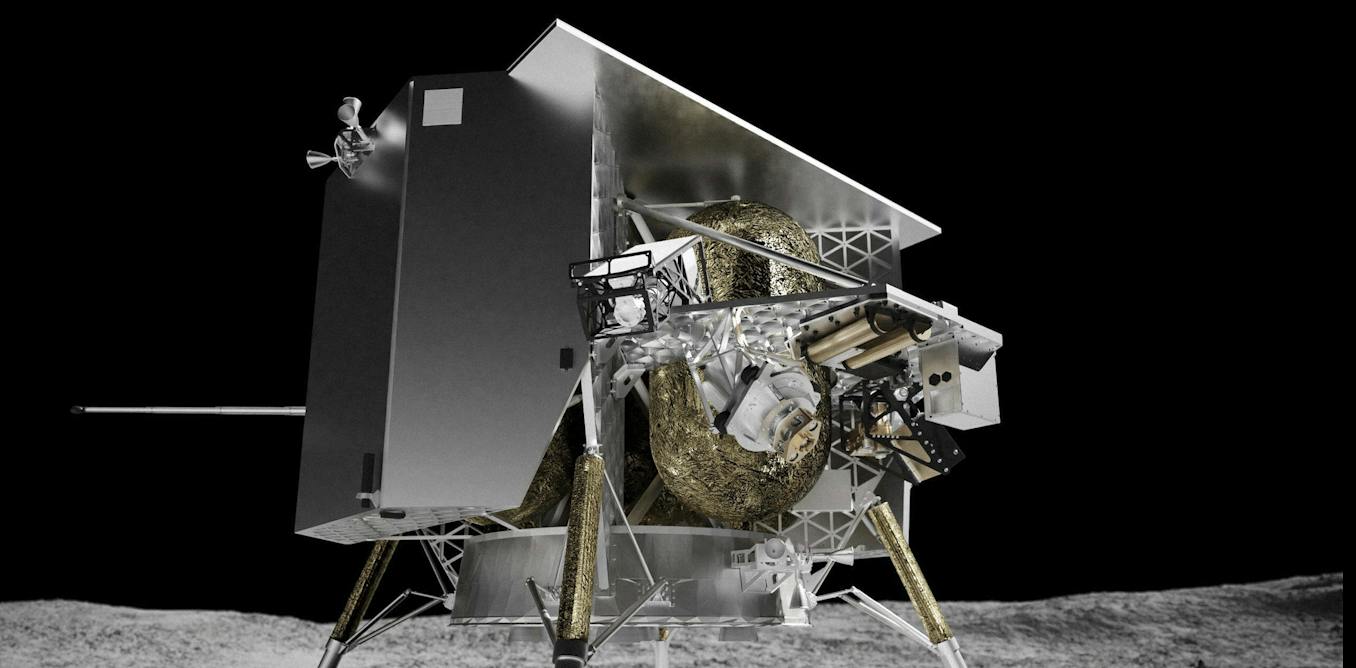
"Should You Pay to Have Your Ashes Buried on the Moon?"

NASA's recent lunar mission carrying human ashes and mementos sparked controversy, highlighting the ethical and legal complexities of commercial space exploration. As space becomes increasingly privatized, companies like Astrobotic are offering the opportunity to send personal items to the Moon for a fee. However, this raises questions about cultural sensitivity, international space law, and the potential impact on historical lunar sites. The incident underscores the need for a robust legal and ethical framework to govern commercial activities in space as humanity ventures further into the cosmos.

China's LandSpace Rockets: Pioneering Methane-Powered Satellite Launches
space-technology2 years ago

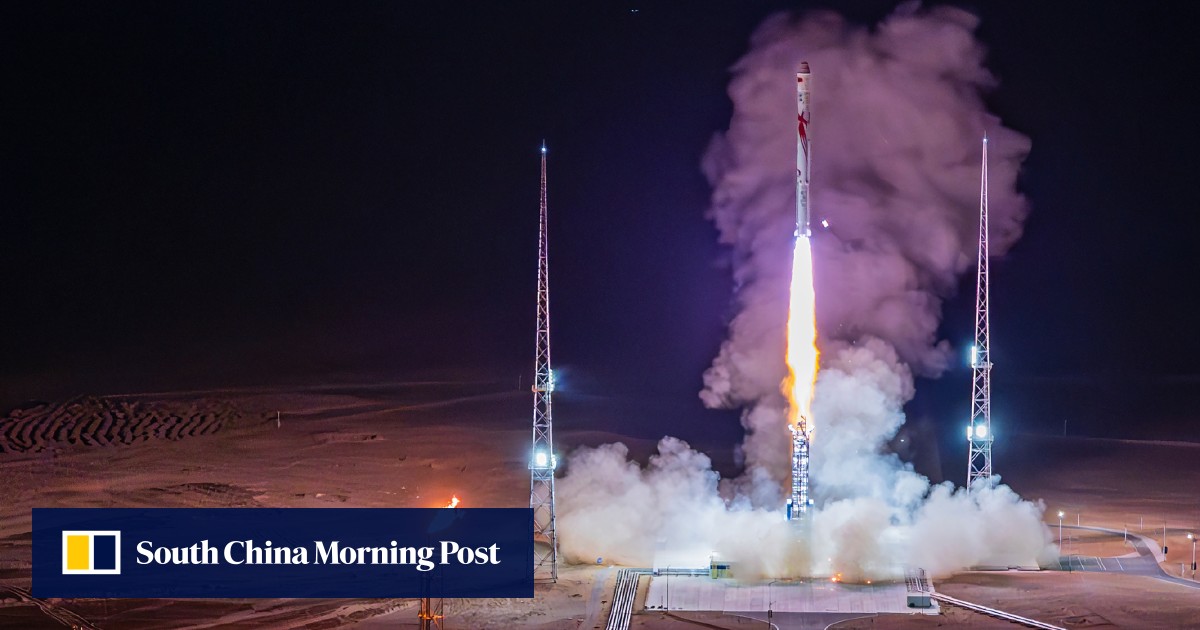
China's LandSpace Rockets: Pioneering Methane-Powered Satellite Launches

China's private aerospace company, LandSpace, successfully launched its methane-powered rocket, Zhuque 2 Y-3, from the Jiuquan Satellite Launch Centre, becoming the first in the world to do so. The rocket deployed three satellites into orbit, marking a milestone in the commercialization of liquid-powered rockets in China. LandSpace aims to achieve low-cost, large-scale manufacturing and delivery of rockets to ensure continuous and stable launch success. With further improvements, the rocket's payload capacity is expected to reach 4 tonnes, meeting the needs of spacecraft and near-Earth orbit satellites. China aims to become a world-leading space power and is inspired by companies like SpaceX to drive innovation in space technology.

Space Pollution: The Dark Side of Exploration
space-exploration2 years ago

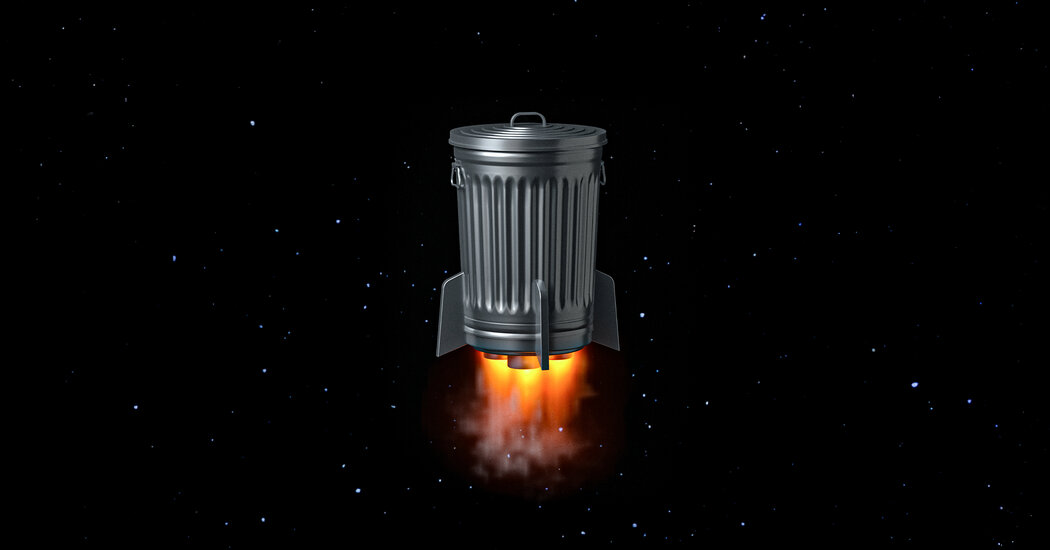
Space Pollution: The Dark Side of Exploration

As the International Space Station (I.S.S.) approaches retirement in 2030, the orbital environment it leaves behind is vastly different from when it was built. The number of satellites in orbit has multiplied, and the space is now crowded with human-made space debris. The commercialization of low Earth orbit (LEO) is booming, with projections of a $312-billion-a-year economy by 2035. However, this rapid expansion poses risks, including the threat of collisions and interference with astronomy research. Unfettered profit-seeking and the lack of coordination among national authorities are contributing to the problem. As humanity ventures further into space, it must consider the environmental impact and avoid repeating the mistakes made on Earth.

"Groundbreaking Asteroid Mining Startup Prepares for Historic Deep Space Mission"
space-exploration2 years ago

"Groundbreaking Asteroid Mining Startup Prepares for Historic Deep Space Mission"

California-based startup Astroforge is preparing to launch the first-ever commercial deep space mission with the goal of mining asteroids for precious metals. The company successfully test fired the rockets that will enable its spacecraft, Brokkr-2, to reach an asteroid in about nine months. Astroforge aims to tap into the abundant metals found in asteroids, which could help meet the increasing demand for metals as the world transitions to clean energy. With lower launch costs and off-the-shelf components available, the company estimates the total cost of its mission to be less than $10 million. If successful, Astroforge plans to develop further missions to characterize asteroids, develop mining technologies, and eventually mine and return material to Earth for sale.

"Nanoengineer creates 'magic' tattoo that wearers can turn off and on"
technology2 years ago

"Nanoengineer creates 'magic' tattoo that wearers can turn off and on"

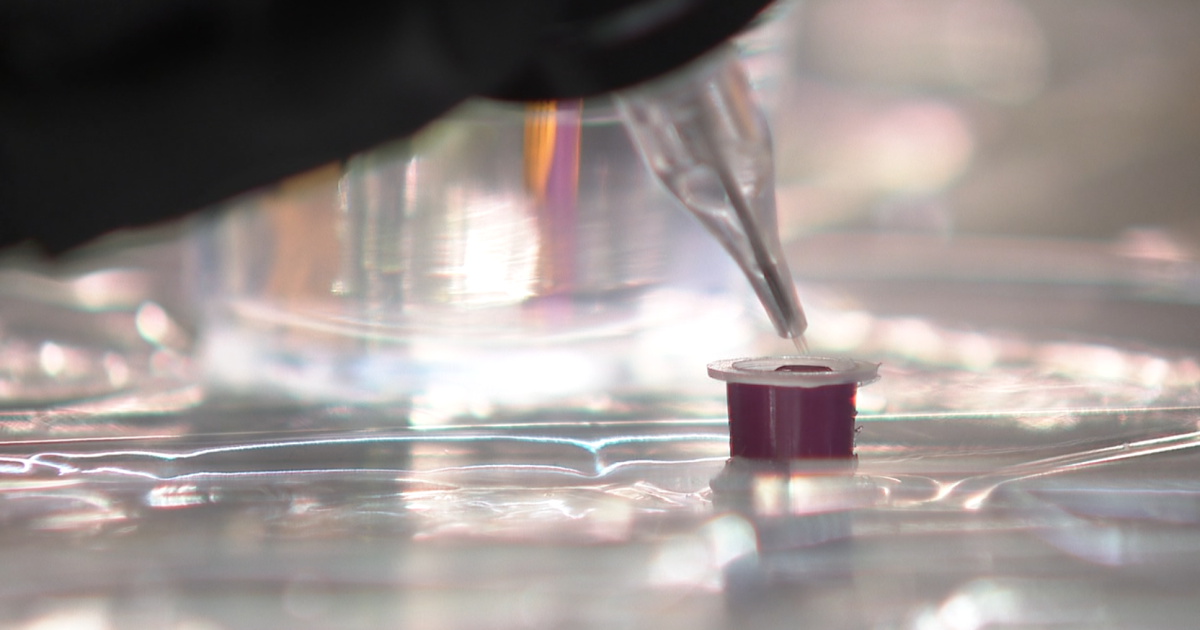
An assistant professor from the University of Colorado at Boulder has developed Magic Ink, a tattoo ink that can be turned on and off using different types of light. The ink, which replaces standard tattoo ink nanoparticles with lab-built nanoparticles, can be activated with UV light and deactivated with bright white light or sunlight. It offers a temporary tattoo option for those who are less committed and could also benefit cancer patients who want to remove the small alignment tattoos they receive during radiation therapy. Magic Ink is in the process of commercialization and has been tested on over 50 people.

China's Space Program Faces New Challenges: Tiangong Space Station and GSSAP Threats
space2 years ago

China's Space Program Faces New Challenges: Tiangong Space Station and GSSAP Threats

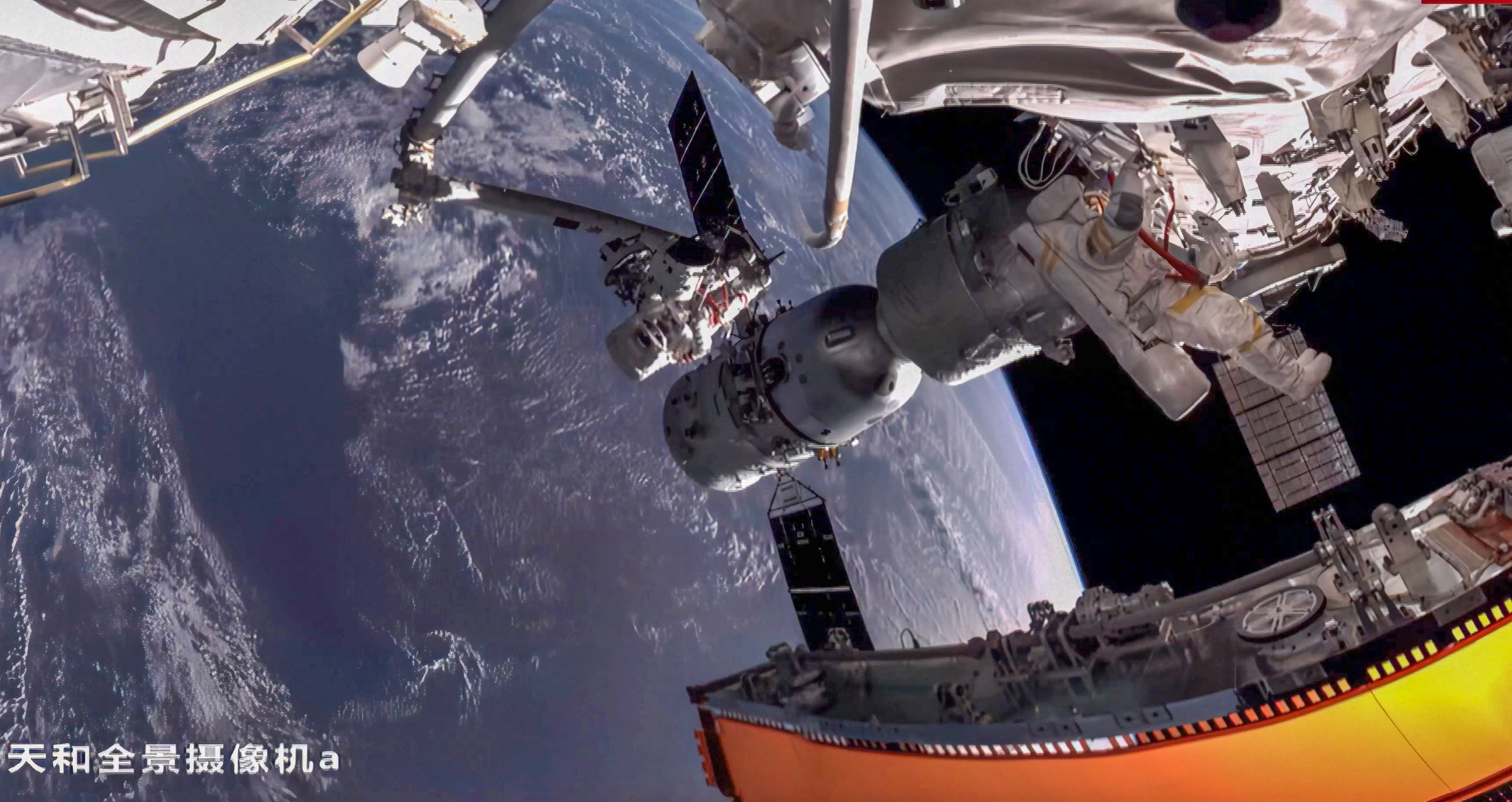
Trends in China's utilization of the Tiangong space station, such as involving civilian astronauts and non-state-owned enterprise companies, could change the global perception of China's space program, according to a report from the Department of the Air Force's China Aerospace Studies Institute. This could lead to improved standing in joint programs with the United Nations and potentially encourage the European Space Agency to reassess its decision to not participate in the Tiangong program. The development of commercialization efforts and the solicitation for non-state-owned enterprise proposals for resupply vehicles will also impact the long-term development of China's space program and global perception of it. These changes may bring greater transparency and outside assessments, but the independence of Chinese commercial companies from state-owned entities and PLA influence will be a factor. Additionally, Tiangong could be seen as a competitor to commercial ventures engaged in the International Space Station, while China and the U.S. seek partners for their respective lunar programs.

"Macabre Twist: Barbie Mania Sweeps Latin America"
culture2 years ago

"Macabre Twist: Barbie Mania Sweeps Latin America"

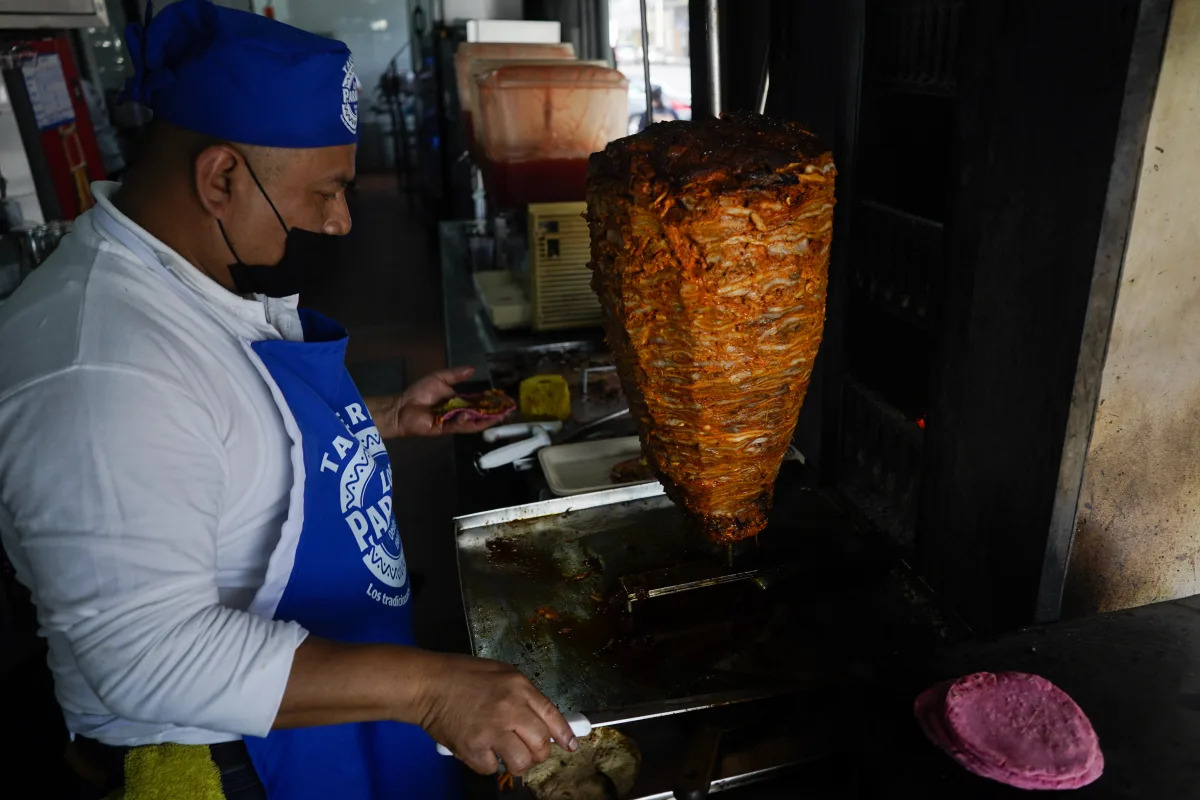
Barbie mania has taken Latin America by storm, with pink-colored tacos, pastries, and even commercial planes bearing the Barbie logo. However, the phenomenon has also taken on a darker, macabre tone. In Peru, anti-government protesters dressed up women as Barbies in giant boxes labeled "Barbie Dictator" and "Genocidal Barbie" to protest the current administration. Meanwhile, Barbie-themed goods are being sold throughout the region, and even political figures are using Barbie imagery in their campaigns. However, there is a darker side to this trend, as one Barbie doll has been transformed into a "Searching Mother" to raise awareness about the plight of missing persons in Mexico.

ESA Advances In-Orbit Servicing Missions
space-technology2 years ago

ESA Advances In-Orbit Servicing Missions

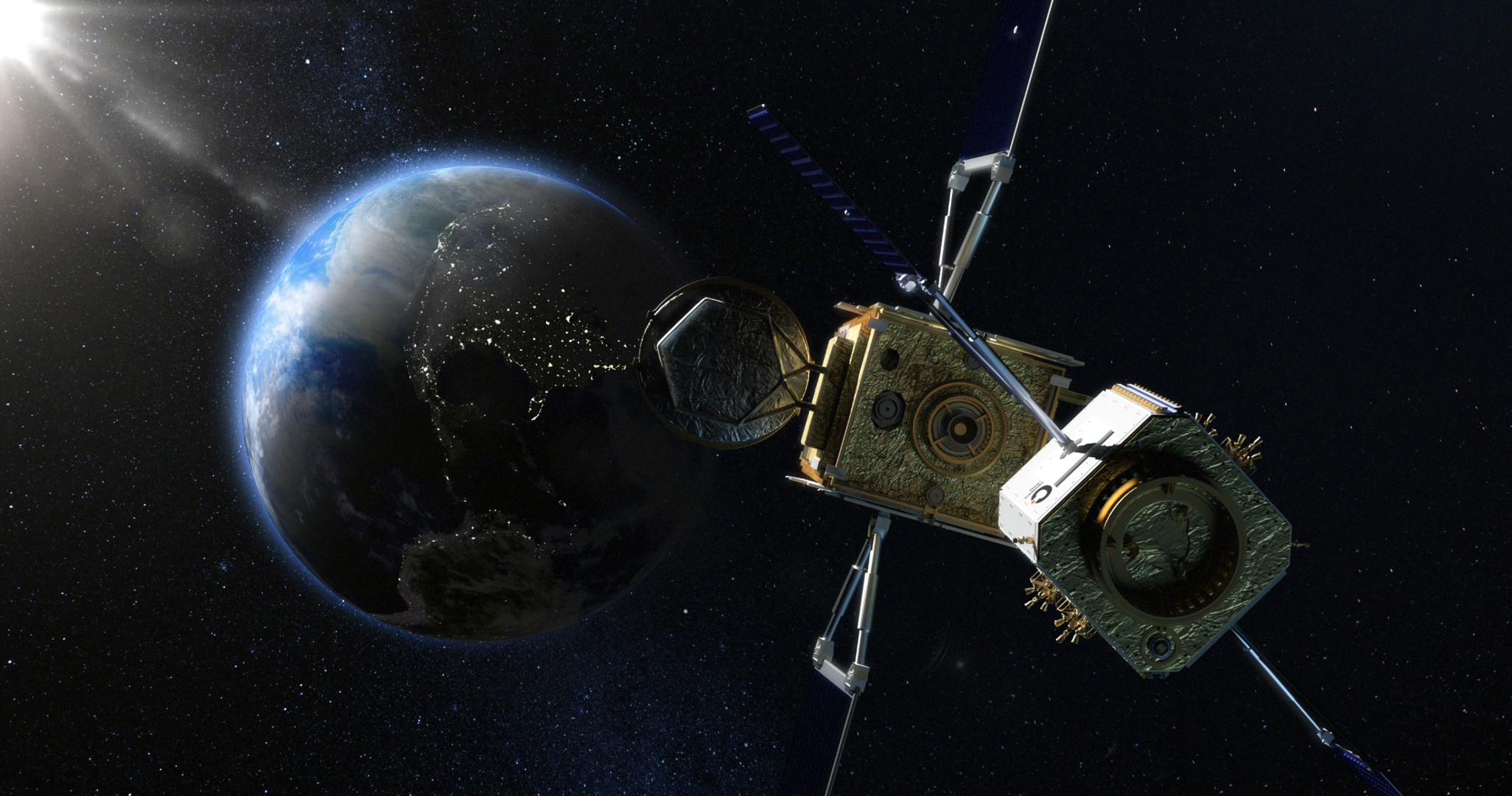
The European Space Agency (ESA) is advancing its In-Orbit Servicing (IOS) missions, which aim to extend the life and functionalities of satellites already in orbit. ESA has invited industry partners to outline their vision for Europe's first IOS mission, with funding provided to mature their ideas. The telecommunications industry is particularly interested in life extension services, including orbital maintenance and fuel replenishment. Three of the four proposals came from "New Space" companies, and ESA's Space Safety program plans to move forward with two of the proposed missions, with the goal of making IOS a common procedure by the early to mid-2030s.

FDA Approves BioMarin's Gene Therapy Roctavian for Hemophilia A
healthcare2 years ago

FDA Approves BioMarin's Gene Therapy Roctavian for Hemophilia A

The FDA has approved BioMarin's gene therapy, Roctavian, for the treatment of hemophilia A, following a turbulent regulatory journey that included a surprise rejection in 2020 and a review extension earlier this year. BioMarin aims to commercialize Roctavian and hopes it will become a key blockbuster drug, potentially doubling the company's revenues to $4 billion to $5 billion by the middle of the decade. The list price for the therapy has not been disclosed yet.

The Rise and Fall of Indoor Climbing's Boondoggle
sports2 years ago

The Rise and Fall of Indoor Climbing's Boondoggle

The growth of indoor climbing gyms has transformed the sport into a booming industry, but it has also led to concerns about the loss of its original culture and focus on intentional training. While gyms have become more welcoming and diverse, they have also become more expensive and monetized. The increasing financial barriers and competitive marketplace have shortened the lifespan of gyms, forcing them to cater to popular perceptions of climbing rather than preserving a valuable culture. Gym owners must balance profitability with maintaining a sense of community and understanding the needs of climbers. The article explores the changes in climbing gyms and the challenges they face in adapting to the demands of a growing market.

Toyota's Solid-State Battery EVs with Up to 932 Miles of Range Coming Soon.
automobiles2 years ago

Toyota's Solid-State Battery EVs with Up to 932 Miles of Range Coming Soon.

Toyota plans to release an electric vehicle powered by an all-solid-state battery as early as 2027, with the technology expected to more than double the car's range from a single charge. The Japanese automaker revealed the plans in a recent briefing and expects the technology to be commercialized in 2027 or 2028. Toyota aims to sell 3.5 million electric vehicles a year by 2030.