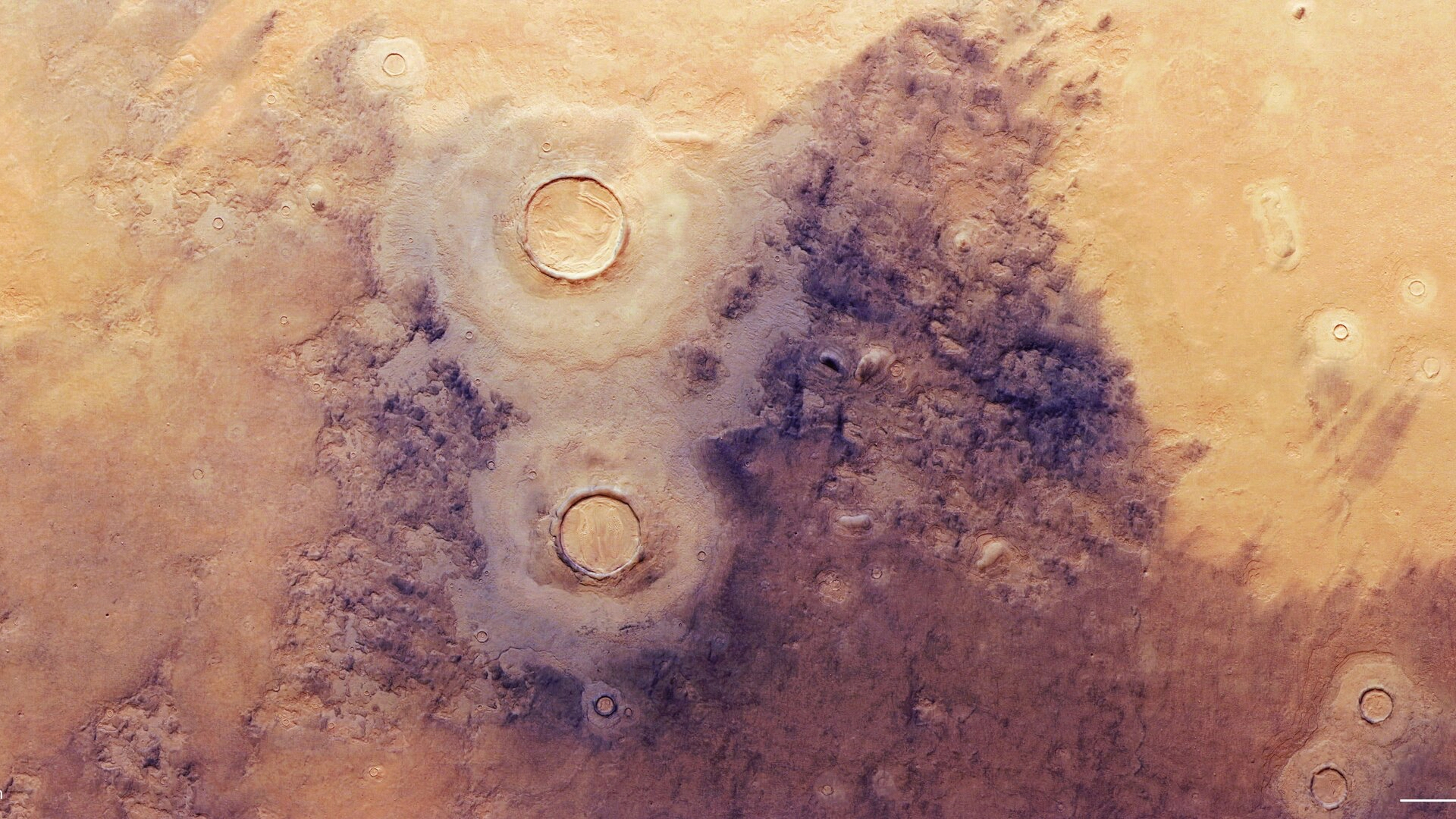
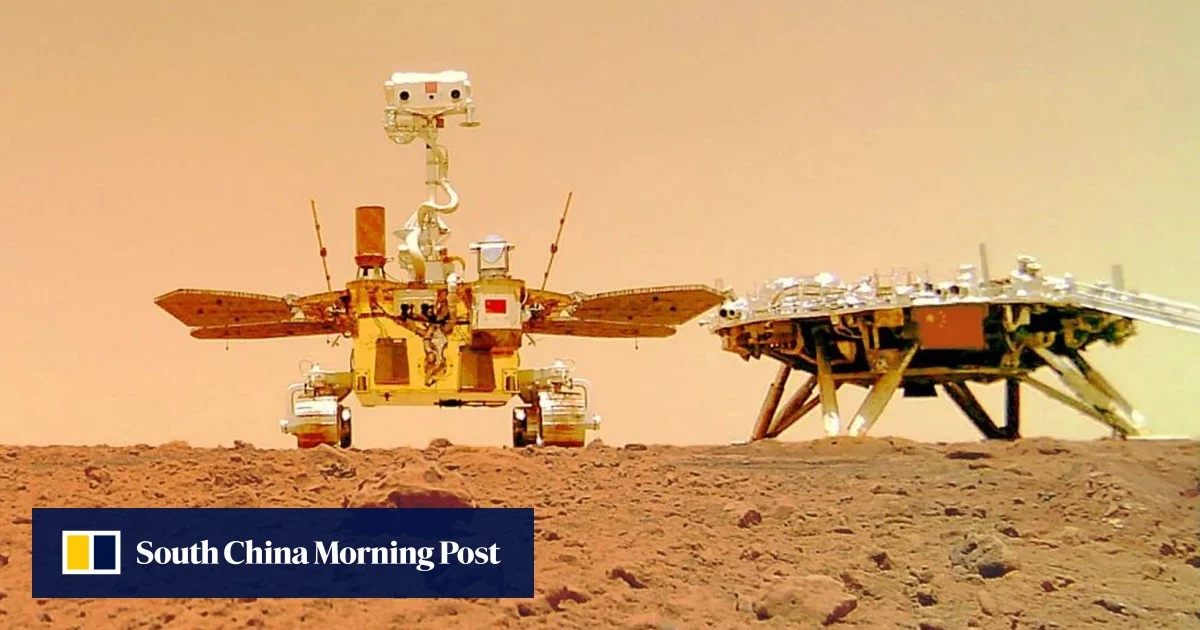
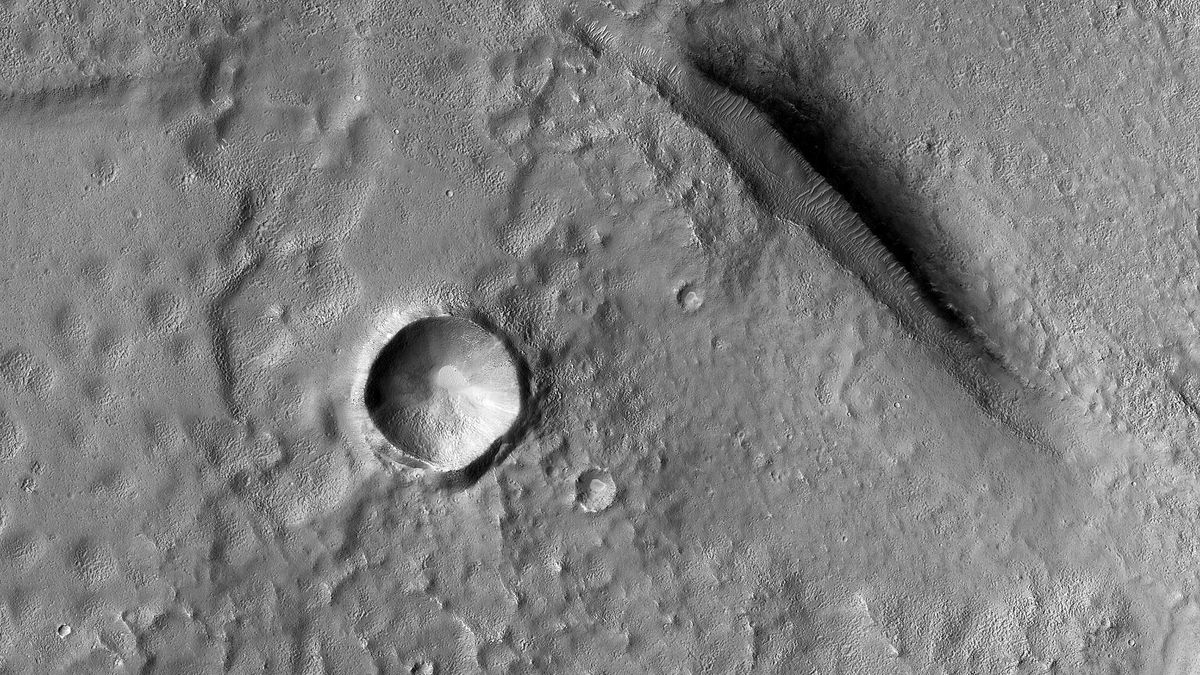
China's Zhurong rover has discovered evidence of a 3.5 billion-year-old ocean in Mars' Utopia Planitia, supporting theories of a watery past. The rover identified features like pitted cones and sedimentary deposits indicative of water activity. This finding suggests Mars' northern hemisphere once hosted an ocean that gradually receded, providing insights into the planet's early climate and geological history.
China's Mars rover Zhurong has discovered evidence of an ancient ocean on Mars, supporting theories of the planet's watery past. Research from the Tianwen-1 mission indicates that rock deposits in Utopia Planitia, a large plain in Mars' northern hemisphere, suggest the presence of a sea around 3.5 billion years ago. The study, involving Hong Kong Polytechnic University and other institutions, found sedimentary rocks and surface features indicative of past water activity, providing a probable scenario for the ocean's formation.
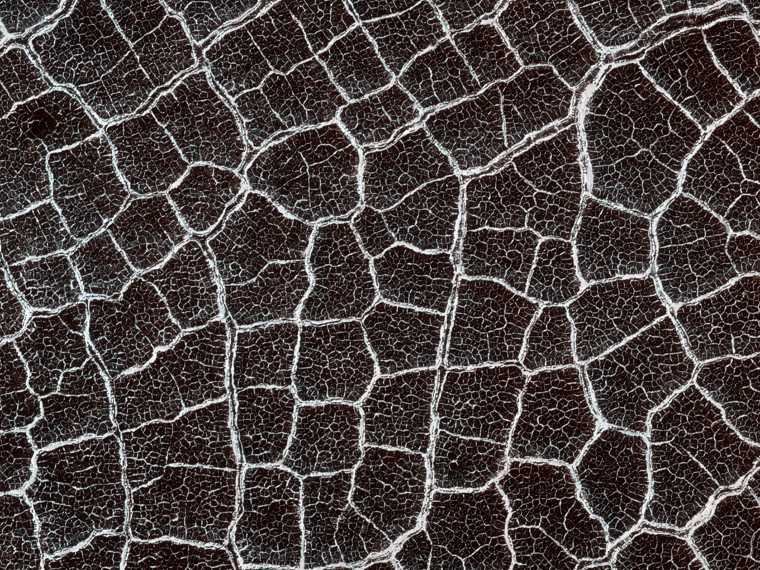
China's Zhurong rover has discovered mysterious polygons beneath Mars' surface, similar to those spotted by NASA in 2012, suggesting a long, wet period in the planet's ancient past. These features, found 35 kilometers below the surface, could indicate the presence of water and increase the likelihood of past life on Mars. The polygons, potentially formed between 3.7 and 2.9 billion years ago, may have resulted from water-related processes, such as freeze-thaw cycles. While the rover has been decommissioned, researchers believe the Utopia Planitia region remains a prime location to investigate ancient water activity on Mars.
The Chinese rover Zhurong has discovered 16 buried polygonal structures below the surface of Mars, shedding light on the planet's early atmosphere and climate. These structures, believed to have formed from a freeze-thaw cycle, were found 35 meters down in the Utopia Planitia basin and suggest that Mars may have had a higher obliquity in the past. The findings, published in Nature Astronomy, indicate a notable palaeoclimatic transformation on Mars and challenge previous assumptions about the planet's geological history.
Scientists have discovered a network of polygon-shaped cracks buried dozens of meters below the surface of Mars in the Utopia Planitia region. These crevasses, spanning 70 meters and bordered by ice and mud, suggest the presence of water and a hospitable climate on Mars billions of years ago. The patterns resemble those found near Earth's poles, indicating that Mars may have once been tilted on its axis, causing temperature fluctuations and the formation of these cracks. The discovery provides valuable insights into Mars' past and its potential for supporting life.
China's Zhurong rover, equipped with a ground-penetrating radar system, has detected irregular polygonal wedges buried beneath the surface of Mars in Utopia Planitia. These features, measuring from centimeters to tens of meters across, are believed to have formed billions of years ago due to freeze-thaw cycles or volcanic activity. The radar scans provide important local details of shallow structures and composition, complementing orbital radar explorations. The discovery suggests a wide distribution of similar terrain and indicates a significant paleoclimatic transformation on Mars.
China's Zhurong rover, equipped with a ground-penetrating radar system, has detected irregular polygonal wedges buried beneath the surface of Mars at a depth of about 35 meters. These features, measuring from centimeters to tens of meters across, are believed to have formed billions of years ago due to freeze-thaw cycles or volcanic activity. The discovery suggests a wide distribution of similar terrain under Utopia Planitia and indicates a significant climatic transformation on Mars. The rover, which successfully operated for over a year, has been in hibernation since May 2022.
China's Zhurong rover may have found evidence of liquid saline water on Mars' Utopia Planitia, suggesting that the planet may have had water on its surface as recently as 400,000 years ago. Researchers used three of the rover's instruments to sample sand dunes and found trace evidence of water from much more recently than previously discovered. The findings could overturn the notion that Mars dried up billions of years ago. The rover has been silent since May 2022, but it has continued to send valuable data back to Earth.