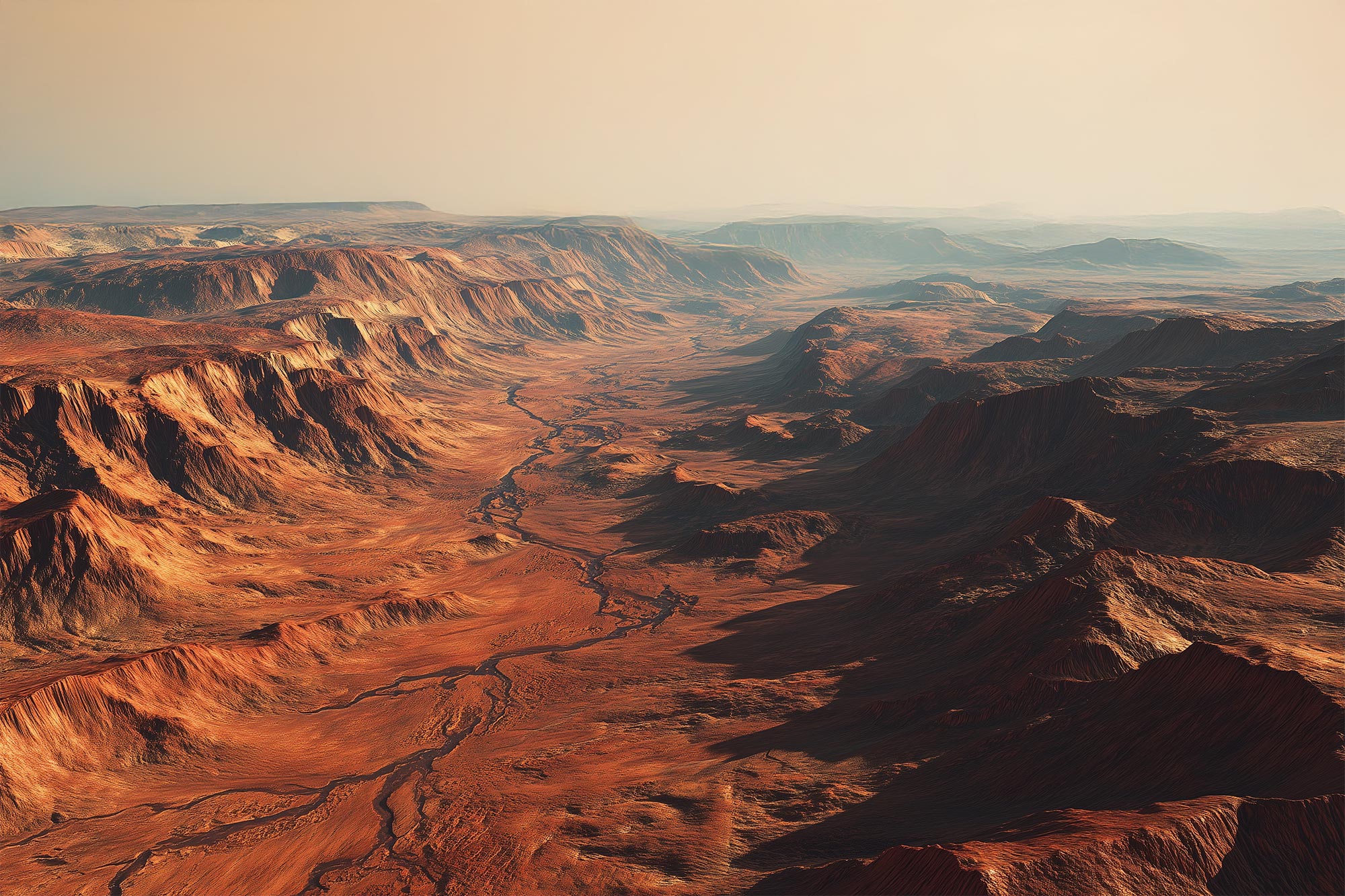
Scientists have discovered over 15,000 kilometers of fossilized riverbeds on Mars, indicating that the planet once had a warm, wet climate with rain-fed water flow, challenging previous views of Mars as cold and dry.
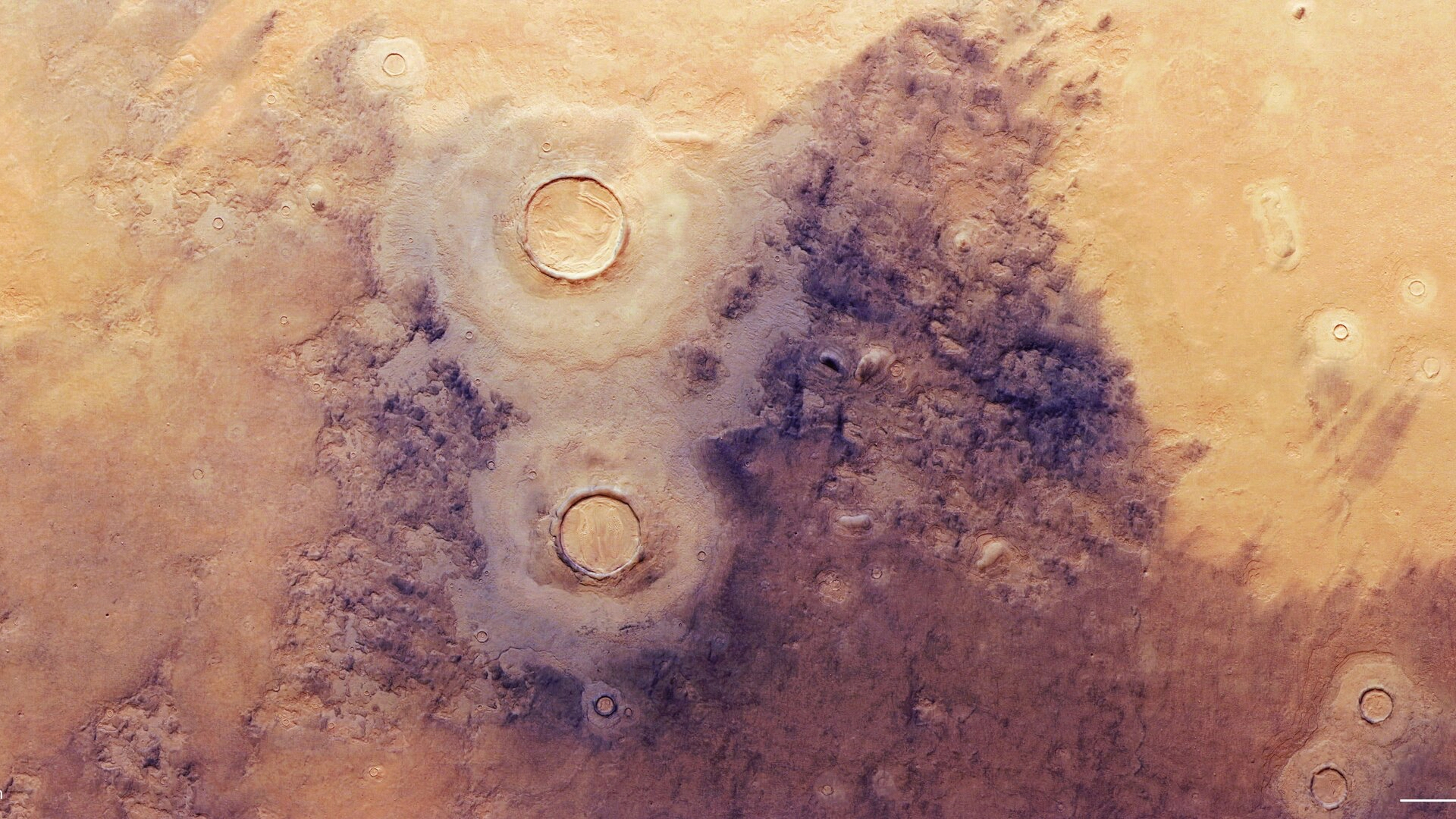
China's Zhurong rover has discovered evidence of a 3.5 billion-year-old ocean in Mars' Utopia Planitia, supporting theories of a watery past. The rover identified features like pitted cones and sedimentary deposits indicative of water activity. This finding suggests Mars' northern hemisphere once hosted an ocean that gradually receded, providing insights into the planet's early climate and geological history.
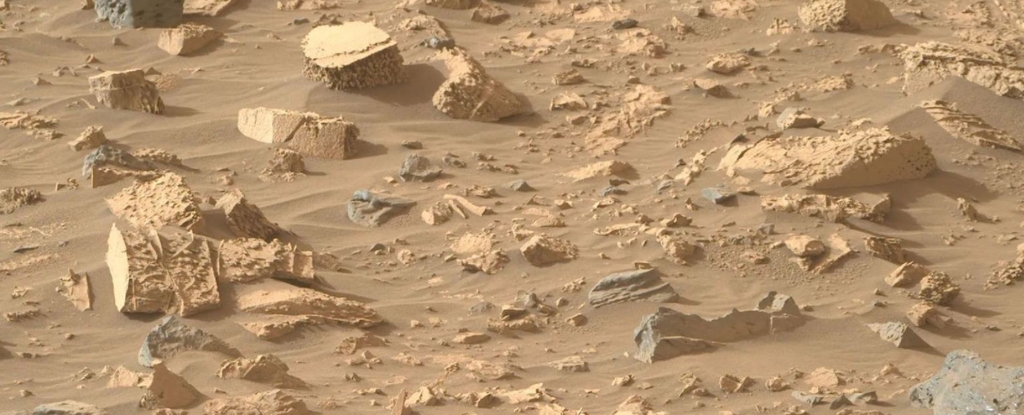
NASA's Perseverance Rover has discovered unusual 'popcorn rocks' in the Bright Angel region of Mars' Jezero Crater, suggesting past water flow. These rocks, characterized by their popcorn-like textures and mineral veins, provide further evidence of ancient water activity. Perseverance's mission focuses on finding signs of ancient life and understanding past environments that could have supported life. The rover's journey to Bright Angel was challenging due to boulder fields, but it successfully navigated through and is now analyzing the unique rocks to determine their mineral composition.