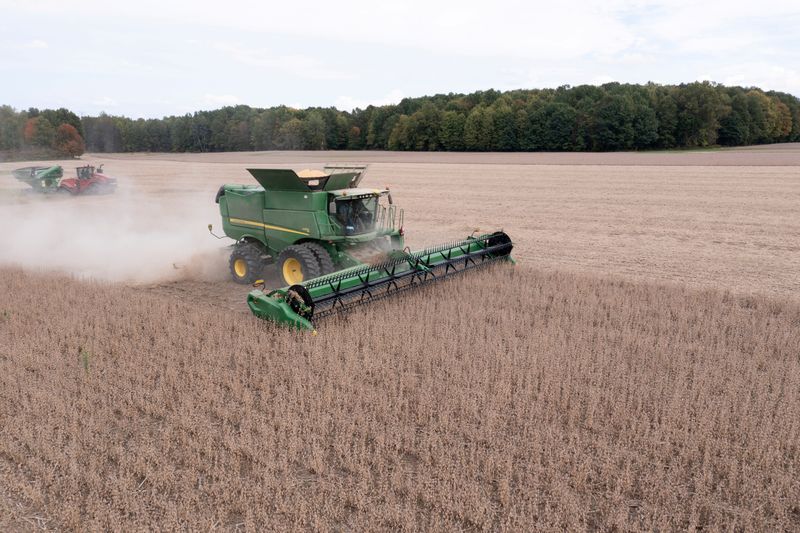
The USDA announced a $12 billion aid package for U.S. farmers, primarily distributing $11 billion in one-time payments based on crop type and acreage, with rice and cotton farmers receiving the highest per-acre payments. While intended to support farmers amid low crop prices and trade disruptions, soybean farmers argue the aid is insufficient to cover their losses, highlighting ongoing challenges in the agricultural sector.
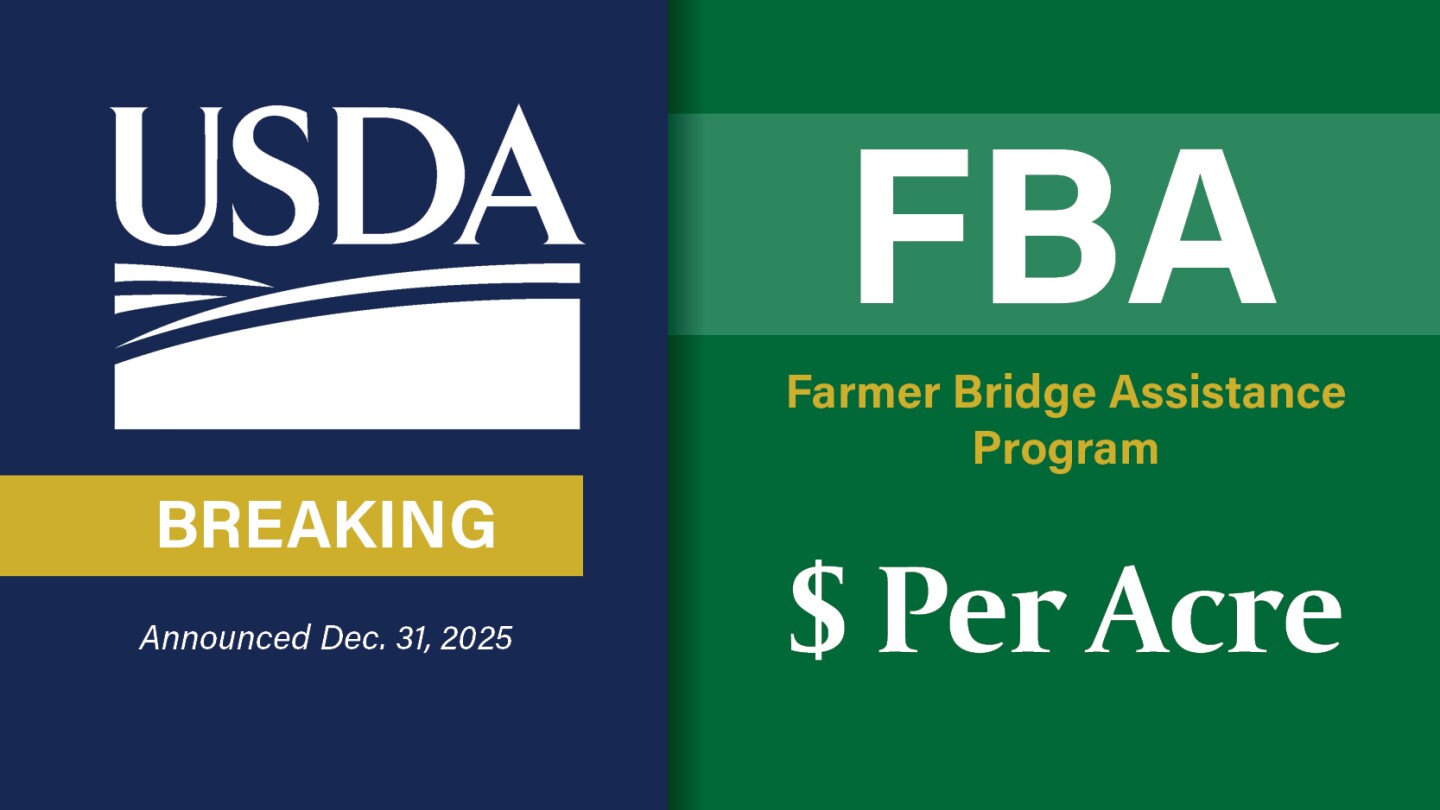
The USDA announced the Farmer Bridge Assistance program rates for 2025, with rice and cotton receiving the highest per-acre payments, as part of an $11 billion effort to support farmers affected by trade disruptions. The payments aim to bridge the economic gap for farmers, but critics view them as insufficient and temporary solutions amidst ongoing agricultural challenges.
The USDA announced the next phase of the Farmer Bridge Assistance Program, providing $12 billion in payments to American farmers in 2026, with $11 billion as one-time payments based on 2025 crop data, to support farmers amid economic challenges. Payments vary by commodity, and the program aims to offer relief and stability for farmers planning for the upcoming planting season.
Nearly 3,000 pounds of ground beef across six states were recalled due to possible E. coli contamination, with no confirmed illnesses reported. Consumers are advised to dispose of or return the product and practice proper hygiene to prevent infection.
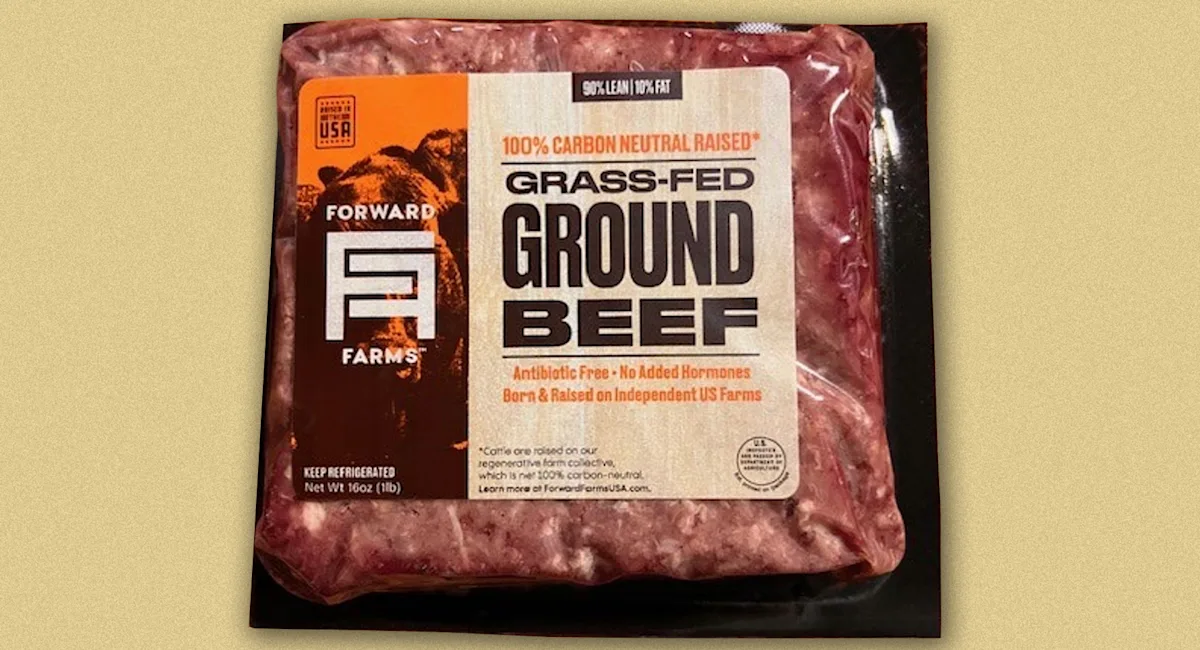
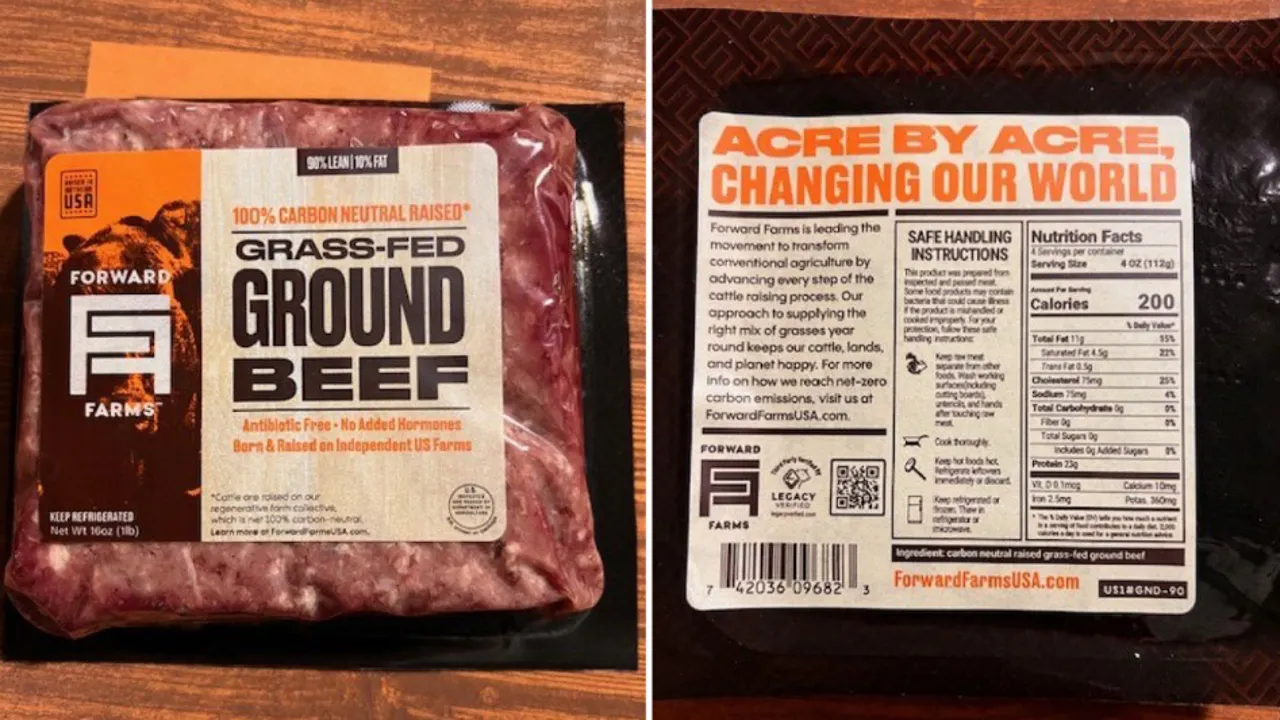
An Idaho-based company is recalling nearly 3,000 pounds of ground beef sold in six states due to potential E. coli contamination, with no reported illnesses so far. Consumers are advised to discard or return the product, which is labeled 'Forward Farms' with a use-by date of 01/13/26.
Grass-fed ground beef distributed in six states has been recalled due to potential E. coli O26 contamination, with no confirmed illnesses reported. Consumers are advised to discard or return the affected products, which were shipped to California, Colorado, Idaho, Montana, Pennsylvania, and Washington.
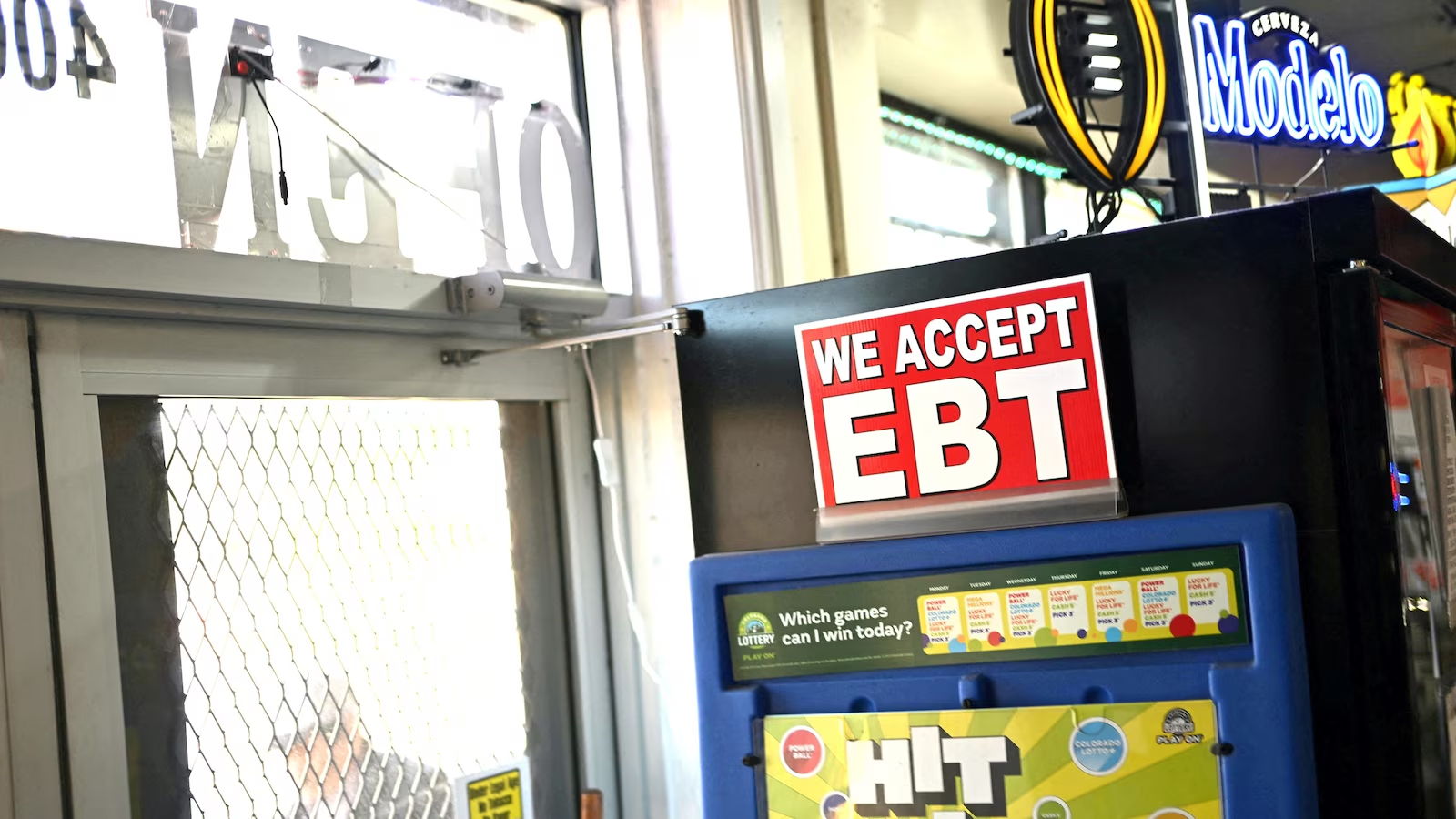
RFK Jr. advocates for banning junk food in states, but there is confusion and logistical challenges in defining what foods are banned under SNAP, leading to concerns among retailers and beneficiaries about enforcement and fairness. States like Utah, Indiana, and others are implementing bans with limited guidance, causing operational difficulties and uncertainty about compliance.
Maître Saladier Inc. in Quebec is recalling about 6,000 pounds of Lorraine Quiche containing pork that were not reinsured upon import into the US, with no reports of illness so far. The products, produced in April 2025, were shipped to several US states and do not bear a USDA inspection mark. Consumers are advised not to eat the products and to dispose of or return them. The recall was initiated after routine surveillance detected the issue, and FSIS is verifying that the products are removed from the market.
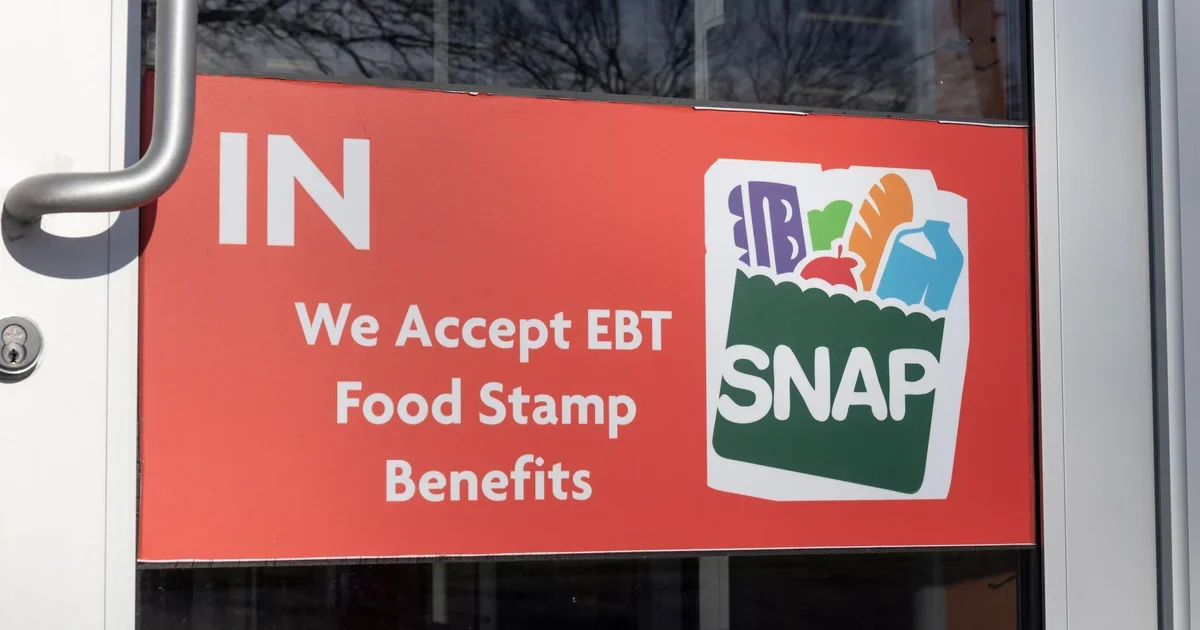
SNAP benefits are expected to resume quickly after the end of the government shutdown, with most states able to distribute benefits within 24 hours, although the timeline may vary by state due to administrative processes. The shutdown caused delays and partial payments for millions of Americans relying on food assistance, but the new legislation will restore full benefits for November and reimburse states for their expenses.
The Supreme Court extended Justice Jackson's stay on a lower court order requiring the Trump administration to pay full SNAP benefits for November, maintaining the status quo amid ongoing government shutdown negotiations, with the court not providing a detailed explanation for its decision.
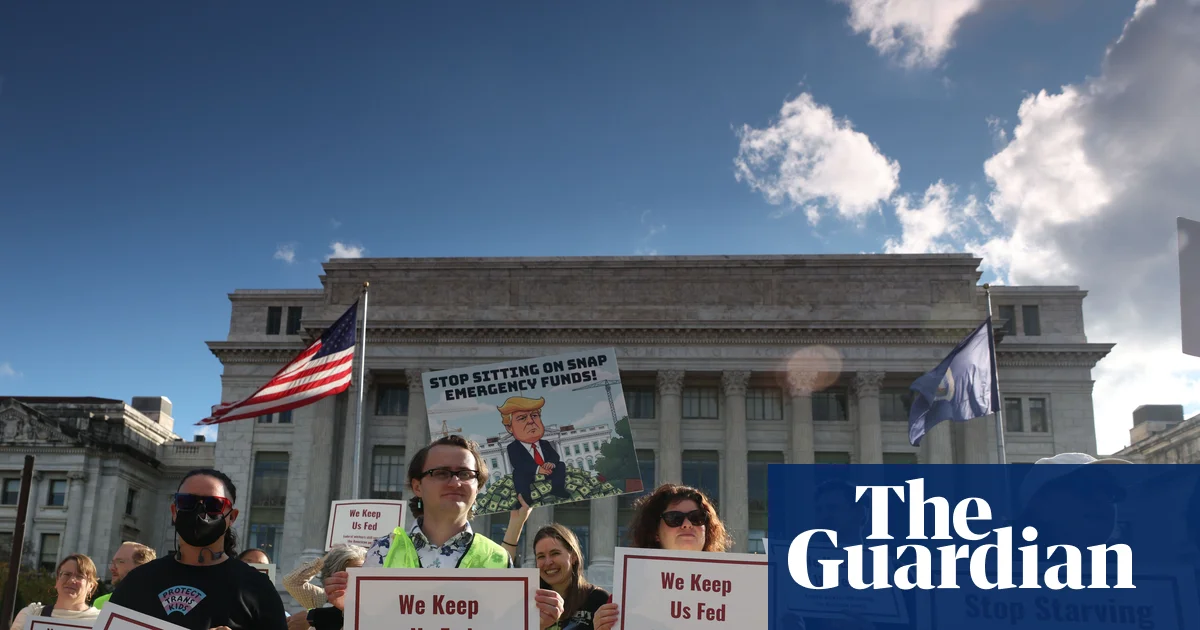
The Trump administration is continuing to seek a Supreme Court stay to block full funding of November SNAP benefits amid a government shutdown, despite courts ruling in favor of full payments to support millions of Americans relying on food assistance programs.
The Trump administration is seeking a Supreme Court stay to limit SNAP benefits to partial payments, citing funding concerns, while states and courts respond with conflicting rulings and support for full benefits amid ongoing legal battles.
The US Department of Agriculture has instructed states to undo full SNAP benefits issued following a Supreme Court order that temporarily halted a lower court's mandate for full payments, leading to confusion and criticism from state officials and politicians amid the ongoing federal government shutdown.
The Trump administration has ordered states to immediately reverse any actions taken to provide full SNAP benefits for November 2025, following a Supreme Court stay on a lower court's order to pay benefits in full, with the USDA emphasizing the need to undo any unauthorized payments.
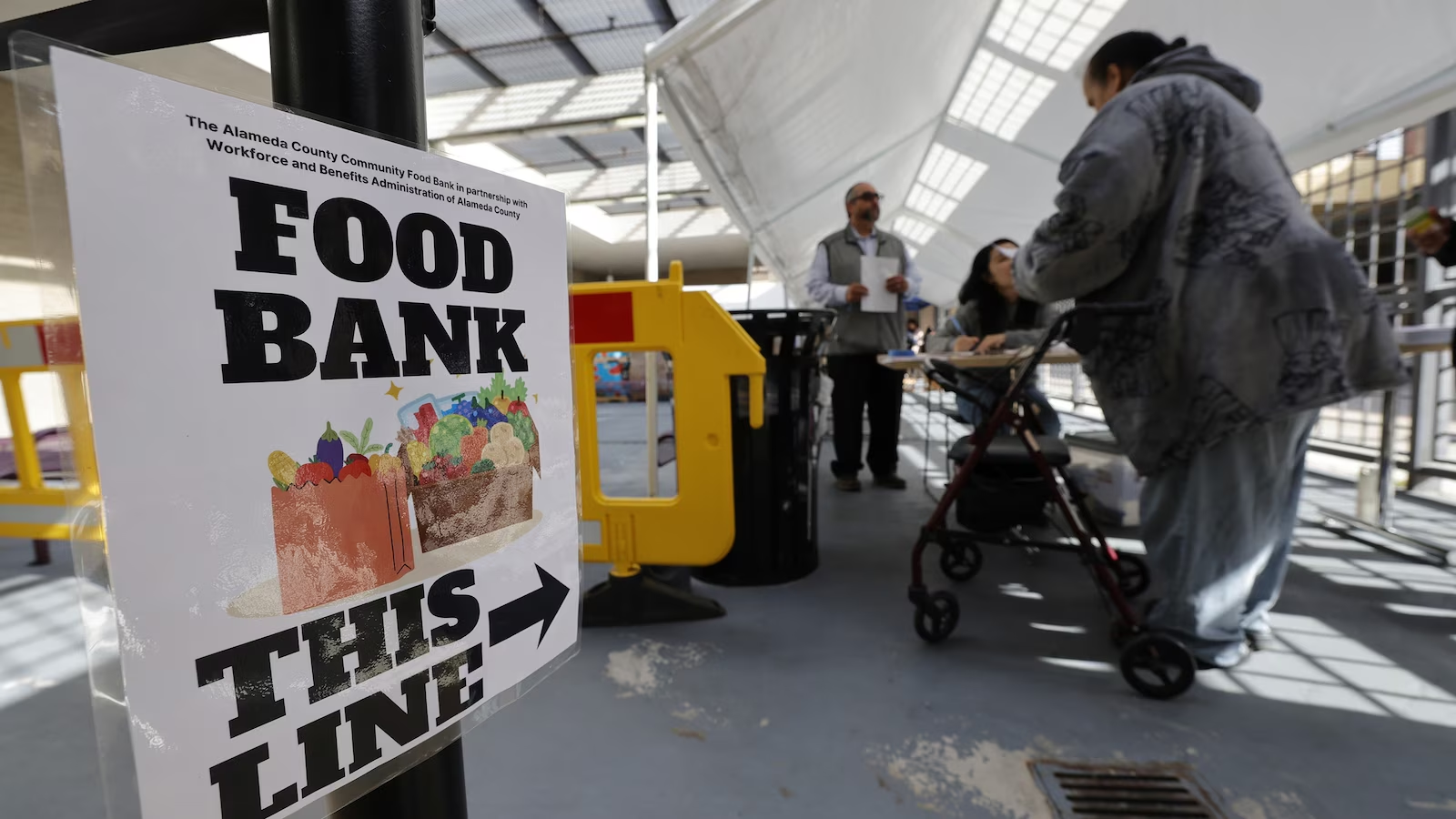
The USDA has announced it will fully fund SNAP food benefits for over 42 million Americans, ending a prolonged government shutdown impact that had threatened to cut off food assistance for millions, including children, amid legal disputes and political tensions.