The US Federal Reserve begins its two-day policy meeting amid expectations of a 25 basis-point interest rate cut, with increased political pressure from the White House and recent appointments influencing its independence. Markets are largely in a wait-and-see mode, while UK and US economic data, including labor and retail figures, are also in focus. The Fed's decision and political developments are shaping investor sentiment and market movements.

Asian stocks reached record highs following Wall Street's new peaks, amid expectations of a Federal Reserve interest rate cut this week, with markets closely watching US retail sales data and Fed forecasts, while geopolitical and economic developments continue to influence investor sentiment.
US retail sales declined by 0.9% in May, the largest drop in two years, largely due to tariff-related uncertainty causing a frontloading of purchases earlier in the year, especially in autos. While core retail sales showed some resilience, economists warn of a potential slowdown as tariffs impact disposable incomes and consumer behavior in the coming months.
This week in markets features the Fed's interest rate decision, key US economic data including retail sales and housing starts, and a potential Tesla robotaxi launch, amid geopolitical tensions in the Middle East and a holiday break for Juneteenth.
October retail sales in the U.S. exceeded expectations with a 0.4% monthly increase, driven by a rebound in electronics spending. This growth, the highest since July 2024, indicates resilient consumer spending ahead of the presidential elections. However, excluding motor vehicles and parts, sales rose only 0.1%, missing expectations. The Federal Reserve's potential rate cut expectations decreased after Chair Jerome Powell's comments on the economy's strength, suggesting a pause in rate cuts.
US stocks reached all-time highs following unexpectedly strong retail sales, suggesting economic resilience as inflation eases and the Federal Reserve nears potential rate cuts. The S&P 500 rose 0.3%, driven by positive corporate earnings and robust demand in sectors like artificial intelligence. Treasury yields adjusted slightly, and key financial institutions reported mixed results. The market's performance reflects optimism that the economy has weathered the worst of the Fed's policy tightening.
US retail sales excluding autos rose by 0.4% in June, the highest increase in three months, indicating stronger consumer spending at the end of the second quarter. Total retail sales remained unchanged due to a 2% decline in auto dealership receipts. The figures are not adjusted for inflation.
Strong US retail sales data caused a market reaction, shaking the bond and currency markets as investors anticipated a potential shift in Federal Reserve policy. The surge in retail sales exceeded expectations, leading to concerns about inflation and the possibility of an earlier-than-expected interest rate hike by the Fed.
US retail sales rose 0.7% in March, surpassing expectations, with core retail sales jumping 1.1% and February sales being revised up. This, along with robust employment gains and a pick-up in consumer inflation, has led to an increase in first-quarter GDP growth estimates. Economists at Morgan Stanley raised their GDP growth estimate to 2.7% from 2.4%, and it is now expected that the Federal Reserve may delay cutting interest rates until September. Despite higher inflation and borrowing costs, consumer spending remains resilient, particularly among lower-income households benefiting from wage gains and a strong labor market. Online sales, gasoline station receipts, and food services and drinking places contributed to the increase in retail sales, while some areas like motor vehicles, furniture, and clothing saw declines.
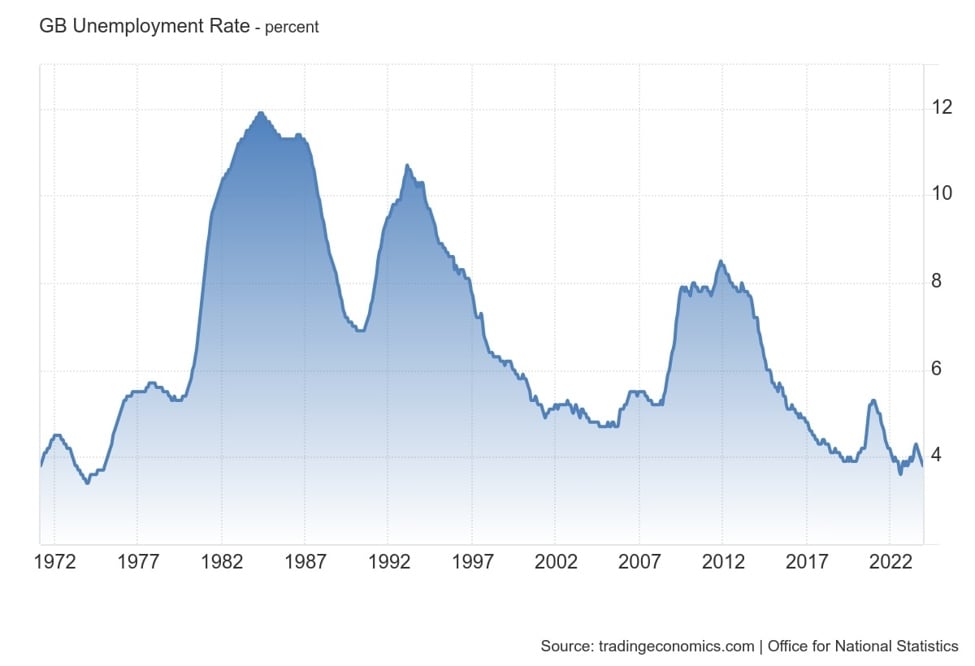
This week's market outlook includes key events such as UK unemployment rate and average earnings, US CPI and PPI reports, US retail sales, jobless claims, and the PBoC MLF rate decision. Weak UK wage growth may prompt rate cut expectations, while US data could influence rate cut expectations. Additionally, the PBoC is expected to keep the MLF rate unchanged amidst better-than-expected Chinese inflation data.
Wall Street stocks closed lower as upbeat US retail sales data in December reduced expectations for an early rate cut by the Federal Reserve. The S&P 500 fell to its lowest in over a week, with Amazon, Nvidia, and Alphabet weighing on the index. Tesla dropped 2% after cutting Model Y prices in Germany, while the S&P 500 real estate sector tumbled 1.9%. Traders' expectations of a 25-basis-point Fed rate cut in March dipped to 55% after the data release. The CBOE Market Volatility Index rose to an over two-month high, and the S&P 500 remains down about 1% from its record high close in January 2022.
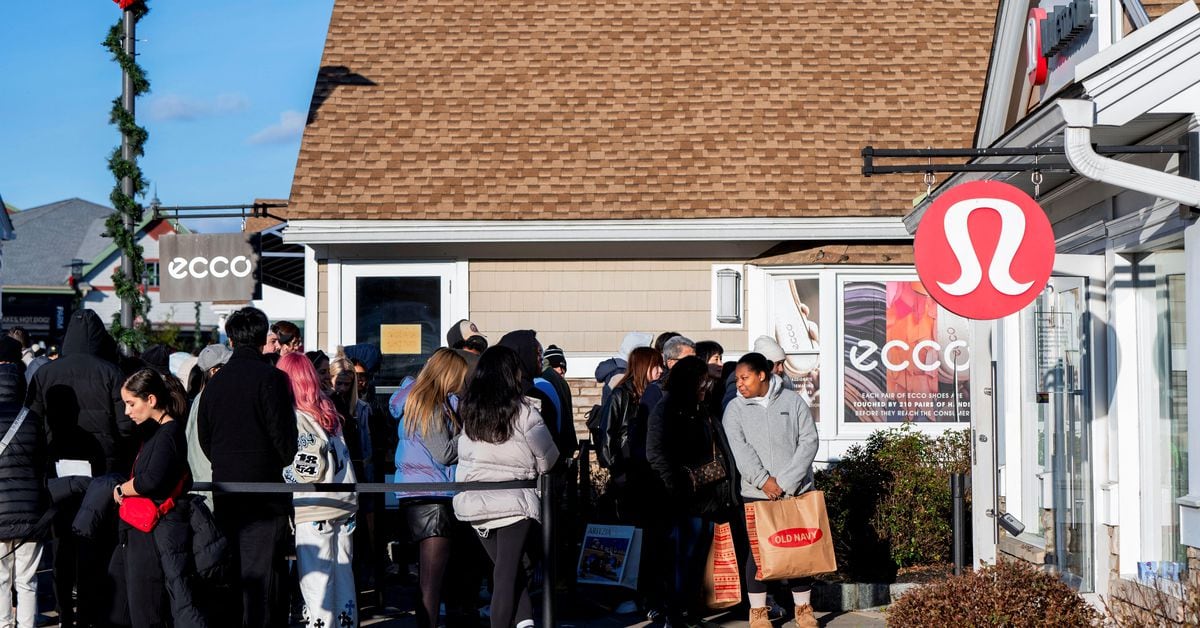
US retail sales on Black Friday, excluding automotive, rose 2.5% year-over-year, with e-commerce sales increasing by 8.5% and in-store sales increasing by 1.1%, according to Mastercard Spendingpulse. Online shoppers spent $9.8 billion during Black Friday, in line with expectations.
US retail sales fell 0.1% in October, marking the first decline since March, as Americans faced higher borrowing costs and increased credit card debt. The drop was driven by a decrease in sales of big-ticket items such as cars and furniture, while spending at restaurants and supermarkets remained steady. The Federal Reserve's efforts to combat high inflation through interest rate hikes may have contributed to the decline, but the modest decrease suggests no severe economic weakness at this time.
In the week ahead, investors will be closely watching the earnings season, with major U.S. companies such as Tesla, Bank of America, and Goldman Sachs reporting their results. U.S. retail sales data for September will provide insight into consumer spending, while Federal Reserve Chairman Jerome Powell's speech and appearances by several regional Fed presidents will be closely monitored. Oil prices surged due to escalating conflict in the Middle East and U.S. sanctions on Russian oil shipments. Economic data from China will shed light on the country's recovery, and the U.K. will release inflation and jobs reports ahead of the Bank of England's November meeting.
US retail sales increased more than expected in July, driven by online purchases, dining out, and spending on hobbies, sporting goods, and clothing. The strong retail sales figures suggest that the US economy is continuing to expand in the third quarter, keeping a recession at bay. Economists at Goldman Sachs raised their GDP tracking estimate for the third quarter, citing resilient consumer spending. Despite the strong sales, economists do not expect the Federal Reserve to raise interest rates next month due to retreating inflation. The report also showed that import prices rebounded in July, but underlying imported inflation remained subdued. Overall, the report indicates that the US economy remains resilient, but there are concerns that spending could slow down towards the end of the year.