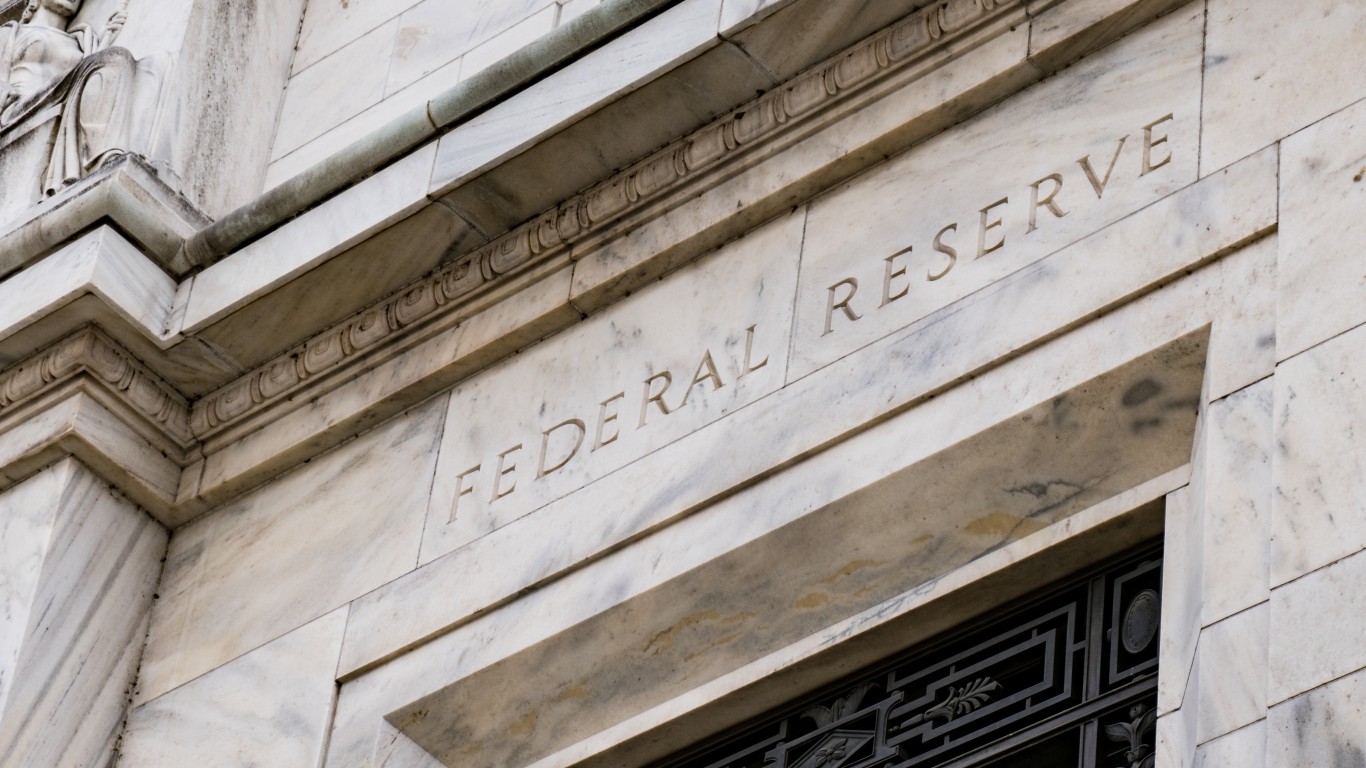
The December interest rate cut by the Federal Reserve was a close call, with significant divisions among officials over whether to cut or hold rates, influenced by concerns over a weak job market and persistent inflation, amid delayed economic data due to a government shutdown.

The Bank of England narrowly voted to cut interest rates by 25 basis points to 3.75%, marking the fourth cut in 2025, to support consumers amid softening economic data and inflation easing. The decision was closely contested, with some policymakers concerned about inflation remaining above target. The rate cut is expected to benefit borrowers but may reduce returns for savers, and further easing could occur in early 2026 depending on economic conditions.
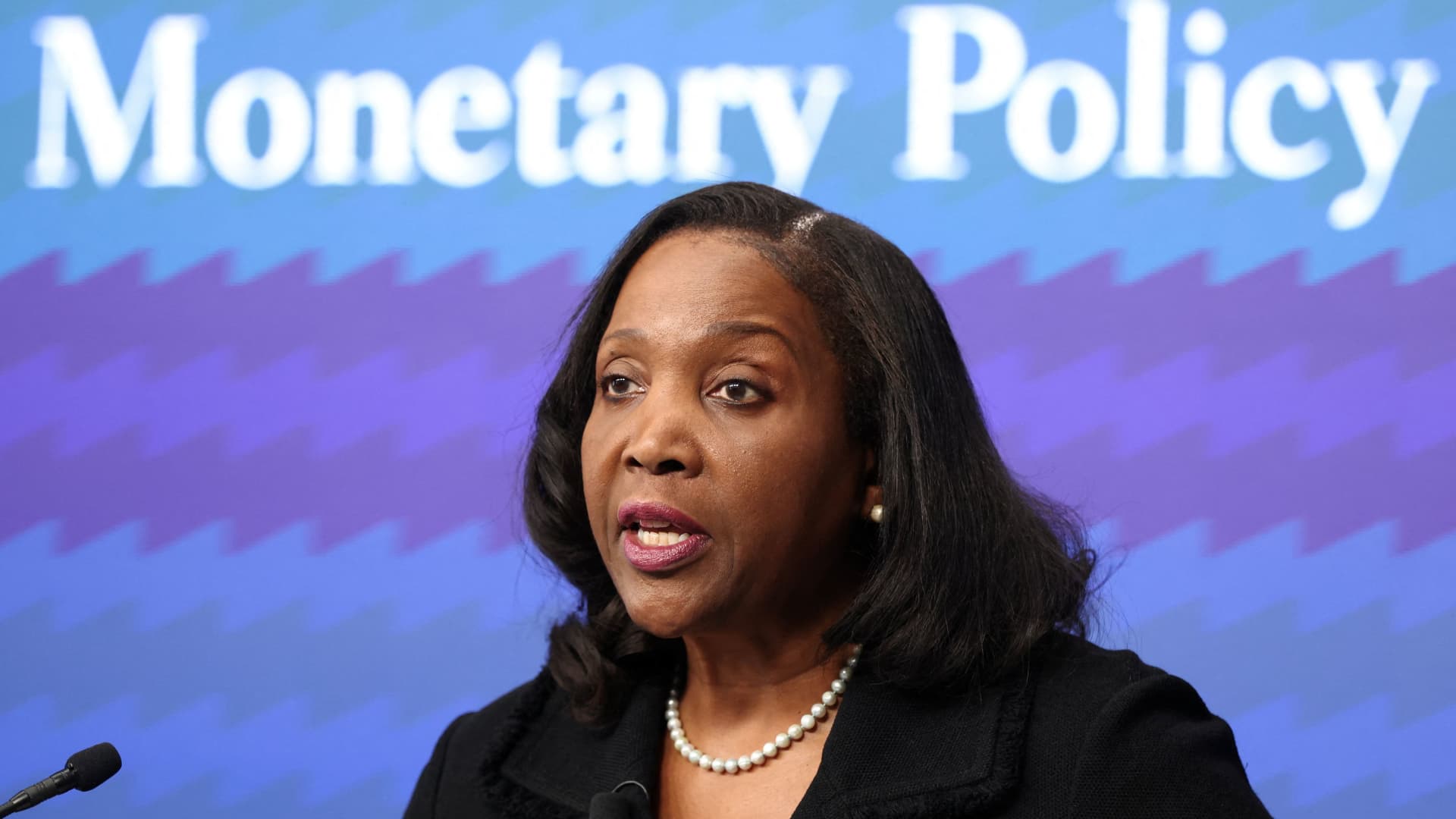
Federal Reserve Bank of Boston President Susan Collins supported the recent 25 basis point rate cut, citing a shift in inflation risks and a less likely scenario of rising inflation, though she considered the decision a close call. She emphasized the need for clearer inflation outlook before further policy adjustments.
The Federal Reserve's recent rate cut may lead to a lower Cost of Living Adjustment (COLA) for Social Security retirees in 2027, as lower inflation projections suggest smaller benefit increases, potentially impacting retirees' purchasing power.
US stock futures are modestly higher amid expectations of an interest rate cut, supported by dovish Fed remarks and political developments. Bitcoin and other cryptocurrencies are rebounding, with Bitcoin surpassing $93,000. Economic data releases, including ADP employment figures and ISM services, are influencing market sentiment, while currency markets react to inflation data.
Federal Reserve Governor Lisa Cook expressed support for the recent interest rate reduction and indicated openness to more, emphasizing a data-dependent approach amid economic risks and ongoing court battles related to her employment status, with her stance reflecting cautious optimism about the economy's trajectory.
Stock market ETFs SPY and QQQ rose as President Trump considered reducing China tariffs, but expectations for a rate cut faltered amid uncertain economic signals.
Despite the Federal Reserve cutting its benchmark interest rate, mortgage rates increased by 20 basis points due to market reactions and bond market expectations, leading to a temporary rise in mortgage costs even as refinancing activity surged.
The Federal Reserve's second interest rate cut of the year, amid economic slowdown and rising inflation, is criticized by economists and politicians as being influenced by President Trump's economic policies, which are blamed for pushing the economy towards recession and increasing costs for working families.
US stocks wavered after the Fed's rate cut decision, with Powell indicating December cuts are uncertain. Nvidia hit a $5 trillion valuation amid AI boom, and major tech earnings are on the horizon, including Alphabet, Microsoft, and Apple.
Stock futures were mostly unchanged as investors awaited the Federal Reserve's interest rate decision, with major averages hitting new records recently. Expectations are for a quarter-point rate cut, and market sentiment is buoyed by easing US-China trade tensions and positive earnings reports from key companies. However, risks like high valuations and government shutdowns remain.
The Federal Reserve is expected to cut its key interest rate on Wednesday, potentially signaling another cut in December, as it aims to support hiring amid economic uncertainties caused by a government shutdown and mixed economic data. The rate cut aims to lower borrowing costs and bolster the sluggish housing market, but the Fed remains cautious due to weak job gains, elevated inflation, and limited economic data. Market expectations for another rate cut in December are high, though the Fed's future moves depend on upcoming economic indicators.
The Federal Reserve is expected to cut interest rates by 0.25 percentage points this week to support the labor market amid cooling demand and mild inflation, with further easing possible, while debates continue over communication strategies and balance sheet policies.
US stock futures rose following an agreement on a trade deal framework between US and Chinese officials, potentially avoiding a significant tariff hike, amid expectations of a Federal Reserve interest rate cut and ongoing trade tensions involving rare-earth minerals and agricultural exports.
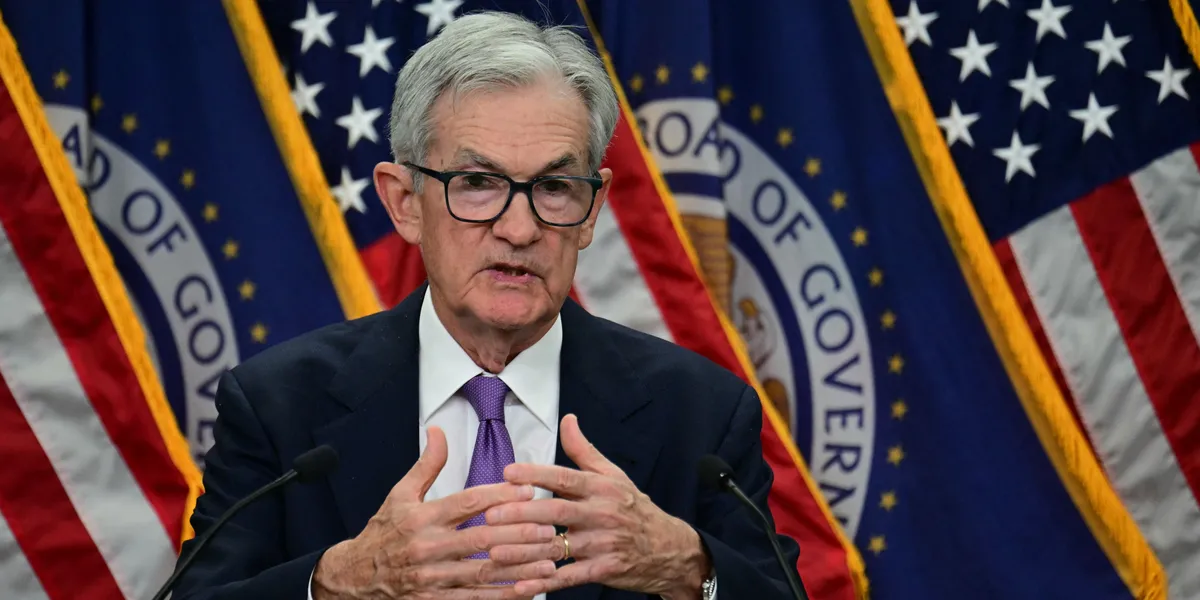
Federal Reserve Chair Jerome Powell indicated a likely quarter-point interest rate cut later in October, citing weak hiring and potential increases in unemployment, with the ongoing government shutdown complicating economic data collection and policy decisions.