U.S. Treasury Secretary Scott Bessent suggests that high interest rates have caused parts of the economy, especially housing, to enter recession, with low-end consumers hit hardest; he advocates for faster Federal Reserve rate cuts to stimulate growth, amid debates on the appropriate monetary policy stance.
Gold prices hit a record high over $3,900/oz driven by a weakening yen, bets on US rate cuts, and ongoing US government shutdown concerns, amid geopolitical and economic uncertainties.
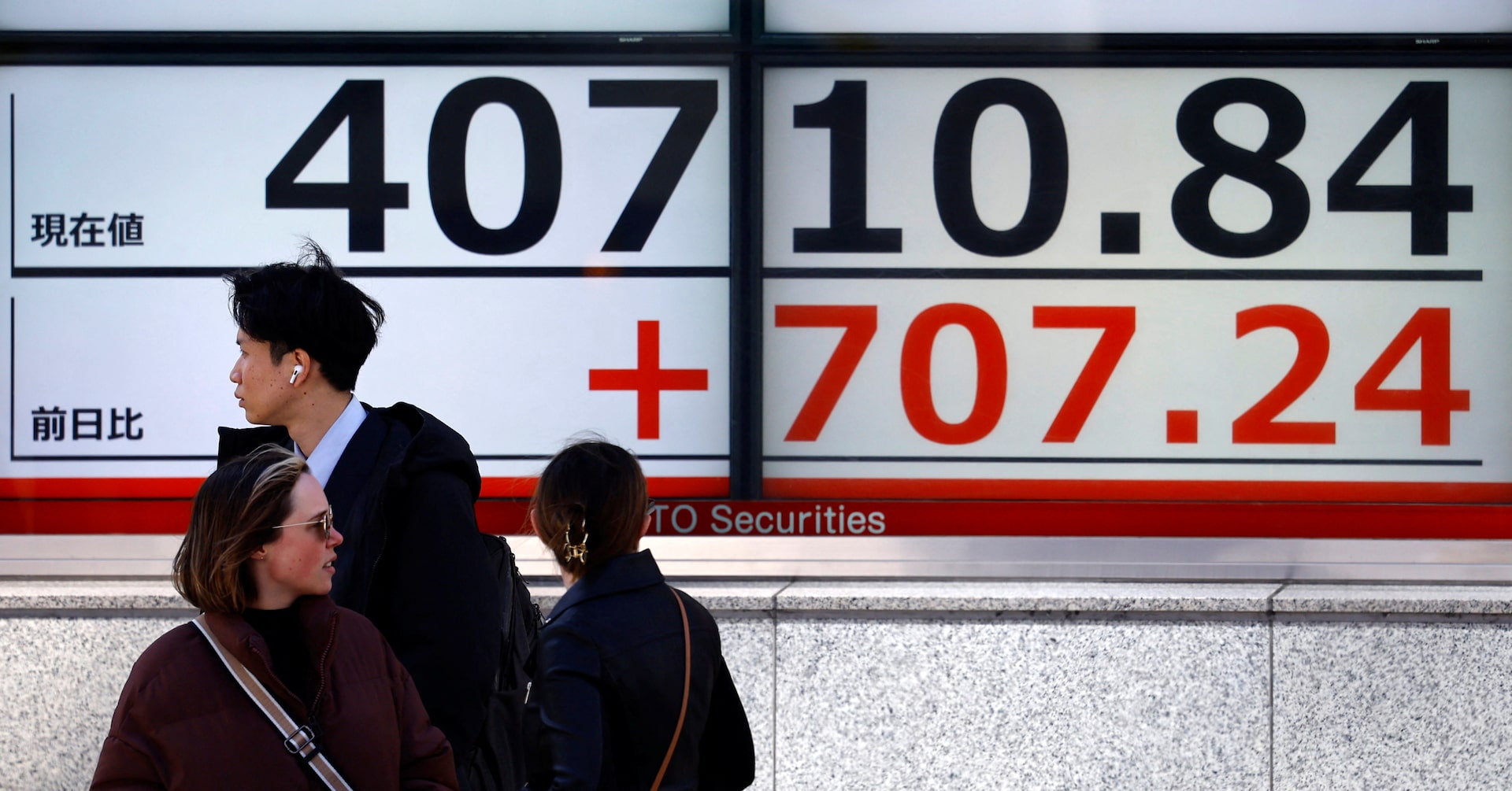
Asian stocks were mostly flat or down amid caution over US interest rate signals and a crackdown on work visas by Trump, with Chinese tech stocks retreating after recent gains and regional markets reacting to US economic data and corporate developments, including Nvidia's AI investment and Apple's iPhone demand.
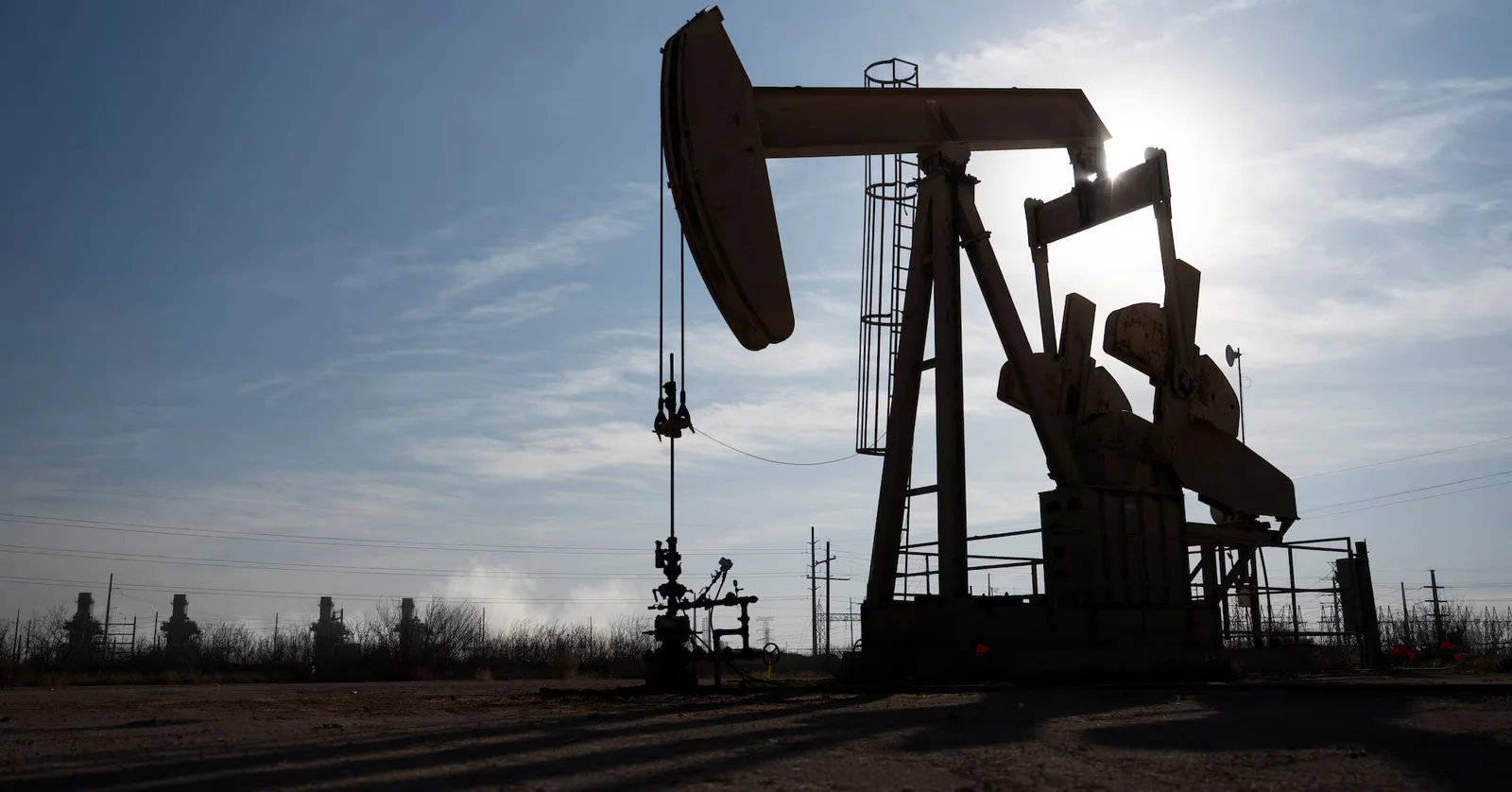
Oil prices increased following Ukraine's drone attacks on Russian energy sites, raising concerns over Russian oil supply disruptions, while expectations of a US interest rate cut supported the outlook for global demand. The attacks targeted key Russian energy infrastructure, including a nuclear reactor and fuel export terminal, and coincided with signals from the US Federal Reserve of potential rate cuts, boosting market optimism.
Asian stocks mostly remained flat or declined, with technology shares falling sharply due to weak U.S. and regional cues, including profit-taking and concerns over U.S. interest rate hikes. Japan's markets declined further from record highs amid disappointing trade data, while Chinese stocks gained on stable interest rates and positive trade prospects. The overall sentiment was influenced by global economic data, U.S.-China relations, and geopolitical developments.
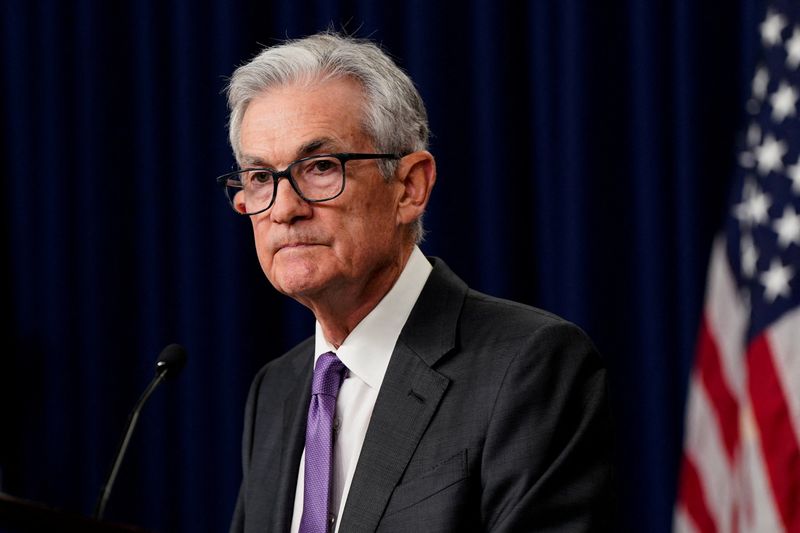
US Treasury Secretary Scott Bessent has called for a half-point interest rate cut at the upcoming Fed meeting, amid mixed inflation data and market optimism about easing monetary policy, which has driven global stock markets to record highs.
Asian stocks fell on Thursday amid uncertainty over U.S. interest rate cuts and anticipation of further stimulus measures from China. Despite positive earnings from Tencent, Chinese markets declined due to underwhelming fiscal measures from Beijing. The U.S. inflation data met expectations but remained sticky, complicating the Federal Reserve's rate outlook. Meanwhile, Australian stocks rose slightly after the RBA indicated steady rates, while broader Asian markets struggled for direction amid concerns over the U.S. economic outlook and potential inflationary policies under Trump.
Investors are reconsidering their focus on Big Tech stocks as expectations for U.S. interest rate cuts grow, potentially benefiting less popular market sectors like small-caps, real estate, and industrials. Recent market movements suggest a shift may be underway, but the dominance of tech stocks, driven by themes like artificial intelligence, could make a sustained move away from them challenging. Lower rates could make equities more attractive overall, but any significant decline in megacap tech stocks could negatively impact major indexes.
Asian stocks fell and gold prices rose as Iran's retaliatory attack on Israel heightened fears of a wider regional conflict, impacting risk sentiment. The dollar reached a 34-year high against the yen amid expectations of sustained U.S. inflationary pressures. Geopolitical tensions led to market nervousness in Asia, with Japan's Nikkei and Australia's S&P/ASX 200 index declining. China's stock market, however, saw gains after the country's securities regulator issued draft rules to strengthen supervision. U.S. Treasury yields remained near recent highs as traders adjusted rate cut expectations, with the dollar reaching a 34-year peak against the yen.
Investors are readjusting their portfolios as fears of rebounding inflation diminish expectations for U.S. interest rate cuts in 2024. Strong economic reports have led to a rapid decline in the anticipated amount of policy easing by the Federal Reserve, causing some market participants to scramble to reallocate their investments. Equity investors are turning to options and inflation hedges, while bond investors are repositioning amidst a selloff that has driven Treasury prices lower. The uncertainty surrounding the Fed's future moves has led to caution in both the equity and bond markets, with some investors seeking protection and others adjusting their exposure to interest rates.
Fears of rising inflation are causing investors to rethink their portfolios as expectations for U.S. interest rate cuts diminish. Strong economic data has led to a rapid decline in anticipated rate cuts, prompting investors to shift away from stocks and bonds in anticipation of inflation. Bond yields have risen, and some investors are turning to energy stocks as an inflation hedge. The uncertainty surrounding future rate cuts has led to caution in both equity and derivatives markets, with some investors seeking protection and others waiting for a potential equities pullback.
Investors are losing hope of rapid interest rate cuts in the US this year as the Federal Reserve signals a more cautious approach to monetary policy. The central bank's recent statements have dampened expectations for aggressive rate reductions, leading to a shift in market sentiment and impacting financial markets.
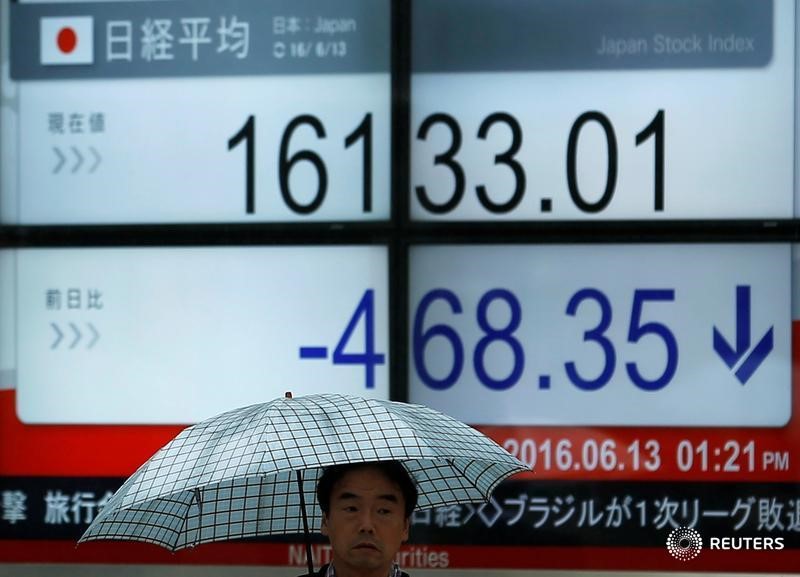
Most Asian stocks fell on Monday, following a weak lead from Wall Street as uncertainty over US interest rates persisted, with Japanese shares tumbling amid growing expectations of a Bank of Japan interest rate hike. Chinese stocks fared somewhat better, buoyed by stronger-than-expected inflation data, while broader Asian markets retreated, with Australian and South Korean stocks sliding and Indian futures pointing to a weak open.
Federal Reserve Chairman Jay Powell has revealed the central bank's plans for US interest rates, indicating that they will remain near zero until at least 2023. Powell also emphasized the importance of achieving maximum employment and stated that the Fed will allow inflation to run above its 2% target for some time to support the economic recovery. The announcement comes as the Fed seeks to provide clarity on its monetary policy amid the ongoing COVID-19 pandemic and its impact on the US economy.
Federal Reserve Chairman Jay Powell is facing pressure to outline a plan for interest rate cuts in the United States amid concerns about the economic outlook. As the US-China trade war continues to escalate and global growth slows, there are growing expectations for the Federal Reserve to lower interest rates to support the economy. Powell's upcoming speech at the Jackson Hole symposium will be closely watched for any indications of future rate cuts.