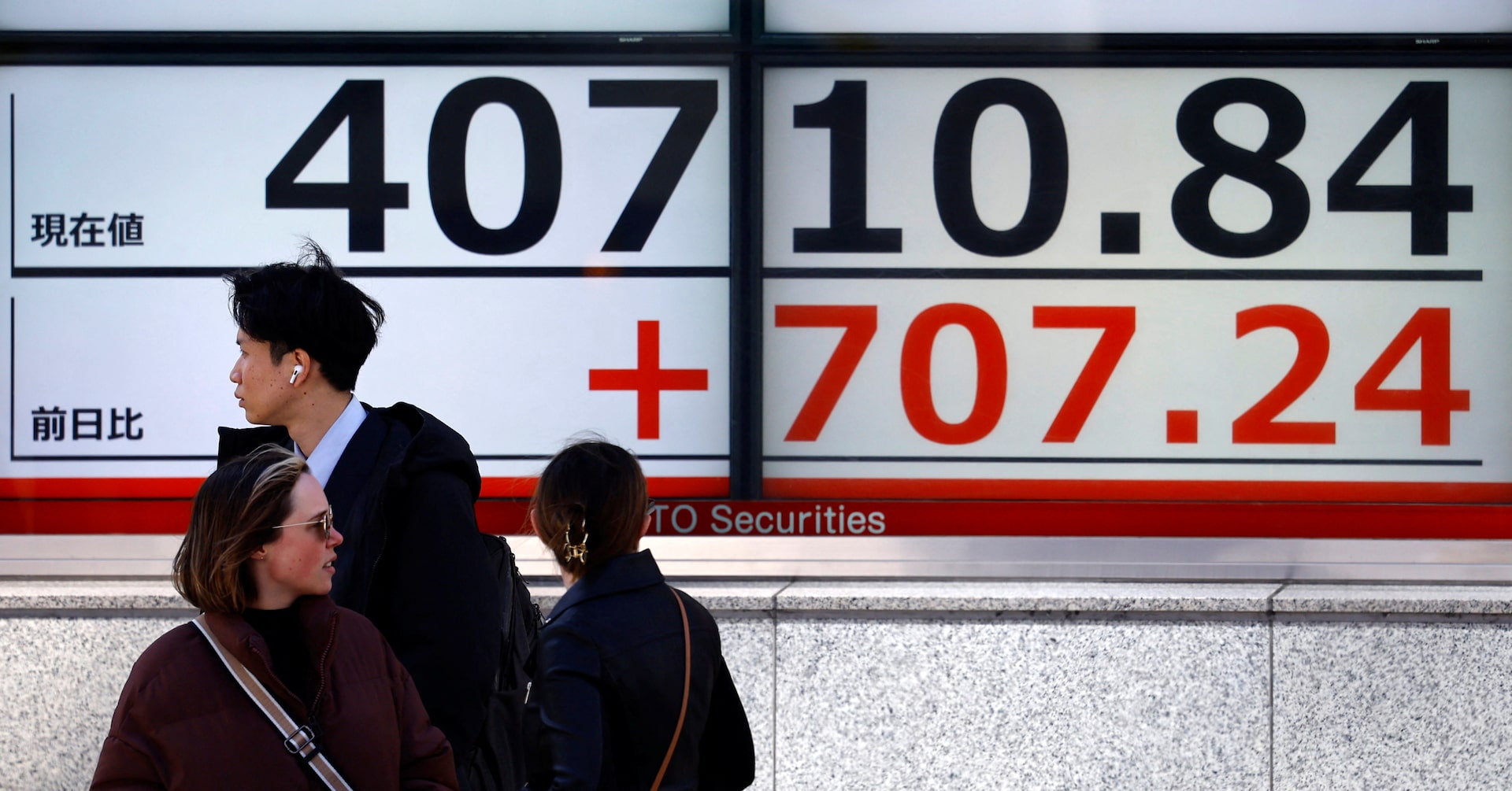
Asia markets tumbled after reports of Israel carrying out a limited strike in Iran, leading to a spike in oil and gold prices. Safe haven assets rose, with gold hitting a record high and the Japanese yen strengthening, while bitcoin prices fell. Japanese automaker Nissan lowered its sales and profit outlook for the 2023 financial year, and shipping firms rallied after the reported operation in Iran. Additionally, Australia's treasurer noted progress in relations with China, and Japan's Nikkei led losses in Asia, dragged by electronics stocks.
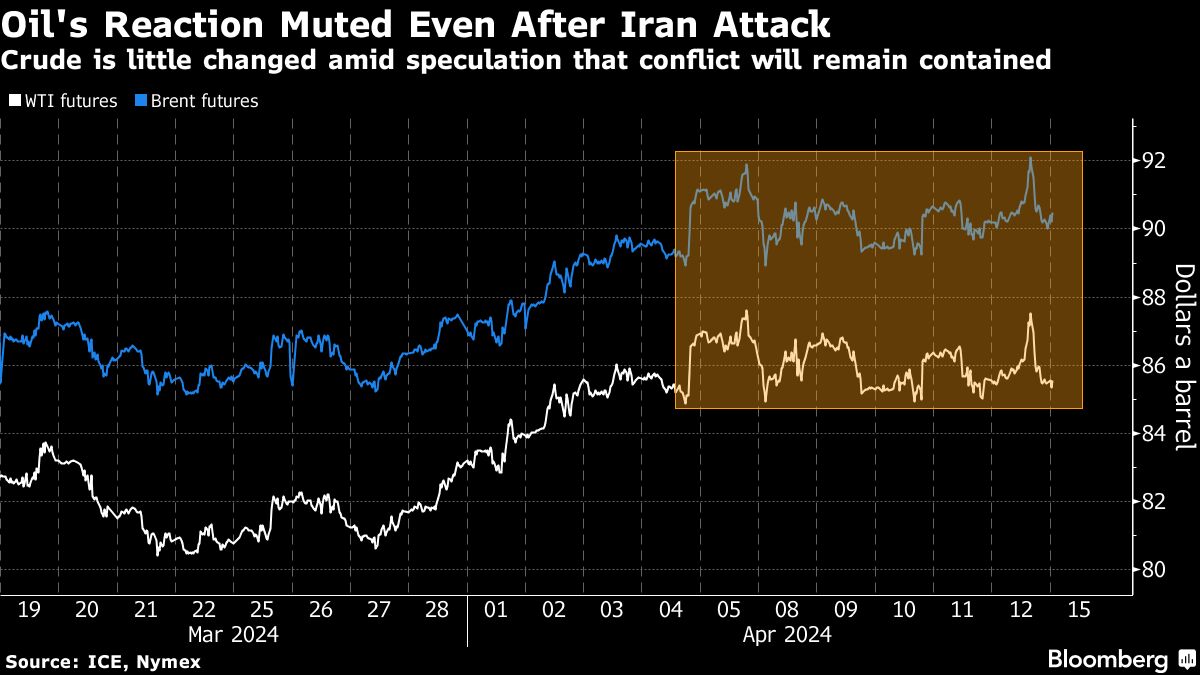
Global markets stabilized as tensions in the Middle East eased following Iran's attack on Israel, leading to a decline in oil prices and gains in European stocks and US equity index futures. Oil dropped on speculation that the conflict would remain contained, while Treasuries edged lower and aluminum and nickel surged following new US and UK sanctions on Russian supplies. Attention now turns to Wall Street's earnings season, economic data releases, and the IMF and World Bank spring meetings, as investors remain wary of sticky inflation and the prospect of higher interest rates.
Asian stocks fell and gold prices rose as Iran's retaliatory attack on Israel heightened fears of a wider regional conflict, impacting risk sentiment. The dollar reached a 34-year high against the yen amid expectations of sustained U.S. inflationary pressures. Geopolitical tensions led to market nervousness in Asia, with Japan's Nikkei and Australia's S&P/ASX 200 index declining. China's stock market, however, saw gains after the country's securities regulator issued draft rules to strengthen supervision. U.S. Treasury yields remained near recent highs as traders adjusted rate cut expectations, with the dollar reaching a 34-year peak against the yen.
Asia-Pacific markets fell as tensions between Iran and Israel escalated, with Iran launching a massive drone and missile attack on Israel over the weekend. Oil prices remained relatively stable, while gold prices climbed as investors sought safe-haven assets. Chinese real estate firm China Vanke faces operational difficulties and short-term liquidity pressures, and Japan's core machinery orders surpassed expectations in February. Additionally, cryptocurrencies experienced a heavy sell-off following the increased tensions in the Middle East.
Escalating tensions in the Middle East, particularly between Israel and Hamas, have rattled global markets, leading to a sharp fall in European and Asian stocks and a jump in oil prices. The possibility of a prolonged conflict in the region has become a wildcard for central bankers as they reassess expectations of Federal Reserve rate cuts. The upcoming U.S. jobs report is anticipated to have a significant impact on the case for a first Fed rate cut in June, amid fluctuating market expectations.