Amid concerns about an AI bubble and high AI-related spending by tech giants, Apple stands out as a stable investment option in 2026 due to its strong financial performance, focus on core products, and less reliance on AI investments, making it potentially a safer choice for investors wary of the AI hype.
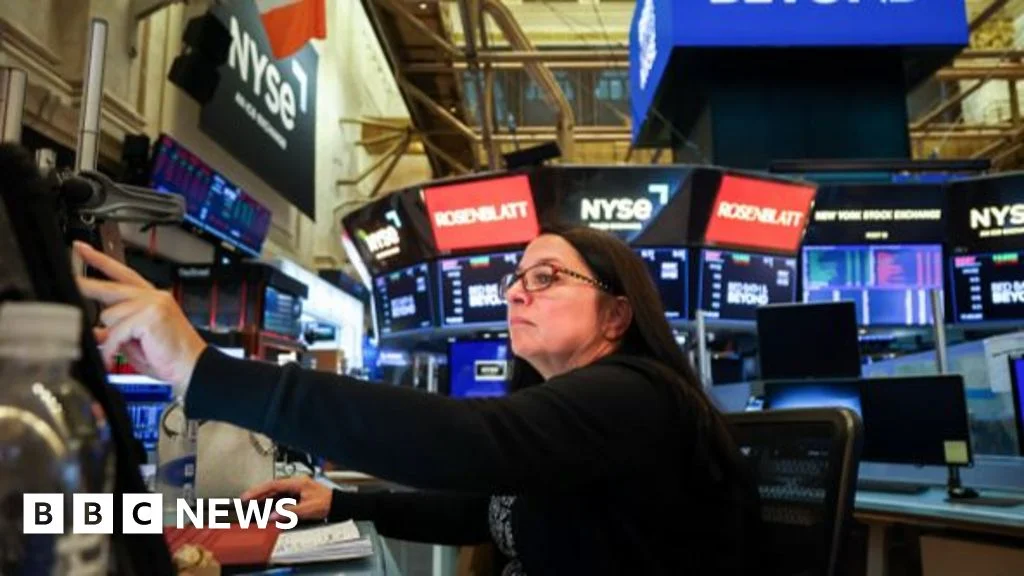
The US stock market closed 2025 on a high note despite a volatile year marked by trade tensions and economic uncertainties, with major indices like the S&P 500 and Nasdaq reaching record highs driven by strong earnings and AI investments. Analysts predict another strong year in 2026, though concerns about overvaluation, policy risks, and leadership changes at the Federal Reserve could introduce volatility.
SoftBank is acquiring DigitalBridge in a $4 billion deal to bolster its AI infrastructure investments, aiming to develop next-generation AI data centers and advance its vision of Artificial Super Intelligence, with DigitalBridge continuing to operate as a separate platform.
Billionaire Chase Coleman has created his own 'Magnificent Seven' stock grouping, excluding Apple and Tesla, and including companies like Broadcom and Taiwan Semiconductor, reflecting his focus on AI and recent market performance, which he believes is even better than the original.
Oracle's stock fell nearly 5% after a report suggested a $10 billion data center project was in limbo due to stalled talks with Blue Owl Capital, though Oracle denied the report and stated the project is on schedule. The project aims to serve OpenAI in Michigan, amid broader concerns about Oracle's heavy investments in AI and its impact on stock performance. Despite recent declines, Oracle remains a key player in AI infrastructure, but its stock has been volatile due to fears over its large debt and investment strategies.
SoftBank's shares dropped up to 10% after selling its entire $5.8 billion stake in Nvidia, citing the need to fund future AI investments, which spooked investors amid concerns of a potential AI industry bubble. Despite strong quarterly results driven by OpenAI, SoftBank is shifting its focus towards AI ventures, including stakes in OpenAI and other tech firms, as it navigates market volatility and aims to become a major player in AI infrastructure.
SoftBank sold its entire Nvidia stake for $5.83 billion to fund its AI projects and investments, highlighting its strategy to capitalize on AI growth while managing liquidity for new ventures like data centers and chip design acquisitions. The sale reflects SoftBank's focus on expanding its AI ecosystem amid debates about potential investment bubbles in the tech sector.
SoftBank sold its entire Nvidia stake for $5.83 billion to fund its AI projects, highlighting its focus on expanding in the AI ecosystem despite questions about a potential investment bubble, and leveraging proceeds to support ventures like OpenAI and data centers.
Despite a 63% decline in direct investments by family offices in 2025, they continue to participate in large funding rounds for AI startups, with deal values tripling and a shift towards bigger investments over the past decade, reflecting rising ambitions and pursuit of higher returns.
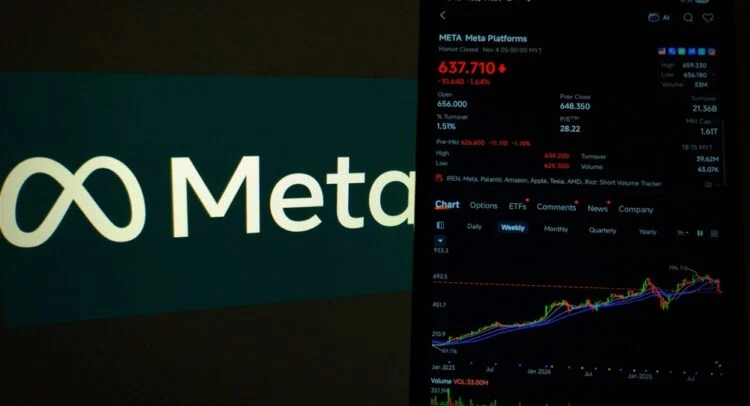
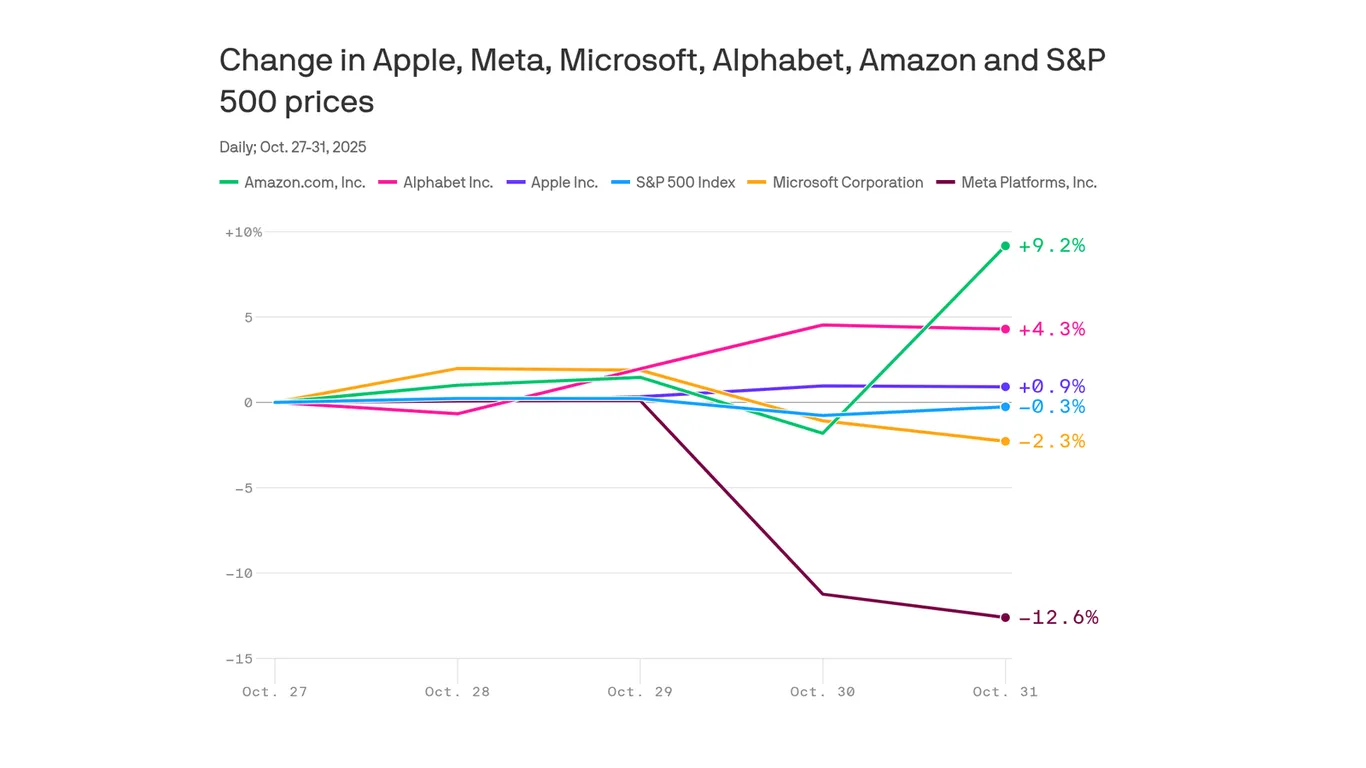
Meta's Q3 earnings were strong with revenue growth and high margins, but a stock sell-off was triggered by concerns over increased capital expenditures and AI-related investments. The author believes the dip presents a buying opportunity, citing the company's accelerating user growth, AI-driven engagement, and attractive valuation, asserting that Meta's long-term growth remains intact despite short-term market fears.
Big Tech stocks, especially the Magnificent 7, are heavily investing in AI, with demand outstripping supply and projected AI capital expenditure reaching 94% of operating cash flow by 2026. While companies like Meta, Google, Microsoft, and Apple are expanding AI capabilities, Meta faces scrutiny for its high spending relative to revenue, highlighting the risks of overinvestment and potential debt reliance if demand doesn't meet expectations.
Originally Published 2 months ago — by Hacker News
The article discusses Nvidia's strategic use of circular and complex deals to fuel its growth, including investments in AI and GPU companies, which may create a bubble similar to past financial bubbles. It highlights concerns about the sustainability of such practices, the role of market hype, and the potential for long-term industry shifts driven by AI advancements and infrastructure investments.
Amazon's latest earnings report shows strong Q3 results with revenue beats, ongoing investments in AWS and AI, and significant layoffs, while investors focus on its AI ambitions, AWS growth, and holiday sales outlook.
Microsoft reported strong Q1 2026 earnings with $77.7 billion revenue, driven by cloud and AI growth, despite capacity constraints and margin pressures from AI investments. The company highlighted record cloud revenue, expanding AI platform, and long-term OpenAI partnership, with continued investments in infrastructure and talent to meet rising demand. Outlook remains positive, with expected revenue growth of 14-16% in Q2, though capacity constraints and margin compression are ongoing challenges.