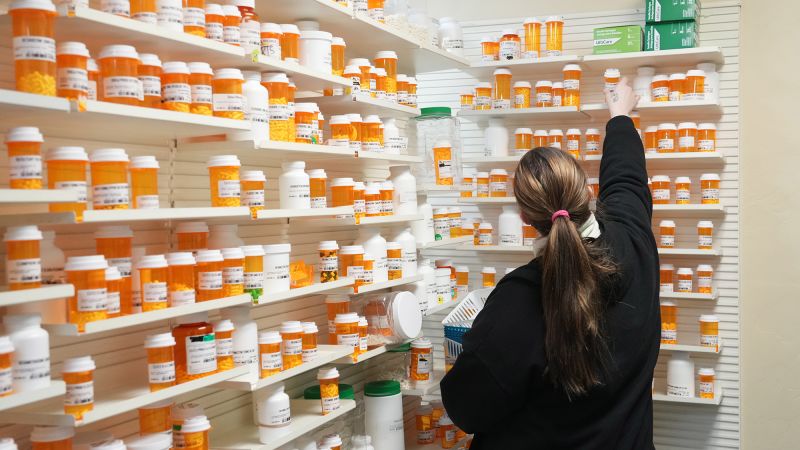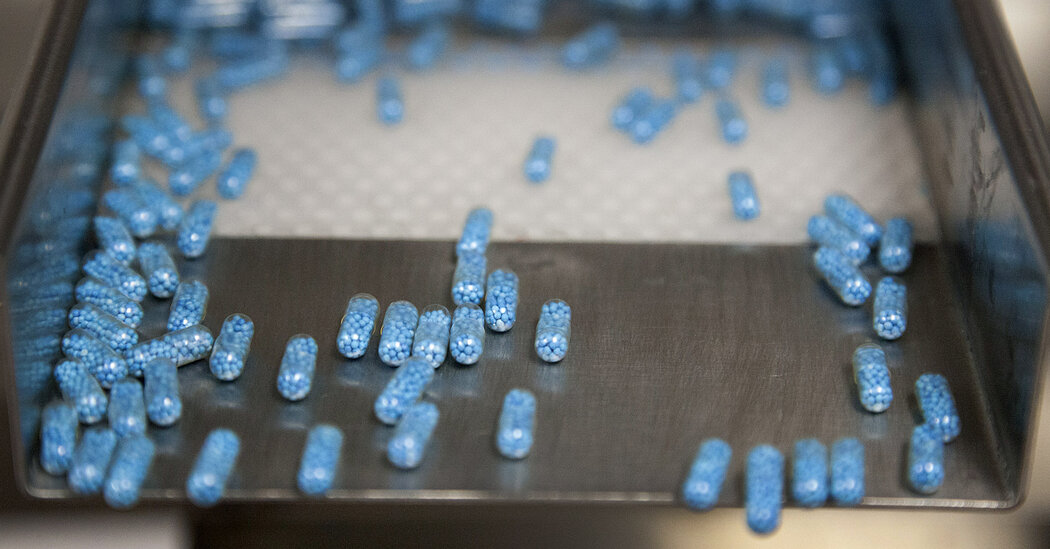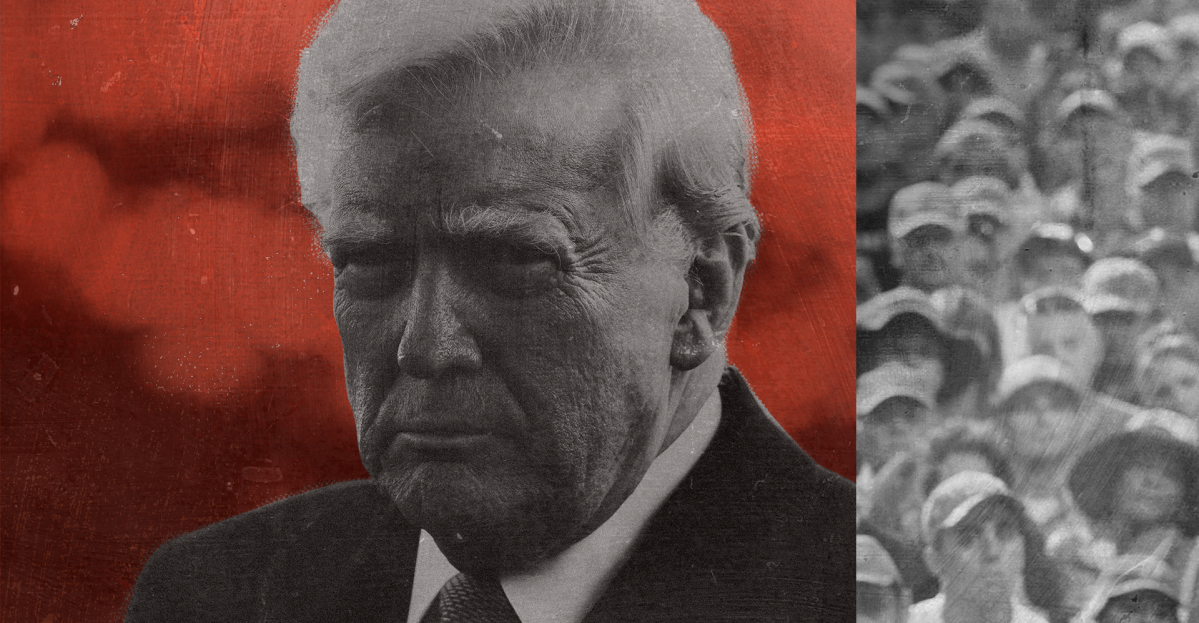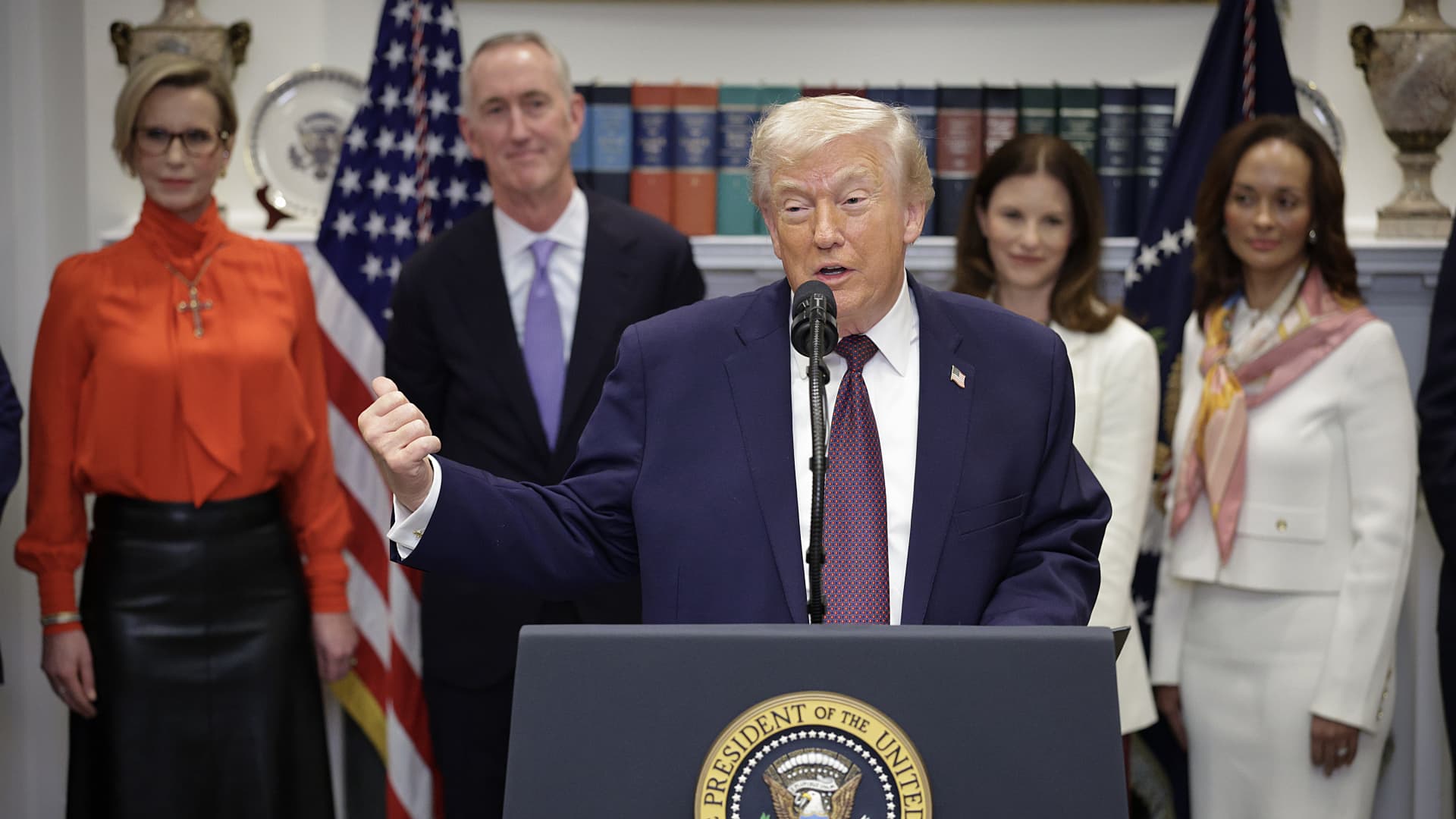
Several major pharmaceutical companies, including Merck, Bristol Myers Squibb, and Gilead, have agreed to lower drug prices in the U.S. through voluntary deals with President Trump, which include offering certain medications at discounted rates and listing drugs on a new direct-to-consumer platform, in exchange for a temporary exemption from tariffs and commitments to invest in U.S. manufacturing.
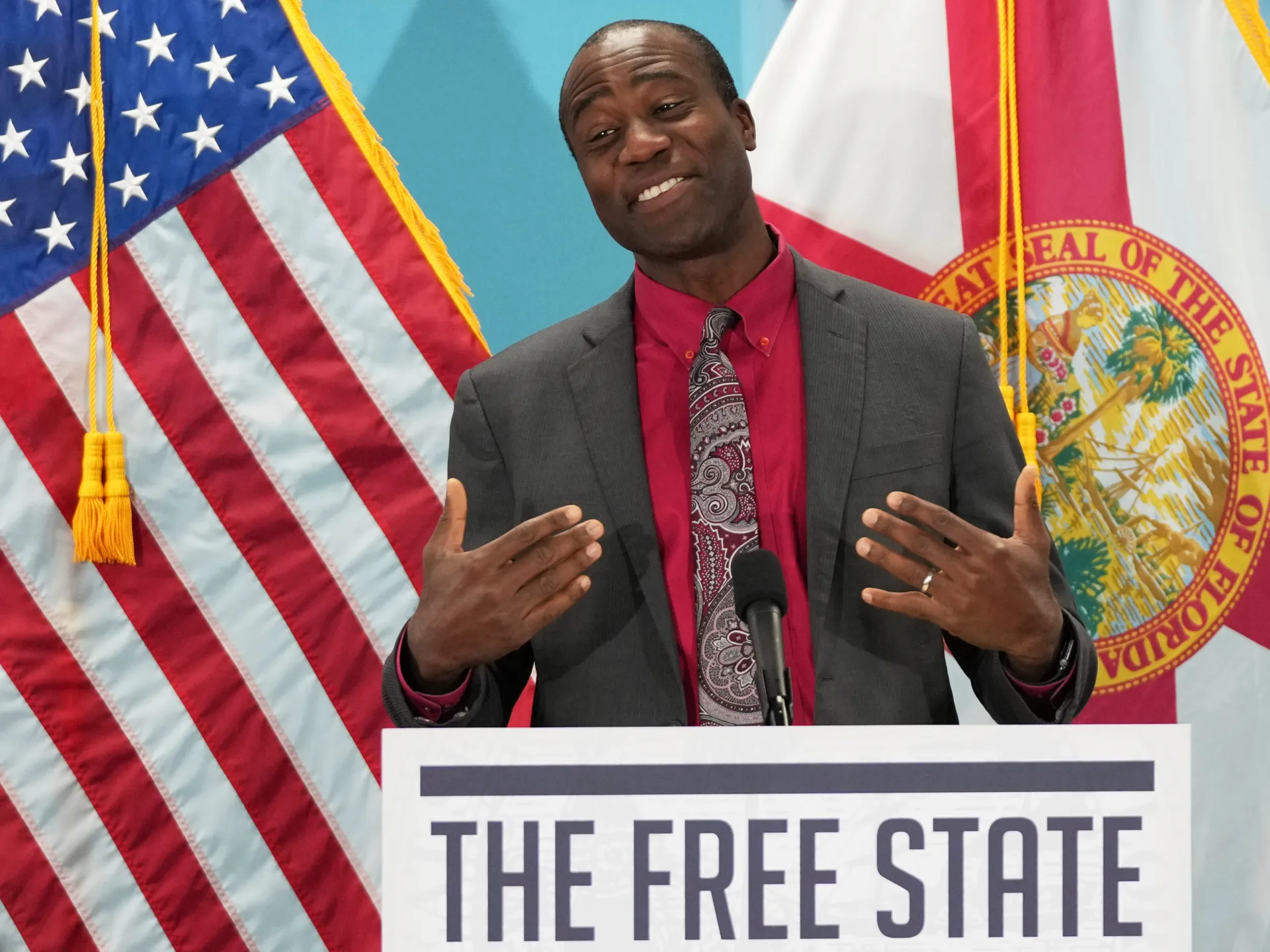
The article discusses whether vaccine mandates are necessary to achieve high vaccination rates, highlighting that while some countries without mandates have high rates, factors like healthcare access and trust in government play significant roles. Experts suggest mandates generally increase vaccination rates, but cultural norms and healthcare systems influence outcomes, making US strategies potentially different from other nations. Without mandates, education and access are crucial, but political and social factors in the US pose challenges to maintaining high vaccination levels.
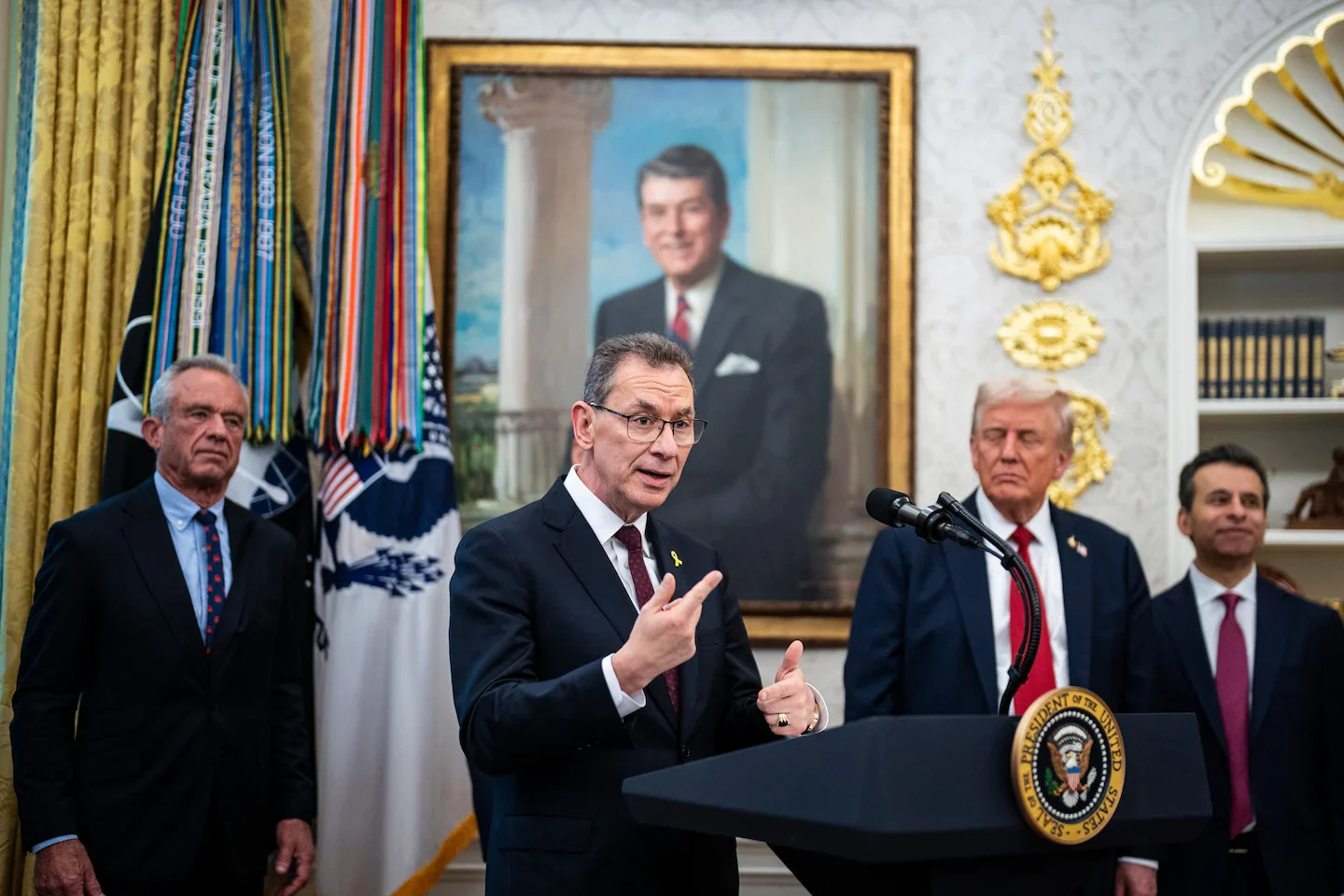
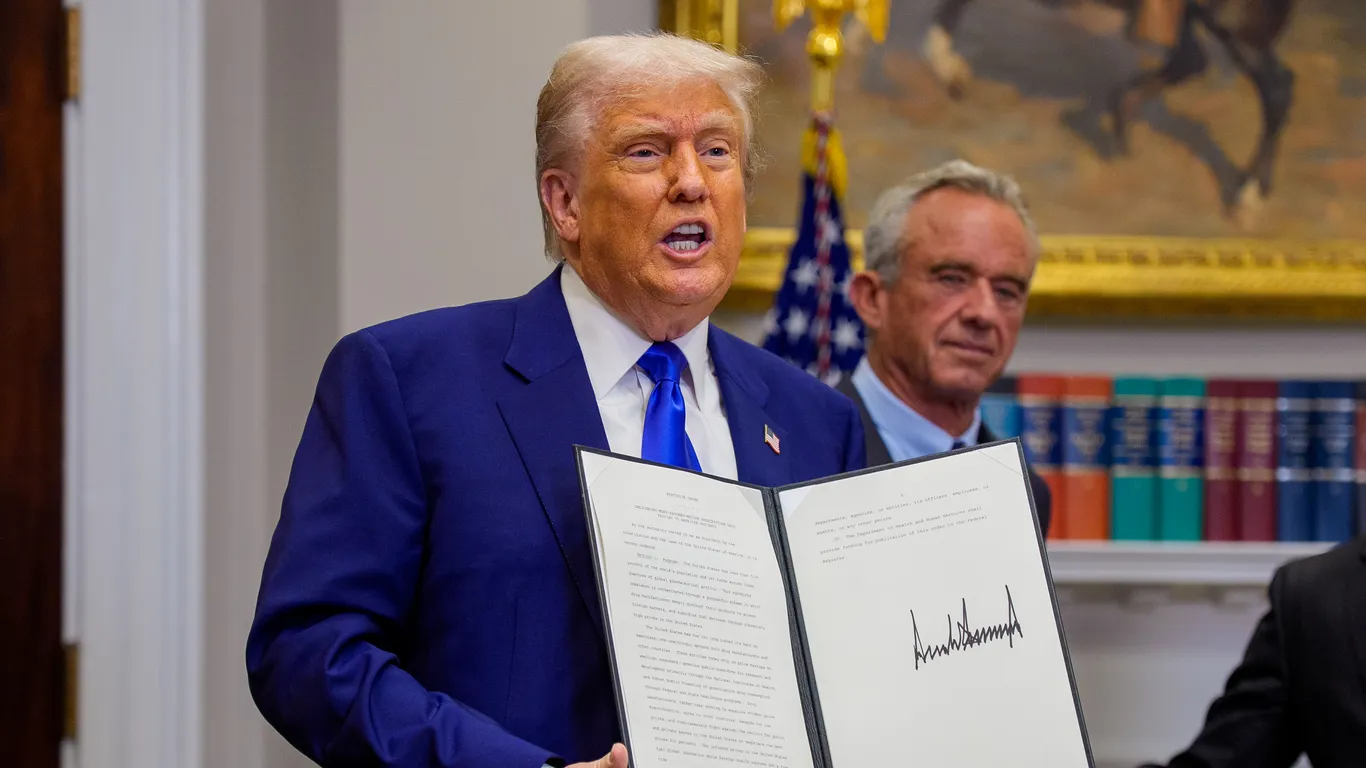
President Trump announced a deal with Pfizer to lower drug prices and launched a new website, 'TrumpRx', as part of efforts to reduce U.S. drug costs by linking them to lower prices paid abroad.
President Trump plans to pressure drugmakers to lower US drug prices by potentially raising prices in other countries, aiming to make US prices comparable to Europe and peer nations, though legal and practical challenges remain.
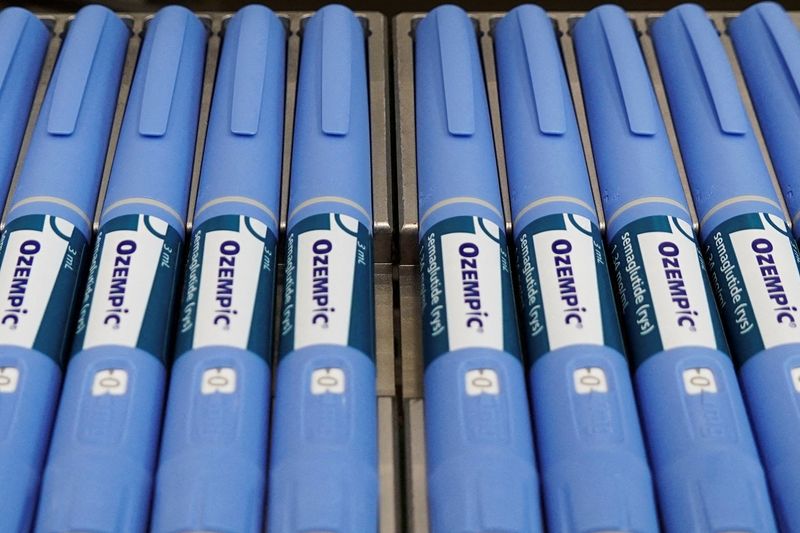
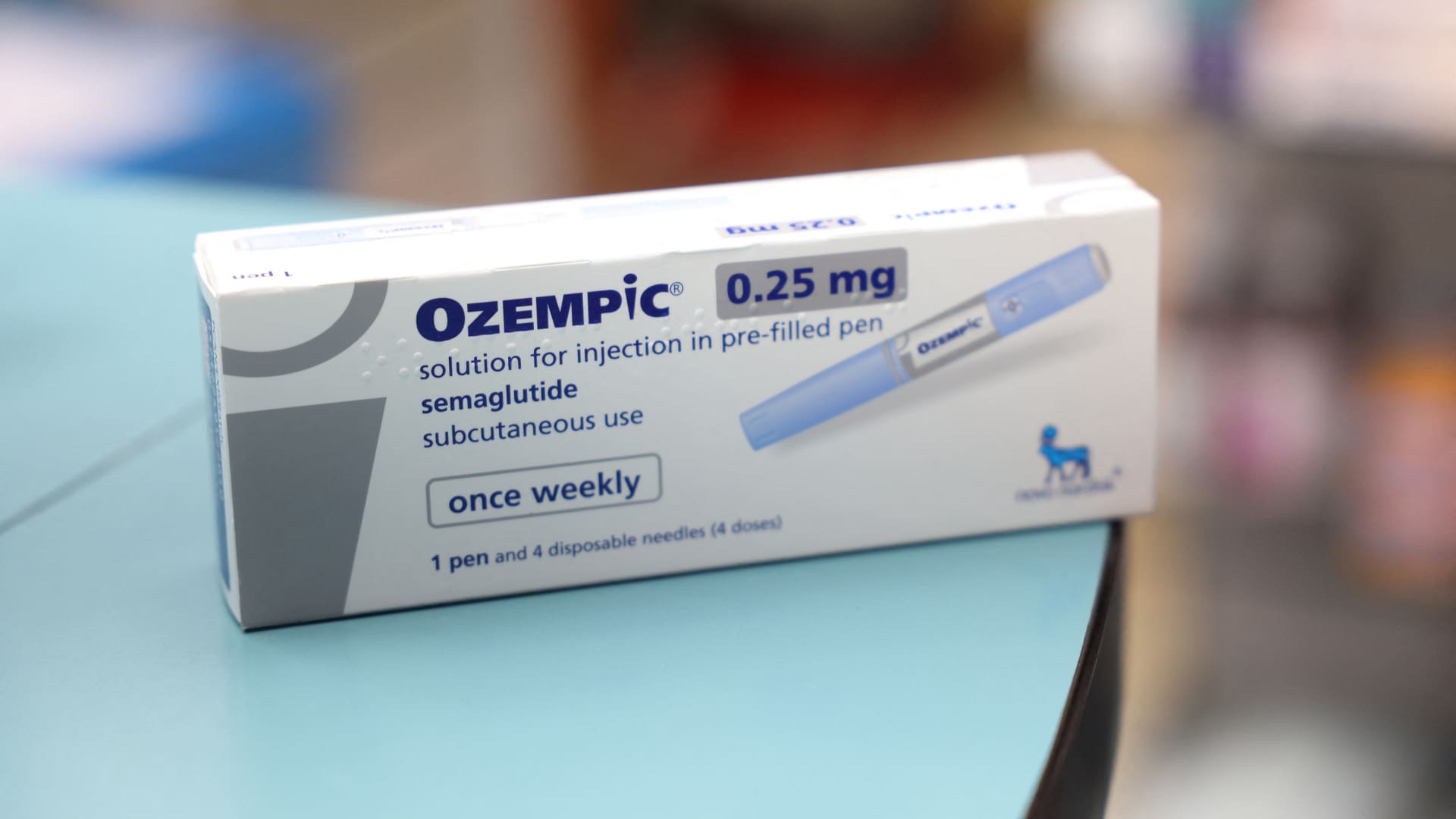
Novo Nordisk is offering Ozempic at $499 per month to eligible cash-paying type 2 diabetes patients in the US, as part of efforts to improve access and compete with copycat drugs and rivals like Eli Lilly.
Novo Nordisk now offers Ozempic to cash-paying U.S. patients for less than half its list price, at $499 per month, through various platforms including its website and GoodRx, aiming to increase access amid political pressure to lower drug costs. The move targets uninsured Type 2 diabetes patients and follows similar discounts on Wegovy, as part of broader efforts to make high-cost medications more affordable and combat the use of unsafe knockoff drugs.
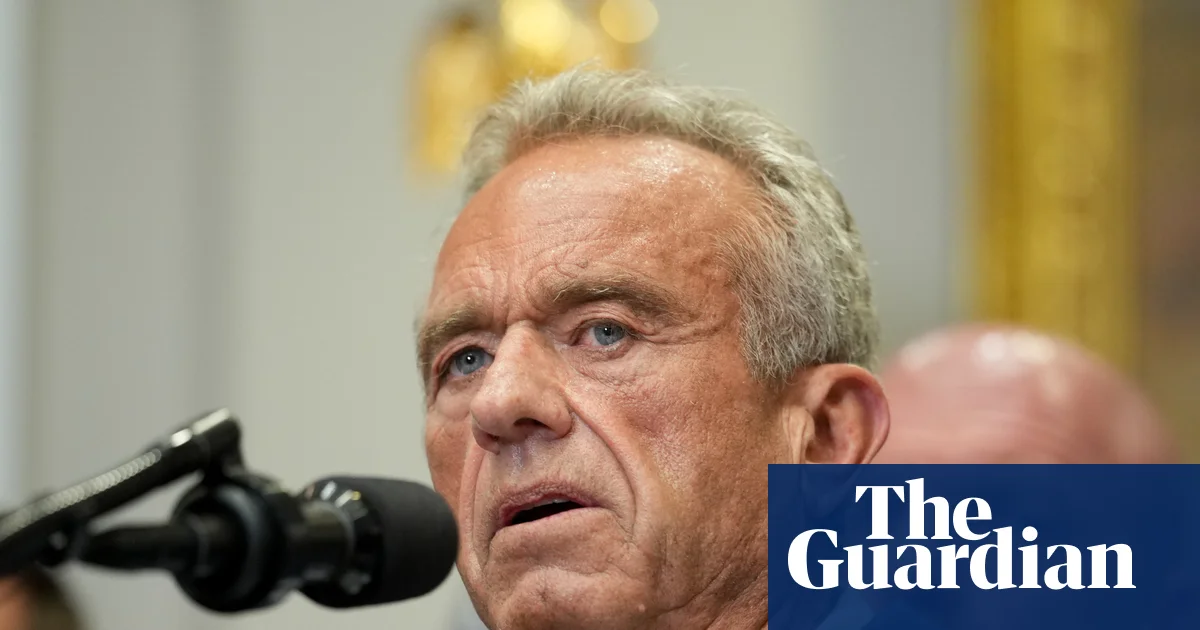
A grassroots group of health professionals, Defend Public Health, calls for the removal of RFK Jr from HHS, criticizing his role in spreading health misinformation and emphasizing the need for evidence-based policies to improve US public health, including addressing social determinants, healthcare access, and misinformation.
President Trump demanded 17 major drugmakers commit within 60 days to a 'most favored nation' pricing policy to lower U.S. drug prices, threatening to use all available tools if they do not comply, amid ongoing debates over international pricing parity and government intervention.
President Trump demanded 17 major drugmakers lower U.S. prices to match those in other wealthy countries by September, primarily through voluntary measures, amid ongoing debates over legal authority and potential tariffs that could impact drug costs and industry profits.
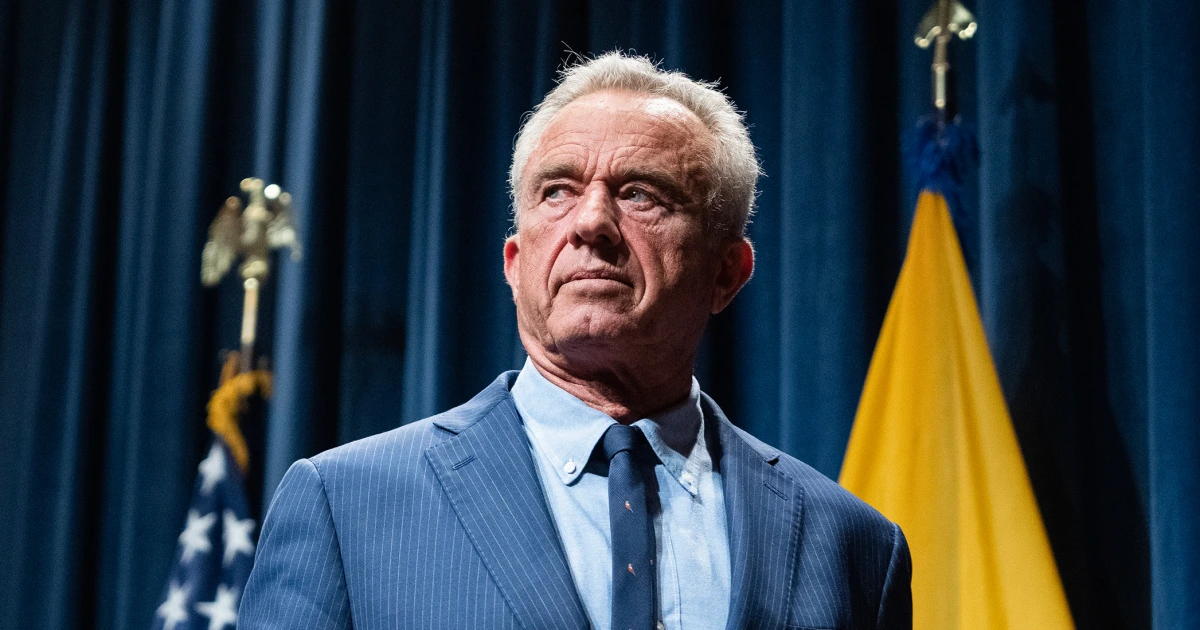
Health Secretary Robert F. Kennedy Jr. is considering removing all 16 members of the influential US Preventive Services Task Force, which advises on preventive health services, amid recent controversies and his broader efforts to influence healthcare policy, including previous dismissals of vaccine advisory members. The move could impact coverage of essential screenings and tests mandated by the Affordable Care Act.
A recent study published in JAMA reveals that the health of U.S. children has significantly declined since 2007, with increases in chronic conditions like obesity, depression, and autism, and a rise in mortality rates driven by factors such as gun violence and accidents, partly due to lack of universal healthcare and recent policy cuts.
The article discusses the potential negative impact of a Republican-led bill on Medicaid, which could result in millions losing coverage and thousands of unnecessary deaths, reversing recent progress in reducing the uninsured rate and worsening the US healthcare system.
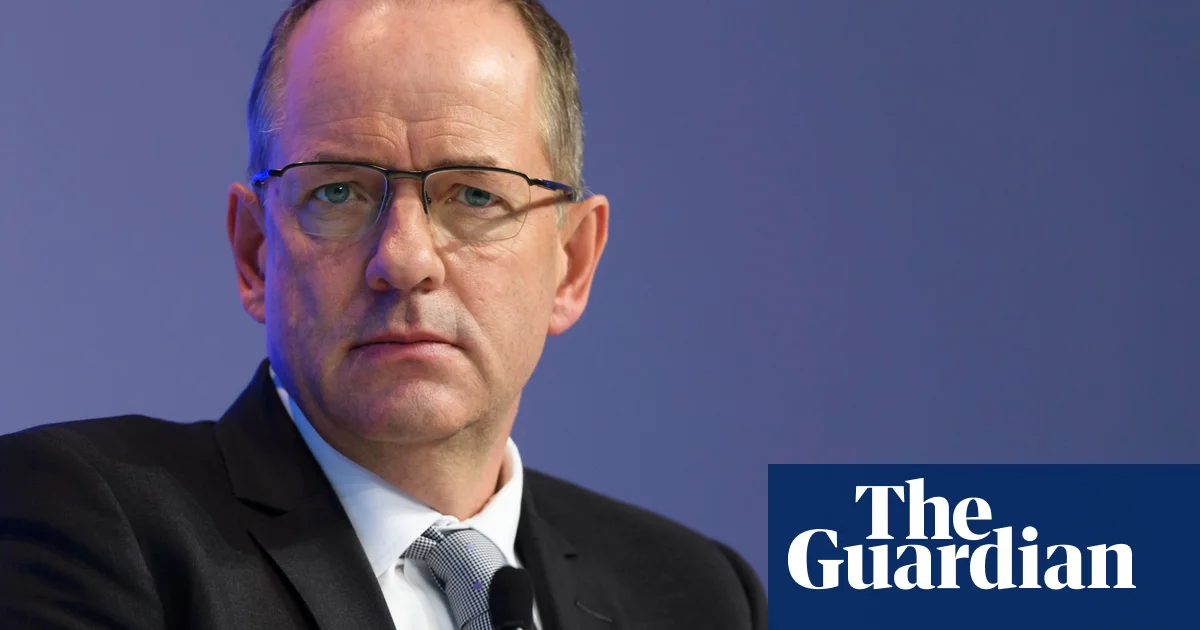
UnitedHealth Group's CEO, Andrew Witty, acknowledged the inefficiencies of the US healthcare system following the murder of UnitedHealthcare's CEO, Brian Thompson, outside a New York hotel. Witty emphasized Thompson's dedication to improving customer experiences and expressed understanding of public frustration with the healthcare system. He condemned the threats faced by company employees and highlighted the need for systemic improvements. The suspect in Thompson's murder, Luigi Mangione, was arrested in Pennsylvania and is resisting extradition to New York.
The recent murder of UnitedHealthcare CEO Brian Thompson has intensified the debate over the US's profit-driven healthcare system. The suspect, Luigi Mangione, allegedly left bullet cases inscribed with "delay" and "deny," hinting at frustrations with the industry's denial of payments. This incident has prompted many Americans to share their negative experiences with healthcare, highlighting issues like denied care and exorbitant bills, and questioning whether systems with more government involvement might be better.
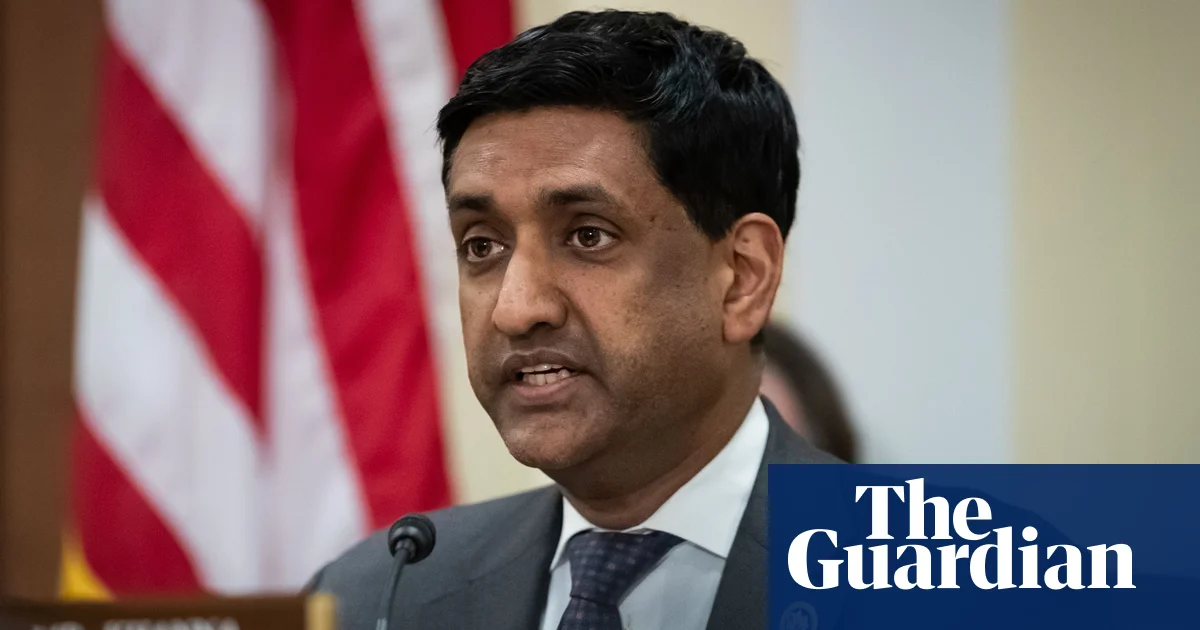
Progressive congressman Ro Khanna expressed sympathy for the murder of UnitedHealthcare CEO Brian Thompson, while acknowledging the incident has sparked renewed debate on the inequities of the US healthcare system. Khanna, aligning with Bernie Sanders, criticized the high administrative costs in healthcare and advocated for Medicare for All. The targeted nature of Thompson's killing, with shell casings inscribed with words like "delay" and "deny," suggests a possible link to frustrations with the privatized healthcare system. Khanna highlighted the struggles Americans face with insurance denials, even sharing his own experience with UnitedHealthcare.