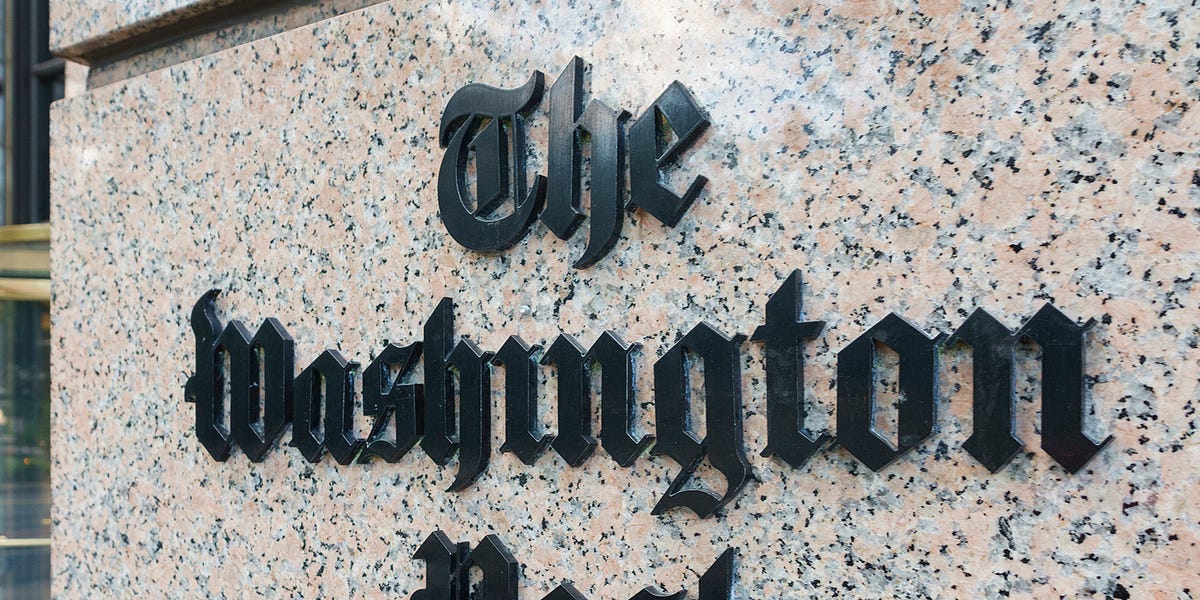
The Washington Post published a misleading editorial opposing Medicare for All, neglecting to mention its owner Jeff Bezos's financial interests and Amazon's stake in healthcare, amidst ongoing healthcare crises and policy changes affecting Americans.
Democratic candidates are divided on Medicare for All, with some supporting it as a long-term goal to reduce healthcare costs, while others focus on expanding ACA subsidies and Medicaid. The debate highlights differing strategies within the party on achieving universal healthcare, with some emphasizing bold reforms like Medicare for All and others advocating for incremental changes.
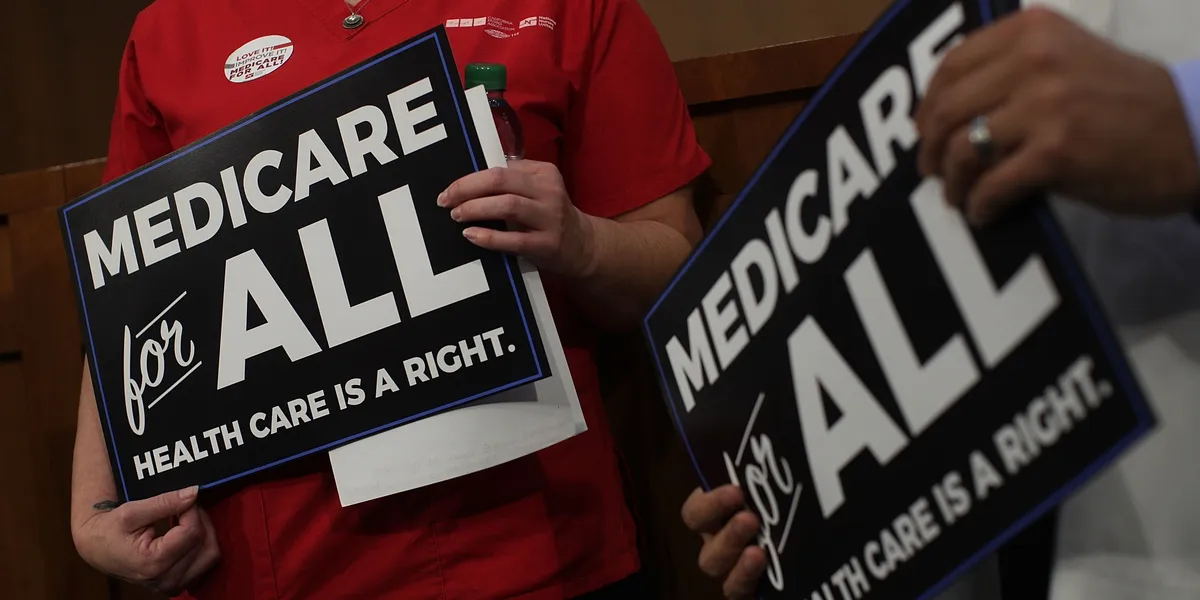
With health insurance premiums expected to rise significantly, advocates remind Americans that Medicare for All could save $650 billion annually and provide universal coverage, criticizing current private insurance for profit and inefficiency.
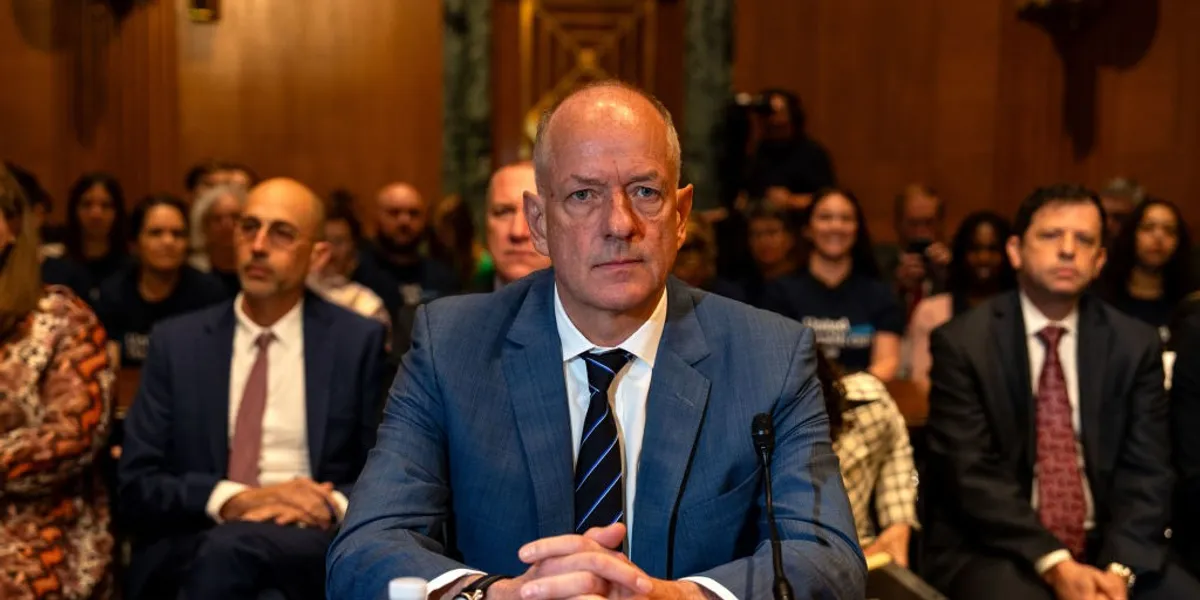
UnitedHealth Group CEO Andrew Witty acknowledged the flaws in the U.S. for-profit healthcare system, admitting it is not ideally designed, amid public outrage following the murder of UnitedHealthcare's CEO. Critics argue that UnitedHealth has profited from and perpetuated the system's issues, opposing reforms like Medicare for All. Despite Witty's call for collaboration to improve care and reduce costs, his company's history of resisting public health alternatives and lobbying against reforms casts doubt on his commitment to meaningful change.
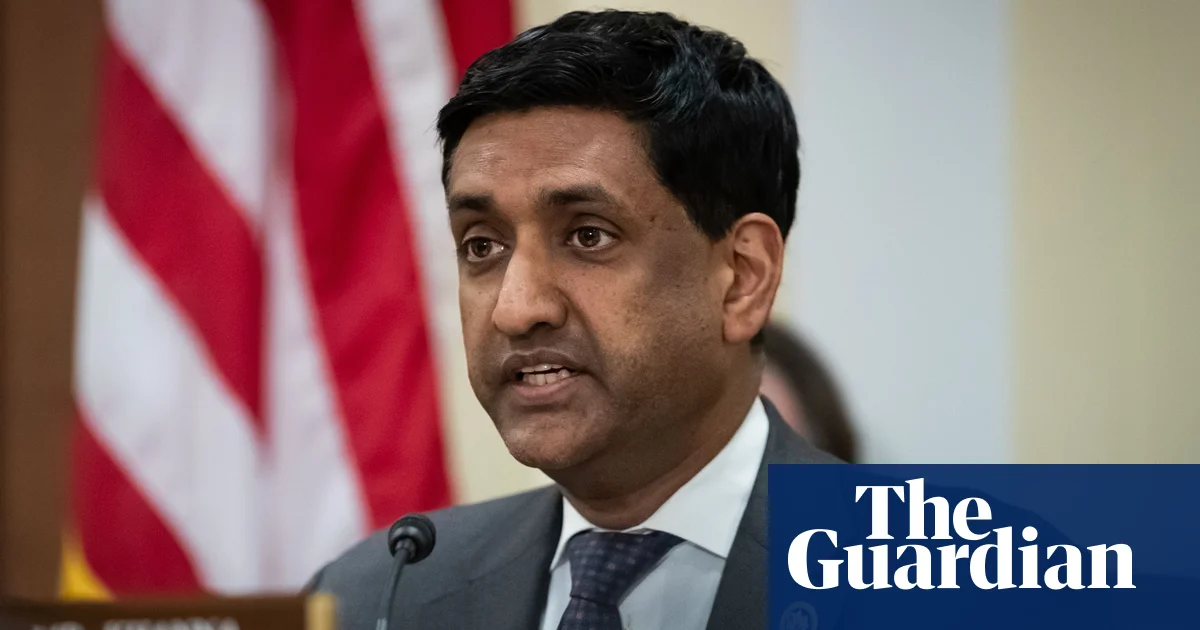
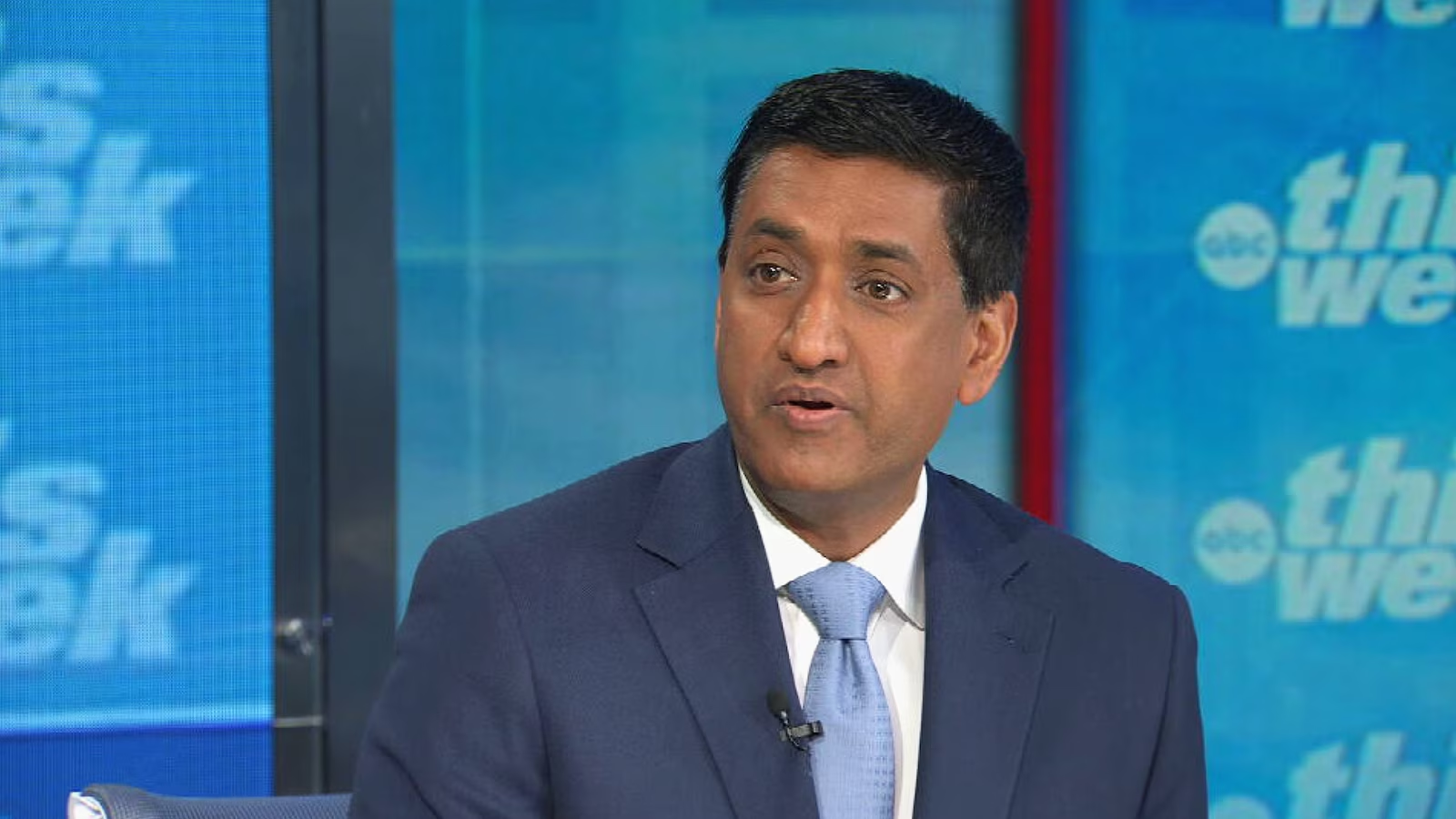
Progressive congressman Ro Khanna expressed sympathy for the murder of UnitedHealthcare CEO Brian Thompson, while acknowledging the incident has sparked renewed debate on the inequities of the US healthcare system. Khanna, aligning with Bernie Sanders, criticized the high administrative costs in healthcare and advocated for Medicare for All. The targeted nature of Thompson's killing, with shell casings inscribed with words like "delay" and "deny," suggests a possible link to frustrations with the privatized healthcare system. Khanna highlighted the struggles Americans face with insurance denials, even sharing his own experience with UnitedHealthcare.
Rep. Ro Khanna advocates for Medicare for All to address healthcare inequities, following the killing of UnitedHealthcare CEO Brian Thompson, which sparked debate on the U.S. healthcare system. Khanna supports efforts to cut federal spending but opposes cuts to Social Security and Medicare. He also commented on the potential TikTok ban, expressing skepticism about its legal viability and noting its popularity among politicians.
In the first California Senate debate, Democratic candidates split on Israel's war in Gaza, while Republican Steve Garvey refused to state his support for former President Donald Trump. The candidates also clashed over healthcare, with Garvey opposing Medicare for All and the Democrats supporting it. They also diverged on the issue of earmarks, with Rep. Katie Porter calling for an end to them while Rep. Barbara Lee advocated for their importance in funneling dollars to California.
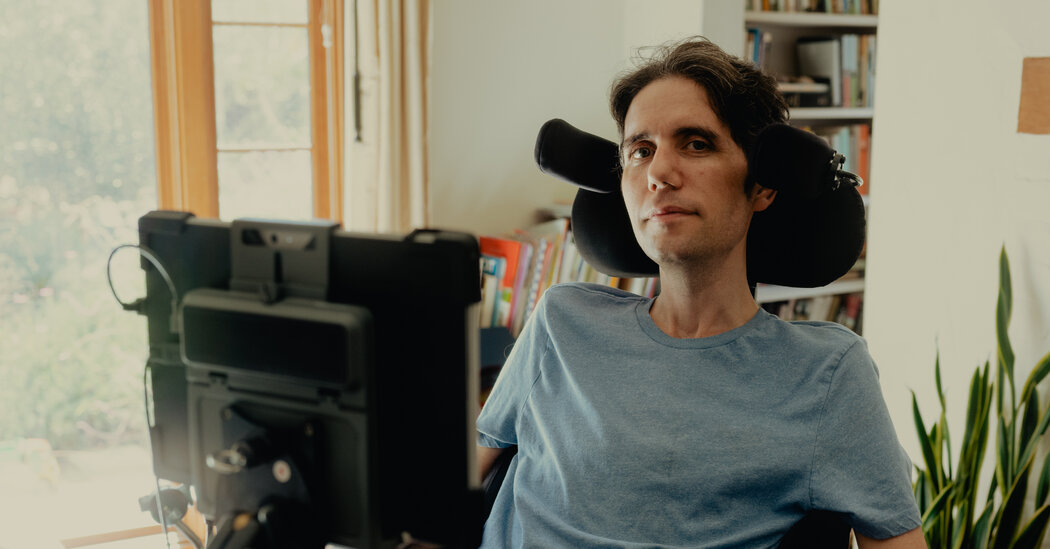
Ady Barkan, a prominent activist who campaigned for Medicare for all while battling A.L.S., has passed away at the age of 39. Despite his deteriorating health, Barkan's influence grew as he shared his personal story and advocated for change. He testified before Congress, interviewed presidential candidates, and spoke at the Democratic National Convention. Barkan co-founded the political organization Be a Hero and fought for various progressive causes. His activism played a significant role in protecting the Affordable Care Act and advancing health care reform.
As the use of diabetes-related medications for weight loss increases, employers are cutting coverage for these drugs due to their high costs. Prescription drugs like Ozempic can cost up to $1,350 a month, leading to significant expenses for health insurers. In response, employers, such as the University of Texas System, are eliminating coverage for weight-loss medications from their employee health plans. This highlights the challenges of a for-profit healthcare system and raises questions about the potential benefits of a Medicare-for-all approach. The popularity of these weight-loss drugs is driven by influencers and celebrities, but their high prices make them inaccessible for most people and their employers.