A major fraud scandal in Minnesota involving multiple safety-net programs, including a large school meal fraud scheme, has led to political fallout and the governor dropping his re-election bid. Federal and state investigations reveal systemic oversight failures, with allegations of misuse of funds across various programs, prompting systemic reforms and heightened scrutiny.
Federal health officials, under President Trump's directive, have significantly reduced the recommended childhood vaccination schedule from 17 to 11 vaccines, aligning more closely with international standards, amidst controversy and concerns from medical experts about potential public health risks and increased confusion.
The CDC has overhauled the childhood vaccine schedule to recommend fewer shots, aligning more closely with Denmark's approach, citing efforts to restore public trust post-pandemic, though experts criticize the lack of transparency and potential risks of reduced vaccination coverage.
Canadian officials express distrust in US health institutions for accurate vaccine information, citing misinformation and political influences, which may impact Canadian public confidence and vaccination rates amid rising measles cases and social distrust.
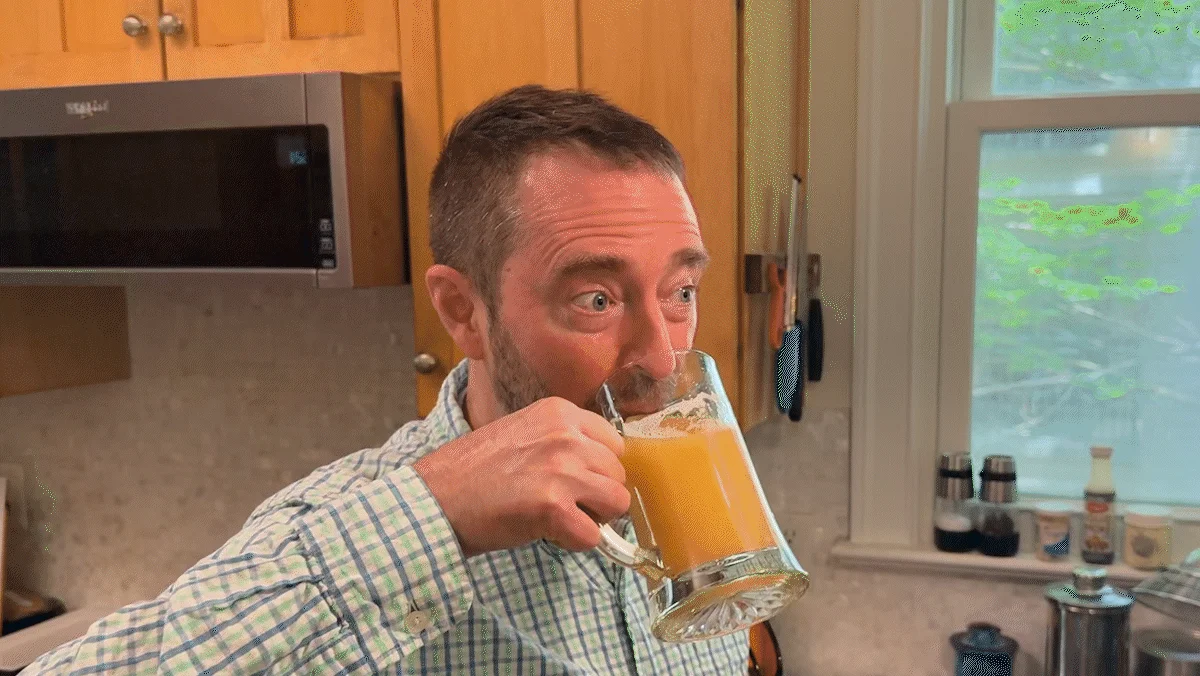
A virologist and home brewer, Chris Buck, claims to have created the world's first beer-based vaccine using genetically modified yeast, which he believes can immunize against certain viruses and potentially be used for other diseases like COVID-19 and flu. Despite concerns from the scientific community about safety and public trust, Buck has already brewed and tested his vaccine beer on himself, showing promising antibody responses, and aims to develop it further for broader use.
The article discusses internal conflicts within the FDA over COVID vaccine safety claims, particularly a memo by Dr. Vinay Prasad proposing major reforms to vaccine approval processes, which has alarmed former agency leaders and experts. Critics argue that Prasad's claims are misleading and could undermine public trust, slow vaccine development, and weaken the entire vaccine system, with potential long-term consequences for public health and vaccine innovation.
FDA Commissioner Martin Makary emphasized the need for greater humility and transparency from the government to rebuild public trust in health advice, criticizing recent communication issues and advocating for flexible, science-based decision-making.
The CDC’s vaccine advisory committee faces a crisis due to political influence and procedural irregularities, leading to potential destabilization of vaccine policies, public trust erosion, and risks to vaccine supply and safety, especially concerning the hepatitis B birth dose and vaccine messaging on autism. Immediate action is needed to reaffirm scientific integrity and restore public confidence.
The article discusses whether vaccine mandates are necessary to achieve high vaccination rates, highlighting that while some countries without mandates have high rates, factors like healthcare access and trust in government play significant roles. Experts suggest mandates generally increase vaccination rates, but cultural norms and healthcare systems influence outcomes, making US strategies potentially different from other nations. Without mandates, education and access are crucial, but political and social factors in the US pose challenges to maintaining high vaccination levels.
The Sora app, a new AI-generated short video platform by OpenAI, has rapidly gained popularity with over a million downloads, but raises concerns about authenticity, copyright infringement, and the potential erosion of public trust due to its hyperreal, often controversial content including re-creations of deceased celebrities and public figures. The platform's ability to produce convincing fake videos has sparked debates over ethical use, copyright control, and the impact on society's perception of reality.
A study by the European Broadcasting Union and BBC found that nearly half of AI assistant responses about news contain significant errors, including misinformation and sourcing issues, raising concerns about public trust and the need for AI accountability.
A comprehensive study by 22 media organizations reveals that popular AI chatbots like ChatGPT and Google's Gemini misrepresent news content nearly half the time, raising concerns about their reliability and the potential impact on public trust and democratic participation.
A comprehensive study by 22 media organizations reveals that popular AI chatbots like ChatGPT, Copilot, Gemini, and Perplexity AI misrepresent news content nearly half the time, raising concerns about their reliability and the impact on public trust in information.
Disney is facing a challenging week with declining public trust following political controversies, while also implementing significant price hikes at its parks and services, including ticket prices and annual passes, amidst ongoing safety concerns and new attractions.
The NIH has disbanded the advisory committee NExTRAC, which provided guidance on ethical and scientific issues in biotechnology, raising concerns about the future of open discussions on scientific ethics and community engagement in research.