The article discusses whether vaccine mandates are necessary to achieve high vaccination rates, highlighting that while some countries without mandates have high rates, factors like healthcare access and trust in government play significant roles. Experts suggest mandates generally increase vaccination rates, but cultural norms and healthcare systems influence outcomes, making US strategies potentially different from other nations. Without mandates, education and access are crucial, but political and social factors in the US pose challenges to maintaining high vaccination levels.

The article explains why US medicines are more expensive than in other countries, highlighting differences in negotiation strategies, lack of a single-payer system, and political challenges. It discusses the 'most favored nation' policy aimed at reducing prices by referencing international prices, but notes that current policies and negotiations have limited immediate impact on consumer costs.
President Trump criticized the U.S. for having too many holidays, highlighting that the country offers less paid time off compared to many European nations, where employees typically receive significantly more vacation days and public holidays to promote work-life balance.
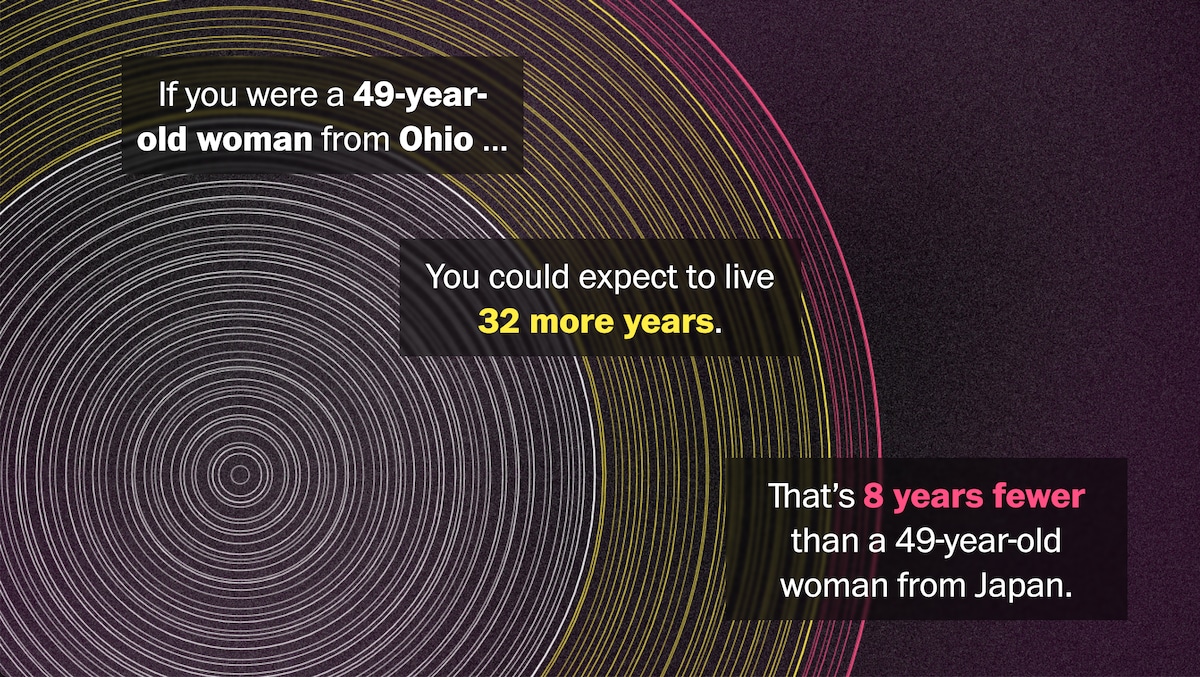
The United States, despite being one of the wealthiest nations, has lower life expectancy compared to some poorer countries. Life expectancy in the U.S. has fallen behind other high-income nations since 1980, with a widening gap between the richest and poorest areas. The U.S. healthcare system's focus on high-tech interventions for acute illness, lack of emphasis on preventive care, and a shortage of primary care doctors contribute to the disparity. The COVID-19 pandemic further exposed the weaknesses of the fragmented U.S. healthcare system. Other countries, such as Portugal and Taiwan, have achieved significant improvements in life expectancy through national health services and economic growth. However, even successful countries are facing challenges, including rising obesity rates and increasing inequality in life expectancy.