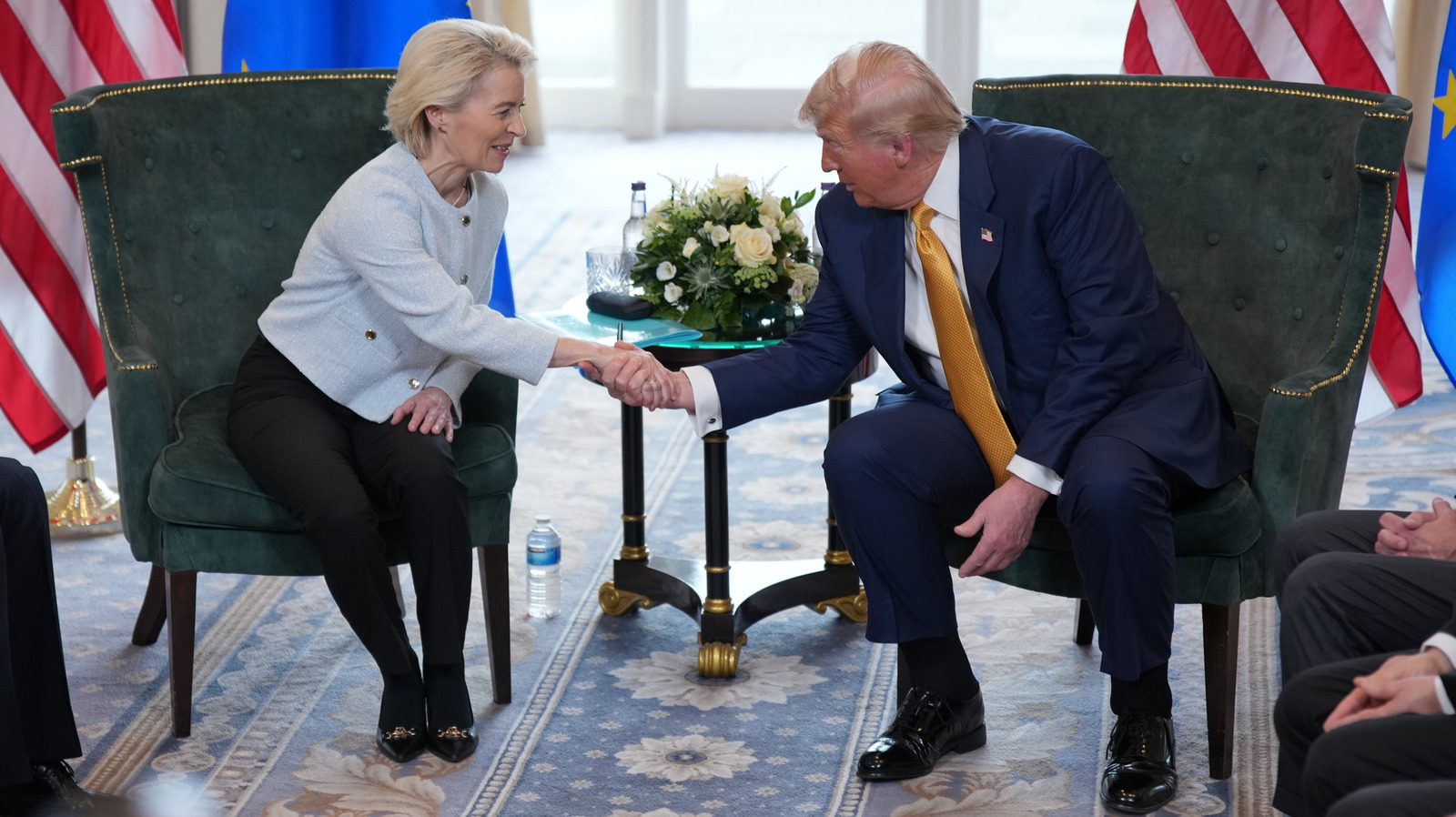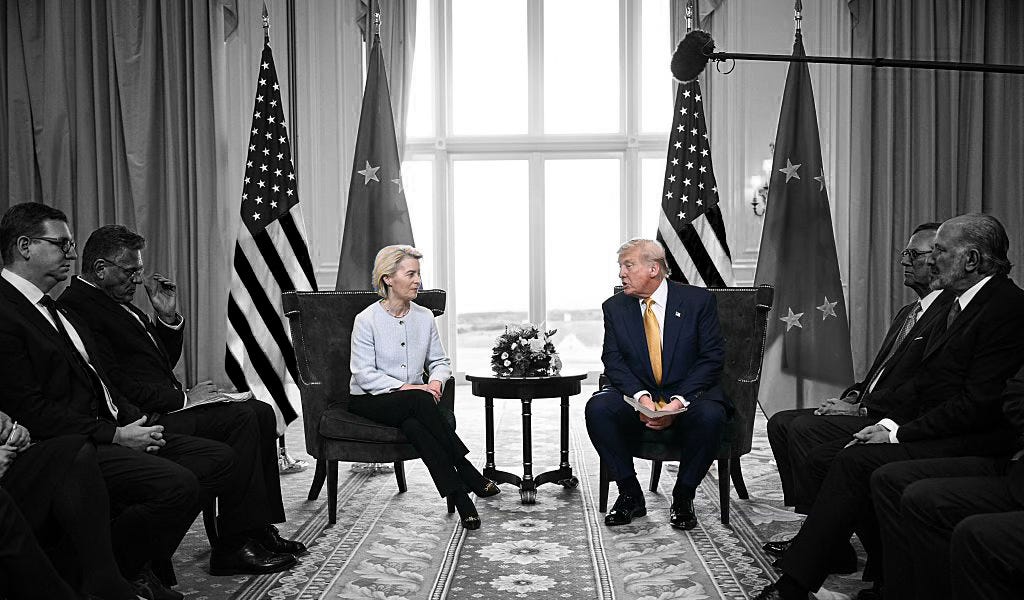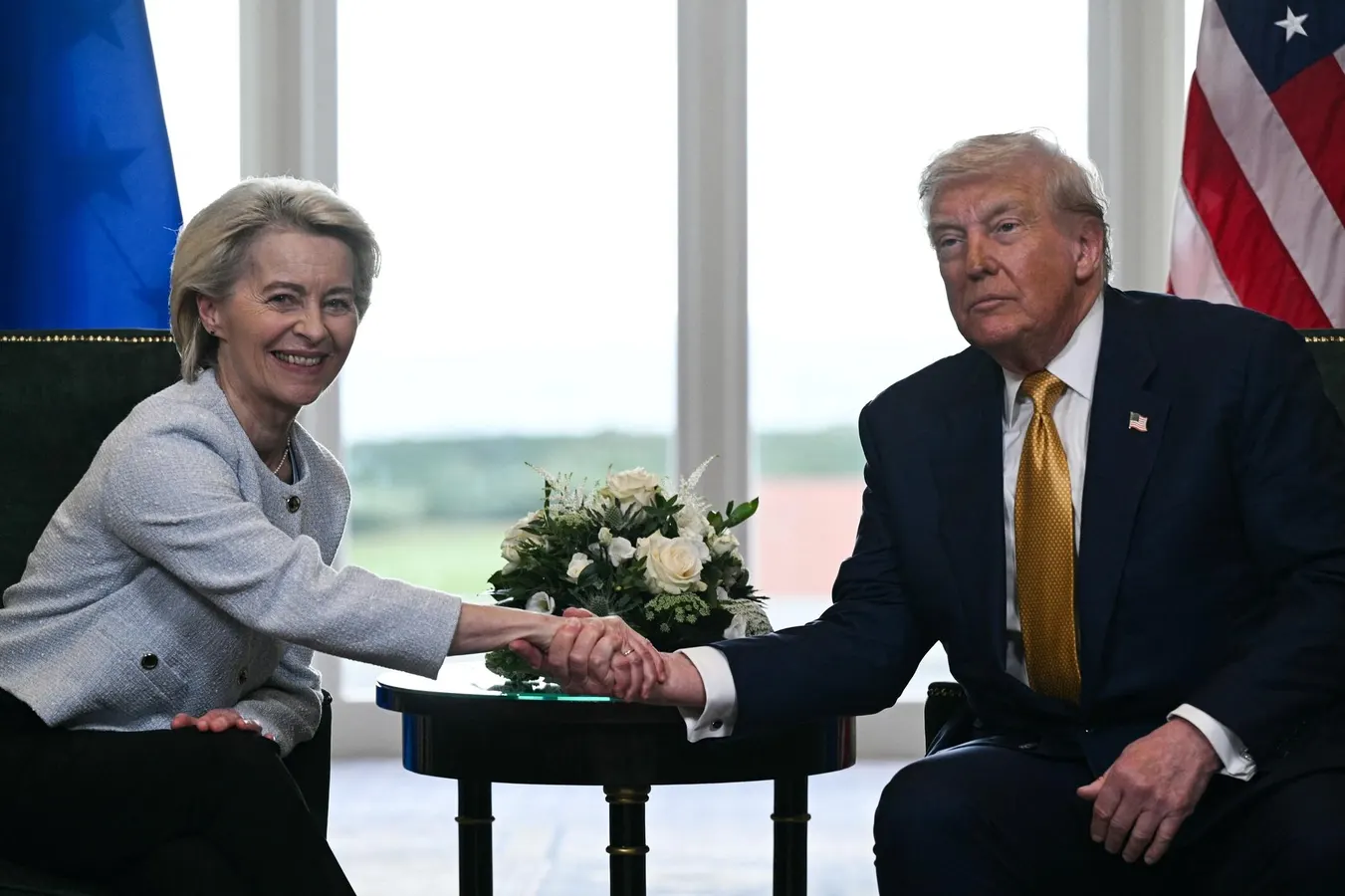
The European Union has proposed to remove tariffs on American industrial goods, including a reduction in auto tariffs from August 1, as part of a broader US-EU trade agreement aimed at restoring stability and predictability in transatlantic trade relations, following tense negotiations and commitments to increase energy and investment exchanges.
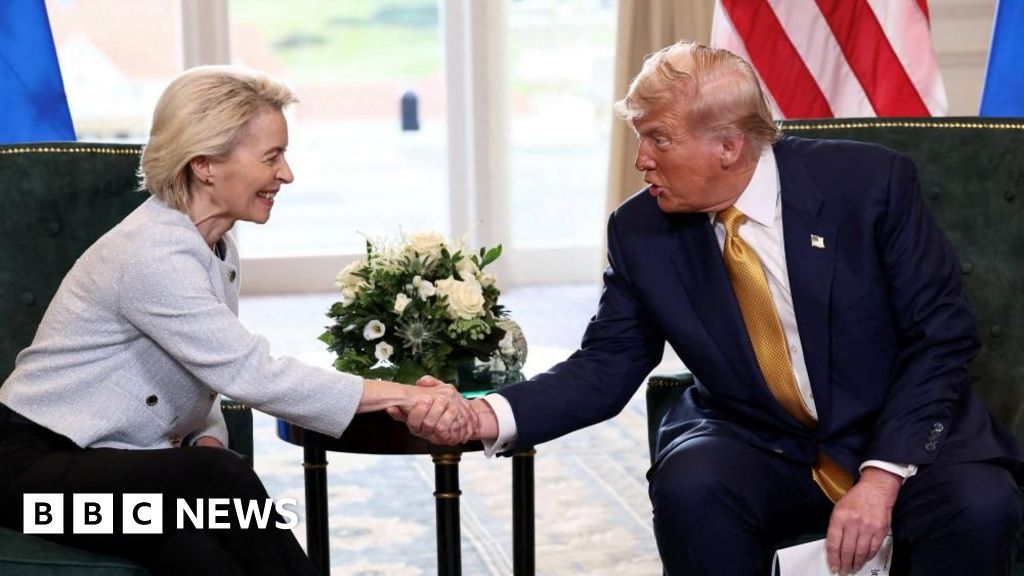
US President Donald Trump has agreed to limit tariffs on EU pharmaceuticals and semiconductors to 15%, down from potential rates of 250% and 100%, as part of a broader trade deal with the EU that includes tariff reductions on various goods, contingent on legislative approvals. The deal aims to enhance transatlantic trade stability and provides protections for Irish exporters, though some sectors like wine and spirits remain disappointed due to unresolved tariff issues.
The US and EU have outlined a new trade framework where the US will impose a 15% tariff on European cars and pharmaceuticals, while the EU will eliminate tariffs on American industrial exports and provide preferential access for US agricultural goods. The pact aims to strengthen trade relations, facilitate energy and investment flows, and address non-tariff barriers, with a focus on strategic sectors like cars, pharmaceuticals, and semiconductors.
The new US-EU trade agreement reduces tariffs for US automakers exporting to Europe but doesn't significantly change the overall trade dynamics, as US automakers mainly focus on domestic SUVs and pickups, and European exports to the US are limited and mostly sedans. The deal is unlikely to prompt major shifts in manufacturing or exports.
The US-EU trade deal, which imposes a 15% tariff on most European exports and increases US energy and military purchases, is viewed as an embarrassment for the EU due to its weak bargaining power and unfavorable terms, highlighting its diminished leverage in negotiations.
The stock market indices SPX and NDX rose slightly following news of a U.S.-EU trade deal, even as President Trump prepares to implement global tariffs, indicating cautious optimism amid ongoing trade tensions.
Oil prices increased by 2% following a US-EU trade agreement and a shortened US deadline for Russia to end its Ukraine war, with market focus shifting back to supply fundamentals and OPEC+ compliance.
The US and EU have agreed on a trade deal setting a 15% tariff on most goods, avoiding a potential trade war and boosting stock markets, with the deal including commitments on energy, military, and other sectors, though some European leaders criticize the concessions made.
The euro rose slightly following a US-EU trade framework agreement that reduced tariff threats, with investor focus shifting to upcoming central bank meetings and corporate earnings, while Ethereum hit a high since December 2024 amid positive market sentiment.
U.S. stock futures rose following the U.S.-EU trade agreement, which avoids a potential trade war and boosts market confidence. The week ahead includes a key Fed meeting, inflation and jobs data, and major earnings reports, with investors watching for signals on interest rate policy and economic health.
U.S. stock futures rose as markets prepared for a busy week with major earnings reports, a Federal Reserve meeting, and key economic data, following an agreement between the U.S. and EU to lower tariffs to 15%, boosting investor optimism amid ongoing trade and economic developments.
The Biden administration may allow European companies to share in billions of dollars in US tax incentives for electric vehicles if the two sides can reach a trade deal in the next few weeks. Ongoing talks between the US and EU could produce an agreement allowing vehicles that include European minerals to qualify for the full extent of the tax breaks. The Treasury guidance on the tax incentives coming next week will spell out details of how the agency proposes to weigh the extraction and processing of minerals used in electric vehicles and their components.