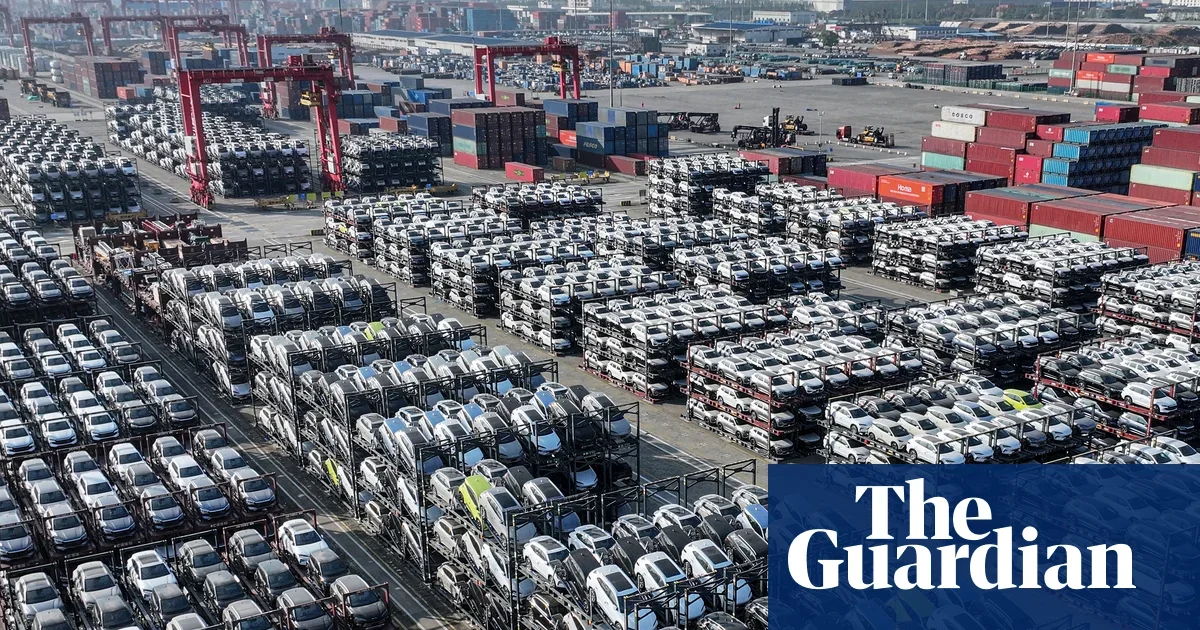
Chinese car brands are projected to account for 10% of new car sales in the UK by 2025, driven by increased sales across Europe, with manufacturers like MG, BYD, and Chery leading the growth. This surge is part of China's dominance in the EV industry, supported by government subsidies and supply chain control, raising concerns in the EU about job losses and market competition. Despite tariffs on Chinese EVs, hybrids remain a significant part of their offerings, allowing Chinese brands to undercut European manufacturers and expand their market share.
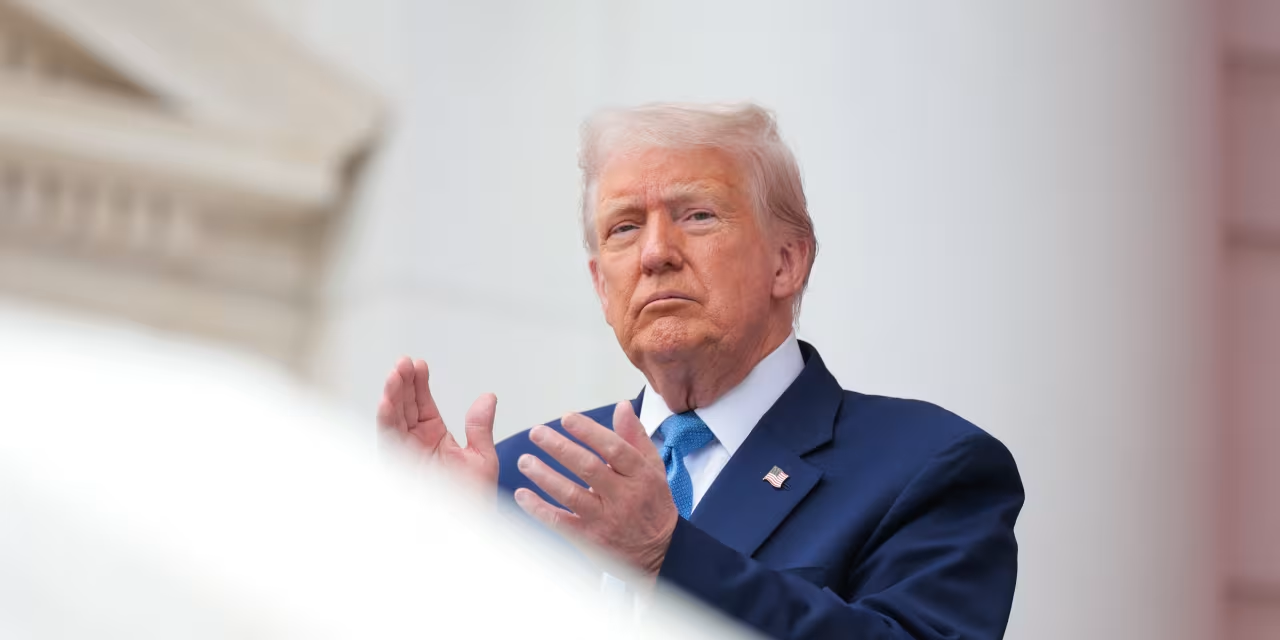
US President Donald Trump has urged the EU to impose up to 100% tariffs on China and India to pressure Russia into ending the Ukraine war, amid ongoing conflicts and increased Russian attacks on Ukraine. Trump also plans to speak with Putin and is negotiating trade issues with India, signaling a shift in US strategy towards economic pressure and diplomatic efforts. The situation highlights escalating tensions and complex international negotiations surrounding the Ukraine conflict.
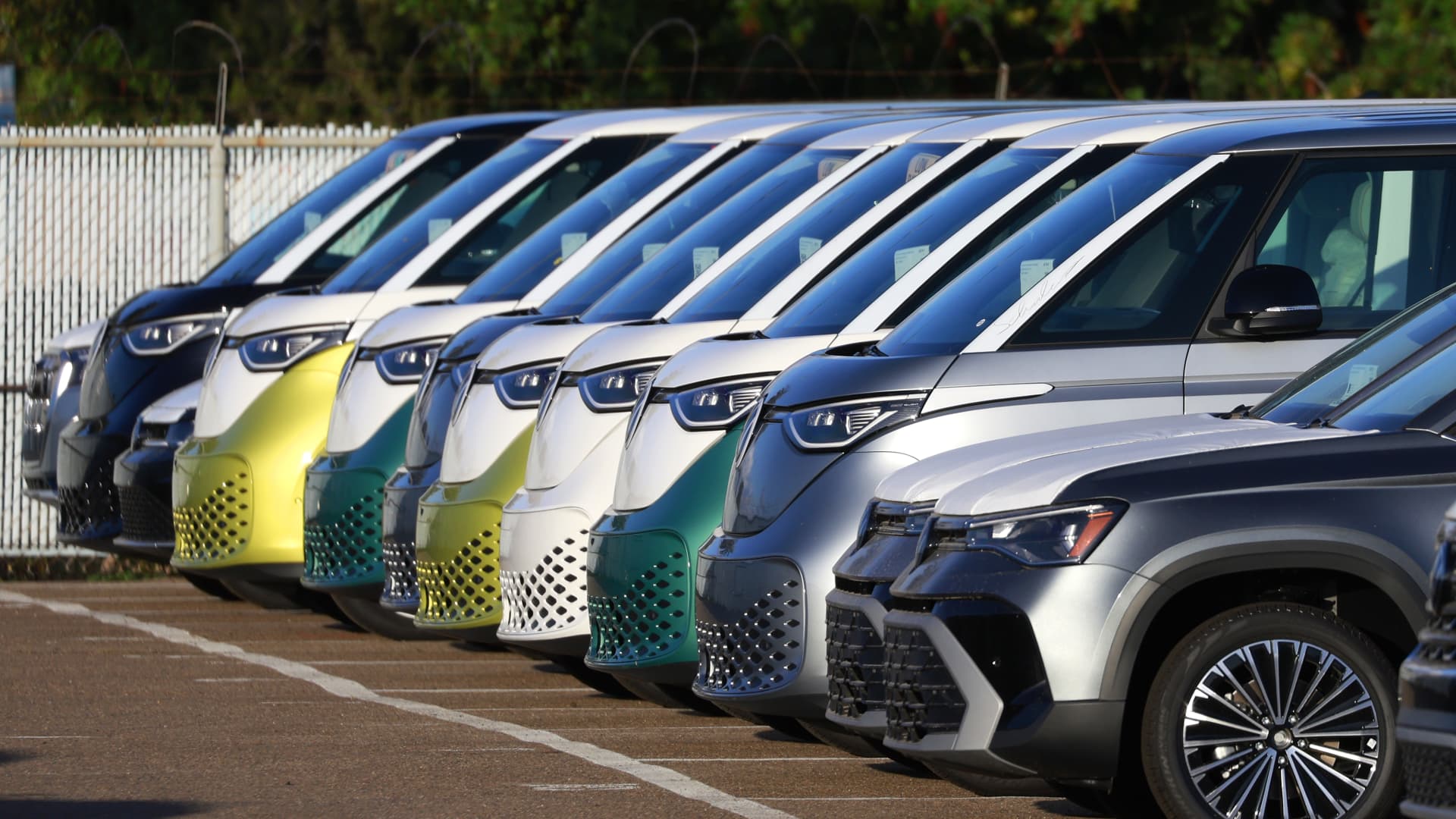
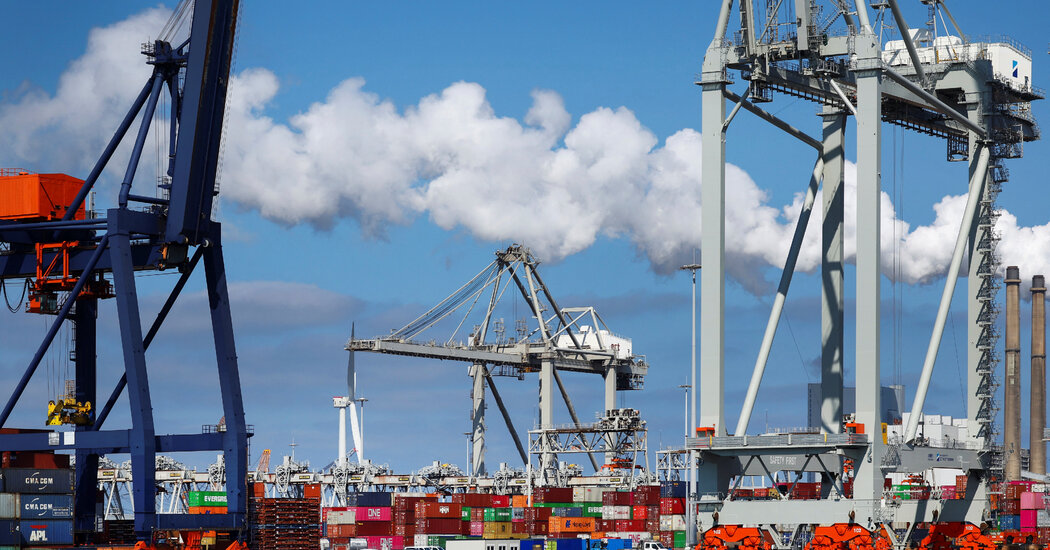
The European Union has proposed to remove tariffs on American industrial goods, including a reduction in auto tariffs from August 1, as part of a broader US-EU trade agreement aimed at restoring stability and predictability in transatlantic trade relations, following tense negotiations and commitments to increase energy and investment exchanges.
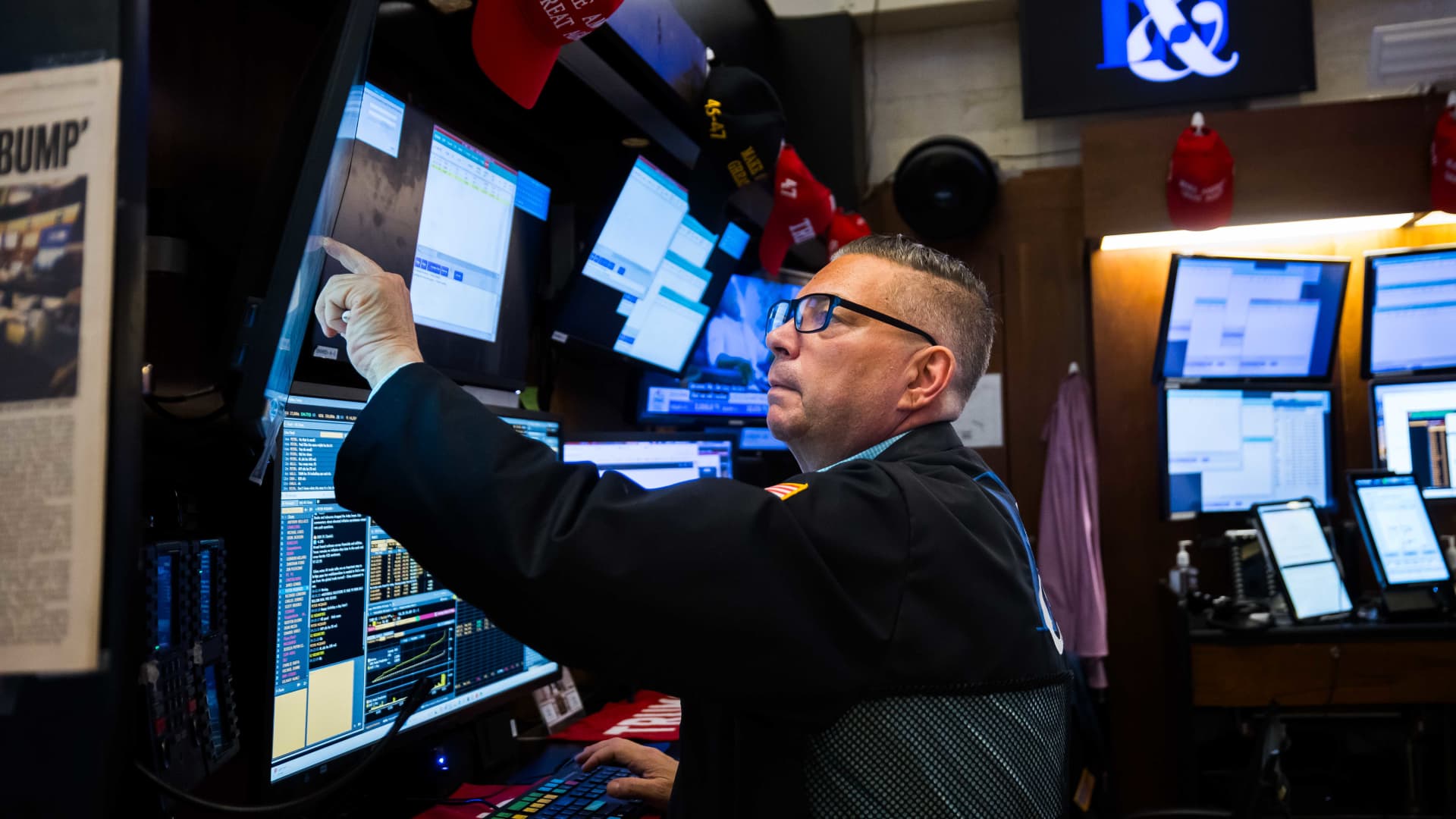
The US stock market rallied with SPY and QQQ posting gains amid rising odds of a September rate cut, while geopolitical and trade developments included the US considering tariff increases on India and the EU suspending tariff countermeasures, as the US and EU work towards a trade deal and progress is made in US-China trade negotiations.
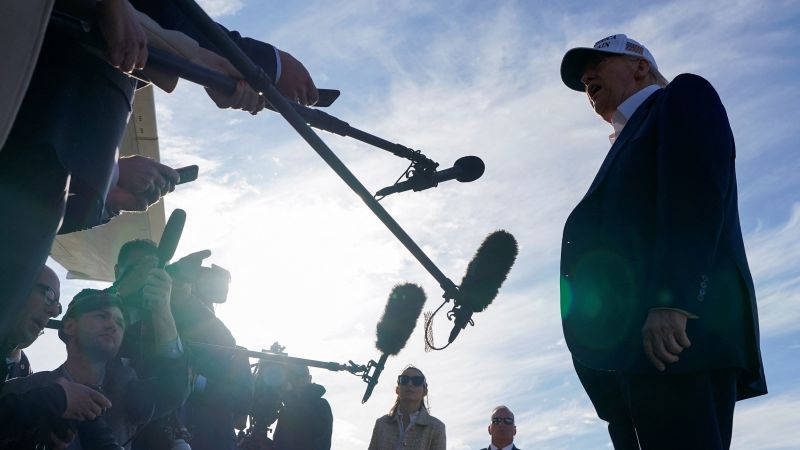
U.S. President Donald Trump’s threat to impose 30% tariffs on the EU has disrupted ongoing trade negotiations, risking significant impacts on the crucial trade relationship between the U.S. and the EU, which is one of the world's top exporters.
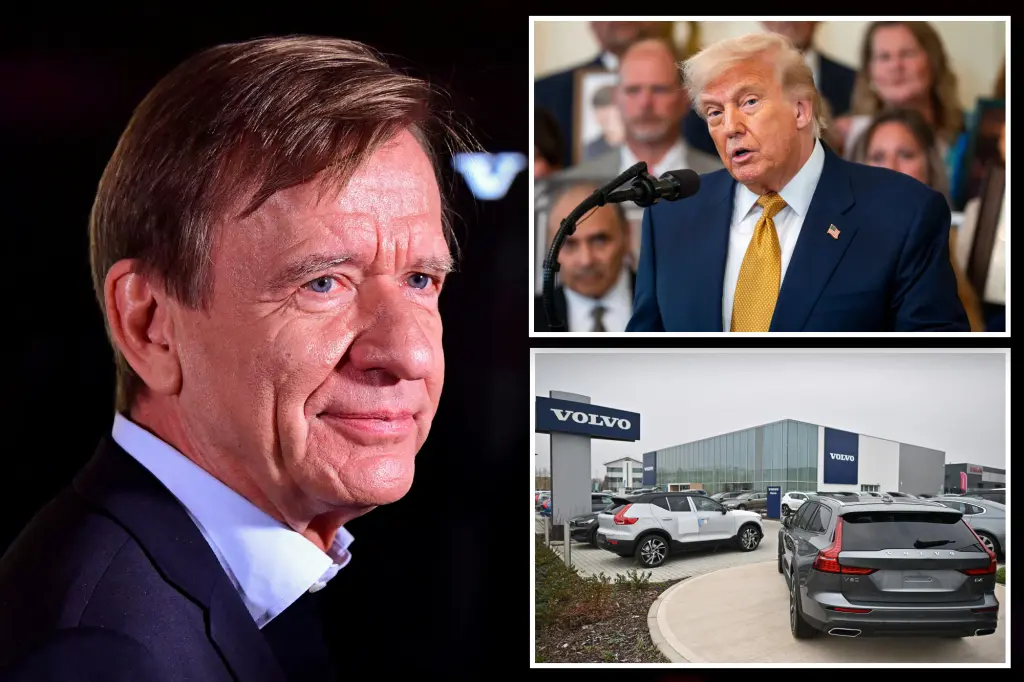
Volvo CEO Hakan Samuelsson called on the EU to reduce auto tariffs on US vehicles to promote free trade, criticizing current tariffs which hurt Volvo's US sales and prompting plans to increase US manufacturing. The US has imposed significant tariffs on European cars, affecting Volvo's profits amid broader trade tensions and economic challenges.
European Union officials have prepared plans to retaliate against potential US tariffs imposed by President Trump, including targeting over $84 billion worth of American goods, but they are still hoping to negotiate a deal and avoid escalation. The EU has shown readiness to respond forcefully if necessary, though it prefers diplomacy, with the possibility of using more severe measures like the anti-coercion instrument if talks fail.
European Union officials warn that President Trump's threat to impose 30% tariffs on EU goods could severely disrupt trans-Atlantic trade, despite recent negotiations suggesting a close deal. The EU is prepared to retaliate with tariffs on US products if necessary, emphasizing the risk of escalating a trade war.
U.S. stock futures are rallying as President Trump delays the EU tariff deadline to July 9, boosting investor optimism and signaling a potential market rebound after recent declines.
Stock futures surged over 1% after President Trump announced a delay in the EU tariff increase to July 9, providing a short-term boost following a recent decline on Wall Street, with investors awaiting economic data and earnings reports.
President Trump has agreed to delay a 50% tariff on EU imports until July 9 following a positive call with EU President Ursula von der Leyen, signaling potential progress in US-EU trade talks amid market fluctuations.