Car sales are declining due to economic uncertainty and high prices, with EV sales in China showing signs of fatigue, while Tesla gains market share. Meanwhile, a controversial Trump clemency involves a $1.6 billion fraud scheme, and South Korea secures a 15% tariff rate in US trade negotiations.

Asian shares rose on optimism about lower auto tariffs in US-Japan negotiations, while US and European futures gained. However, concerns remain due to weak US economic data and potential tariff hikes on various sectors, impacting markets globally.
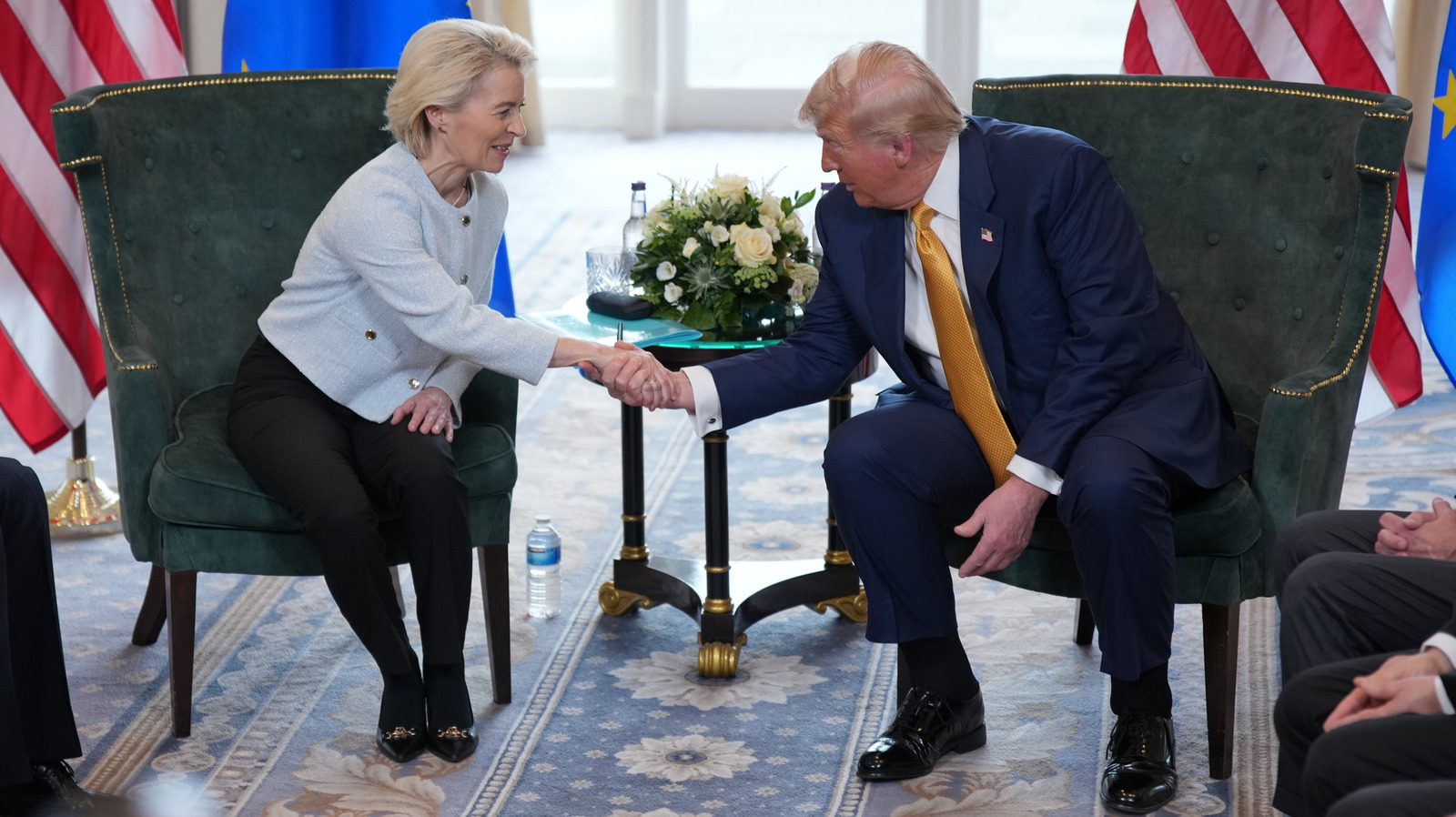
The new US-EU trade agreement reduces tariffs for US automakers exporting to Europe but doesn't significantly change the overall trade dynamics, as US automakers mainly focus on domestic SUVs and pickups, and European exports to the US are limited and mostly sedans. The deal is unlikely to prompt major shifts in manufacturing or exports.
President Trump announced a new trade deal with South Korea, including a 15% tariff on South Korean imports, a $350 billion investment pledge, and increased energy product purchases, aiming to ease trade tensions and strengthen economic ties.
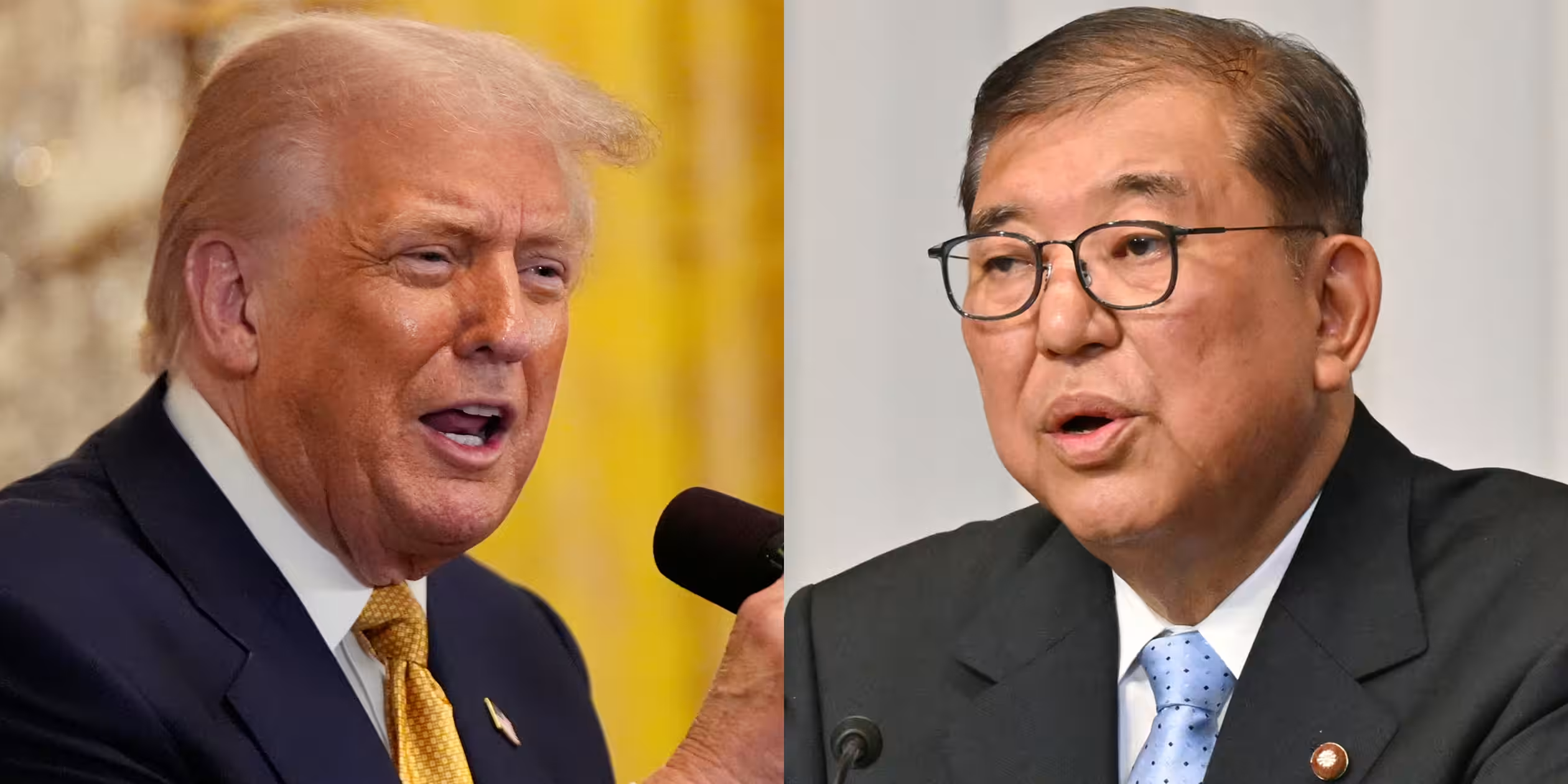
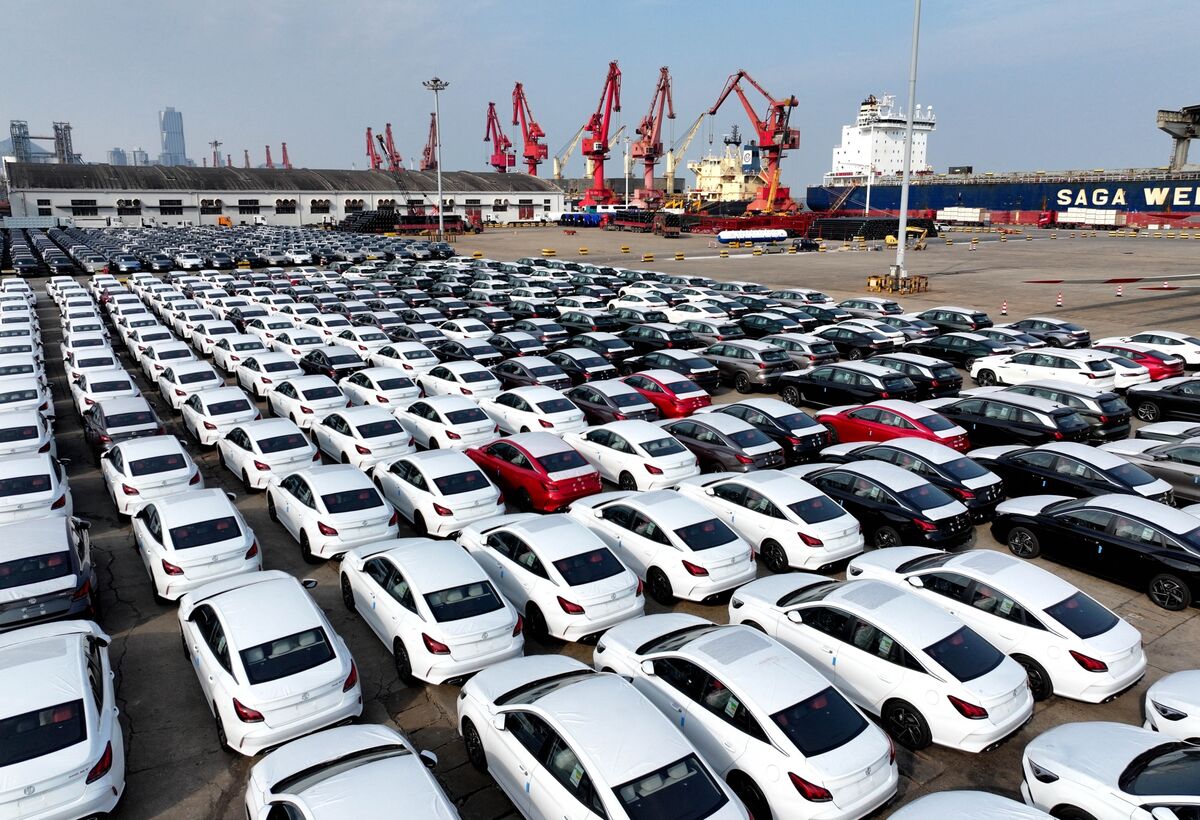
The new trade agreement between the US and Japan reduces tariffs on Japanese cars to 15%, potentially giving Japanese automakers an advantage over US, Canadian, and Mexican manufacturers, who face higher tariffs. US automakers express concern that this could hurt their competitiveness unless similar deals are made with other countries. The tariffs are expected to influence car prices and sales, but the full impact will take time to materialize, especially given the challenges Japanese cars face in the US market.
The US-Japan trade deal, which reduces auto tariffs, is seen as a positive step by Japan but has caused concern among US automakers, with ongoing frustrations over trade negotiations and tariffs affecting the auto industry.
The US and Japan have reached a historic trade agreement to reduce auto tariffs and reciprocal levies from 25% to 15%, marking a significant milestone in their economic relations ahead of the August 1 deadline.
General Motors is preparing to report its Q2 earnings amid ongoing auto tariff uncertainties and changes in EV incentives, with Wall Street expecting a slight decrease in revenue and earnings, while the company adjusts its full-year outlook and emphasizes its commitment to electric vehicles.
Toyota is raising prices on certain models by an average of $270 for Toyota and $208 for Lexus, citing regular price review processes rather than tariffs, despite recent US tariffs on auto imports. Other automakers like Mazda and Ford also increased prices, but attribute these to normal adjustments rather than tariffs, even as tariffs are impacting costs.
President Trump proposed increasing US auto tariffs to protect domestic auto manufacturing and signed legislation repealing California's electric vehicle sales mandate, including stricter pollution standards, citing support for American industry despite environmental concerns and opposition from automakers and environmental groups.