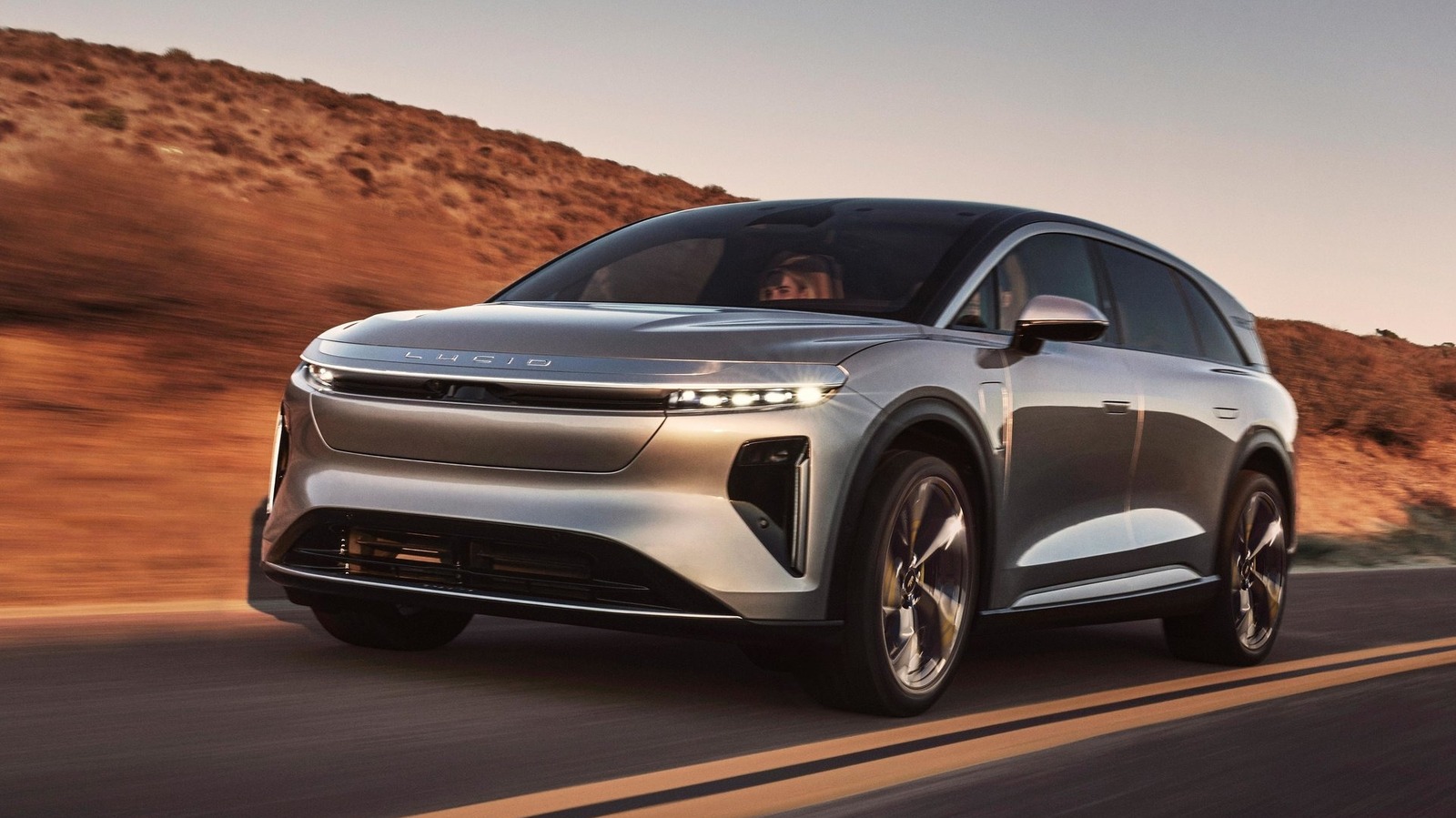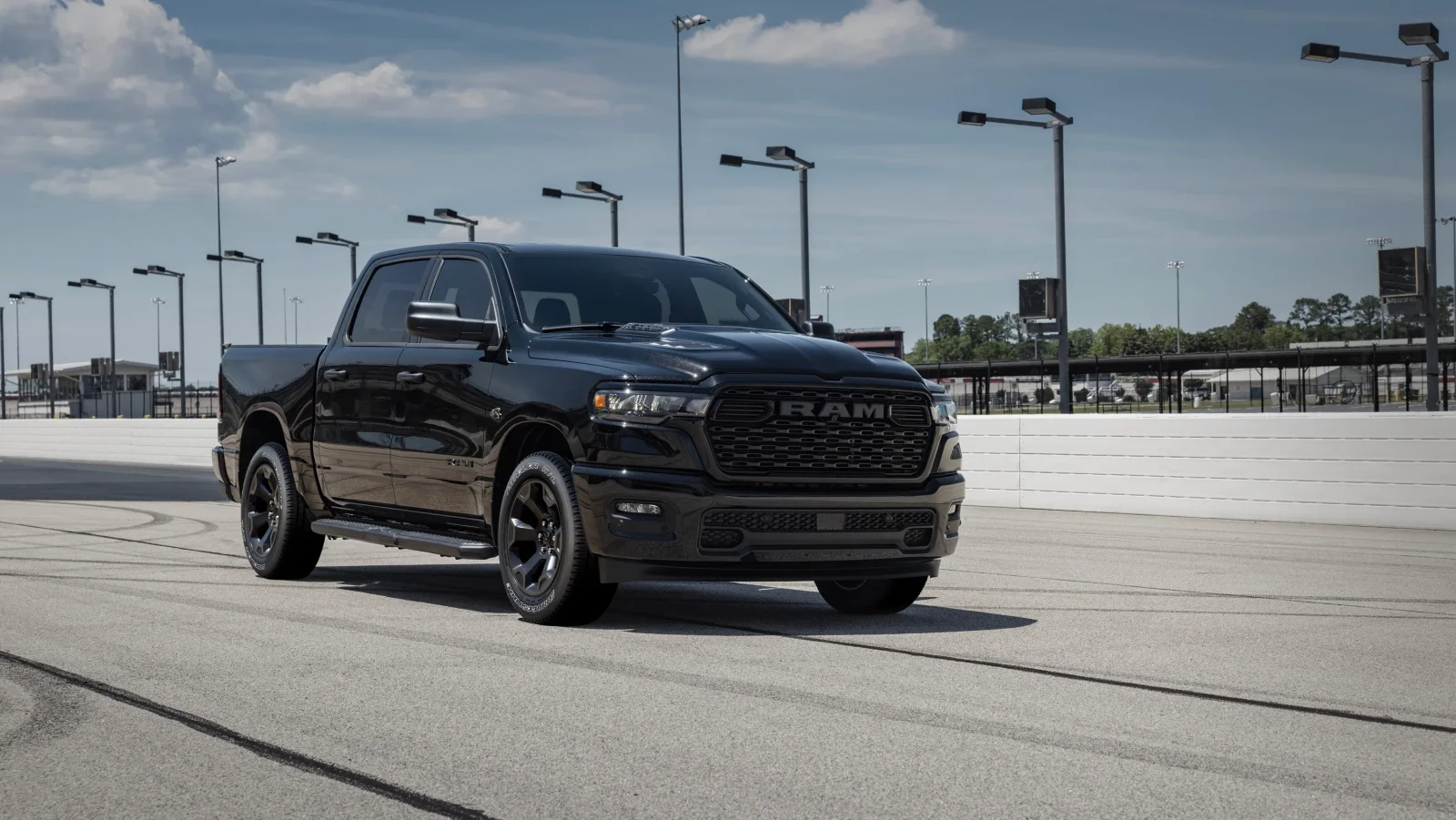
The IRS announced that new cars assembled in the U.S. purchased from 2025 to 2028 may qualify for a tax deduction on car loan interest, with eligibility determined by the vehicle's final assembly location, potentially benefiting middle-income households and supporting domestic auto production.

The new US-EU trade agreement reduces tariffs for US automakers exporting to Europe but doesn't significantly change the overall trade dynamics, as US automakers mainly focus on domestic SUVs and pickups, and European exports to the US are limited and mostly sedans. The deal is unlikely to prompt major shifts in manufacturing or exports.
The article discusses the potential impact of a proposed 50% tariff on imported copper, which could significantly increase the cost of both electric and internal combustion engine vehicles due to the high copper content in car components. It highlights that EVs contain between 150-200 pounds of copper, used in motors, batteries, and wiring, while traditional cars also use about 50 pounds of copper mainly in electrical systems. The tariffs could raise vehicle prices and impact the broader industry, especially as demand for copper is expected to rise with the expansion of EV charging infrastructure.
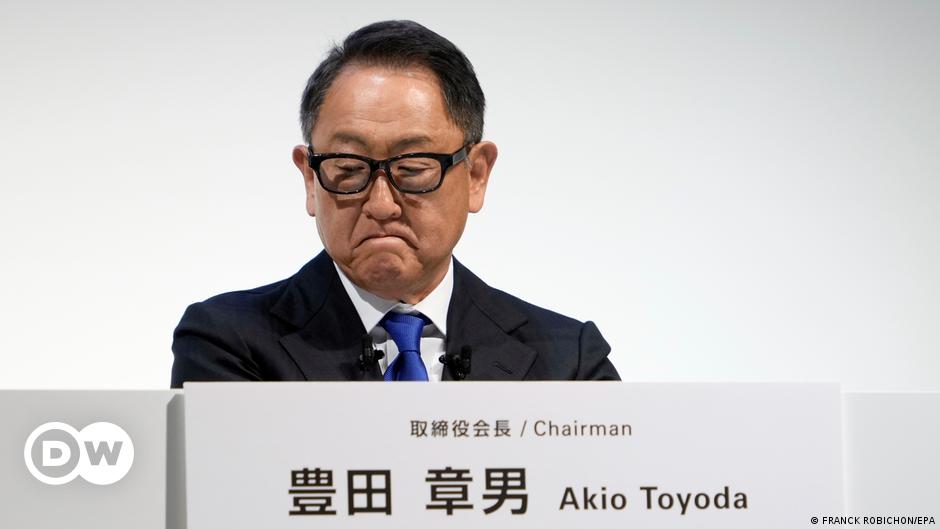
Toyota Motor Corporation has admitted to cheating on certification and safety tests for seven car models sold in Japan, three of which are still in production. Chairman Akio Toyoda apologized, and the company has temporarily halted shipments and sales of the affected models. The issue does not impact the non-Japanese market, but it poses a significant challenge for Japanese car manufacturers. Similar issues have been reported by Mazda and Honda, though all companies assert that the vehicles still meet safety regulations.
Tesla is reportedly scouting locations in India for a potential $3 billion car manufacturing plant, in a move that would provide a boost for Prime Minister Narendra Modi's push to attract foreign investment. The plant would mark Tesla's first foray into the Indian market and is seen as a significant step in CEO Elon Musk's efforts to expand the company's global footprint.
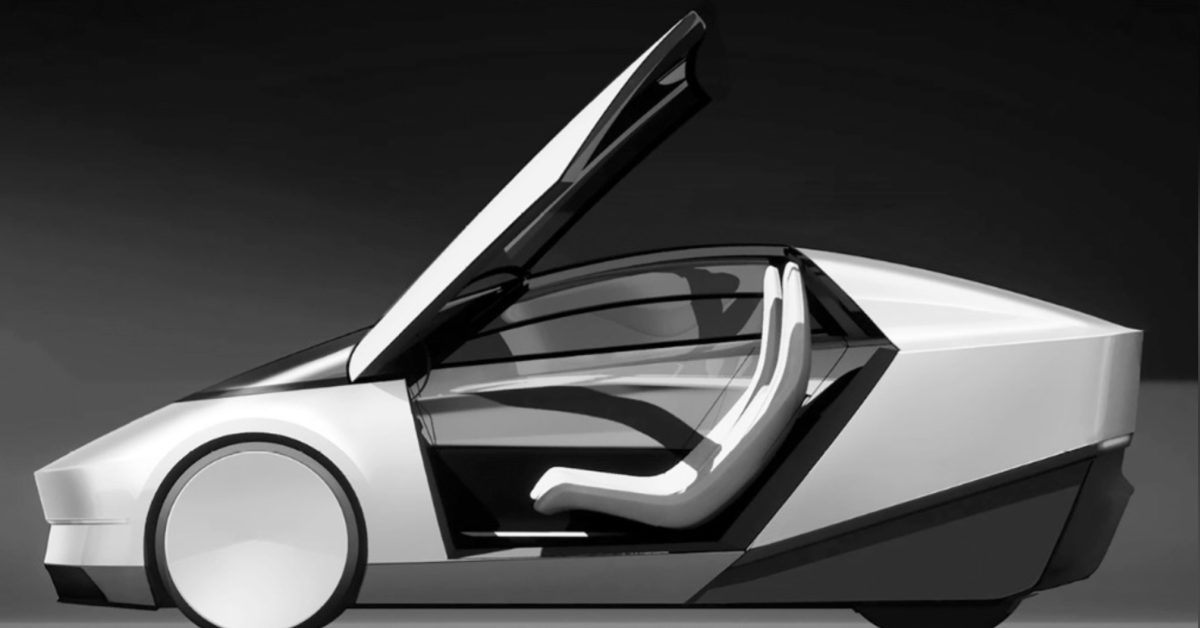
Elon Musk revealed that Tesla is targeting late 2025 for the release of its next-generation electric vehicles, including a more affordable model, using a new car manufacturing system called the "Unboxed Process." The system aims to improve efficiency and reduce costs. Musk cautioned that the timeline is tentative and subject to change, with production expected to start at Gigafactory Texas due to the anticipated difficulty of the production ramp.
Toyota has suspended operations at 12 of its 14 domestic plants in Japan after a system malfunction prevented the company from ordering components. The glitch is not believed to be a cyberattack. Toyota shares fell by 0.64 percent following the news. The carmaker, which was the world's top-selling automaker in 2022, has set a production target of 10.6 million vehicles for 2023.